

As Embark Studios prepares to roll out its sweeping major update for Arc Raiders, titled ‘Frozen Trail’, the developer is executing a comprehensive sequence of quality-of-life adjustments, gameplay shifts, and systemic reworks. From zero-tolerance anticheat measures and shifting loot hotspots to the much-discussed exploration of PvE-only server tests, the studio is leaving no stone unturned.
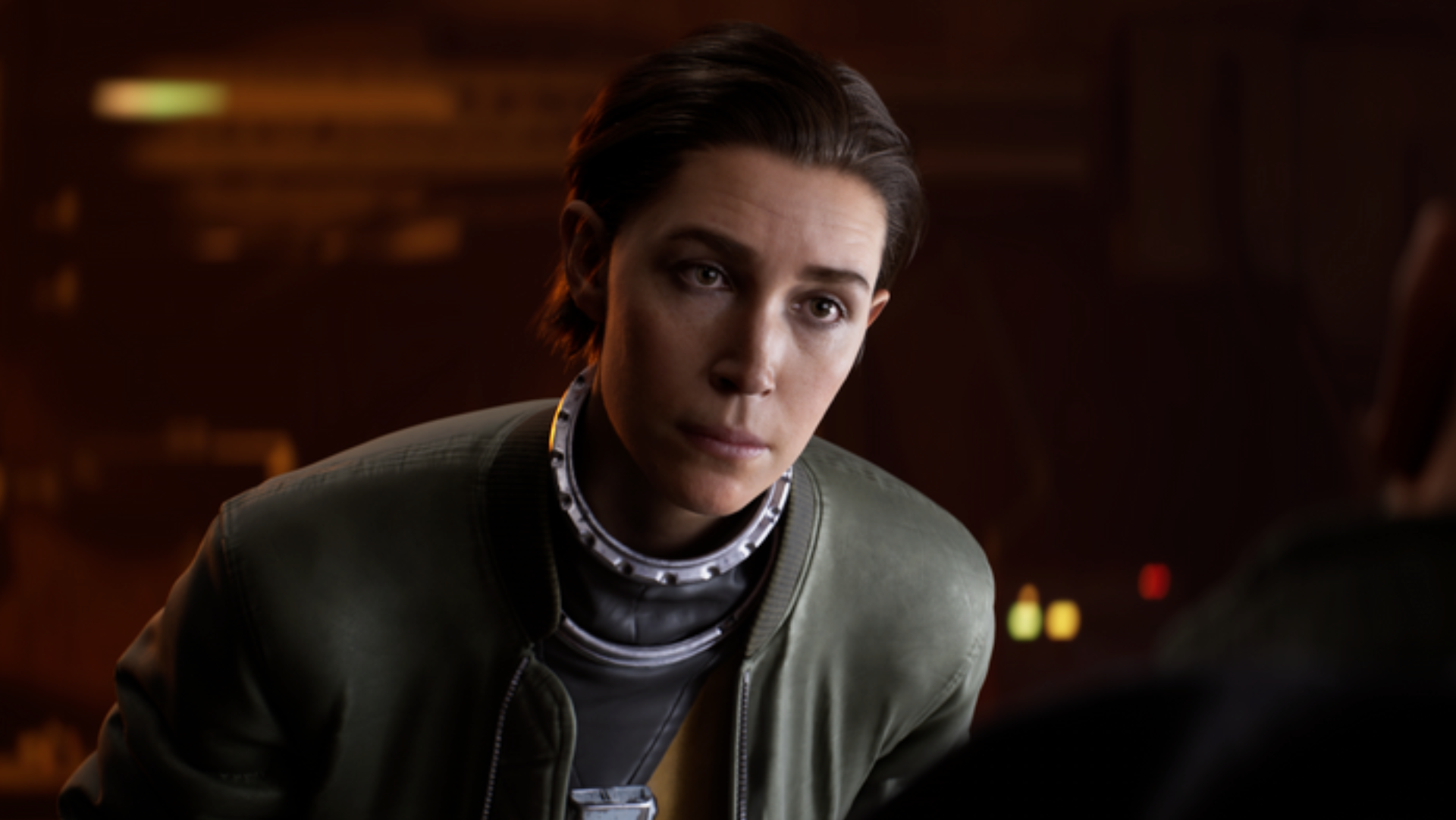
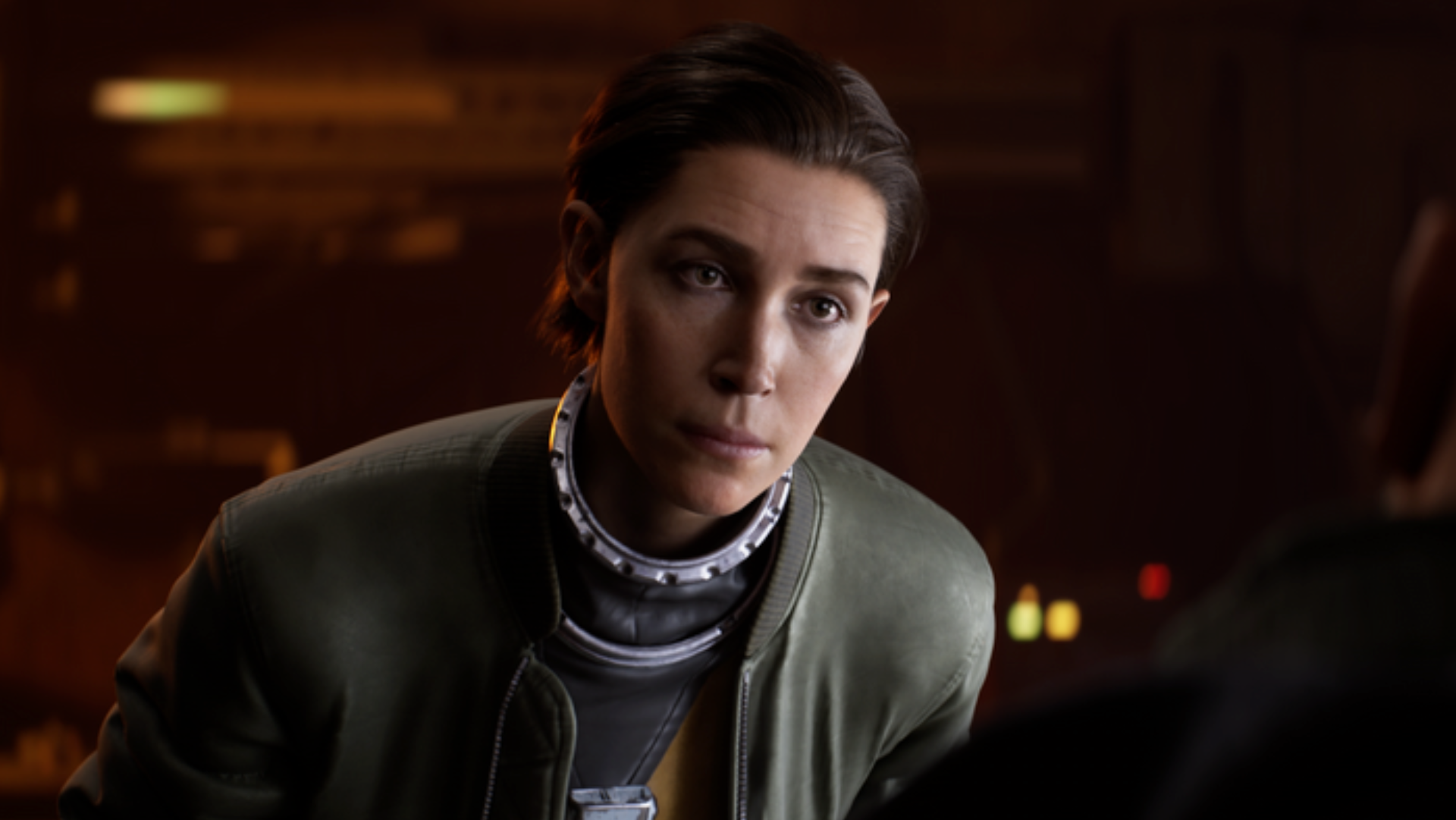
Yet, amid these massive technical and gameplay overhauls, one of the most striking changes arrives in the underground colony of Speranza itself. Embark is completely redesigning Celeste, the de facto leader of the sanctuary, introducing a full-performance capture upgrade that maps her appearance and expressions directly onto her long-time voice actor, Diana Gardner.
The update, scheduled to drop alongside Frozen Trail on October 6, marks a watershed moment for the game’s narrative presentation—and signals a broader visual and atmospheric shift for the third-person shooter.
Main Facts: What is Changing with Celeste?
- The Core Update: Celeste, Speranza’s primary narrative anchor and leader, is receiving a complete character model and facial animation overhaul.
- The Talent: Diana Gardner, who has voiced Celeste since the game’s inception, is now officially stepping in as the physical and facial model for the character via full-performance motion capture.
- Release Timing: The redesigned Celeste will debut alongside the major Frozen Trail update on October 6.
- Broader Initiative: This upgrade is the first wave of a wider studio initiative to bring other Arc Raiders characters more closely in line with their real-world actors, enhancing emotional depth, immersion, and fidelity.
Chronology: The Evolution of Arc Raiders’ Narrative Presentation
To understand the significance of Celeste’s upcoming transformation, it is necessary to examine how Arc Raiders has evolved from its initial concept announcements to its current live-development phase.
Phase 1: Initial Reveal and Voice Casting
When Embark Studios first introduced players to the grim, machine-infested future of Arc Raiders, the title was framed as a cooperative third-person shooter before pivoting, and later blending, elements of extraction survival. Within this desolate underground haven of Speranza, players interacted with a roster of NPCs designed to hand out quests, establish lore, and ground the desperate survival efforts of humanity. Diana Gardner was brought on early in the development cycle to voice Celeste, establishing a commanding, steady vocal performance that anchored the settlement’s leadership.
Phase 2: Growing Pains in Character Immersion
As technical builds matured and early playtests rolled out, players and critics alike noted a distinct dissonance within the game’s world. While Arc Raiders boasted breathtaking environmental design, atmospheric tension, and visceral combat against mechanized threats, its NPCs often fell flat. Characters frequently functioned as glorified quest dispensers rather than living, breathing inhabitants of a dying world. Compounded by community discussions surrounding the utilization of machine learning and synthetic voice tools to flesh out dialogue, the human connection within the game’s narrative often felt strained.
Phase 3: The Turning Point and the ‘Frozen Trail’ Roadmap
Recognizing that wooden character animations and limited facial rigging were undercutting the dramatic stakes of the narrative, Embark Studios leadership made a critical decision. In the lead-up to the Frozen Trail update—an expansive patch that also introduces sweeping anticheat crackdowns, rebalanced loot hotspots, and experimental PvE modes—the team prioritized a radical technical upgrade for its central character. By transitioning Celeste to full performance capture, Embark is laying the groundwork for a more cinematic, emotionally resonant storytelling style.
Supporting Data and Context: The Technical Leap
The limitations of Arc Raiders’ earlier character models were not lost on the development team. In a candid post on the official Arc Raiders development blog, Embark Studios Chief Creative Officer Stefan Strandberg laid bare the technical constraints the team faced during earlier development phases.
"Celeste has never fully represented the depth of Diana’s performance," Strandberg explained. "Her limited expressive capabilities held the character back and broke immersion for players, failing to communicate the stakes and stories we want to tell."
According to Strandberg, high-fidelity, dynamic facial expressions are foundational to anchoring the gravity of a post-apocalyptic narrative. Up until now, the studio’s pipeline simply could not support the level of nuance required to translate a complex vocal performance into a convincing digital visage.
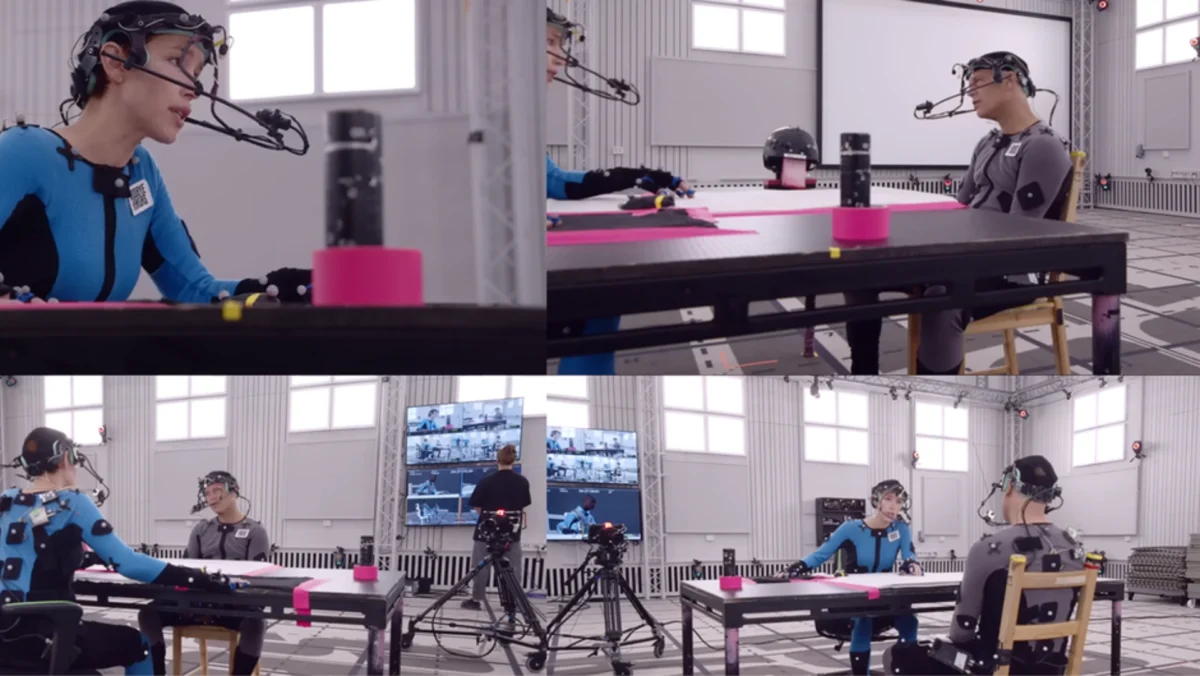
To rectify this, Embark deployed advanced full-performance capture technology. This system tracks not just audio, but intricate micro-expressions, subtle muscular movements, and emotional shifts from the actor’s face in real-time, mapping them directly onto the in-game character model.
- The Result: When players log in following the Frozen Trail update, Celeste will look visibly different. However, Embark insists that this visual divergence is a necessary step toward authenticity, ensuring that players are finally witnessing the true physical and emotional performance of the actor behind the character.
Official Responses: What Embark Studios is Promising
Embark has been transparent about why this change was necessary and what it portends for the future of the game’s universe. The studio views the Celeste rework not as a one-off cosmetic tweak, but as a proof-of-concept for a new standard of character fidelity within the project.
Stefan Strandberg elaborated on the studio’s long-term vision for the title’s cast:
"This is the first time we have used full motion capture, including a more detailed and accurate face, that allows us to map expressions and emotion in more detail. This means that more of Diana’s performance and identity comes through the screen."
Furthermore, Strandberg confirmed that Celeste is merely the vanguard of this visual and technical evolution.
"In future updates, we plan to bring more characters in line with their real-world actors. Not only will this mean more faithful representations of actors, it’ll be felt by players themselves."
This shift directly addresses longstanding community feedback regarding the lifelessness of certain NPC interactions compared to competitor titles in the extraction and shooter genres. By leaning deeper into genuine human performances, Embark is signaling a deliberate pivot away from mechanical, uninspired dialogue delivery toward a more character-driven narrative structure.
Implications: What This Means for the Future of Arc Raiders
The overhaul of Celeste and the broader commitment to upgrading NPC facial capture carry several significant implications for the trajectory of Arc Raiders as it heads toward its official release milestones:

1. Elevating Narrative Immersion
Extraction shooters and multiplayer survival games often struggle to balance high-stakes player-versus-player (PvP) or player-versus-environment (PvE) gameplay with a compelling overarching story. By investing heavily in high-fidelity motion capture for its central hub characters, Embark is signaling that Speranza is meant to be more than just a menu screen or a glorified lobby. Enhanced facial animations allow for subtle emotional cues—doubt, fear, determination, and exhaustion—that make narrative cutscenes and character interactions genuinely engaging.
2. Combating the "Lifeless NPC" Critique
The gaming community has become increasingly vocal about the mechanical nature of background characters in modern shooters, frequently contrasting wooden NPC interactions with dynamic player achievements. By replacing static models with direct digital translations of real actors, Embark is proactively working to dismantle the critique that Arc Raiders features "bland and lifeless" inhabitants.
3. A Holistic Approach to the ‘Frozen Trail’ Era
It is telling that the Celeste upgrade is arriving bundled with massive systemic changes. Anticheat measures are becoming increasingly draconian—with permanent bans replacing warnings—and loot distribution models are being aggressively tweaked to maximize match unpredictability. Simultaneously testing PvE-only server parameters shows a development team actively listening to player data. In this context, upgrading Celeste demonstrates that Embark is not solely focused on mechanical balancing; they are matching backend improvements with front-facing polish.
4. Setting a New Standard for Live-Service Character Design
As live-service titles evolve, players increasingly expect AAA visual fidelity across all facets of a game, not just gun models and skyboxes. If Embark successfully transitions its remaining cast of characters to match their real-world voice and motion-capture actors, it could establish a new benchmark for how mid-development artistic pivots are handled in live-service multiplayer ecosystems.
Conclusion
When the Frozen Trail update goes live on October 6, returning players stepping into the subterranean corridors of Speranza will undoubtedly notice that their trusted leader looks a bit different. Yet, beneath the updated polygons and advanced facial mapping lies a concerted effort by Embark Studios to bridge the gap between technical ambition and emotional storytelling.
By allowing Diana Gardner’s genuine performance to finally shine through on screen, Arc Raiders is taking a vital step toward transforming its world from a cold, mechanical shooting gallery into a living, breathing human struggle for survival.

