

By Gaming Desk Correspondent
Published Today
Main Facts: What You Need to Know About Echoes of Mora VR
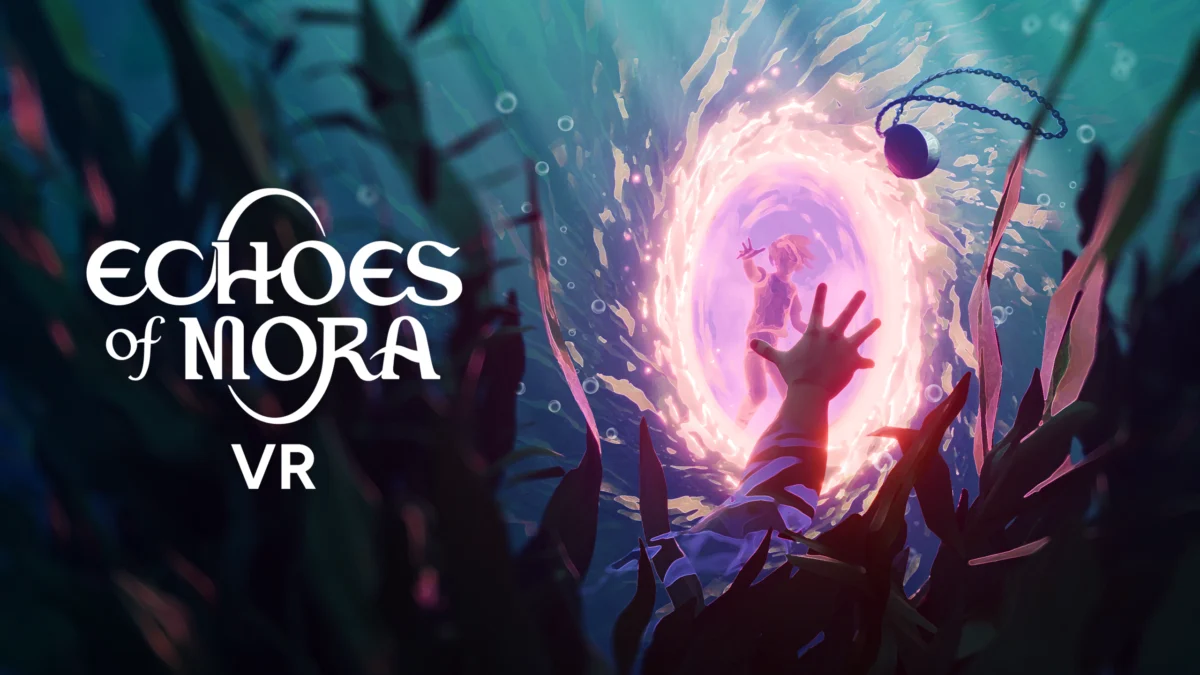
Following a notable delay from its initially projected spring release window, developer Selkies Interactive has officially launched its narrative-driven, deep-sea puzzle adventure, Echoes of Mora VR, on Steam. Designed primarily as an immersive virtual reality experience, the title also features an optional traditional flatscreen mode, allowing players without a headset to experience the sunken world of Mora.
Set within a hauntingly beautiful, flooded Italian village, the game invites players into a 2-to-3-hour exploratory journey. Gamers step into the shoes—and fins—of the titular Mora, whose primary mission is to uncover the dark, lingering mystery behind her brother’s sudden disappearance. To solve the overarching mystery, players must navigate underwater ruins, utilizing time-bending portals that offer vivid glimpses into the village as it stood before the catastrophic flood.
However, prospective buyers must exercise caution before purchasing. In an unusual distribution choice, developer Selkies Interactive has published two distinct storefront listings on Steam:
- The Flatscreen-Only Edition: Priced at $14.99, this version is strictly for traditional monitor play and does not support virtual reality hardware.
- The VR & Flatscreen Edition: Priced at $17.99, this version unlocks full VR support while retaining the option to play in traditional flatscreen mode.
Players looking to experience the game in virtual reality must ensure they purchase the correct, slightly higher-priced package. For those hesitant to commit immediately, Selkies Interactive has also made a VR-supported playable demo available on Steam, alongside confirmation that a full, comprehensive review of the game will be published soon.
Chronology: The Journey From Student Project to Steam Release
The story of Echoes of Mora VR is as much about the perseverance of its creators as it is about the game itself. The timeline of its development and release highlights the unpredictable nature of indie game publishing:
- The Student Origins: Developed by Selkies Interactive—a tight-knit indie team consisting of just three German master’s students—the concept was born out of an academic environment. The trio set out to create a deliberate, stress-free puzzle game that prioritized emotional storytelling over fast-paced action.
- The Spring 2026 Target: Initially, the team aimed for an April release window. Marketing materials and community roadmaps pointed toward a spring launch, generating quiet anticipation among VR enthusiasts looking for narrative-rich, non-combat atmospheric experiences.
- The Publishing Detour (Spring to Summer 2026): The April release window came and went without a launch. Selkies Interactive later revealed via a Steam community developer post that the delay was caused by high-stakes negotiations with a potential third-party publisher. Ultimately, the publishing deal fell through, forcing the tiny student team to regroup, self-publish, and shoulder the final logistical hurdles independently.
- Late Summer 2026: With publishing matters settled internally, the studio locked in a Q3 2026 release window, focusing final optimization efforts on both PC VR runtimes and the optional flatscreen rendering pipeline.
- Today: Echoes of Mora VR officially goes live on Steam, alongside its companion flatscreen version and a public demo.
Supporting Data: Gameplay Mechanics, Design Philosophy, and Technical Structure
To fully appreciate Echoes of Mora VR, one must examine its design framework. Unlike many modern virtual reality titles that rely on adrenaline, combat loops, and jump scares, Echoes of Mora VR deliberately steps away from peril.
1. Stress-Free, Non-Combat Exploration
Selkies Interactive designed the title with a strict "no fail state" philosophy. There are no game-over screens, no aggressive marine predators hunting the player, and no environmental hazards that can kill Mora. This design choice strips away typical video game anxieties, encouraging players to absorb the atmospheric sound design, examine architectural details, and explore at their own leisure.
2. Temporal Mechanics Through Portals
The core puzzle mechanics revolve around the village’s tragic past. As players explore the flooded, debris-choked streets of the Italian hamlet, they encounter dimensional portals. Stepping through or looking into these portals bridges the temporal gap, showing the village as it was before the waters rushed in. Players must use clues gathered from the past to solve physical puzzles in the present-day sunken ruins.
3. Narrative Branching and Dual Endings
Despite its relatively short runtime of 2 to 3 hours, Echoes of Mora VR features light role-playing and choice-driven mechanics:
- Dialogue Choices: Conversations and interactions throughout the journey can alter the sequence in which certain scenes and revelations play out, giving the narrative a dynamic flow.
- Dual Conclusions: The game features two distinct endings. A major moral or exploratory choice made at the very conclusion of the game determines which cinematic resolution the player receives, adding a layer of replayability.
4. Technical Scope and Accessibility
Developed by a three-person team, the game punches above its weight class in terms of visual fidelity. The atmospheric lighting, murky water volumetric effects, and detailed Italian architecture create a convincing underwater illusion. Furthermore, by providing an optional flatscreen mode and a playable demo, Selkies Interactive has ensured that the game remains accessible to users who do not own VR headsets or who want to test performance before buying.

Official Responses: Insights From the Developers
The developers at Selkies Interactive have maintained transparent communication with their community throughout the turbulent development cycle. Following the release of the game, a spokesperson for the three-person team shared insights regarding the journey to launch on the Steam community hub.
Addressing the unexpected delay earlier in the year, the developer post candidly detailed the publisher negotiations:
"When we initially targeted an April release, we were deep into discussions with a potential publishing partner. As an indie team of three master’s students, navigating the business side of the industry was a massive learning curve. Ultimately, that deal came and went. It was a stressful period for us, but it gave us the autonomy to finish the game entirely on our own terms. Seeing it live on Steam today is surreal."
Regarding the game’s gentle tone, the team emphasized that Echoes of Mora VR was conceived as an emotional sanctuary rather than an endurance test:
"We wanted to build something where players could immerse themselves without the constant pressure of a health bar or a timer. The deep sea can be terrifying, but we wanted to flip that script—to make the sunken village feel melancholic, reflective, and ultimately peaceful. We hope players take their time, look at the details in the portals, and connect with Mora’s story."
Implications: What Echoes of Mora VR Means for Indie VR Development
The launch of Echoes of Mora VR carries several noteworthy implications for the broader virtual reality ecosystem and the independent developer community.
1. The Viability of Micro-Studio VR Development
With major publishers frequently hesitant to fund narrative, non-combat VR games due to perceived risks regarding market size, the success of Selkies Interactive serves as an encouraging case study. Comprising only three master’s students, the studio proves that small teams can deliver polished, emotionally resonant virtual reality experiences if they keep their scope tight and focused—in this case, targeting a curated 2-to-3-hour runtime rather than an expansive, bloated open world.
2. The Power and Pitfalls of Self-Publishing
The breakdown of Selkies Interactive’s publishing deal highlights the precarious nature of indie funding. Many small developers find themselves vulnerable when external partnerships dissolve late in development. However, the team’s ability to pivot, self-publish, and deliver a dual-format release (VR and flatscreen) demonstrates the increasing maturity of digital storefronts like Steam in supporting grassroots creators.
3. Addressing Accessibility Through Hybrid Releases
By offering both a dedicated flatscreen version and a VR-compatible edition, Selkies Interactive has solved a common dilemma in modern gaming: how to reach a wider audience without compromising the core virtual reality vision. While the dual-storefront listing has caused minor consumer confusion—necessitating prominent warnings about purchasing the correct version for VR play—it ultimately expands the game’s economic footprint by capturing both traditional PC gamers and VR enthusiasts.
Looking Ahead
As players dive into the flooded ruins of Echoes of Mora today, the industry will be watching to see how this student-crafted passion project resonates with the wider public. With a full review forthcoming and a free demo available on Steam, Echoes of Mora VR stands as a testament to creative ambition, proving that quiet, contemplative storytelling still has a vital place in the ever-evolving landscape of virtual reality.

