

September 2026 — Subscribers to Sony’s higher-tier subscription services are being urged to exercise extreme caution before downloading the latest additions to the platform. A recurring and notoriously persistent digital rights management (DRM) quirk within the PlayStation Plus ecosystem is once again catching users off guard, threatening to permanently strip players of games they rightfully own.
The crux of the issue revolves around a dangerous overlap between the monthly PlayStation Plus Essential offerings and the mid-tier Extra and Premium game catalogs. Users who fail to navigate this digital minefield risk overriding their permanent licenses with temporary ones, effectively turning games they can keep forever into rentals that vanish the moment they cycle out of the subscription library.
Main Facts: The Cross-Tier License Trap Explained
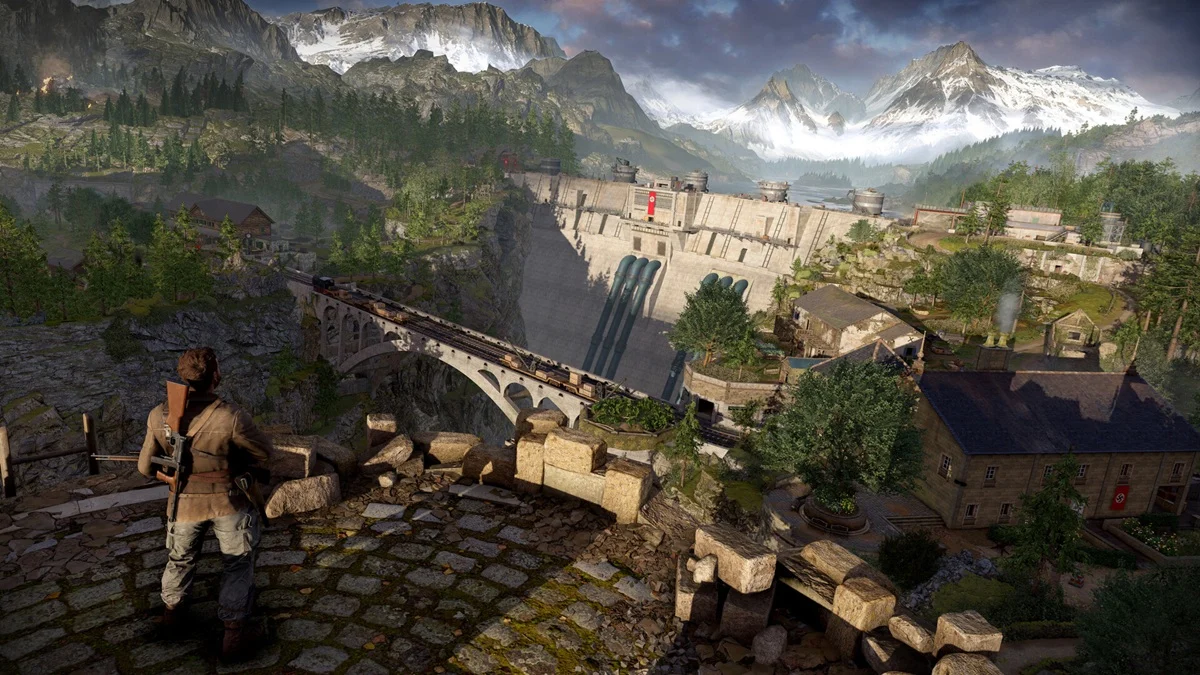
At the center of this controversy is Sniper Elite: Resistance, which debuted as a monthly free game for PlayStation Plus Essential subscribers on September 1, 2026. Because Essential games remain playable as long as an individual maintains an active subscription, claiming this title adds it to a user’s library under a permanent, subscription-tied ownership model.
However, the complication arises when the game is simultaneously or subsequently added to the PlayStation Plus Extra and Premium game catalogs. If a user who has already claimed the game via Essential navigates to the Extra catalog and chooses to download or stream the title from there, the PlayStation Network (PSN) backend frequently replaces the permanent Essential license with a temporary Extra catalog license.
This seemingly minor administrative switch carries severe consequences:
- The Permanent Loss of Ownership: Essential games are yours to keep forever, provided your subscription remains active. Extra and Premium catalog games are strictly temporary and are rotated out of the service periodically.
- The Override Mechanism: Downloading a game from the Extra catalog after claiming it on Essential triggers a license overwrite.
- Post-Expiration Lockout: Once Sniper Elite: Resistance eventually leaves the Extra and Premium lineups, players who fell into this trap will find themselves locked out of the game entirely. Because their permanent Essential license was overwritten, the console treats them as no longer owning the game, forcing them to purchase it outright if they wish to continue playing.
While PlayStation customer support has occasionally intervened to restore licenses for affected users in the past, a resolution is notoriously inconsistent and never guaranteed, leaving many players at the mercy of support agents and rigid system algorithms.
Chronology of the Issue: How the Sniper Elite: Resistance Conflict Unfolded
Understanding how this technical oversight manifests requires looking at the rollout timeline for September 2026 and how Sony’s network infrastructure processes multi-tier ownership.
Phase 1: The Essential Release (September 1, 2026)
Sniper Elite: Resistance launched globally as one of the headline monthly games for PlayStation Plus Essential subscribers. Millions of players across PlayStation 5 and PlayStation 4 added the tactical shooter to their libraries, locking in their permanent entitlements. For many, this was a straightforward transaction typical of the service’s long-standing monthly drops.
Phase 2: The Extra Catalog Rollout (Mid-September 2026)
As part of the rotating additions for the mid-tier service, Sniper Elite: Resistance was scheduled to join the PS Plus Extra and Premium libraries. The game rolled out across various international regions throughout the month. Notably, due to regional licensing schedules, the game hit the Extra catalog in most territories earlier in the month, while scheduled for release in major markets like the United States, the United Kingdom, and Japan on September 29.
Phase 3: The Trap is Sprung
As players browsed their dashboards, the PlayStation Store often prominently featured the game as part of the Extra catalog, prompting users to click "Download." For those who had already claimed the Essential version weeks prior, the system did not cross-reference their existing permanent license. Instead, it treated the Extra download as a priority action, silently swapping the entitlements in the background.
Supporting Data: The Historical Context of the "License Plague"
This is not a newly discovered phenomenon; rather, it is the continuation of a systemic issue that has plagued the PlayStation Plus service since Sony overhauled its tiered subscription model in the summer of 2022.
Industry analysts and consumer advocates have tracked this architectural flaw for years, dubbing it the "License Plague." Data collected from community troubleshooting forums, Reddit boards, and customer service logs reveal distinct patterns regarding how the PlayStation Network handles overlapping digital rights:
- The Scale of the Problem: Thousands of users have reported similar incidents involving high-profile titles over the last four years, including games like Remnant: From the Ashes, Middle-earth: Shadow of War, and various indie darlings that crossed over from monthly freebies to catalog staples.
- The UI Blind Spot: The PlayStation 5 and PlayStation 4 user interfaces notoriously fail to display which specific license type is currently active on a user’s account. When looking at a game tile, the system simply shows "Play" or "Download," offering no visual warning that downloading a catalog version will overwrite an Essential entitlement.
- Regional Discrepancies: Because catalog additions often stagger by region (as seen with the US, UK, and Japanese markets receiving Sniper Elite: Resistance later than other territories), the window for confusion remains open for weeks, catching returning players off guard as new batches of users gain access to the Extra library.
Official Responses: Silence and Reactive Troubleshooting
Despite years of public outcry and detailed bug reports submitted by frustrated consumers, Sony Interactive Entertainment has yet to implement a permanent, automated software fix to prevent license overwriting at the server level.
The Customer Support Gauntlet
When users discover they have fallen victim to the license swap, their only recourse is to contact official PlayStation Support. Accounts of these interactions paint a frustrating picture:
- Inconsistent Outcomes: Some users report that sympathetic support agents manually investigated their account history, verified their initial Essential claim date, and successfully restored their permanent license.
- Denials and Dismissals: Conversely, many other players have been told by automated bots or frontline support staff that the system views the purchase history as valid and that no error has occurred, leaving them effectively stranded.
- The Purchase Requirement: In the worst-case scenarios, users have been told that the only way to regain access to a game they originally got for "free" via Essential is to buy it at full retail price once it leaves the Extra tier.
Sony’s official stance continues to rely on reactive troubleshooting rather than proactive architectural changes, placing the burden of license management squarely on the shoulders of the consumer.
Implications for Subscribers and the Future of Subscription Gaming
The persistence of the PlayStation Plus license bug highlights broader structural challenges facing subscription-based gaming models as they grow in complexity.
1. Consumer Rights and Digital Ownership
As the industry shifts decisively away from physical media and toward digital-only ecosystems, consumer trust becomes heavily dependent on transparent license management. When a platform holder’s backend systems actively degrade a user’s ownership rights—converting a permanent entitlement into a temporary rental without clear warning—it undermines consumer confidence in digital libraries. Gamers are paying premium prices for tiered services, and they reasonably expect the platform to protect their assets rather than jeopardize them.
2. The Need for UI/UX Transparency
The solution to this issue is technically straightforward, though it requires investment from Sony’s engineering teams. The PlayStation Store interface desperately needs a dynamic license indicator. If the UI clearly displayed labels such as "Owned via PS Plus Essential (Permanent)" versus "Accessible via PS Plus Extra (Expiring)", users would be far less likely to make accidental mistakes. Furthermore, implementing a backend safeguard that prioritizes permanent licenses over temporary catalog licenses would eliminate the problem entirely.
3. Best Practices for Subscribers
Until Sony updates its network architecture to prevent these automated overwrites, subscribers must take matters into their own hands to protect their digital libraries. Industry experts recommend the following precautions:
- Check Before You Download: Always verify your transaction history before downloading a game that appears in both the Essential monthly lineup and the Extra/Premium catalog.
- Prioritize Essential Claims: Ensure you have officially claimed monthly free games through the Essential tab on the exact day they drop, securing the permanent license before browsing the broader catalog.
- Avoid Extra Downloads for Owned Games: If you already own a game via Essential, avoid interacting with its Extra catalog tile entirely. If the game is already installed from your Essential claim, clicking the catalog tile may prompt an unnecessary reinstall or license shift.
As services like PlayStation Plus continue to evolve, bridging the gap between convenience and consumer protection remains a paramount challenge. Until then, players diving into tactical shooters like Sniper Elite: Resistance must navigate the digital storefront with extreme vigilance to ensure the games they claim today remain in their libraries for years to come.

