

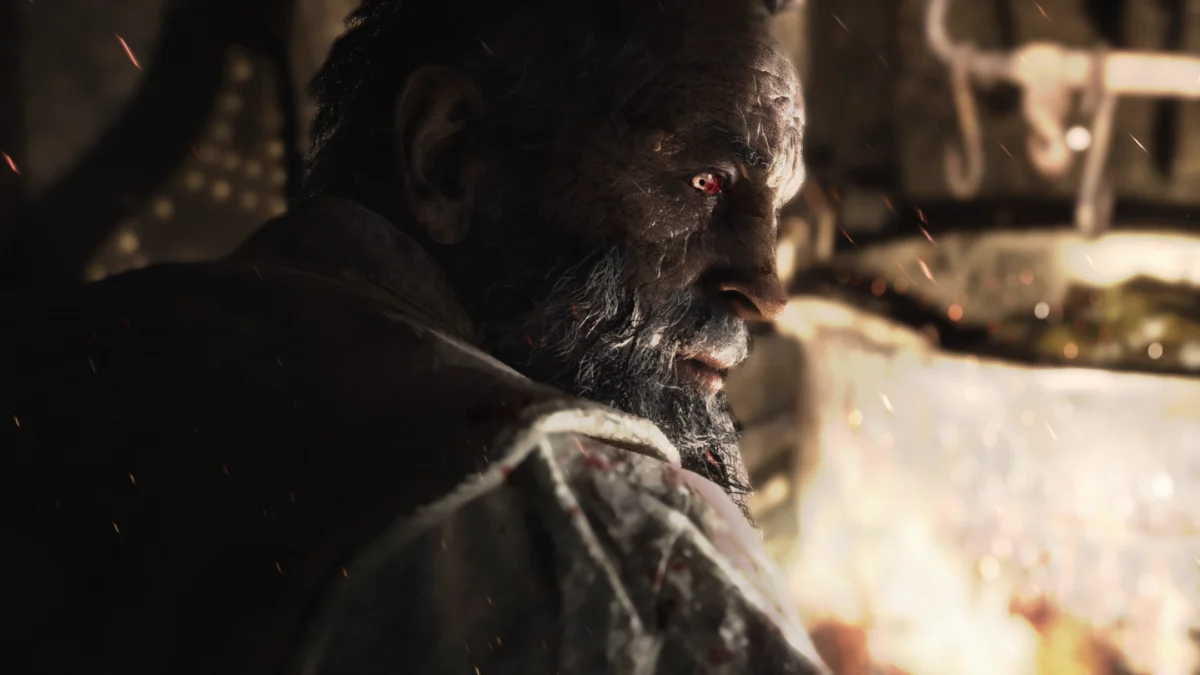
In the age of modern fandom, the loudest voices often dictate the perceived consensus, turning even the most promising projects into battlegrounds for intellectual property purists. Zach Cregger’s upcoming Resident Evil film has become the latest flashpoint in this recurring cultural skirmish. Despite trailers that suggest a chilling, atmospheric return to form for the franchise, a vocal subset of the community is already sharpening its knives, citing “lore inaccuracies” and narrative deviations as grounds for preemptive rejection.
The core of the frustration stems from the film’s premise: it is designed to run parallel to the events of Resident Evil 2 rather than serving as a frame-by-frame adaptation of the source material. By operating alongside established canon without explicitly pulling the levers of iconic characters like Leon Kennedy or Claire Redfield, the film is taking a risk that some fans view as an affront. Yet, to demand a literal transcription of a video game into a cinematic medium is to misunderstand the very nature of storytelling—and perhaps, to ignore the history of the Resident Evil franchise itself.
The Chronology of Change: How Capcom Redefined Its Own Canon
The argument that a Resident Evil adaptation must be shackled to the exact chronology and rules of the games ignores a fundamental truth: the games themselves are not a static, immutable bible. Capcom has, for years, treated the Resident Evil universe as a fluid, evolving entity, willing to rewrite history when it serves the narrative’s survival-horror DNA.
Consider the evolution of Resident Evil 4. In the original 2005 release, the mercenary Jack Krauser was an agent of Albert Wesker, tasked with infiltrating the cult to secure a sample of the Las Plagas parasite. In the 2023 remake, however, his allegiance was shifted to the antagonist Osmund Saddler. This wasn’t merely a stylistic choice; it was a structural necessity. By tethering Krauser directly to Saddler, the developers were able to heighten the mystery and menace of the villain, keeping him in the shadows until the third act. Had the game adhered strictly to the original script, the plot would have reached an abrupt, anti-climactic resolution far too early.
Similarly, the Resident Evil 3 remake saw a dramatic shift in the death of S.T.A.R.S. member Brad Vickers. In the original, he met his end at the hands of the Nemesis, a moment etched into the collective memory of the fanbase. The remake, however, chose to have him succumb to a standard zombie bite while sacrificing himself for Jill Valentine. These changes were not "failures" of loyalty to the lore; they were deliberate creative decisions meant to enhance pacing, emotional stakes, and modern storytelling standards.
Supporting Data: When ‘Vibes’ Outweigh Manuals
The apprehension regarding Cregger’s film often centers on the potential for "liberal interpretations" of the T-Virus. Critics fear that deviating from the established biological mechanics of the virus undermines the series’ foundation. However, history suggests that the "vibe"—the specific, claustrophobic, and dread-soaked atmosphere—is far more vital to a Resident Evil project’s success than a granular adherence to scientific minutiae.
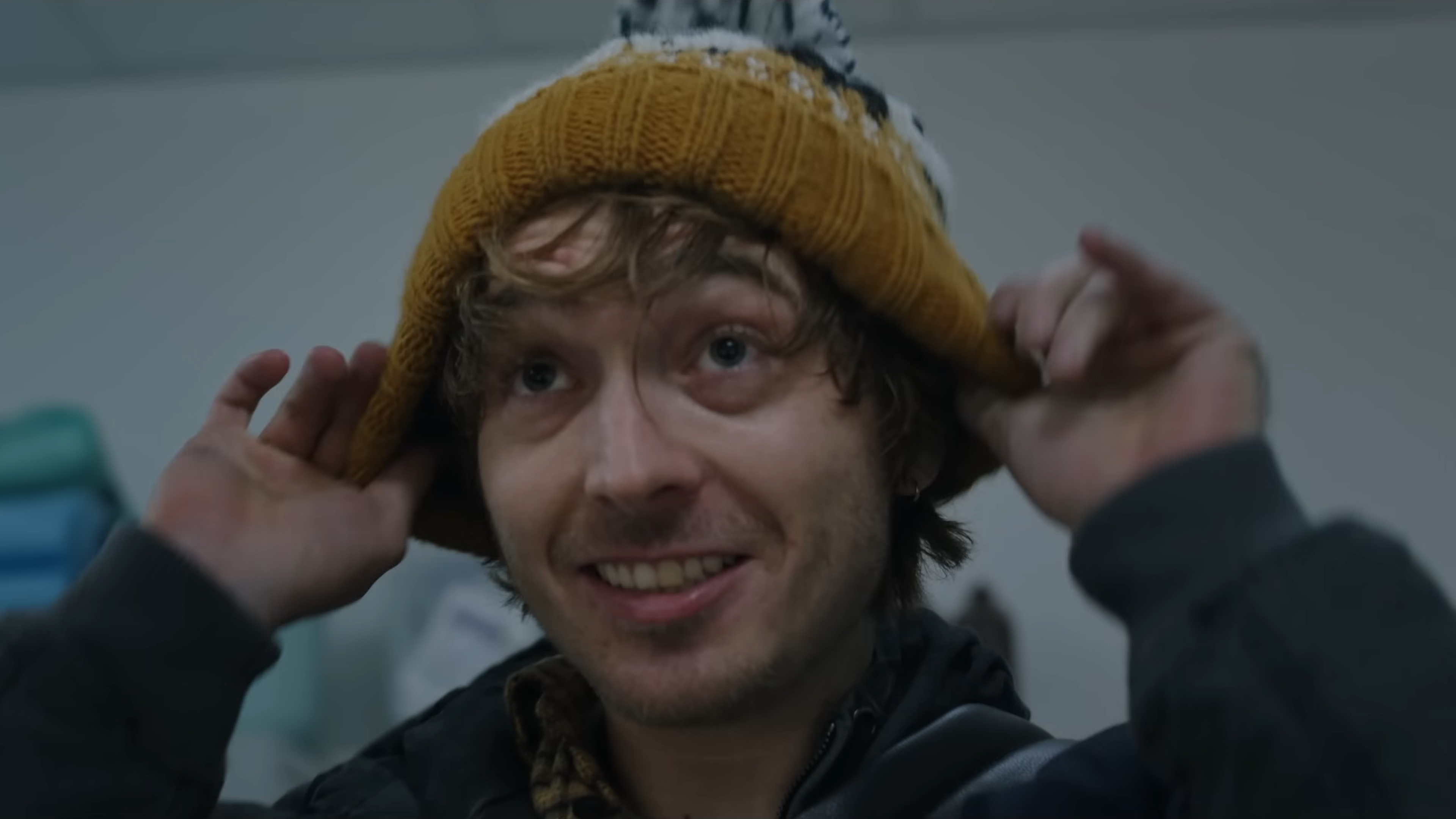
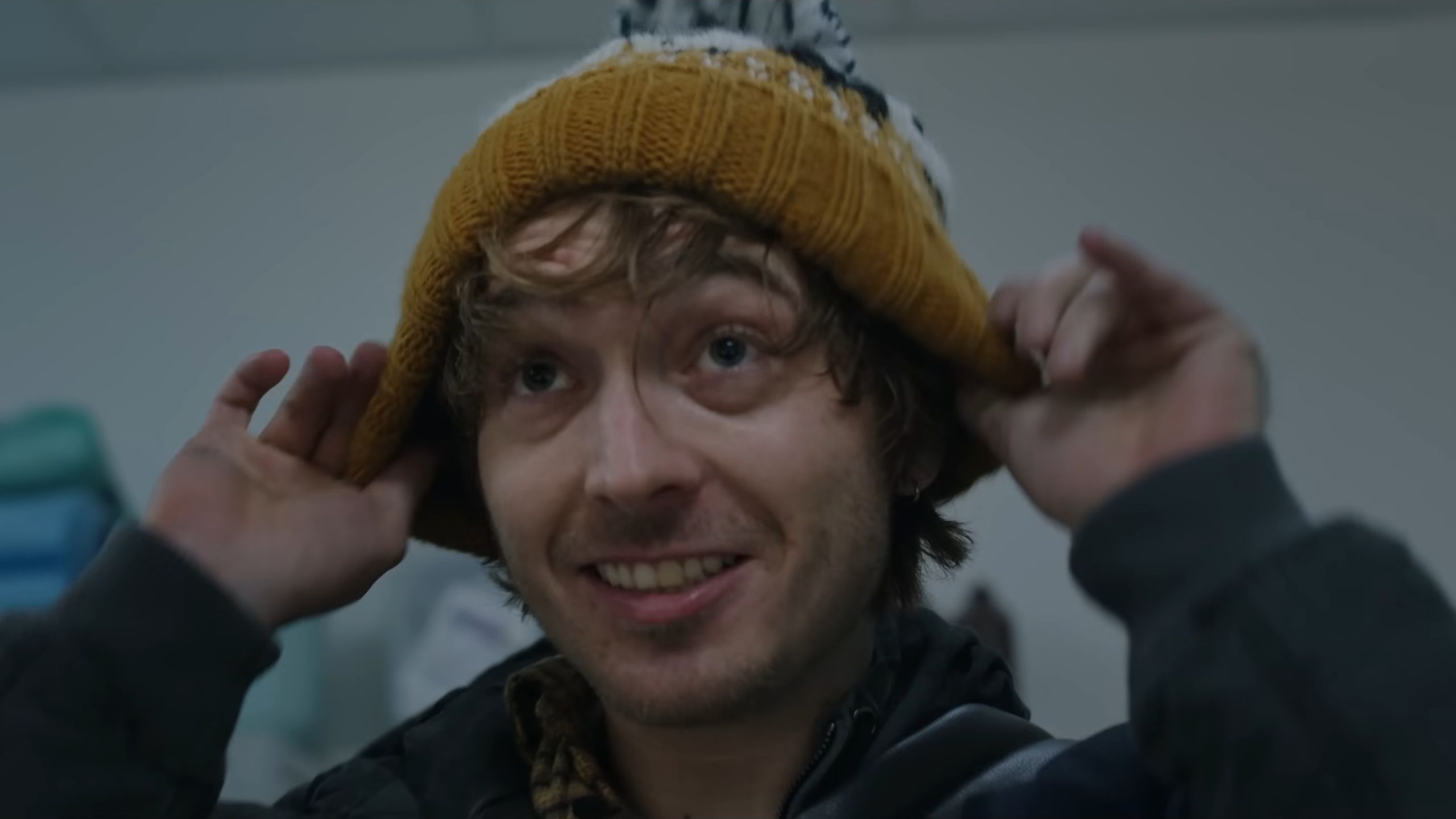
Take the recent, albeit experimental, Resident Evil Requiem. While it drew from the Outbreak spin-off series, it frequently contradicted the core timeline established in the Resident Evil 2 and 3 remakes. It toyed with the concept of the T-Virus, suggesting that the infected could retain "echoes" of their past lives, leading them to reenact mundane tasks like cleaning or cooking, even in their reanimated states. While this could be dismissed as a radical departure, it serves to heighten the horror, turning the monsters into tragic, uncanny reminders of their former humanity.
The franchise’s most recent entries have thrived precisely because they aren’t afraid to innovate. The introduction of clones and the radical recontextualization of series icons like Oswell E. Spencer prove that as long as the core essence of survival horror is preserved, the audience is willing to follow.
The Cregger Factor: A Proven Horror Pedigree
Zach Cregger’s appointment as the architect of this new vision is not a decision made in a vacuum. With a directorial history that includes the masterfully tense Barbarian and the upcoming Weapons, Cregger has established himself as a filmmaker who understands the mechanics of fear.
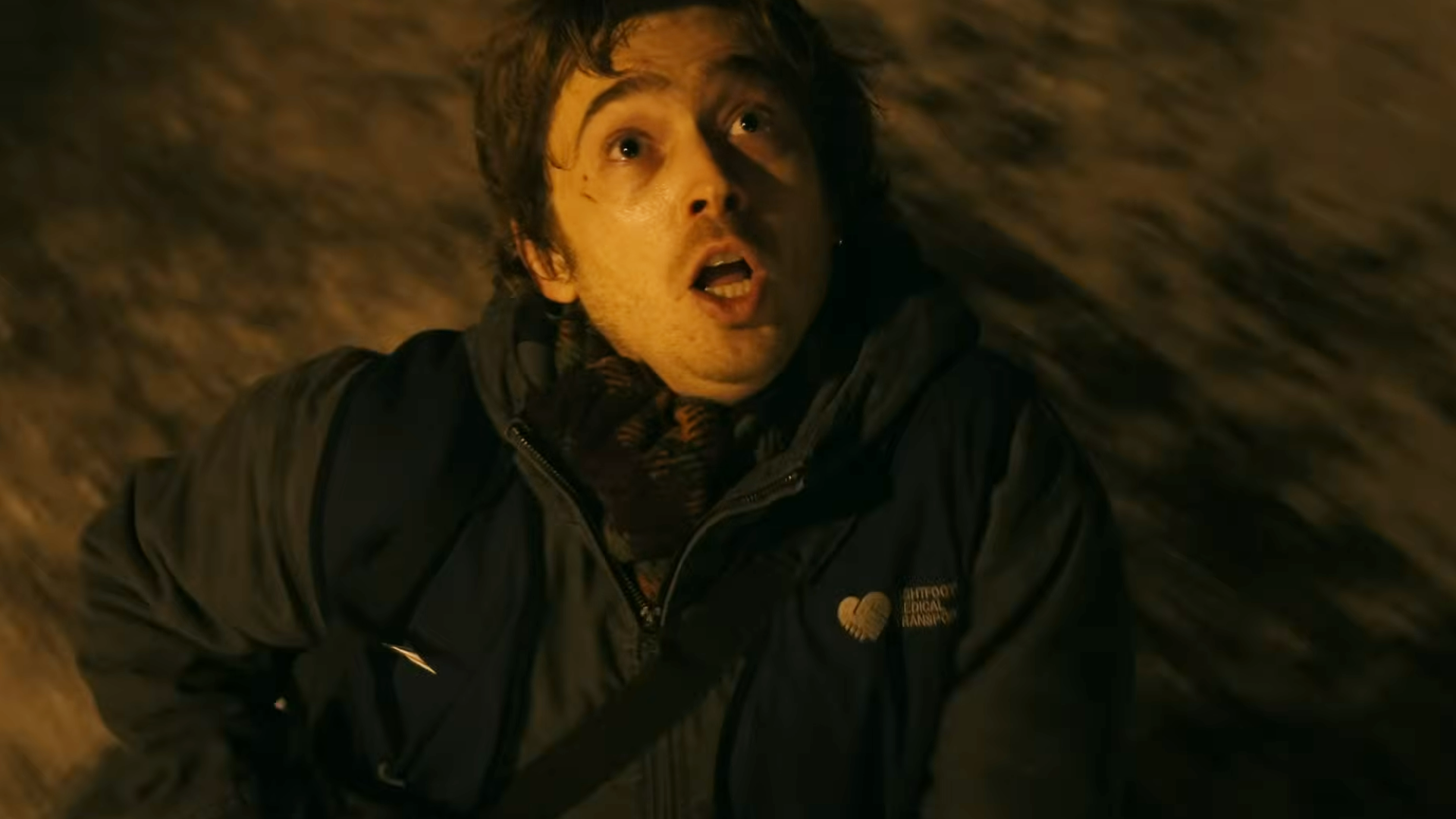
His filmography is characterized by a deep respect for the audience’s intelligence, a willingness to subvert tropes, and an uncanny ability to craft scenes that linger long after the credits roll. If any director has the capacity to translate the "vibes" of Raccoon City—the feeling of being hunted in a space that is both familiar and fundamentally broken—it is Cregger.
To hold his film to an impossible standard of "lore accuracy" is to preemptively hobble a creator who has demonstrated a clear, visceral understanding of what makes horror work. The film industry has spent years scarred by the legacy of the Paul W. S. Anderson Resident Evil films, which leaned into action-heavy spectacles that largely ignored the source material’s roots. Cregger represents a shift in philosophy: a director who wants to honor the spirit of the game without being chained to its pixelated past.
Implications for the Future of Adaptation
The broader implication here is the future of game-to-film adaptations. If fans continue to demand 1:1 fidelity, we risk trapping ourselves in a cycle of stagnation. Cinema and gaming are fundamentally different mediums; what works as a satisfying loop of gameplay mechanics—such as inventory management or specific boss-fight patterns—does not always translate to a two-hour narrative experience.
The success of recent adaptations, such as HBO’s The Last of Us or the Fallout television series, stems from a willingness to expand, modify, and interpret the lore rather than merely copying it. They understand that to be "true" to the source material means to capture the emotional intent of the original work, even if the road taken to reach that intent is entirely new.
Conclusion: A Plea for Patience
It is easy to find the flaws in a project before it has been released. It is harder to grant a creator the space to build something unique within a beloved sandbox. As it stands, the community should perhaps temper its desire for "perfection" and embrace the possibility of a fresh perspective.
Leo Tolstoy famously wrote, "If you look for perfection, you’ll never be content." This holds especially true for adaptations of beloved media. We have the opportunity to see a filmmaker with a distinct, proven voice take on one of the most iconic horror franchises in history. Whether the film succeeds or fails, it deserves to be judged on its own merits—on its cinematography, its pacing, its scares, and its narrative cohesion—rather than on its proximity to a decade-old game manual.

Ultimately, the goal of any adaptation should be to capture the essence of the experience. If Cregger can deliver the dread, the isolation, and the sheer terror that defines Resident Evil, the specific origins of the T-virus or the precise timeline of Raccoon City’s fall will matter very little. For now, we wait. We wait, not for a perfect copy of the past, but for a new, terrifying vision of the future. The survival of the franchise depends not on the rigidity of its lore, but on its ability to evolve, terrify, and surprise us once again.

