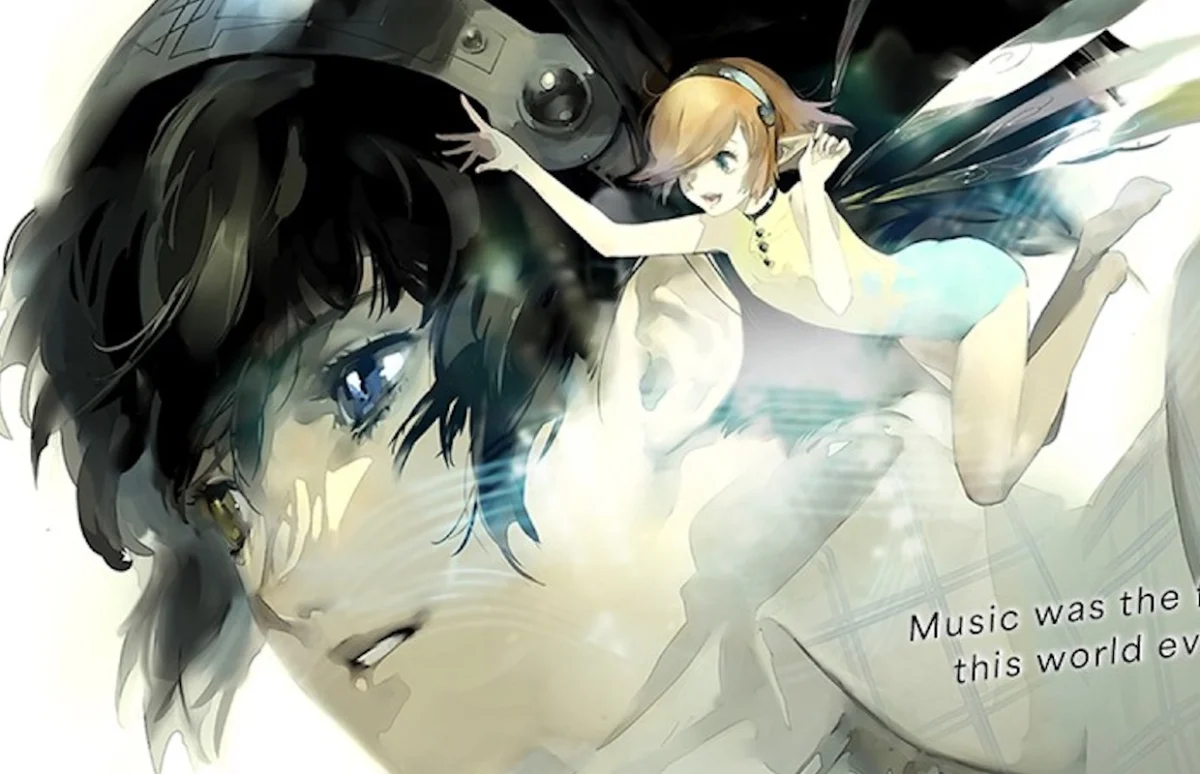
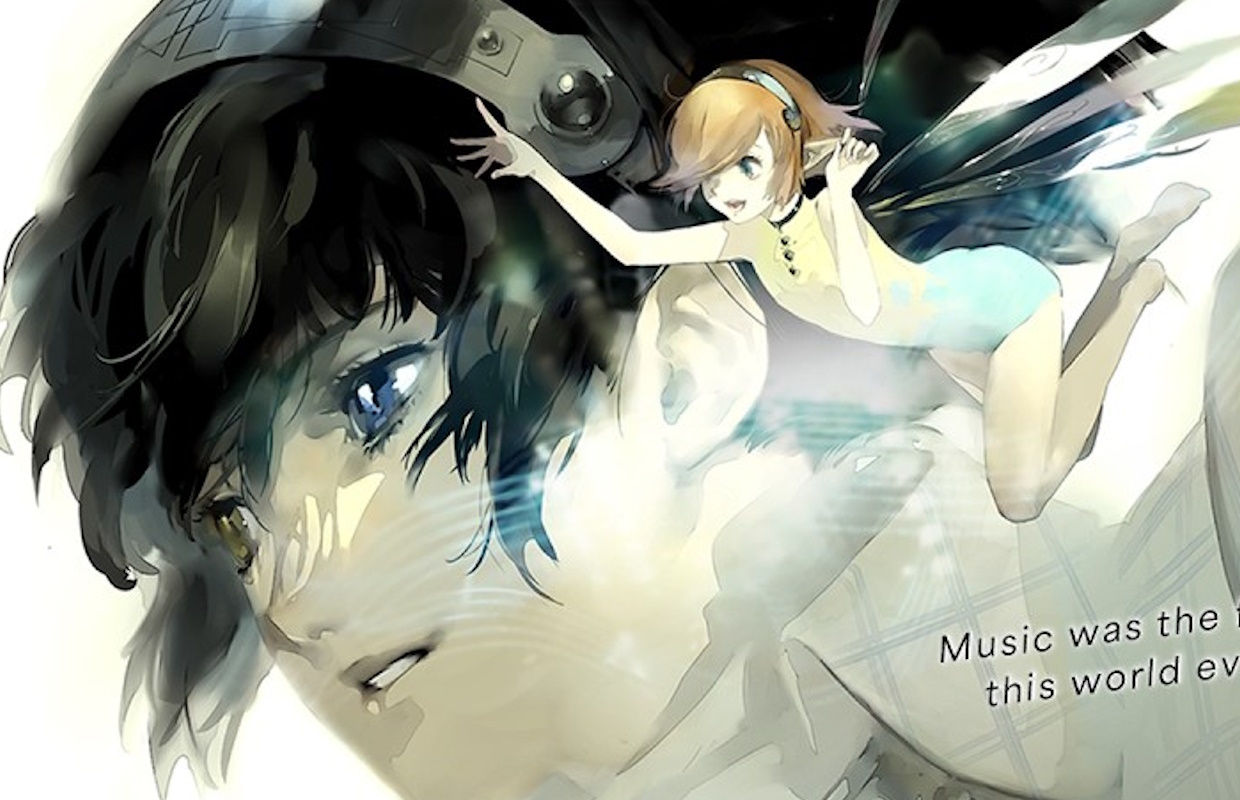
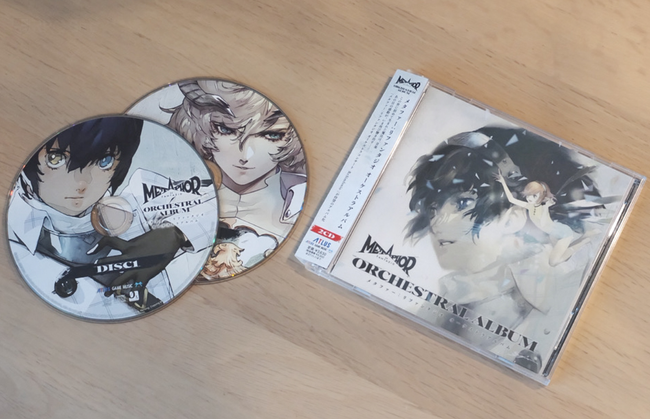
When Atlus released Metaphor: ReFantazio in 2024, the acclaimed role-playing game immediately captivated players with its sprawling fantasy vistas, high-stakes political narrative, and, perhaps most notably, its striking musical identity. Stepping away from the modern urban acid jazz of Persona 5 and the upbeat pop anthems of Persona 4, legendary composer Shoji Meguro pivoted toward a grounded, heavily orchestral, and deeply mystical soundscape.
The resulting soundtrack—defined by its rhythmic, ritualistic chanting, sweeping town melodies, and the driving pulse of the Gauntlet Runner travel anthems—has now transcended the virtual realm. Metaphor: ReFantazio is embarking on an extensive orchestral world tour. Featuring a hand-picked setlist performed by a full live orchestra alongside powerful vocalists, the concert series kicks off on October 6 in Chicago, Illinois, before journeying to global cultural hubs including Los Angeles, Taiwan, London, and Paris.
In an exclusive interview ahead of the tour, Meguro opened up about the creative hurdles of designing a fantasy score, the mechanics behind the game’s iconic battle themes, and his decades-long collaboration with director Katsura Hashino.
Chronology: From Concept to Concert Stage
The musical journey of Metaphor: ReFantazio did not begin in an auditorium; it started in the conceptual writers’ rooms of Atlus.
Early Development: Long before the game’s release, composer Shoji Meguro sat down with director and producer Katsura Hashino to establish the sonic blueprint of the world of Euchronia. Unlike past collaborations where Meguro was given near-total creative autonomy, Hashino offered a specific early mandate: the score needed to be orchestral and classically fantastical, yet retain the signature, sharp edge characteristic of Atlus titles.
Mid-Development Evolution: As the game’s scope expanded, Hashino’s direction evolved alongside it, famously pushing Meguro to scale up the compositions with feedback as simple yet demanding as, "Make it bigger! Bigger!"
The 2024 Release:Metaphor: ReFantazio launched to critical and commercial acclaim, with critics and fans alike singling out the soundtrack as a masterclass in video game audio design. Tracks like the atmospheric music of Virga Island immediately resonated with players, matching Meguro’s pre-release predictions.
The 2025–2026 Orchestral World Tour Announcement: Capitalizing on the game’s massive global footprint, Sega and Atlus announced a high-profile orchestral tour.
October 6 (Upcoming): The tour officially premieres live in Chicago, Illinois, setting the stage for international dates across North America, Europe, and Asia.
Supporting Data and Production Insights
Translating a video game score built for dynamic, non-linear gameplay into a fixed, narrative-driven live concert required intense collaboration between Meguro and various arrangers.
The Challenge of Variable Battle Lengths
One of the most fascinating technical hurdles Meguro faced during the creation of Metaphor was the pacing of its encounters. In traditional JRPGs, battle lengths can often be tightly controlled, allowing composers to loop tracks predictably. However, Metaphor: ReFantazio features combat encounters of wildly varying lengths.
"One of the challenges with Metaphor was that the length of each battle could vary quite a bit," Meguro explained. "Because of that, I had a difficult time figuring out how to structure the music and determine the appropriate length for each track."
The Inspiration Behind the Battle Chants
Perhaps the most memorable element of the game’s audio profile is its distinct battle theme, which prominently features striking, rhythmic vocalizations. This sound was born out of a desire to mirror the religious structures and spiritual atmosphere of Euchronia. Meguro sought an analog to Japanese Buddhist sutras, leading him to collaborate with vocalist Keisuke Honryo. By incorporating these ritualistic, human-driven chants, Meguro bypassed standard orchestral tropes to deliver something that felt genuinely ancient and alien yet profoundly moving.
Respect for the Original Arrangement
When asked about hearing his compositions translated to a live symphonic space, Meguro expressed deep gratitude toward the arrangers. Rather than clashing with a live orchestra, the electronic and hybrid elements of the original game seamlessly translated to acoustic instruments. Meguro noted a profound appreciation for how the arrangers handled woodwinds and minute details, admitting that studying their meticulous scores provided him with invaluable lessons for his future composition work.
Official Responses and Creative Philosophy
Shoji Meguro is a titan of video game composition, largely due to his distinct philosophy on originality and his enduring professional synergy with Katsura Hashino.
Unlike Persona 5, which openly wore its musical influences on its sleeve—drawing heavily from the early funk-acid jazz styles of Jamiroquai and Space Cowboy—Meguro approached Metaphor: ReFantazio with a strict desire to avoid derivative comparisons.
"With Persona 5, there was clearly an intention to create music influenced by Jamiroquai… but with my other works, I haven’t intentionally drawn inspiration from any particular artists," Meguro stated. "In fact, if any of my music has been interpreted as being influenced by a specific artist, I would honestly find that rather unfortunate. I’m always striving to create music that has a strong sense of originality."
This drive for originality heavily fuels his ongoing partnership with Katsura Hashino. Having worked together across multiple generation-defining franchises, their dynamic relies on mutual respect and a desire for creative disruption. Rather than simply fulfilling briefs, Meguro views his role as an active challenger to Hashino’s vision.
"What I’m always thinking about when creating a project is how I can add something extra to Hashino-san’s work. I’m constantly thinking of different ways to do that and hopefully surprise him."
Implications for the Future of Atlus Soundscapes
The launch of the Metaphor: ReFantazio orchestral world tour marks a significant milestone not just for the game, but for Atlus as a whole. It signals that the publisher’s fantasy intellectual property holds the same cultural weight and musical reverence as its flagship Persona series.
For Meguro, the experience of adapting Metaphor’s complex, symphonic structures has permanently shifted his creative toolkit. The precision required to balance variable battle lengths, the lessons learned from orchestral arrangers regarding woodwind arrangement, and the successful integration of sacred, chant-based vocal performances will undoubtedly cast a long shadow over his future projects.
As fans pack concert halls from Chicago to London, they aren’t merely listening to video game music—they are bearing witness to the maturation of a composer who continues to redefine what an interactive fantasy world can sound like. Whether Metaphor: ReFantazio expands into a long-running franchise or remains a standalone epic, its musical legacy is now firmly cemented in the global orchestral canon.