

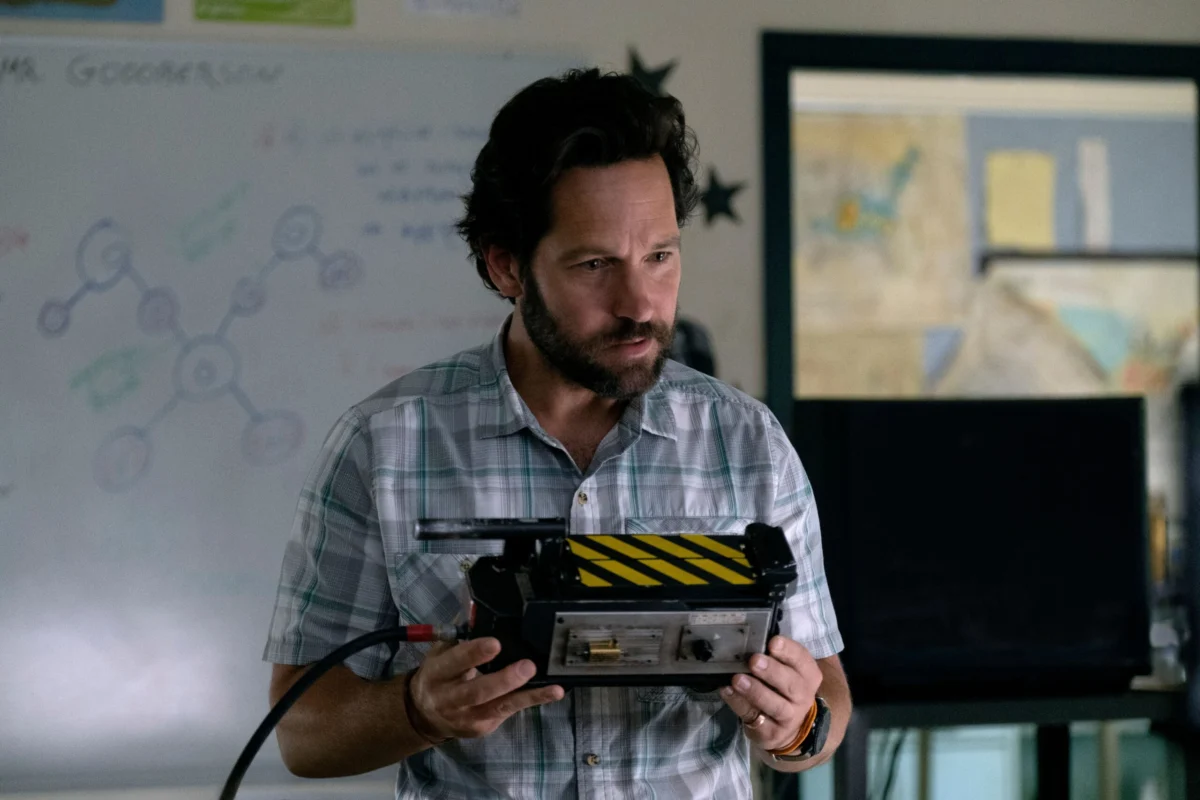
For decades, the Ghostbusters franchise has operated in two distinct timelines: the legendary exploits of the 1980s New York team and the modern-day revitalization seen in Ghostbusters: Afterlife (2021) and Ghostbusters: Frozen Empire (2024). However, a cavernous, decades-long narrative gap has existed between these eras—a "lost period" that has long fascinated fans. That mystery is finally set to be solved.
At the 2026 Annecy Festival, showrunners Gil Kenan and Jason Reitman officially pulled back the curtain on the highly anticipated Netflix animated series, Ghostbusters: Night Shift. Set firmly in the mid-1990s, the series promises to act as the narrative connective tissue that explains the transition from the original team’s heyday to the derelict firehouse era inherited by the Spengler family.
The Core Objective: Solving the Mystery of the 90s
When Afterlife first hit screens, audiences were introduced to a world where the Ghostbusters had become urban legends, their gear gathering dust and their once-iconic firehouse a relic of a bygone age. Ray Stantz provided the initial breadcrumbs, hinting at the internal fractures that caused the team to disband and retreat into obscurity.
"We became very curious about the mystery of the 1990s and ghostbusting," Gil Kenan explained to attendees at Annecy. "We set it up a little bit in Afterlife, when Ray gives a little context about where everyone is and that they’ve gone their separate ways, but it felt like there was not just a big story to tell, but a lost part of the legend of ghostbusting."
Ghostbusters: Night Shift is designed to bridge this gap. By focusing on 1994—a pivotal year for New York City’s cultural and social evolution—the series will document the decline of the original business and the emergence of a new, gritty underground movement tasked with containing the supernatural.
Chronology: From the Peak of the 80s to the Silence of the 2000s
To understand the significance of Night Shift, one must look at the timeline of the franchise:
- 1984–1989: The original films capture the rise, fall, and brief resurgence of the Peter Venkman, Ray Stantz, Egon Spengler, and Winston Zeddemore era.
- 1994 (The Night Shift Era): The new series will explore this transitional period. It is here that the original firehouse begins its slide into history, and a new group of characters—outsiders disconnected from the original team—must step up to fill the void.
- 2021–2024: The Afterlife and Frozen Empire timeline, where the legacy of the original team is rediscovered by a new generation.
By placing the series in 1994, the showrunners have chosen a year that serves as a cultural pivot point for New York. It was a time of transition, where the "grimy" 80s aesthetic was beginning to give way to the more polished, commercialized version of the city, yet the raw, DIY energy of the punk scene was still alive in the boroughs.
The Aesthetic and Cultural Shift
The creative team behind Night Shift, including co-showrunners Elliott Kalan and Ben Hibon, emphasized that the series will be heavily influenced by the 1990s New York punk scene. This is not just a stylistic choice; it is thematic.
"That’s the last moment when the old, smelly New York becomes the cleaned-up, still-smells-but-it’s-a-richer-city New York," says Kalan. "We want to be in that New York of punk culture."
The show’s visual identity reflects this philosophy. The iconic "No-Ghost" logo has been redesigned to evoke the look of a photocopied, DIY band flyer, complete with jagged lines and distressed textures. The soundtrack is expected to lean heavily into the grunge and punk sounds of the era, mirroring the scrappy nature of the new protagonists.

"1994 is an incredibly exciting year for everything in New York," adds Ben Hibon. "It’s music, culture, and so much creativity coming together, and so many smells. It’s a sensory experience we want to bring to the audience."
Character Dynamics: The Scrappy Outsiders
While the series is tied to the cinematic timeline, it will not revolve around the original four characters. Instead, it introduces a new group of heroes who stumble into the world of the supernatural without a roadmap.
"Ghostbusters has always been about punching up," Kenan notes. "It’s always been about outsiders who have to be scrappy and find a way in spite of the system to save the city or save the world, and these characters are no exception."
These new ghostbusters lack the institutional knowledge of the original team. They are forced to be inventive, building their own solutions to supernatural threats while navigating a city that is actively hostile toward their existence. The show will feature a "villain-of-the-week" format that allows for creative creature design, while maintaining a serialized, "meaty" narrative arc that links the season’s events to the broader franchise lore.
Implications for the Broader Franchise
The decision to expand into the 90s suggests that Sony and Netflix are treating the Ghostbusters universe with the same depth as other major cinematic franchises. By filling in the "lost era," the showrunners are essentially codifying the history of the ghostbusting profession.
This has several implications:
- Canon Expansion: The events of Night Shift will likely be referenced in future live-action films. If a character or a specific paranormal incident is mentioned in the show, it becomes part of the permanent history of the Afterlife timeline.
- Narrative Flexibility: If the 1994 setting proves successful, it opens the door for other "lost eras." There is still a significant gap between the 90s and 2021, and potentially even deeper history to be explored regarding the origins of the paranormal entities that haunt the series.
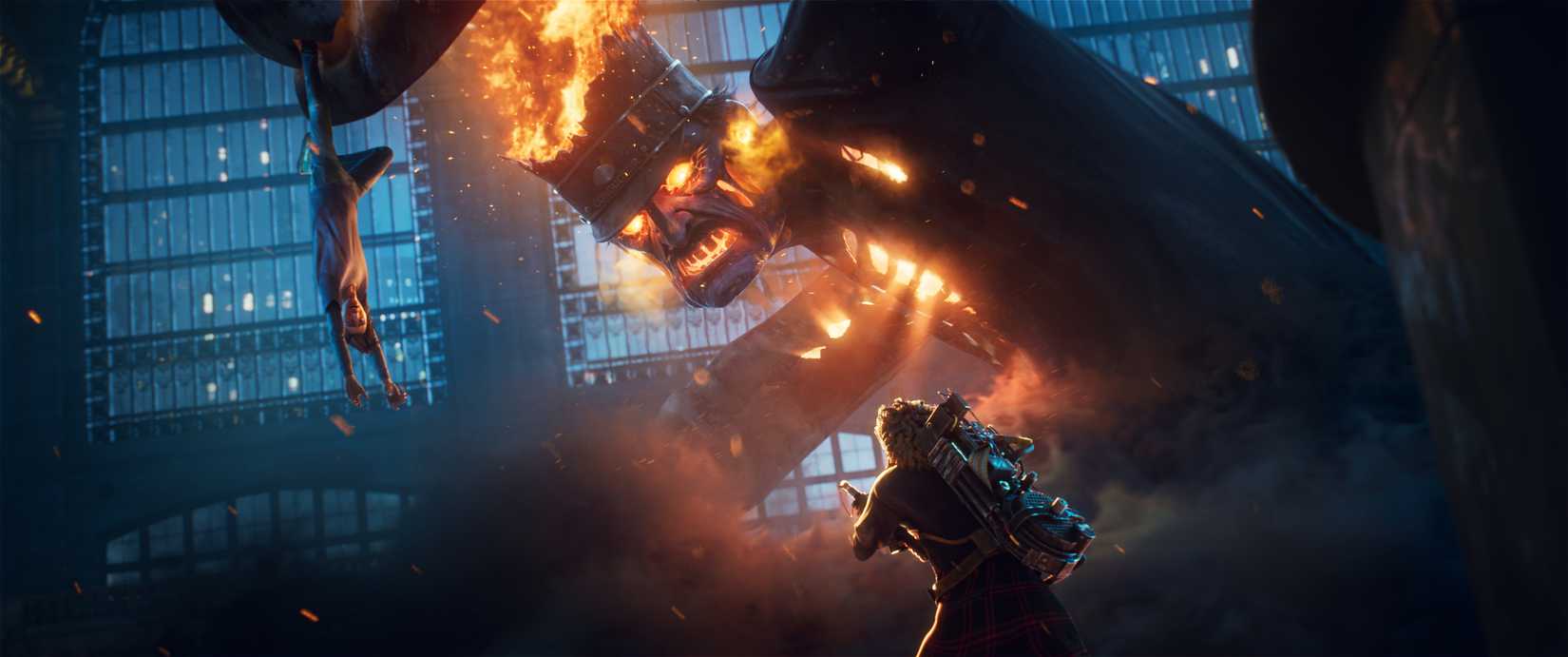
- Audience Retention: By moving to an animated format, the franchise can experiment with more surreal or terrifying visual effects that might be prohibitively expensive or tonally jarring in live-action, allowing for a more imaginative expansion of the Ghostbusters mythos.
Official Stance and Future Outlook
Gil Kenan and Jason Reitman have made it clear that they view Night Shift not as a side project, but as an essential chapter in the Ghostbusters legacy. Their involvement as co-writers and directors of the recent films ensures that the tone remains consistent with the emotional core of the franchise: a blend of comedy, heart, and high-stakes supernatural danger.
The series is currently in active production, with animation teams at Netflix working to capture the distinct, gritty 90s aesthetic of New York City. While specific casting news has yet to be announced, the focus remains on building a relatable, ground-level perspective of the ghostbusting business.
As for the future of the series beyond the first season, the creators remain optimistic. "We want the seasons to feel like real big, meaty, epic stories," Kenan said. If the audience connects with this 1994-era vision of the city, there is no shortage of stories to tell within this supernatural landscape.
Ghostbusters: Night Shift is slated for a 2027 premiere on Netflix. As the production moves forward, fans can expect more reveals regarding the specific characters who will be picking up the proton packs during this pivotal decade in New York City history. For now, the message is clear: the firehouse may have been quiet for a while, but the ghosts were never truly gone.

