

Main Facts: The "Definitive Subsistence" Mod Overhauls The Phantom Pain
For nearly a decade, fans of Konami’s legendary stealth franchise have debated the evolution of Metal Gear Solid. While the shift toward open-world environments and expansive base-building mechanics in Metal Gear Solid 5: The Phantom Pain and its predecessor Peace Walker brought unprecedented gameplay freedom, it also fundamentally altered the pacing and tension that defined the series’ roots.
Enter the modding community. A comprehensive new modification titled "Definitive Subsistence," created by modder mohtalgear, seeks to bridge the generational gap. By reintroducing the core concept of On-Site Procurement (OSP)—a philosophy central to the classic MSX2 titles and the seminal Metal Gear Solid trilogy—the mod strips away the luxury of pre-mission loadouts, forcing players to infiltrate enemy territory with virtually nothing and scavenge for their survival.
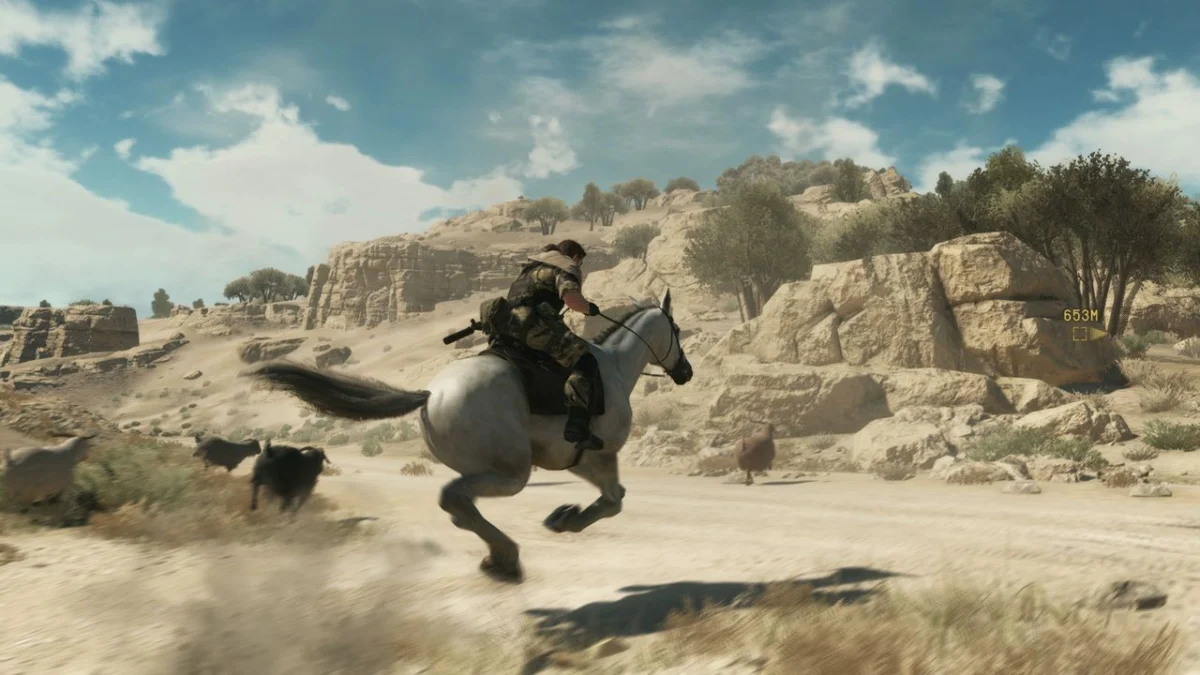
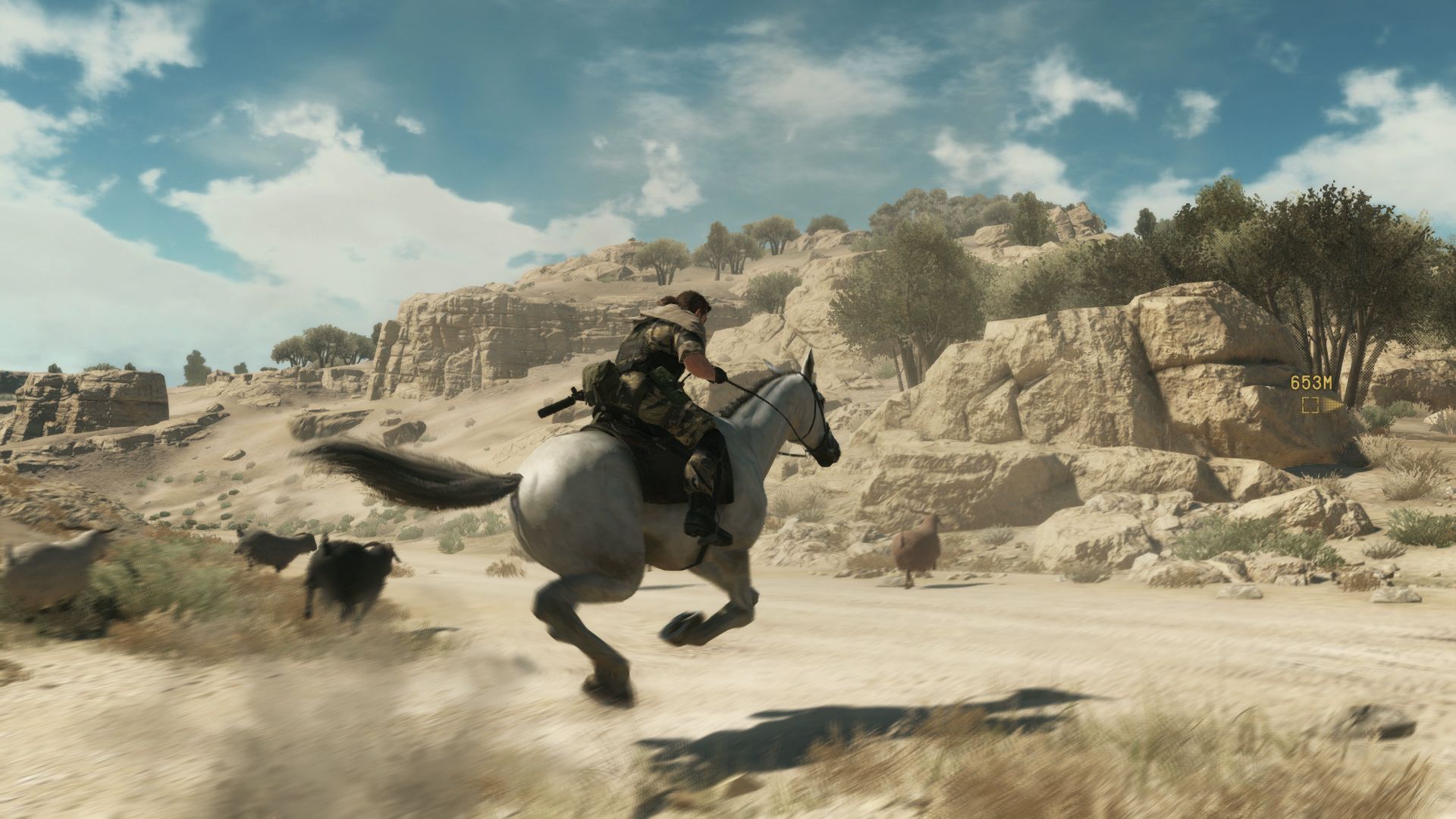
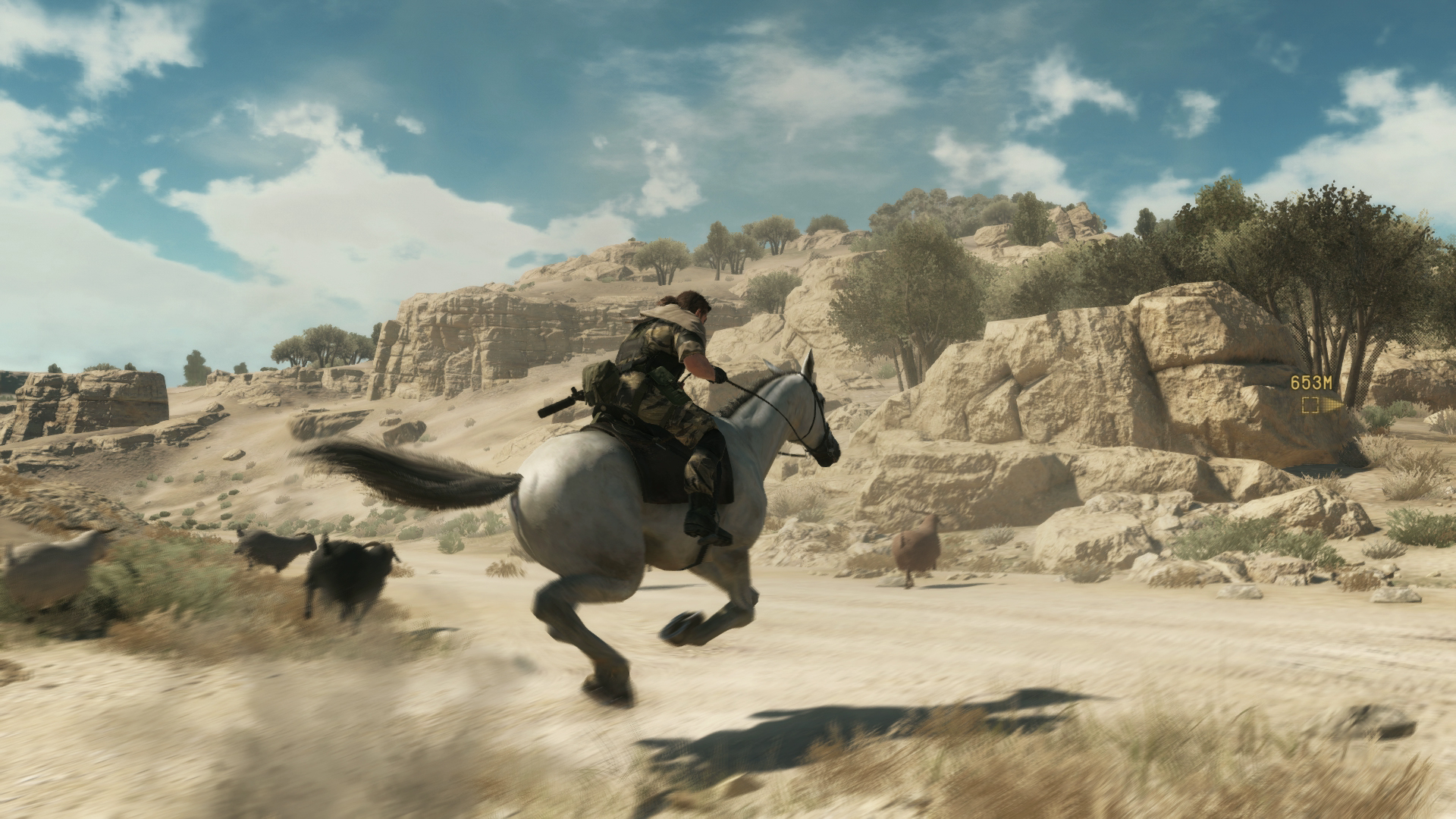
Historically, Metal Gear Solid 5 required players to equip a baseline weapon before deploying on any given mission, filling inventory slots to the brim with high-tech weaponry engineered at Mother Base. The "Definitive Subsistence" mod successfully removes this mandatory hurdle. It reworks the underlying mechanics of The Phantom Pain, allowing players to deploy empty-handed and rebuild their arsenal strictly from the resources found scattered across the rugged terrain of Afghanistan and the African borderlands.
Chronology: The Evolution of Infiltration From Shadow Moses to Mother Base
To truly understand the significance of the "Definitive Subsistence" mod, one must trace how the series handled player preparation and resource gathering across its multi-decade history.
The Era of Scavenging (1998–2004)
When Hideo Kojima released Metal Gear Solid on the original PlayStation in 1998, the game established a brilliant psychological and mechanical tension through OSP. Rookie-turned-veteran agent Solid Snake infamously infiltrated the nuclear disposal facility on Shadow Moses Island wearing little more than a diving suit. Every weapon—from the FAMAS assault rifle to the SOCOM pistol—alongside vital utilities like rations, thermal goggles, and keycards, had to be discovered in the field.
This design philosophy continued through Metal Gear Solid 2: Sons of Liberty and Metal Gear Solid 3: Snake Eater, though the latter introduced the survival viewer system for managing injuries and sustenance. In all these titles, ignorance of the map layout meant facing armed guards with your bare hands, emphasizing stealth, evasion, and tactical improvisation.
The Shift Toward Logistics (2010–2015)
The paradigm shifted notably with Metal Gear Solid: Peace Walker on the PlayStation Portable (later ported to consoles). The introduction of "Mother Base" transformed Snake from a lone operative into the commander of a private military company. Players could now develop and airdrop heavy weaponry, armored vehicles, and specialized support items directly into active zones.
This logistical loop reached its zenith in Metal Gear Solid 5: The Phantom Pain (2015). Backed by an advanced FOX Engine sandbox, Venom Snake possessed an overwhelming array of customizable weapons, buddy units, and air-support options. While this offered staggering gameplay variety, many veteran purists argued that it diminished the desperate, claustrophobic survival tension of the older games.
The Modding Renaissance (2024–Present)
Recognizing this dichotomy, community modder mohtalgear began developing tools to bend MGSV‘s open-world engine back toward its roots. Culminating in the recent release of the "Definitive Subsistence" mod and its anniversary updates, the project represents years of technical iteration by the community to bend Fox Engine’s rigid mission initialization parameters to fit a classic OSP framework.
Supporting Data: What the "Definitive Subsistence" Mod Changes
The "Definitive Subsistence" mod is far more than a simple loadout limiter; it is a holistic systemic overhaul that touches nearly every facet of Metal Gear Solid 5‘s sandbox design.
1. Dynamic On-Site Procurement
- Weapon Availability: Every base weapon in MGSV has been integrated into the open-world loot tables. Players can no longer rely on menus; instead, they must acquire firearms from neutralized enemies or scavenge them from outposts, tents, and armories.
- Revived Classic Mechanics: Guards will now drop their equipment when incapacitated or killed, directly mirroring the tactical loops of Shadow Moses and the Big Shell.
2. Expanded Support and Buddy Integration
- Tactical Radios: The mod introduces functional radios that allow players to call in support from companions such as D.Dog, D.Horse, or Quiet without relying on the standard deployment menu loop.
- Multiplayer Characters in Single-Player: For the first time in an open-world setting, players can step into the boots of multiplayer-exclusive characters like Revolver Ocelot and Quiet, expanding replayability across the main campaign maps.
3. Arsenal Enhancements
- New Gear: The mod injects previously inaccessible bionic arms and specialized weaponry into main missions, giving players novel tactical options to compensate for their lack of initial equipment.
- Flexible Playstyles: While the primary goal is pure OSP, the mod does not penalize players who prefer traditional tools; developed weapons from Mother Base can still be seamlessly integrated into the mission if desired.
Official Responses and Community Reception
The release of "Definitive Subsistence" has generated a wave of enthusiasm across PC gaming communities, Nexus Mods, and video-sharing platforms like YouTube. Metal Gear enthusiasts have long praised The Phantom Pain for its peerless mechanical fluidity, but criticism regarding its mission structure, plot pacing, and straying from traditional stealth tropes has persisted.
Community feedback highlights how the mod transforms familiar outposts—such as the Wakh Sind Barracks or Nova Braga Airport—into genuinely hazardous zones. Without a silenced, fully customized Tranq sniper rifle instantly accessible from the start, players are forced to utilize decoy items, close-quarters combat (CQC), and environmental hazards in ways the base game rarely demanded outside of specific optional "Subsistence" side-ops.
Konami, having moved past active development on the Metal Gear Solid 5 engine, has not officially commented on the mod, aligning with its standard hands-off approach to PC community alterations, though interest remains high as fans await the upcoming release of Metal Gear Solid Delta: Snake Eater.
Implications: Preserving Hardcore Stealth in Modern Open-World Design
The success of mods like "Definitive Subsistence" points to a broader trend within modern game preservation and community-driven design. As AAA developers increasingly lean toward player-accessible mechanics, check-pointed checkpoints, and pre-mission loadouts designed to reduce frustration, a dedicated segment of the player base actively seeks out friction.
Friction—the deliberate imposition of challenge, resource scarcity, and logistical hurdles—is precisely what birthed the stealth genre. By forcing players to make do with whatever weapon a low-ranking Soviet soldier happens to be carrying, Metal Gear Solid 5 sheds its identity as an unchecked military sandbox and recaptures the desperate, improvisational brilliance of Hideo Kojima’s original vision.
As the industry looks toward future franchise entries, projects like mohtalgear’s mod serve as a masterclass in how community ingenuity can reshape modern game engines to honor the classic eras of video game history. For players willing to step out into the Afghan dust with empty hands, Metal Gear Solid 5 has never felt more dangerous—or more authentic.

