

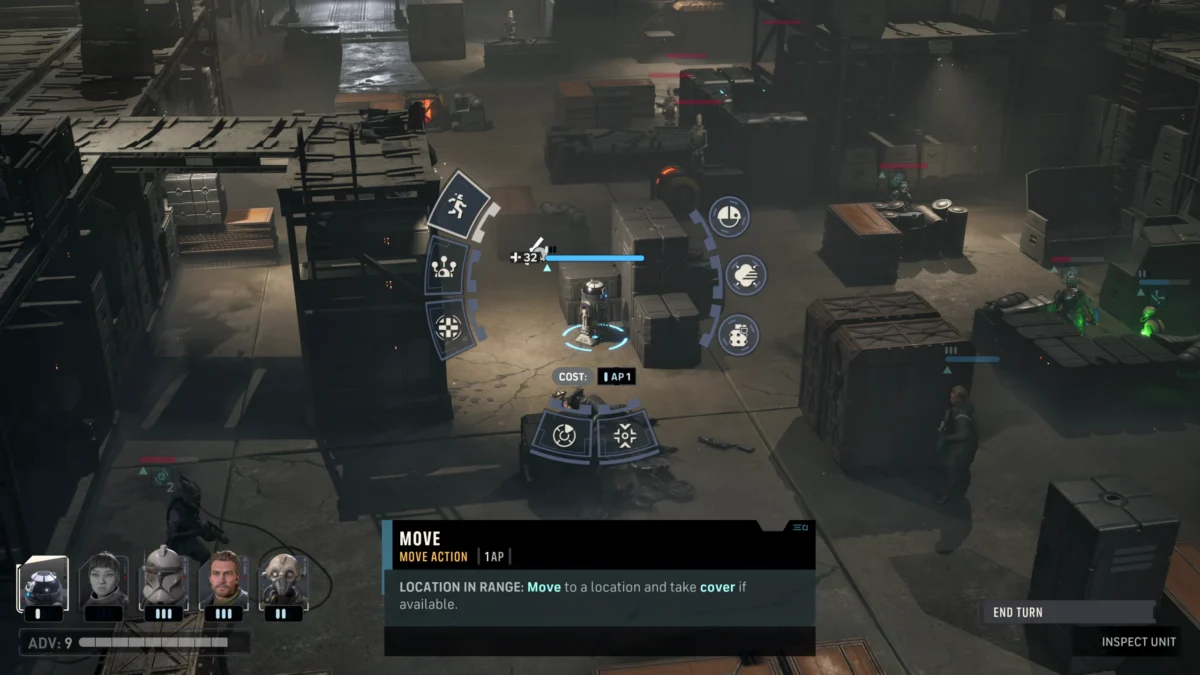
In the landscape of modern gaming, where the "player choice" paradigm—often manifested through branching dialogue trees, multiple endings, and sandbox romances—has become the industry standard, Bit Reactor is taking a refreshingly focused approach. The studio’s upcoming title, Star Wars: Zero Company, promises to marry high-fidelity, cinematic storytelling with the mechanical depth of a hardcore turn-based tactics game. However, in a recent clarifying communication, the developers have drawn a sharp line in the sand: despite the high-budget presentation, this is a linear narrative, not a choose-your-own-adventure experience.
For fans of the Star Wars franchise and the tactical RPG genre, Zero Company represents a high-stakes evolution of the "squad-based" formula. While comparisons to titles like XCOM or Mass Effect are inevitable, Bit Reactor is carving out a niche that emphasizes tactical mastery and a fixed, directed story over player-led branching paths.
The Core Vision: Narrative Through Precision
Bit Reactor, a studio comprised of veterans from some of the industry’s most prestigious strategy franchises, has long teased Star Wars: Zero Company as a title that prioritizes its cast. Early insights from the development team—including Narrative Director Aaron Contreras—have consistently highlighted a desire to move away from the "personal fantasy" tropes that dominate contemporary RPGs.
Instead of allowing players to steer the galaxy’s fate through dialogue choices or romantic entanglements, Zero Company seeks to tell a singular, curated story. By committing to a linear path, the developers can ensure that the narrative beats, character arcs, and cinematic sequences maintain a consistent, high-quality tempo. This decision reflects a shift back toward traditional storytelling where the player is a participant in a grand, authored saga rather than the sole architect of the game’s outcome.
Chronology of Development and Clarity
The path to Star Wars: Zero Company has been defined by a slow but steady drip of information that has helped manage audience expectations.
- Initial Announcement: The game was revealed as a major entry in the strategy space for the Star Wars universe, promising to elevate the genre with a budget and aesthetic polish usually reserved for AAA action-adventures.
- The Narrative Pivot: As rumors of "player choice" mechanics began to circulate, the studio moved quickly to temper expectations. Earlier this year, media discussions with narrative leadership established that the game would prioritize "friction" within the squad over player-dictated romance options.
- The Discord Q&A (Recent): In their most direct communication to date, the development team utilized a community Q&A on Discord to definitively address the game’s structure. The team clarified that there are no romance systems, no branching paths, and no multiple endings. This was a critical moment in the game’s marketing cycle, effectively resetting the conversation from "what kind of RPG is this?" to "what kind of tactical experience is this?"
Supporting Data: Understanding the Tactical Framework
At its heart, Zero Company is a tactical combat game. The player manages a four-operator squad, with each character serving a specific function on the battlefield. The roster includes a diverse range of Star Wars archetypes, from the heavy-hitting Mandalorian mercenary Cly Kullervo to the nimble, Force-sensitive Padawan Tel-Rea Vokoss, and even the eccentric cyborg boxer, Kabb Uppercut.
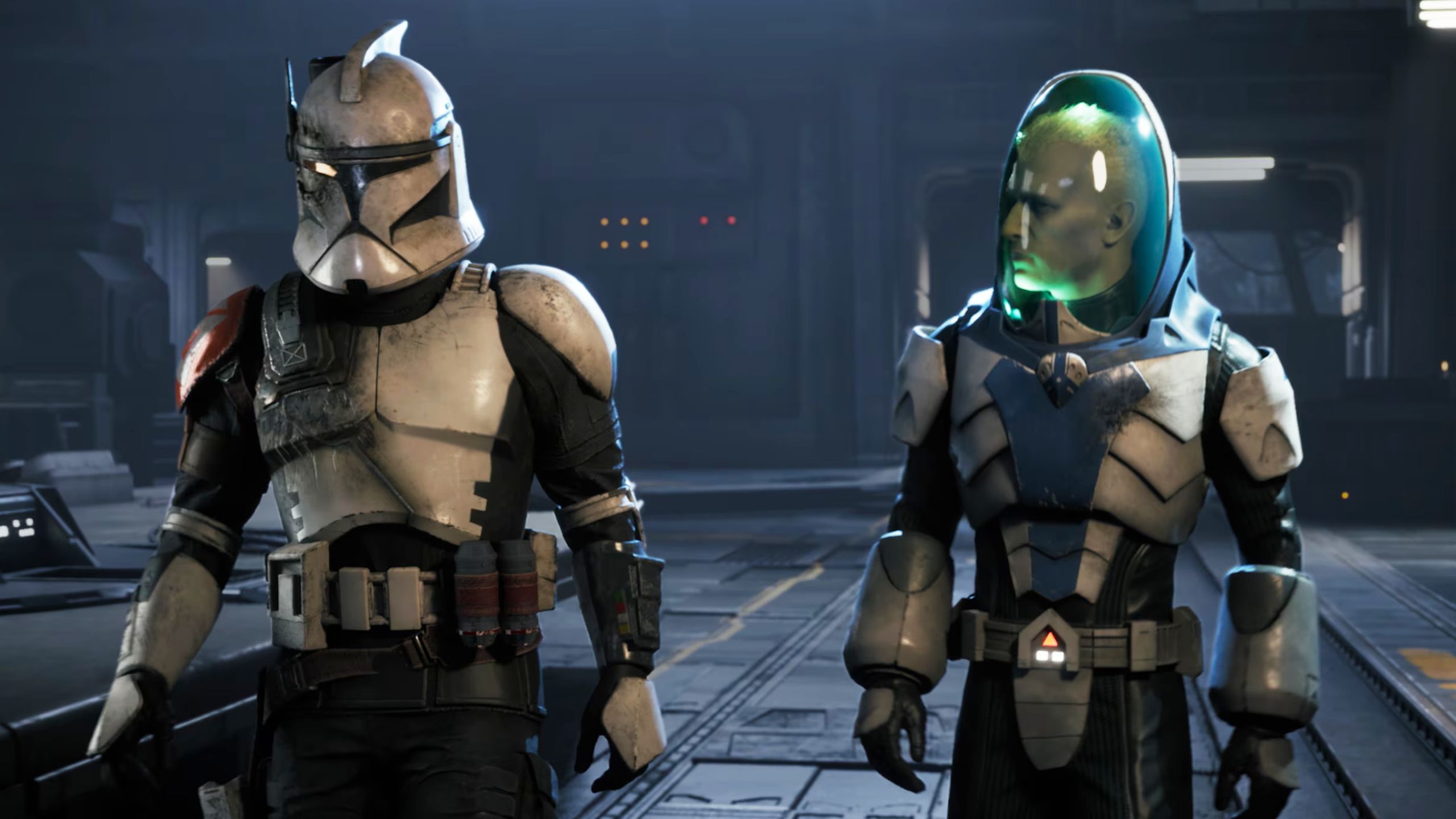
The tactical depth is bolstered by a permadeath mechanic—a staple for fans of punishing strategy games. Players have the option to toggle this feature off for a more accessible experience, but its inclusion suggests that the game’s stakes are designed to be high.
Squad Dynamics
While the overall story is fixed, the developers have noted that the experience of the story is dynamic based on squad composition. Having specific characters in your party can trigger unique dialogue and incidental interactions, allowing for a degree of flavor that distinguishes one playthrough from another, even if the destination remains the same. This approach is reminiscent of classic tactical games where the "story" is as much about the emergent relationships between your units as it is about the scripted cutscenes.
Official Responses: Addressing the "Choice" Myth
The developer’s stance during the recent Q&A was blunt and professional. "No, there aren’t any romance systems or branching paths," the team stated, effectively closing the door on speculation that the game would mimic the social simulation aspects of titles like Fire Emblem or Mass Effect.
Their reasoning is rooted in the philosophy of genre purity. "While we are excited about pushing the genre forward with a more cinematic approach, this is still a turn-based tactics game at its heart where adept skill and strategy are needed to overcome tense combat challenges." By removing the burden of choice-based narrative, the team is free to focus their resources on the polish of combat animations, the complexity of map design, and the seamless integration of cinematic sequences into the flow of turn-based encounters.
Implications: A New Era for Strategy Games
The decision to eschew branching paths in favor of a linear, cinematic experience has significant implications for the future of the strategy genre.
1. The Death of the "RPG Bloat"
Modern RPGs often suffer from "bloat," where the desire to provide endless choices leads to diluted storytelling and repetitive content. By committing to a linear narrative, Zero Company may offer a tighter, more cohesive experience that avoids the "mile wide, inch deep" problem.
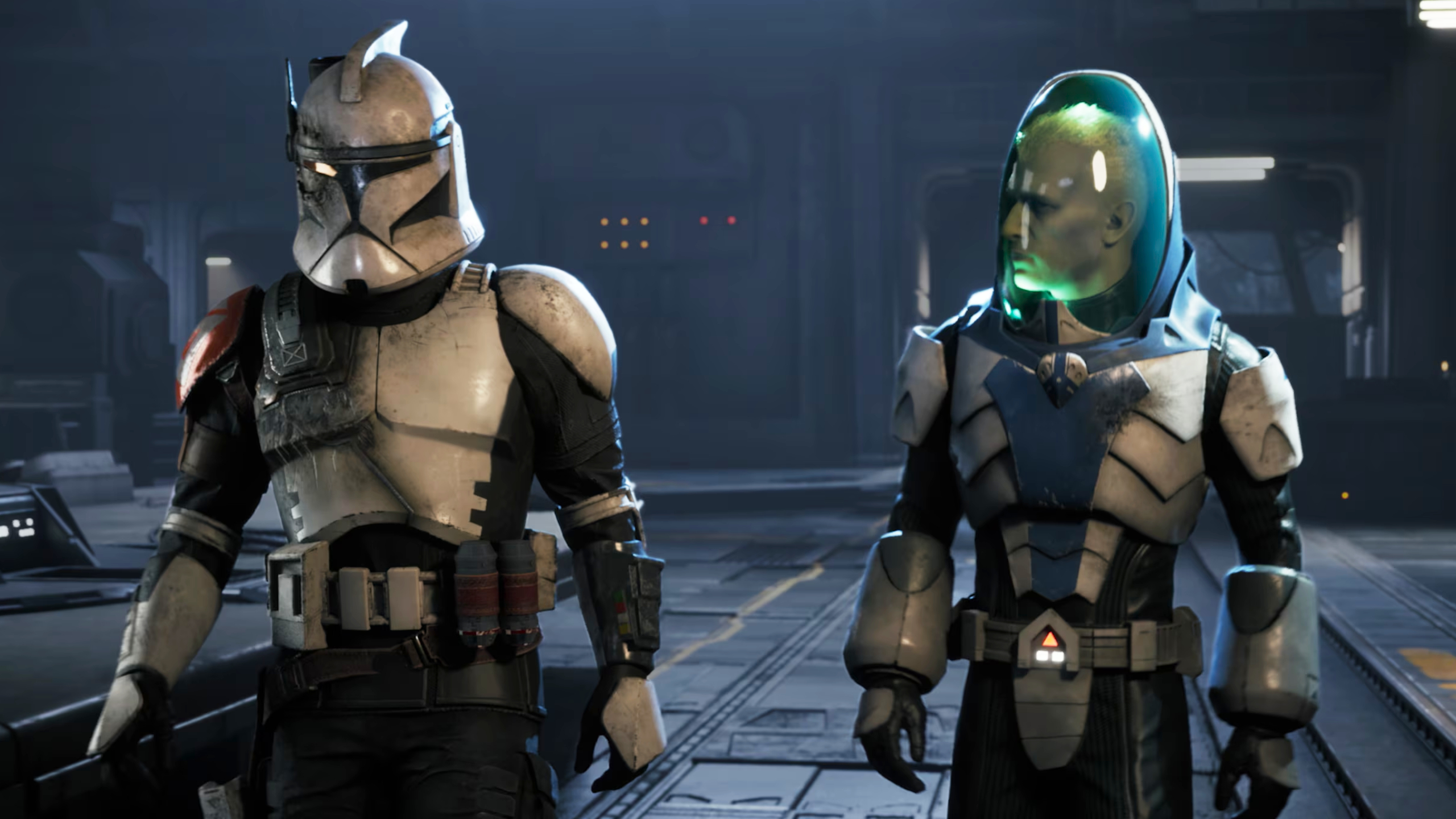
2. The Power of Permadeath
In a linear story, the stakes of permadeath become much more poignant. If a character dies, they are gone for the rest of the campaign, and the game will continue without them. If the developers have successfully integrated these losses into the main narrative, it could create a unique "reactive" storytelling style where the player’s losses define their version of the story, even if the ending remains fixed.
3. Cinematic Strategy
The integration of high-budget cutscenes into a tactics game is a bold move. It bridges the gap between the "strategy" and "narrative" audiences. If Bit Reactor succeeds, they will have created a template for future strategy games that feel like blockbuster films rather than just spreadsheets with animations.
4. Setting Expectations
By being transparent about the lack of branching choices, Bit Reactor has avoided the "disappointment trap." Players going into Star Wars: Zero Company will know exactly what to expect: a high-stakes, narrative-driven tactical gauntlet that demands strategic proficiency rather than social engineering.
Conclusion
Star Wars: Zero Company stands as a testament to the idea that a story does not need to be branching to be impactful. By focusing on a linear narrative, Bit Reactor is leaning into the strengths of the strategy genre—tension, loss, and victory—and enhancing them with the cinematic flair that the Star Wars IP demands. While those hoping for a romance-heavy, decision-driven RPG might be disappointed, the tactical gaming community is likely to find a title that respects their intelligence and their time. In an era where every game tries to be everything to everyone, there is something inherently refreshing about a game that knows exactly what it is, and does it with unwavering commitment.

