

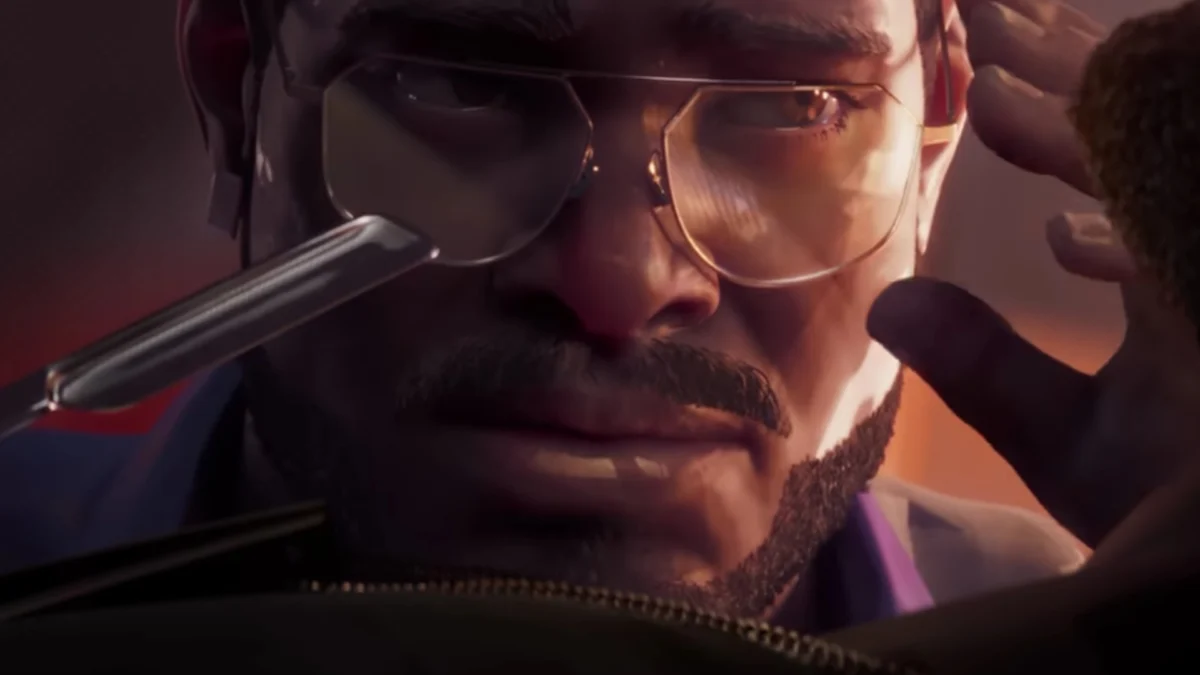
The video game industry is currently bracing for what analysts are describing as a “tsunami” of layoffs and structural shifts within Microsoft’s gaming division. As the fiscal year concludes, reports have emerged suggesting that Xbox is actively exploring the closure or sale of several high-profile studios. Among the most concerning developments for fans is the potential abandonment of Marvel’s Blade, the highly anticipated title from Arkane Studios, which has reportedly been plagued by budget overruns and development delays.
For the gaming community, these reports represent more than just corporate belt-tightening; they signal a profound "reset" of the Xbox brand under the leadership of CEO Asha Sharma. With the future of storied developers in question, the industry is left to wonder: Is Microsoft’s massive investment in gaming infrastructure finally collapsing under the weight of its own ambition?
A Landscape of Uncertainty: The Potential Closure of Arkane
The latest intelligence, primarily sourced from The Verge, suggests that Arkane Studios is one of at least five development houses currently under review by Microsoft leadership. The company is reportedly weighing its options—either shuttering the studios entirely or, in a more optimistic scenario, spinning them off to external buyers.
Arkane, a studio celebrated for its mastery of the immersive sim genre with hits like Dishonored and Prey, has found itself in an increasingly precarious position since being brought under the Microsoft umbrella. The recent closure of Arkane Austin—a move that followed the commercial and critical failure of the live-service experiment Redfall—served as a grim harbinger for the rest of the Arkane brand. Arkane founder Raphael Colantonio did not mince words regarding the decision, publicly labeling it "stupid" and noting that the dissolution of such a specialized group of developers is an irreparable loss for the creative industry.
Marvel’s Blade: A Project on the Brink
At the center of this controversy is Marvel’s Blade. When first teased, the title generated immense excitement, promising a mature, narrative-driven experience centered on one of Marvel’s most iconic anti-heroes. However, reports now suggest that the project has exceeded its initial budget and is struggling to meet a projected 2026 release window.
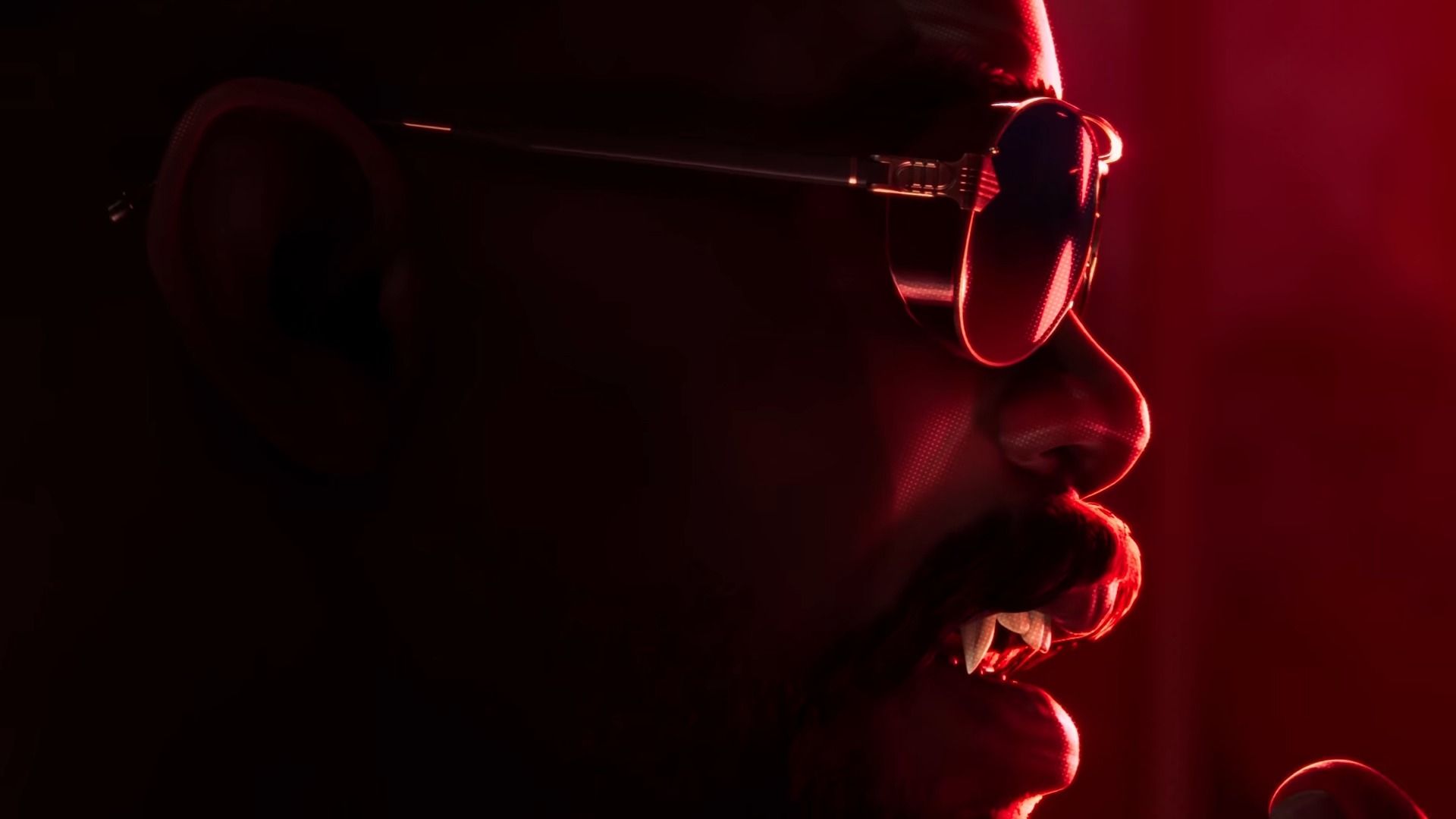
Despite these reports, internal communication from the studio has attempted to maintain a sense of stability. Earlier this month, Arkane’s Jean-Luc Monnet addressed rumors circulating after the game’s absence at the Summer Game Fest, stating, "Let us cook." Yet, as the broader corporate climate at Microsoft grows increasingly hostile toward underperforming or high-cost projects, the "let us cook" mantra may be insufficient to save the title from the chopping block. If the project is canceled, it would mark a significant blow to the prestige of the Xbox Game Pass catalog and the studio’s reputation for excellence.
Chronology of a Corporate Pivot
To understand the current crisis, one must look at the recent history of Microsoft’s gaming division. The timeline is defined by an aggressive acquisition strategy followed by a frantic attempt to consolidate costs:
- The Acquisition Era: Microsoft spent billions to acquire ZeniMax Media (parent company of Bethesda and Arkane) and, subsequently, Activision Blizzard. These moves were designed to solidify Xbox’s dominance in the console war and bolster its subscription service, Game Pass.
- The Redfall Disaster (2023): The launch of Redfall was a watershed moment. Forced by corporate pressure into a live-service model that sat in direct opposition to the studio’s strengths, the game’s failure damaged both the Arkane brand and investor confidence in Xbox’s management.
- The Strategic "Reset" (2024): CEO Asha Sharma initiated a mandate to "reset" the business, citing that Microsoft’s gaming division had become "over-extended." This phase has been marked by mass layoffs and the closing of studios like Arkane Austin.
- The Current Impasse (July 2024): With the end of the fiscal year, rumors of further divestments—including potential sales of studios like Double Fine and Ninja Theory—have reached a fever pitch.
Supporting Data: The Financial and Structural Pressures
The financial data behind these decisions paints a sobering picture. Macroeconomic pressures, including rising hardware component costs and a plateau in subscription growth, have forced Microsoft’s hand.
The recent decision to increase the price of the Xbox Series X to $800—an increase of $100 to $150 depending on the model—is a clear indicator of the company’s struggle to maintain profit margins. Furthermore, the industry is witnessing a massive divergence in market share. Current reports indicate that the PlayStation 5 is capturing up to 80% of launch sales for AAA single-player console titles, a statistic that underscores the uphill battle Xbox faces in its attempt to position its hardware as the premier destination for high-fidelity gaming.
Microsoft’s "Project Helix," once envisioned as a cutting-edge leap in console technology, is also being re-evaluated in the face of these rising memory costs and manufacturing challenges. The combination of hardware price hikes, sluggish software sales, and the failed integration of massive studios suggests that the "Xbox ecosystem" is currently more of a financial burden than a growth engine.
Official Stances and the "Reset" Narrative
CEO Asha Sharma has been clear about the need for a shift in strategy. Her public comments regarding the necessity of "resetting the business to be where the world plays" suggest a move away from the traditional console-centric model toward a broader, more service-oriented approach.
However, this "reset" is being interpreted by many in the industry as a failure of leadership. Critics point out that Xbox has a pattern of acquiring studios and shuttering them before they can produce a second or third title. This "churn and burn" strategy has not only soured relations with developers but has also caused long-time fans to lose faith in the longevity of Xbox-exclusive franchises. While the company claims these actions are necessary to stay competitive, the human and creative cost is becoming impossible to ignore.
The Implications: What Happens Next?
The potential sale of studios like Arkane, Compulsion Games, and others carries significant implications for the future of the gaming industry:
- Creative Brain Drain: When massive, talent-heavy studios are dismantled or sold in pieces, the "creative DNA" that makes them unique is often lost. The loss of a studio like Arkane Austin is a prime example of the industry losing a specialized team that cannot simply be re-hired or replicated.
- The Death of the AA/AAA Mid-Tier: The pressure to deliver "blockbuster" hits that justify the cost of acquisition means that mid-budget, high-concept games are the first to be canceled. This narrows the scope of what types of games are made, potentially leading to a more homogenized market.
- Market Consolidation and Monopoly Concerns: While selling studios might seem like a way to save them, it raises questions about whether the gaming landscape will be reduced to a handful of massive conglomerates that prioritize quarterly earnings over artistic risk-taking.
- Erosion of Platform Trust: For the consumer, the uncertainty is palpable. If a player buys an Xbox under the impression that they will have access to a specific library of future titles, the sudden cancellation of those projects—or the departure of the studios behind them—erodes the value proposition of the hardware itself.
Conclusion: A Turning Point
As July progresses, the gaming world waits for official word from Microsoft regarding the fate of its studios. Whether Arkane is sold to a new owner or forced to close, the message sent to the industry is one of extreme caution and volatility.
The "reset" that Asha Sharma describes may be intended to save the Xbox division’s bottom line, but it risks dismantling the very identity that made Xbox a compelling platform in the first place. For now, fans of Marvel’s Blade can only hope that "letting them cook" results in a final product rather than a final severance package. The coming weeks will likely prove to be the most definitive in the history of the Xbox brand, as the company decides which parts of its empire it is willing to sacrifice in order to survive the current market downturn.

