

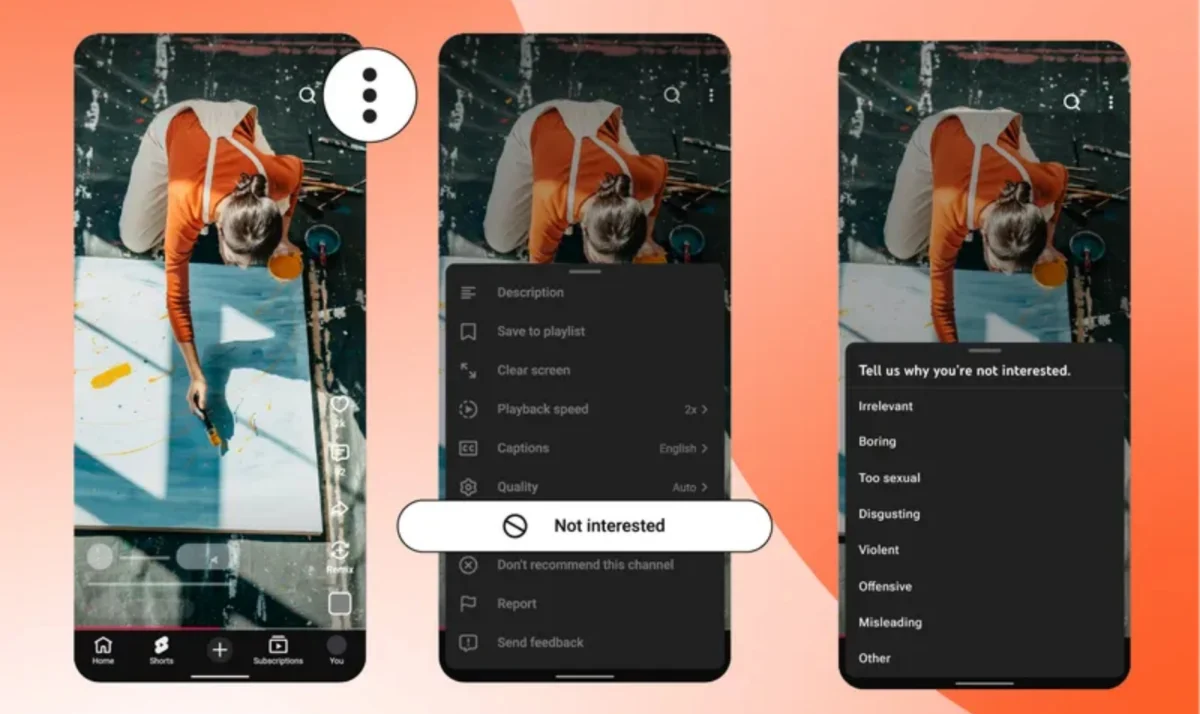
Five years after its initial launch, YouTube Shorts has officially transitioned from a reactive TikTok competitor into a cornerstone of the world’s largest video platform. As the format enters its half-decade mark, YouTube is rolling out a significant suite of updates designed to declutter the interface and give users more granular control over their algorithmic experience. These changes, which include the removal of the traditional "dislike" button in favor of a "not interested" toggle and the introduction of a distraction-free "Clear Screen" mode, signal a maturation of the platform’s philosophy toward short-form content.
Main Facts: A New Look for the Shorts Feed
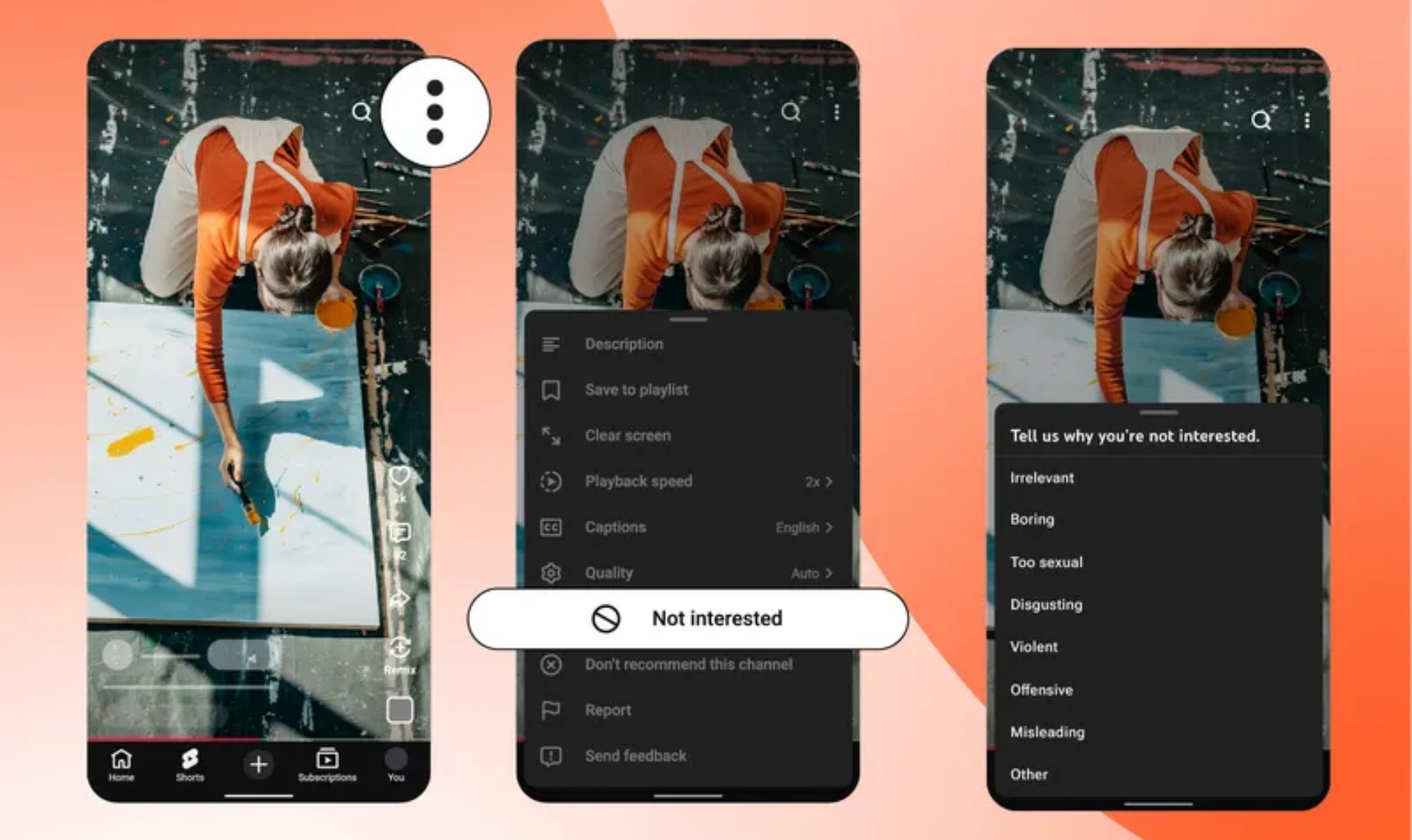
The most immediate change users will notice in their Shorts feed is a shift in interactivity. YouTube is officially deprecating the "dislike" button, a staple of long-form YouTube for years, replacing it with a "not interested" function. This will be paired with a heart-shaped "like" icon, streamlining the engagement metrics for creators and viewers alike.
Furthermore, the update introduces "Clear Screen" mode. Borrowing a page from the TikTok playbook—specifically the "Clear Mode" introduced by ByteDance in 2022—this feature allows users to strip away UI elements like text overlays, channel names, and navigation icons, providing a cinematic, immersive view of the content. Finally, the platform is introducing granular playback speed controls, allowing users to accelerate or slow down short-form clips, a feature long requested by the platform’s power users.
A Chronology of the Dislike Debate
The journey to this moment has been marked by significant internal and external friction. YouTube’s relationship with the "dislike" button has been contentious since the platform began experimenting with hiding counts in late 2021.
- 2020-2021: YouTube Shorts launches globally. Early data shows high engagement, but the platform faces immediate concerns regarding harassment and "dislike bombing," where coordinated groups target creators with negative feedback.
- November 2021: YouTube makes the pivotal decision to hide dislike counts on all long-form videos to protect creators from targeted harassment.
- 2024: Research studies continue to show that female creators and marginalized groups receive a disproportionate number of dislikes, regardless of content quality.
- December 2025: YouTube tests the replacement of the dislike button with "not interested" on Shorts, acknowledging that users often use the dislike button to signal algorithmic preference rather than content quality.
- June 2026: The "not interested" interface becomes the standard for all YouTube Shorts users globally.
Supporting Data: Why the Shift?
The decision to move away from the "dislike" button is not merely aesthetic; it is data-driven. YouTube’s internal analysis found that the dislike button was a blunt instrument. When a user clicked "dislike," it was often impossible for the algorithm to determine why. Was the audio poor? Was the subject matter offensive? Or was the video simply not to the user’s specific taste?
By replacing it with "not interested," YouTube is actively refining its recommendation engine. This provides the platform with a cleaner signal. If a user marks a video as "not interested," it signals a mismatch between the content and the user’s persona. If they report it for community guideline violations, it triggers a different set of moderation protocols.
Moreover, data from female creators and smaller, independent channels showed that the public visibility of dislikes often acted as a deterrent for engagement. By removing the public-facing metric, YouTube aims to foster a more equitable environment where content is judged by its retention and watch time rather than its controversial nature.
Official Responses and Platform Philosophy
In a statement accompanying the rollout, YouTube emphasized that these changes are designed to empower the viewer. "These options give you more control over what you see and allow us to better understand your genuine preferences," a YouTube spokesperson stated via the company blog. "We’ve seen that ‘disliking’ a video could mean anything from ‘poor audio quality’ to simply ‘not my cup of tea.’ We want to distinguish between those signals."
Regarding the "Clear Screen" mode, the platform acknowledged that the rise of high-production, cinematic content on Shorts demanded a viewing experience that didn’t constantly obscure the frame with text and interface buttons. By allowing users to toggle these elements off, YouTube is acknowledging that Shorts is no longer just a place for "quick clips"—it is becoming a home for high-fidelity, short-form storytelling.
Implications for Creators and Advertisers
The shift to a "not interested" model holds profound implications for the creator economy.
1. The Algorithm Shift
Creators will likely see a shift in how their content is surfaced. As the algorithm receives more precise "not interested" data, content will be funneled more effectively to the audiences most likely to enjoy it. This reduces "churn" where viewers scroll past content that doesn’t fit their personal taste, potentially increasing average view duration (AVD) for creators who find their niche.
2. The Death of Public Negativity
For creators, the removal of the public dislike button—and the shift toward a more curated feed—serves as a psychological buffer. While creators can still see their own analytics, the absence of a visible "dislike" count removes the public stigma that often fueled harassment campaigns.
3. Advertising and Clear Screen
The "Clear Screen" mode presents a unique challenge and opportunity for advertisers. While it offers a cleaner experience for the user, it means that ad overlays or interactive CTA buttons might be hidden or skipped. Advertisers will need to focus on integrating their brands more organically into the video content itself, rather than relying on the platform’s UI to provide the call to action.
4. Playback Speed and Retention
The introduction of playback speeds (up to 2x) acknowledges the reality of the modern attention span. While some creators may fear that speeding up a video undermines their pacing, it actually increases the likelihood that a viewer will finish a video they might otherwise have skipped. For the algorithm, a completed video—even at 2x speed—is a positive signal of interest.
Future Outlook: The Maturation of Short-Form Video
As YouTube Shorts reaches this five-year milestone, it is clear that the platform is moving away from the "wild west" era of rapid, chaotic growth and toward a more polished, user-centric environment.
The move to match TikTok’s features—such as the clear screen and speed controls—is a tacit admission that while YouTube has the infrastructure, it must also provide the user experience that modern audiences demand. By prioritizing user control (via "not interested") and visual clarity (via "Clear Screen"), YouTube is positioning itself to hold onto its massive user base, even as the competition for eyes and attention across the digital landscape grows fiercer.
Ultimately, these updates suggest that the future of YouTube is one where the interface recedes into the background, leaving the content—and the relationship between the creator and the viewer—to take center stage. For creators, the task remains the same: create compelling, high-quality content that keeps the viewer engaged. But with these new tools, the platform is ensuring that the viewer has a much more precise way of saying "more of this, please."

