

In the high-stakes theater of semiconductor manufacturing, the quest for the "perfect" chip is a balancing act of three competing variables: performance, thermal headroom, and power efficiency. For the past several years, AMD has successfully navigated this terrain with its "c-series" compact cores, a design philosophy that prioritized silicon real estate efficiency without sacrificing the fundamental instruction set of the Zen architecture. Now, as the industry looks toward the 2026 launch of the Zen 6 microarchitecture, evidence has emerged suggesting that Team Red is preparing a significant evolution in its heterogeneous computing strategy: the dedicated "Low Power" (LP) core.
The Foundation: A Brief Chronology of AMD’s Core Evolution
To understand the significance of the upcoming Zen 6 "LP" cores, one must first look at the trajectory of AMD’s recent architectural history.
The Birth of the ‘c’ Core
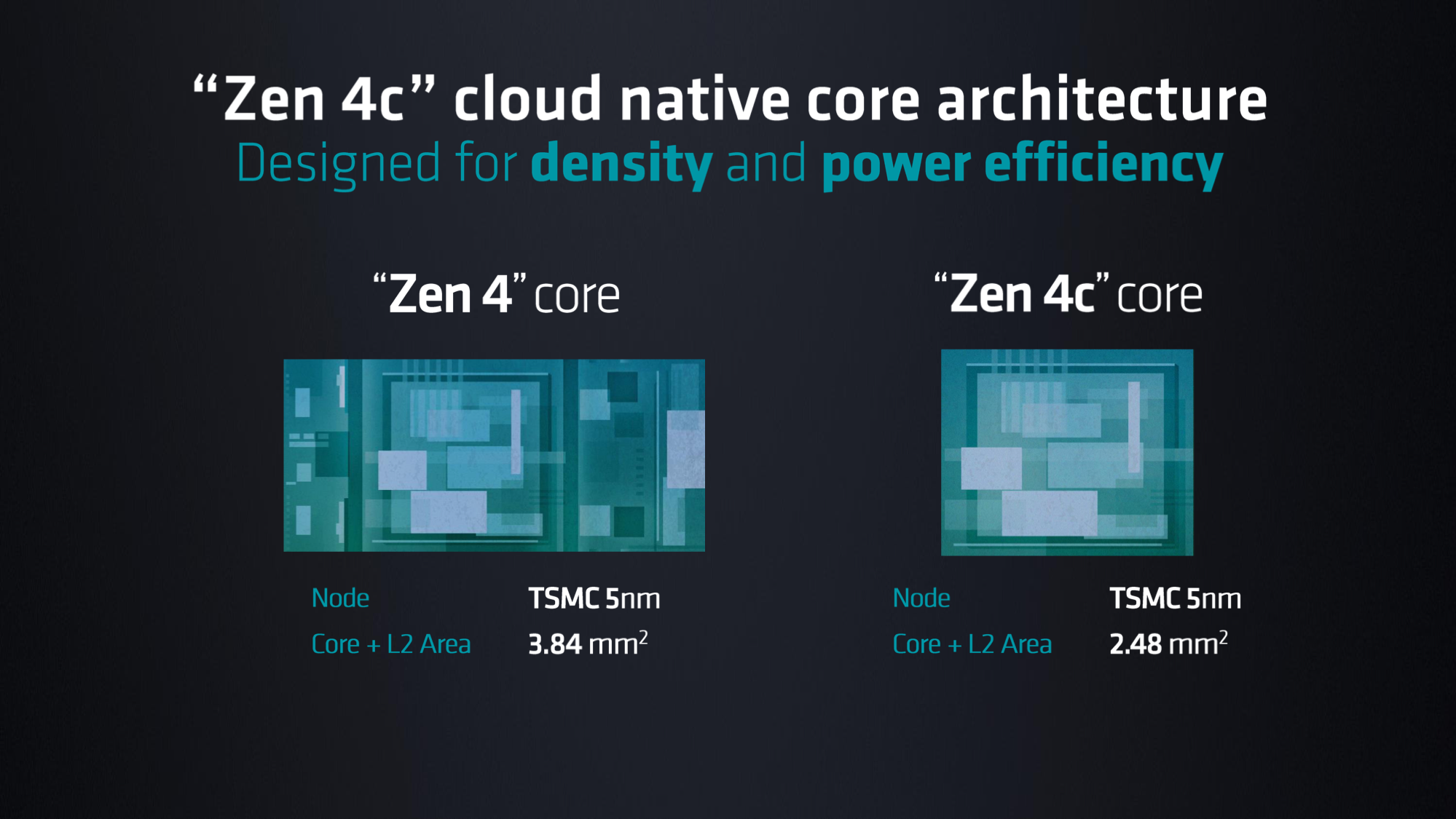
Three years ago, AMD fundamentally shifted its approach to high-density computing by introducing the "c" suffix cores, beginning with Zen 4c. Unlike the stark dichotomy seen in Intel’s performance (P) and efficiency (E) cores—which utilize different internal architectures—AMD’s compact cores were functionally identical to their larger counterparts. They executed the same instructions and possessed the same features, but were physically shrunken to consume less die space. This allowed AMD to pack more cores into a single chiplet, drastically improving wafer yields and providing a massive boost in multi-threaded performance for data centers and mobile platforms alike.
The Refinement
This strategy continued with Zen 5c, further refining the power-per-watt efficiency. However, these cores were still fundamentally designed as "general purpose" high-density workhorses. They were not explicitly tuned for the deep-sleep, ultra-low-power background states that modern operating systems demand for idle battery preservation.
The Current Pivot
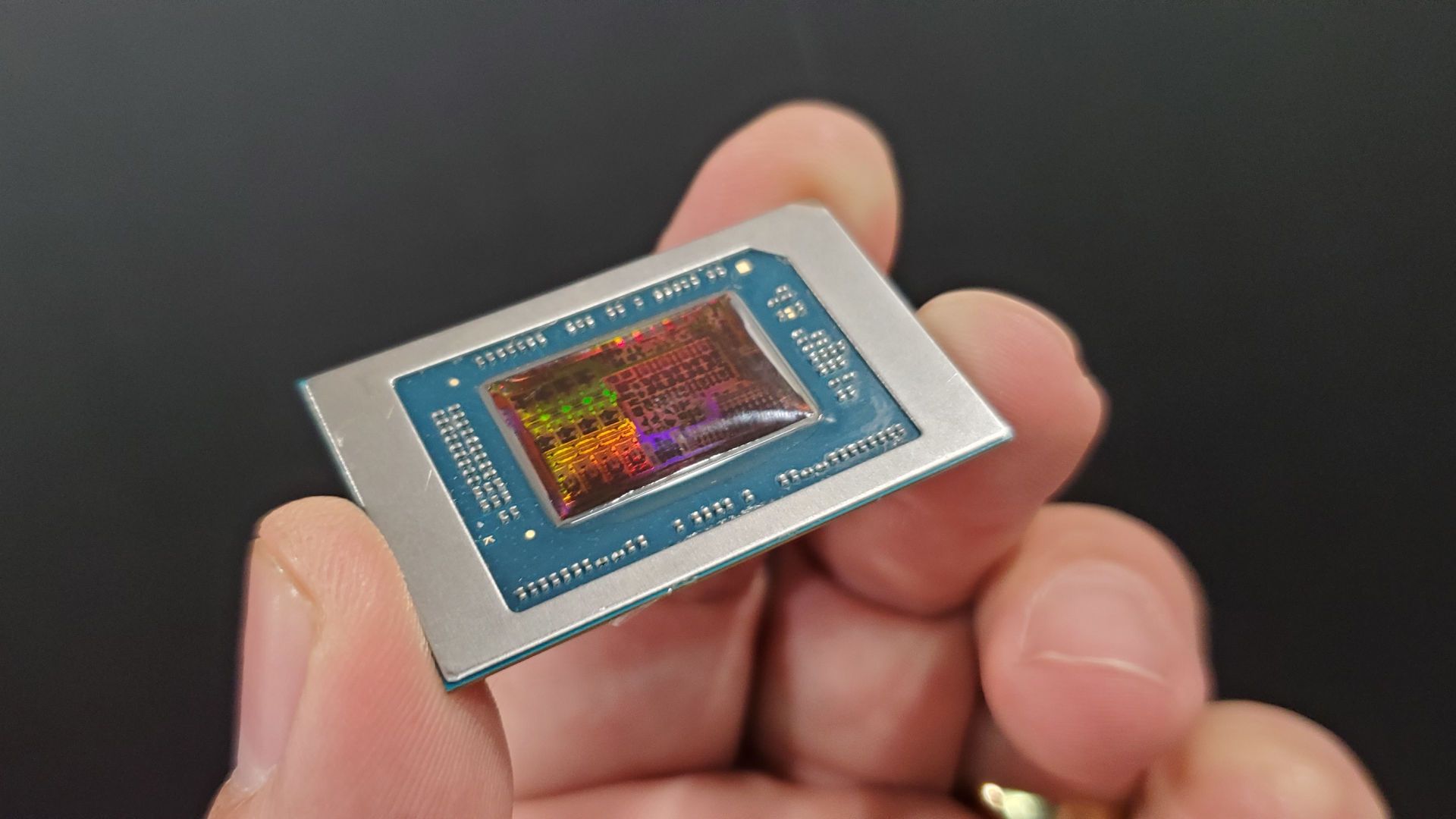
The recent discovery in the Linux kernel mailing list, brought to light by Phoronix, marks the next chapter. AMD engineer Vishal Badole submitted code that formally extends the x86 topology to recognize a new "Low Power" (LP) core type. This classification joins the existing "Performance" and "Efficiency" categories, signaling a departure from the one-size-fits-all compact core design.
Technical Analysis: Defining the ‘Low Power’ Paradigm
The inclusion of a "Low Power" core type is not merely a branding exercise; it is a fundamental shift in how the processor handles background tasks.
CPUID Fn0x80000026 and the Topology Update
According to the kernel patch notes, AMD’s new heterogeneous chips will report this core type via CPUID Fn0x80000026. Specifically, a value of "2" is now reserved for these low-power entities. Unlike the standard Zen cores, which are designed for maximum throughput and high clock speeds, or the current "c" cores, which are designed for high-density multi-threading, the "LP" core is architected with a singular focus: minimal power consumption during idle or background workloads.
How It Compares to Intel’s LPE
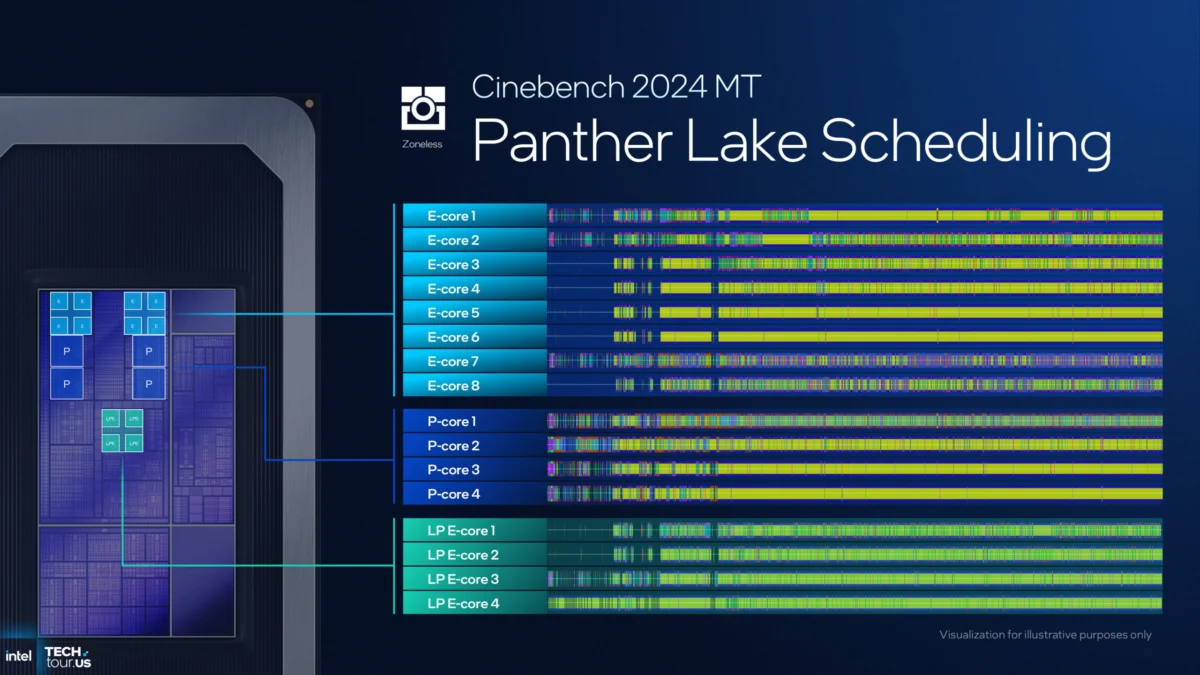
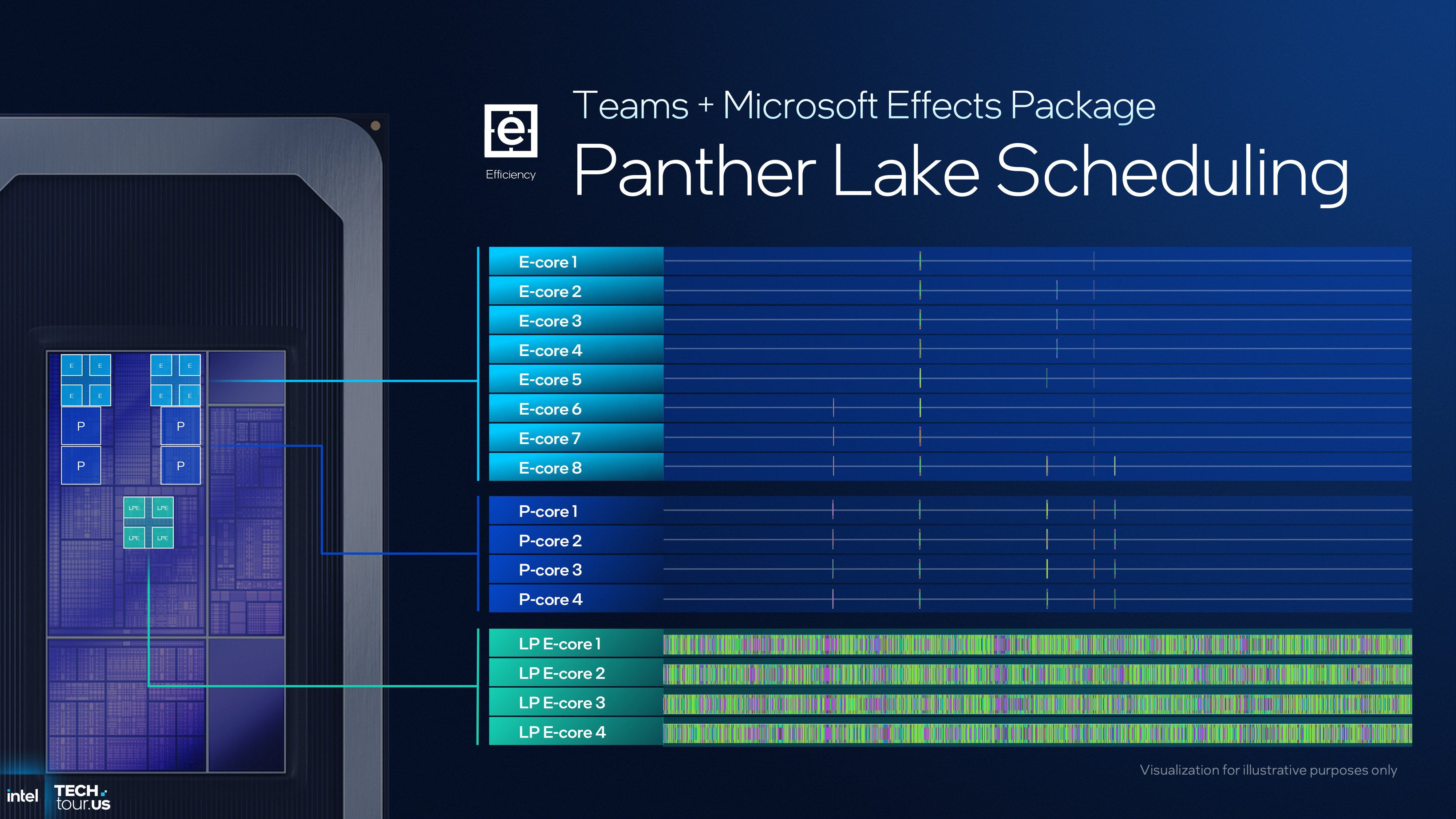
This development draws direct parallels to Intel’s current approach with its "LPE" (Low Power Efficiency) cores, found within the Panther Lake architecture. Intel’s LPE cores are essentially E-core clusters stripped down to operate within a much more aggressive power envelope. While they share the same architecture as the E-cores, they are binned and tuned for ultra-low voltage operation.
However, a critical distinction remains: Intel’s P-cores and E-cores are architecturally distinct. Because they differ in how they execute instructions, Intel relies on the "Thread Director"—a hardware-based scheduling mechanism—to manage which tasks go to which core. AMD’s traditional advantage has been the architectural consistency across all its cores. By introducing a dedicated LP core, AMD must ensure that its scheduler can seamlessly transition background processes to these cores without causing latency spikes or compatibility issues.
Implications for Future Ryzen and APU Platforms
The introduction of Zen 6 LP cores will likely be reserved for mobile platforms, where battery life remains the primary battleground.
The Mobile APU Landscape
Currently, modern Ryzen mobile processors, such as the Ryzen AI 7 350, utilize a mix of standard Zen and "c" cores. This hybrid approach has allowed AMD to dominate in thin-and-light laptops and handheld gaming PCs, such as those utilizing the latest mobile silicon. With the advent of Zen 6 LP, we can expect a three-tier core structure in future APUs:
- Performance Cores: For heavy lifting (gaming, content creation).
- Efficiency Cores: For sustained multi-threaded workloads.
- Low Power Cores: For background tasks, OS maintenance, and deep-idle battery savings.
The 12-Unit CCX Rumors
One of the most persistent rumors surrounding the Zen 6 architecture is the potential shift to a 12-unit Core Complex (CCX). If AMD transitions to this larger modular design, the fear of performance regression—specifically that swapping high-performance cores for low-power ones might lower the overall "peak" speed of the chip—could be entirely mitigated. A 12-unit design would provide enough overhead to include high-performance cores, high-density cores, and low-power cores simultaneously, effectively giving the user the "best of all worlds."
Potential Challenges and Market Impact
While the move toward more granular power management is objectively positive for consumer battery life, it introduces complexity into the ecosystem.
Scheduling Hurdles
Operating systems like Windows and Linux must be optimized to recognize the subtle differences in these core types. If a background task is erroneously scheduled on a "Performance" core, the resulting power draw is wasteful. Conversely, if a latency-sensitive task is sent to an "LP" core, the user may perceive the system as "laggy." AMD will need to work closely with Microsoft and the Linux kernel maintainers to ensure that the scheduler is intelligent enough to handle this new tier of core effectively.
Gaming Handhelds: A Specialized Case?
The question remains whether handheld gaming PCs will benefit from LP cores. In a device like a Steam Machine or a ROG Ally, the processor is already running in a highly constrained power envelope. While the LP cores could theoretically extend the battery life during non-gaming tasks (like downloading games in the background or browsing the web), they are unlikely to contribute to gaming performance. The focus here remains on the Performance and Efficiency cores, suggesting that the LP cores will be a secondary benefit rather than a primary gaming driver.
Final Thoughts: A Strategic Necessity
AMD’s commitment to the Zen 6 LP core is a clear indication that the company is no longer just competing on raw speed; it is competing on the efficiency of the entire computing experience. By formalizing a "Low Power" category, AMD is acknowledging that the modern PC is rarely ever truly "off." Between background telemetry, system updates, and instant-on capabilities, the ability to offload these tasks to specialized, low-draw silicon is the next logical step in the evolution of the x86 architecture.
As we move toward 2026, the industry will be watching closely to see how these cores are implemented. If AMD can maintain its reputation for architectural simplicity while successfully integrating this third tier of core management, it will likely solidify its position as the leader in both mobile performance and energy efficiency. For the end user, this means the prospect of laptops that last longer, run cooler, and remain more responsive than ever before.

