

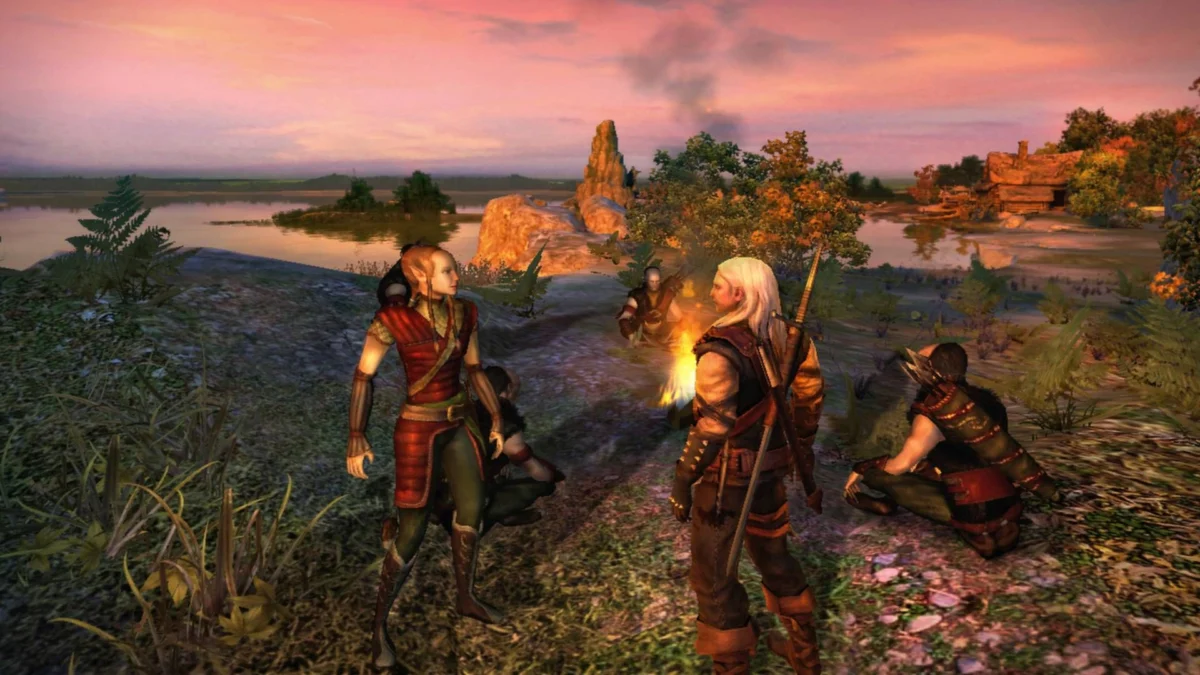
The Witcher 3: Wild Hunt is not merely a game; it is a cultural touchstone that redefined the expectations for open-world role-playing games. As the gaming industry turns its collective gaze toward the future, the influence of the team that crafted Geralt of Rivia’s final odyssey remains a driving force. While the industry is currently fixated on the looming shadow of GTA 6, the internal machinery of CD Projekt Red (CDPR) and the exodus of its most talented veterans have birthed a fascinating web of upcoming projects that promise to reshape the RPG landscape.
As we look toward 2026 and beyond, we find ourselves in a unique moment in gaming history: a "Witcher Diaspora." The core architects of the Continent are now scattered across new studios, building their own legacies while the original studio prepares for a massive, multi-front assault on the genre.
The Great Expansion: CD Projekt Red’s Ambitious Roadmap
CD Projekt Red is currently balancing an unprecedented workload. With the studio split between internal development and external partnerships, the goal is to cement its status as a pillar of AAA narrative design.
The Witcher 4: A New Era
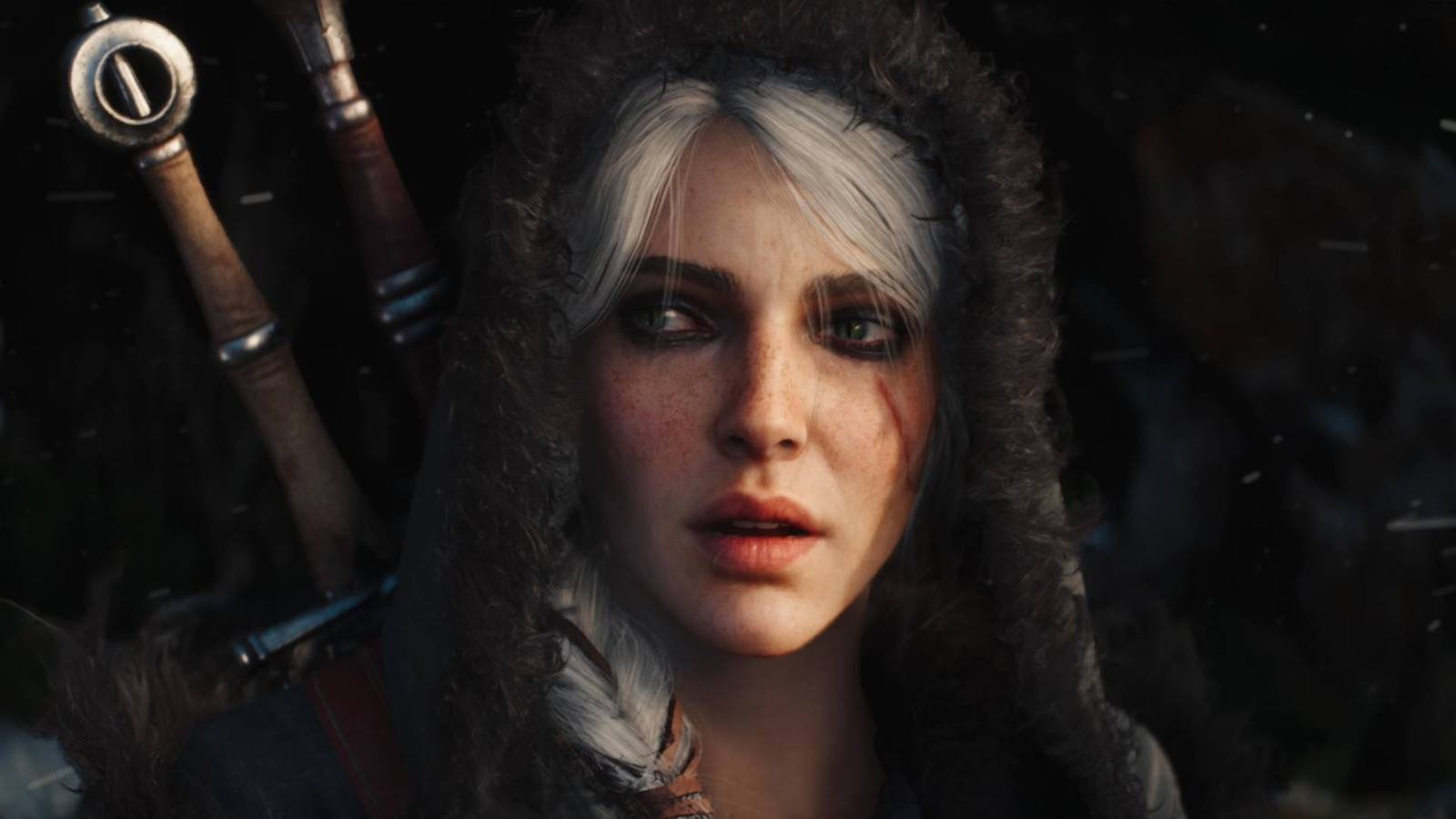
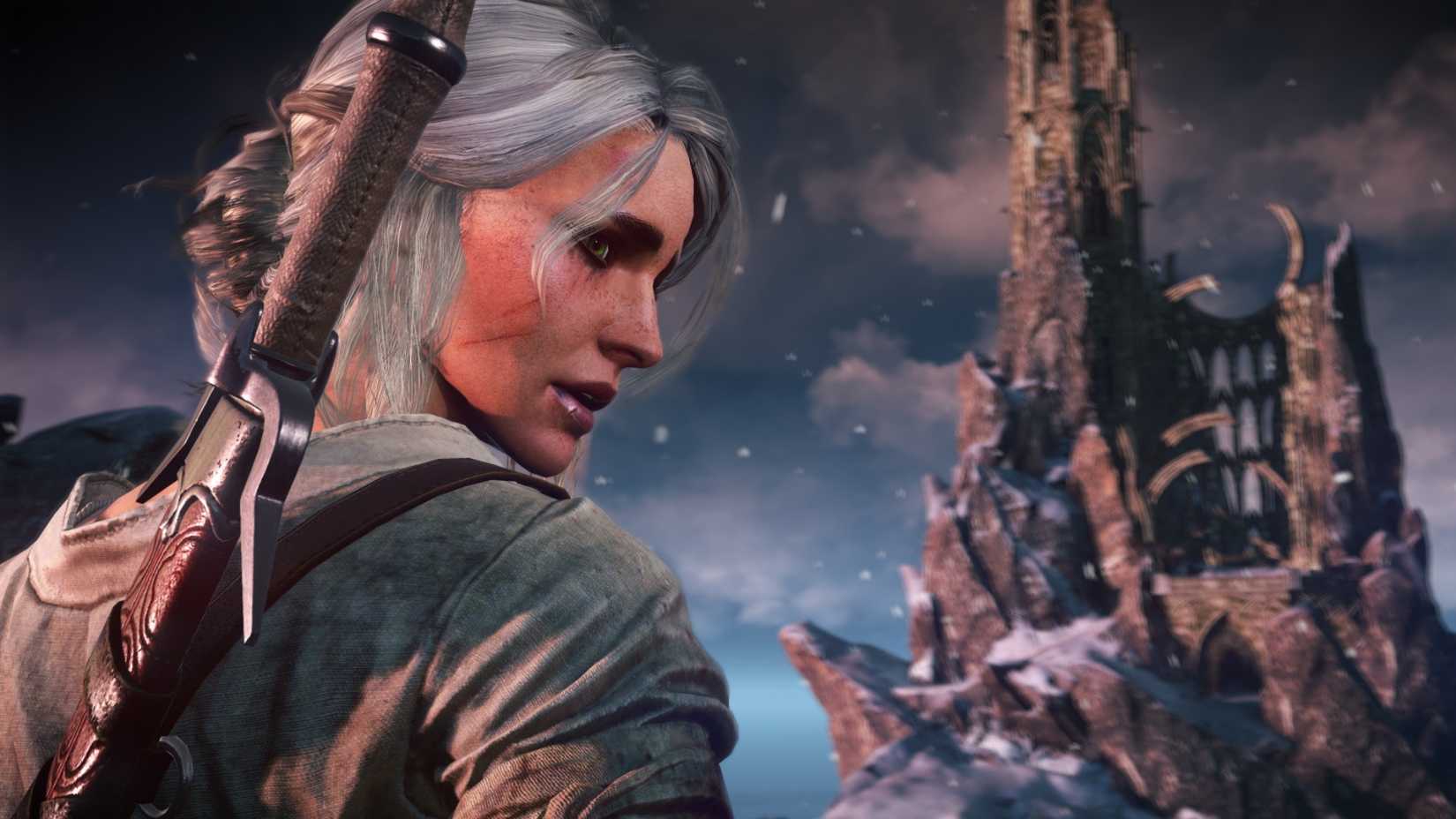
Perhaps the most anticipated title in the studio’s history, The Witcher 4 represents a departure from the Geralt-centric formula. By placing Ciri at the heart of the narrative, the studio is signaling a shift in mechanical focus—moving away from traditional sword-play and toward the exploration of Ciri’s complex, reality-bending magical abilities.
The project is helmed by seasoned veterans who ensure the "DNA" of the original trilogy remains intact. Narrative Director Tomasz Marchewka and Game Director Sebastian Kalemba are tasked with translating the legacy of the third game into the fidelity of Unreal Engine 5. Following a successful tech demo at the 2025 State of Unreal, expectations are sky-high. Set in the uncharted Kovir region, the game promises to be more than a visual spectacle; it is an attempt to synthesize player choice with a massive, reactive world. Current projections point to a release window of 2027–2028.
Songs of the Past: The Final Chapter for Geralt
Before the series moves fully into the next generation, CDPR is collaborating with Fool’s Theory—the studio behind 2024’s The Thaumaturge—to release Songs of the Past. This expansion for The Witcher 3 is slated for 2027. It is designed to serve as a narrative bridge, a prologue of sorts that connects the conclusion of the Wild Hunt to the events of the upcoming sequel. Its scale, reportedly comparable to the legendary Blood and Wine, suggests that CDPR is not ready to let go of its most iconic protagonist just yet.

The Cyberpunk Sequel and Beyond
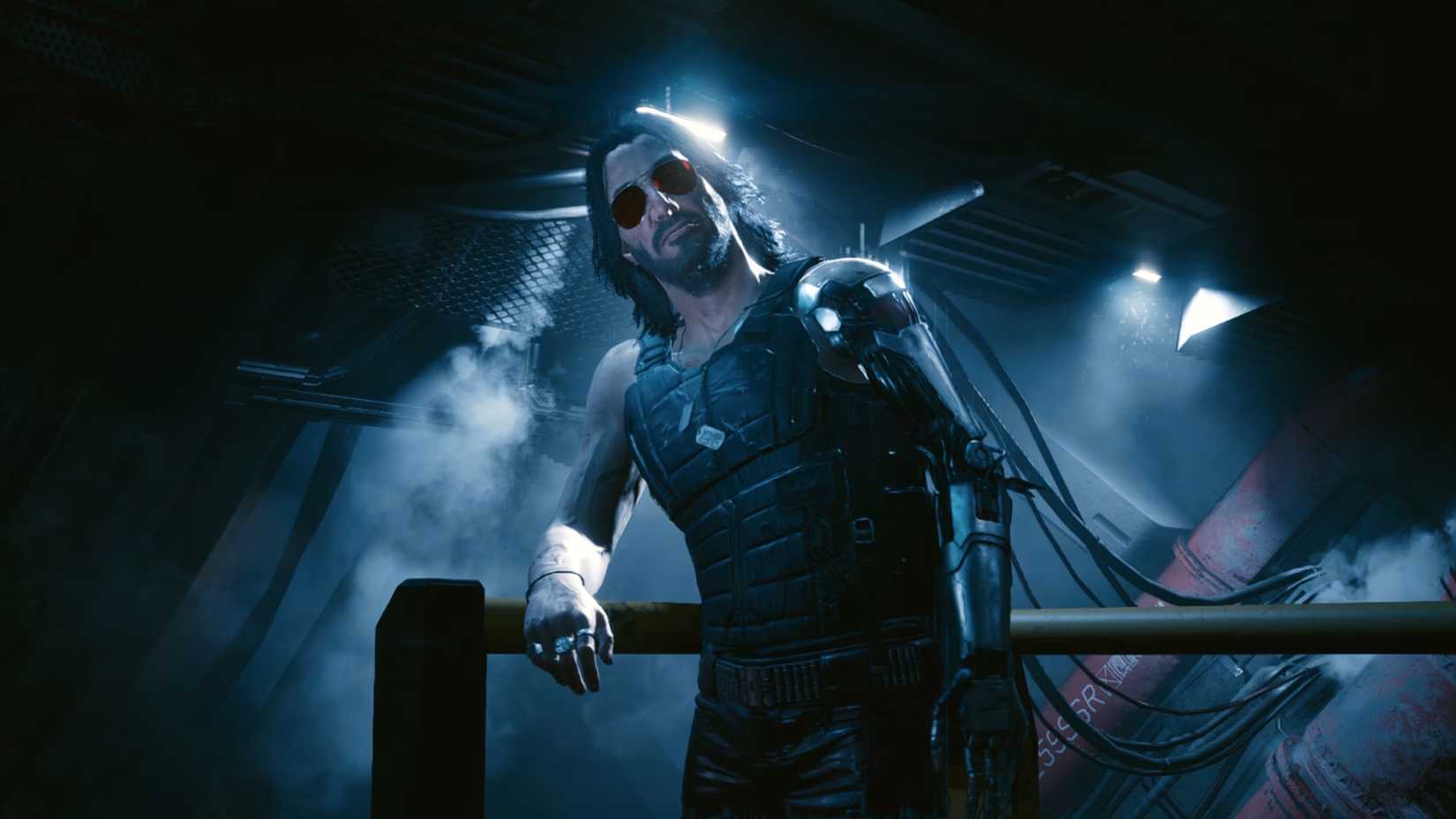
Under the working title Cyberpunk 2 (formerly Project Orion), CDPR is iterating on the lessons learned from the rocky launch of its predecessor. With a leadership team featuring veterans like Associate Game Director Pawel Sasko and Lead Quest Designer Sarah Grümmer, the project is officially in pre-production. The vision for this sequel is a sprawling, "Chicago-gone-wrong" urban landscape that promises a deeper, more atmospheric dive into the cyberpunk genre.
Meanwhile, Project Hadar remains the company’s most enigmatic venture. Unlike its siblings, Hadar is an entirely original IP. With a lean team of 26 developers, the studio is clearly allowing this project to incubate, focusing on a "character-driven, open-world experience" that isn’t tethered to the expectations of established franchises.
The Diaspora: Where Are the Architects of The Witcher 3?
The talent that defined the success of CD Projekt Red has not simply vanished; it has propagated into a series of highly anticipated independent ventures.
Rebel Wolves and The Blood of Dawnwalker
The most high-profile departure is arguably that of Konrad Tomaszkiewicz, the director of The Witcher 3. His new studio, Rebel Wolves, is currently nearing the finish line for The Blood of Dawnwalker. With a team composed of senior Witcher staff, including writer Jakub Szamalek and art director Bartłomiej Gaweł, the game serves as a spiritual successor to the design philosophies that made the Northern Kingdoms feel so alive.
The Blood of Dawnwalker puts players in the shoes of a "dawnwalker"—a hybrid human-vampire—set against the grim backdrop of 14th-century Europe. By focusing on the moral ambiguity of survival during the Black Death, the team is leaning into the dark, mature storytelling that fans of CDPR have come to expect.
Blank Game Studios
Mateusz Kanik, the co-director of The Witcher 3, has formed Blank Game Studios with fellow executive producers Jędrzej Mróz and Marcin Jefimow. Operating out of Warsaw, this small, agile team is working on an apocalyptic, character-driven title. Their philosophy is one of quality over scale, aiming to craft a tighter experience than the sprawling maps of the Witcher series.
Dark Passenger: A Shift to Feudal Japan
The team at Dark Passenger represents the technical backbone of the previous generation of CDPR games. Comprising veterans from the cinematic, art, and environment departments, this studio is developing a multiplayer stealth-action game set in feudal Japan. While updates have been scarce, the studio remains in an active recruitment phase, indicating that the project is still a primary focus of their internal development cycle.
Chronology of Expected Releases
| Title | Studio | Genre | Expected Window |
|---|---|---|---|
| The Blood of Dawnwalker | Rebel Wolves | Action RPG | Sept 2, 2026 |
| The Witcher 3: Songs of the Past | CDPR / Fool’s Theory | Expansion | 2027 |
| The Witcher 4 | CD Projekt Red | Open-World RPG | 2027–2028 |
| The Witcher Remake | Fool’s Theory | Remake | TBA |
| Cyberpunk 2 | CD Projekt Red | Sci-Fi RPG | 2030+ |
| Project Hadar | CD Projekt Red | Original IP | TBA |
Implications for the RPG Genre
The ripple effect of these departures is, perhaps counterintuitively, a net positive for the industry. For years, the "Witcher style"—characterized by deep, branching dialogue, moral greyness, and high-fidelity world-building—was viewed as the exclusive domain of CD Projekt Red. Now, that expertise is being dispersed across the industry.
By moving into new studios, veteran developers are avoiding the stagnation of working on a single franchise for a decade. Rebel Wolves and Blank Game Studios are effectively competing against their former employer, which forces CD Projekt Red to innovate rather than iterate. This competitive tension is exactly what the AAA RPG space needs to avoid becoming stale.
Furthermore, the shift toward smaller, more focused projects like those at Blank and Dark Passenger provides a necessary counterweight to the "bloated" open-world trend. We are seeing a divergence: CDPR continues to push the boundaries of massive, cinematic experiences, while their alumni are experimenting with tighter, genre-blending mechanics.
Official Responses and Industry Outlook
Management at CD Projekt Red has been surprisingly transparent about this talent migration, often framing it as a natural evolution. The studio remains confident in its ability to manage multiple large-scale projects simultaneously, though critics point to the massive discrepancy in team sizes (e.g., 499 on The Witcher 4 versus 26 on Hadar) as a potential risk factor.
However, the consensus among industry analysts is that the "Witcher DNA" is now resilient enough to survive across multiple companies. As these projects move out of the pre-production phase and into the public eye, we will likely see a new "golden age" of RPGs. Whether it is the return to the Continent in The Witcher 4 or the debut of new, gritty worlds in The Blood of Dawnwalker, the architects of Geralt’s journey have ensured that their influence will be felt for another decade.
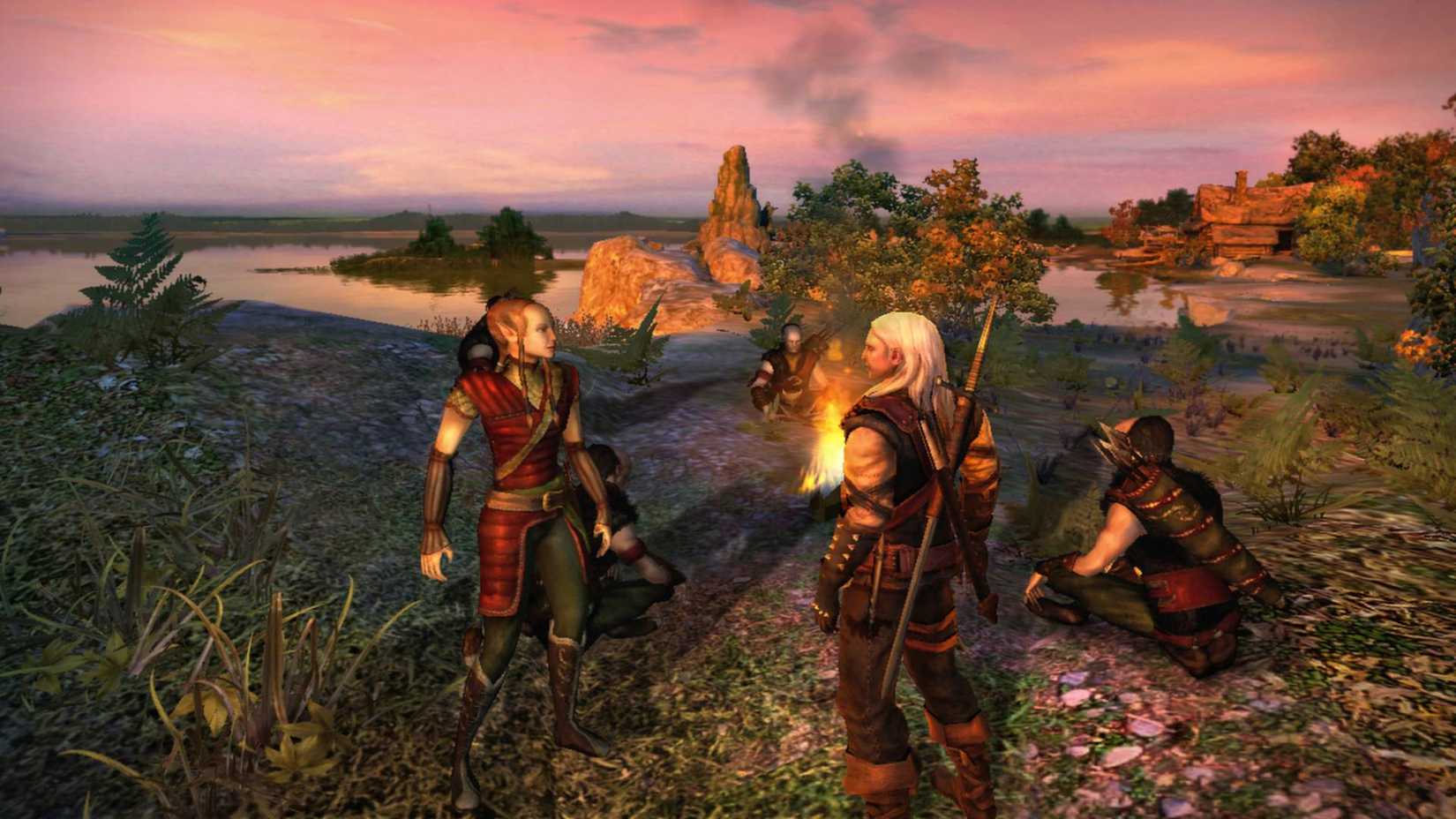
For the player, the takeaway is clear: the spirit of The Witcher 3 is not dying—it is diversifying. We are no longer waiting for one studio to save the RPG genre; we are waiting for a dozen different teams to define its future.

