

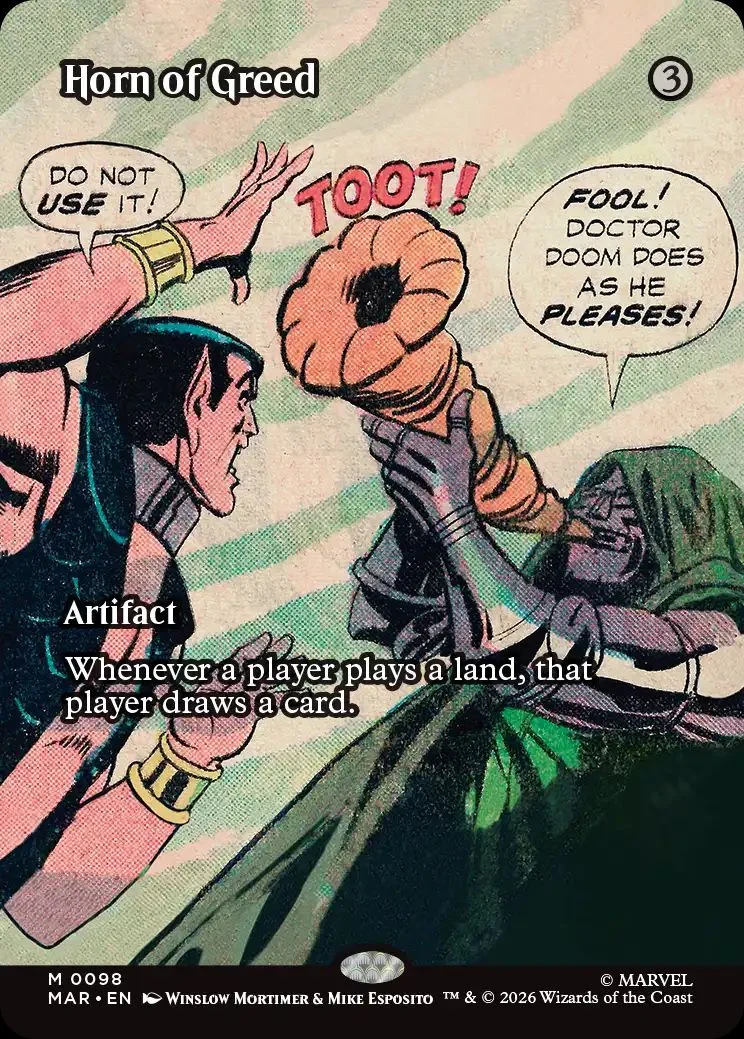
The intersection of two of pop culture’s most enduring pillars—Magic: The Gathering (MTG) and the Marvel Cinematic Universe—has finally arrived. For years, the Universes Beyond initiative has acted as a bridge, bringing iconic franchises like The Lord of the Rings, Fallout, and Warhammer 40,000 into the cardboard ecosystem of Wizards of the Coast’s premier trading card game. However, the release of the Marvel Super Heroes expansion marks a distinct shift in strategy, design philosophy, and mechanical ambition.
Driven by the enthusiasm of Mark Rosewater, MTG’s head designer and a self-professed comic book aficionado, this set aims to move beyond simple "character cameos" and into a fully realized, synergistic gameplay experience. If previous entries in the Universes Beyond line were guests at the party, Marvel Super Heroes is taking over the kitchen.
The Architect of the Expansion: Mark Rosewater’s Vision
It is no secret within the tabletop community that Mark Rosewater is a devotee of superhero lore. Often seen in interviews sporting classic comic book apparel layered under his signature flannel, Rosewater reportedly championed a Marvel collaboration since the inception of the Universes Beyond project.
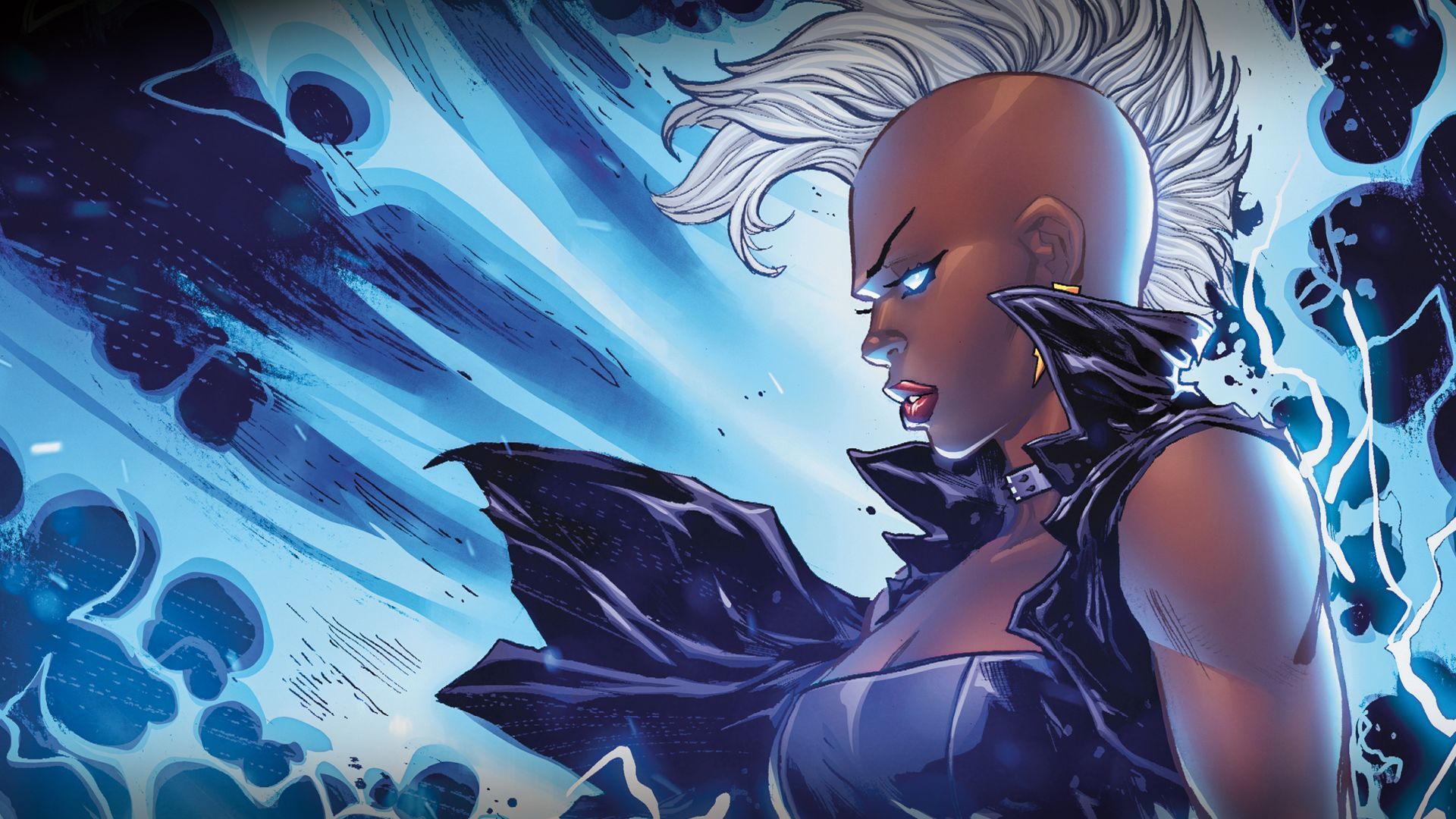
This deep personal investment is palpable in the design of the set. Unlike the earlier Spider-Man releases, which focused primarily on capturing the flavor of individual characters, the Marvel Super Heroes expansion introduces a rigorous mechanical framework. The design team has moved away from "top-down" design—where mechanics are shoehorned onto characters—in favor of "bottom-up" mechanical integration, where the game engine itself reflects the high-stakes, team-oriented nature of the Marvel universe.
A Chronology of Collaboration
The journey to this expansion began years ago, as Wizards of the Coast began exploring the viability of external IPs. The timeline of Universes Beyond has seen a steady progression in complexity:
- Early Phase: Initial releases like The Walking Dead Secret Lair drops tested player sentiment toward non-MTG cards in competitive formats.
- The "Lord of the Rings" Pivot: The Tales of Middle-earth set proved that a full-scale, draftable set based on an external IP could achieve unprecedented commercial success.
- The Marvel Era: Announced as a multi-year partnership, Marvel Super Heroes represents the most significant expansion of this initiative to date, featuring custom-built mechanics designed to mirror comic book storytelling tropes.
Mechanical Innovation: The Heart of the Set
What truly separates Marvel Super Heroes from its predecessors are the three pillars of its new mechanical identity: Plan, Teamwork, and Power-Up.
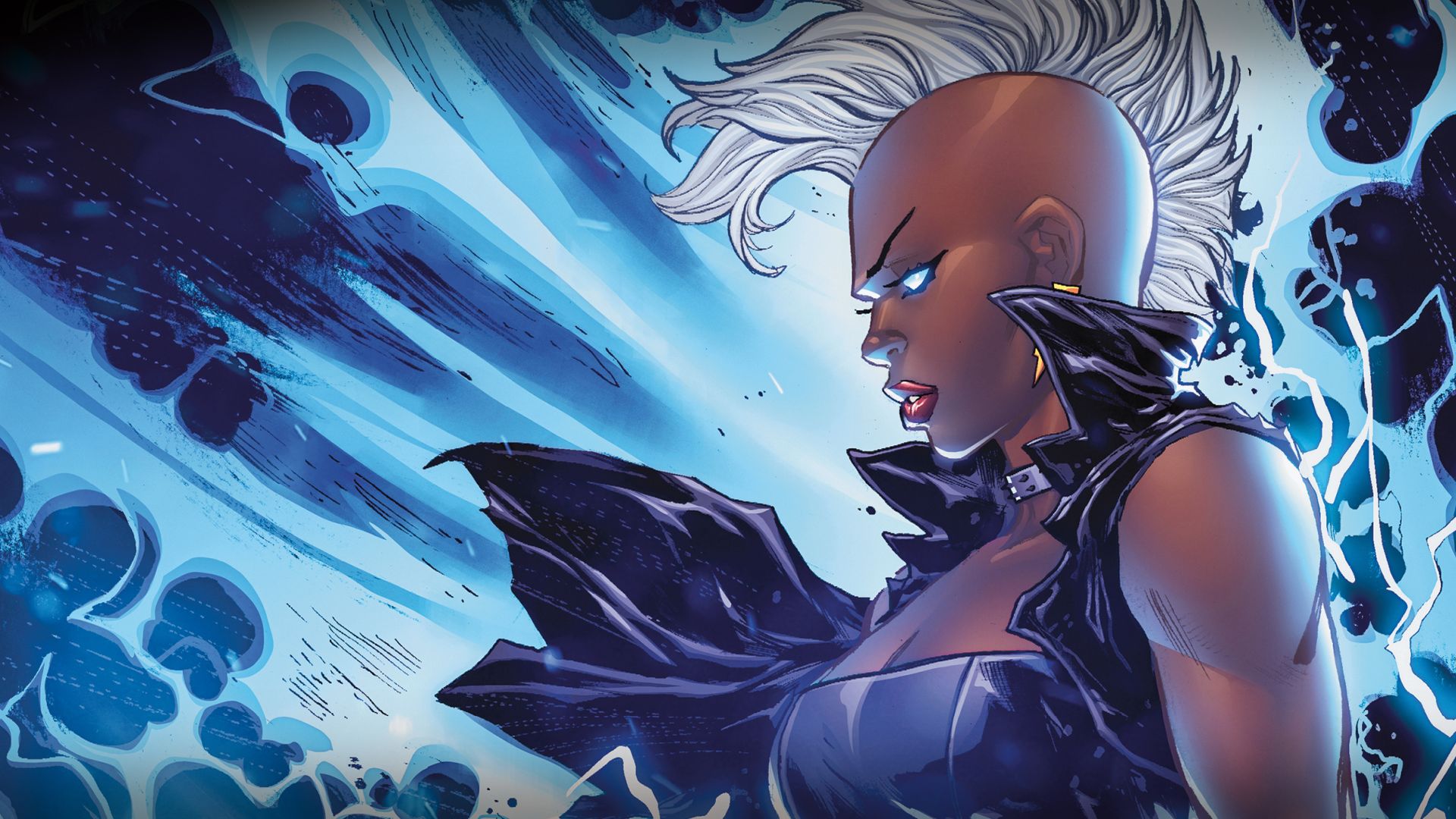
1. The "Plan" Mechanic: Villainy in Motion
The Plan mechanic introduces a form of persistent, modular enchantment that requires strategic patience. Players stack "plan counters" on these cards, advancing them turn-by-turn until the "Plan" is fulfilled, triggering a powerful, game-altering reward.
Take, for example, the Doom Reigns Supreme card. It advances whenever a player deploys a Villain. Upon completion, it allows a player to exile the top five cards of an opponent’s deck and cast two of them for free. When combined with the Doctor Doom creature card—which generates Doombot tokens that count as Villains—the player can trigger multiple "Plan" advancements in a single turn. It is a masterful representation of the calculated, incremental machinations of Victor Von Doom.
2. Teamwork: Strength in Unity
The Teamwork ability is designed to reward board state management. By allowing players to tap additional creatures as a supplemental cost to casting instants or sorceries, the game incentivizes a "squad-based" approach.
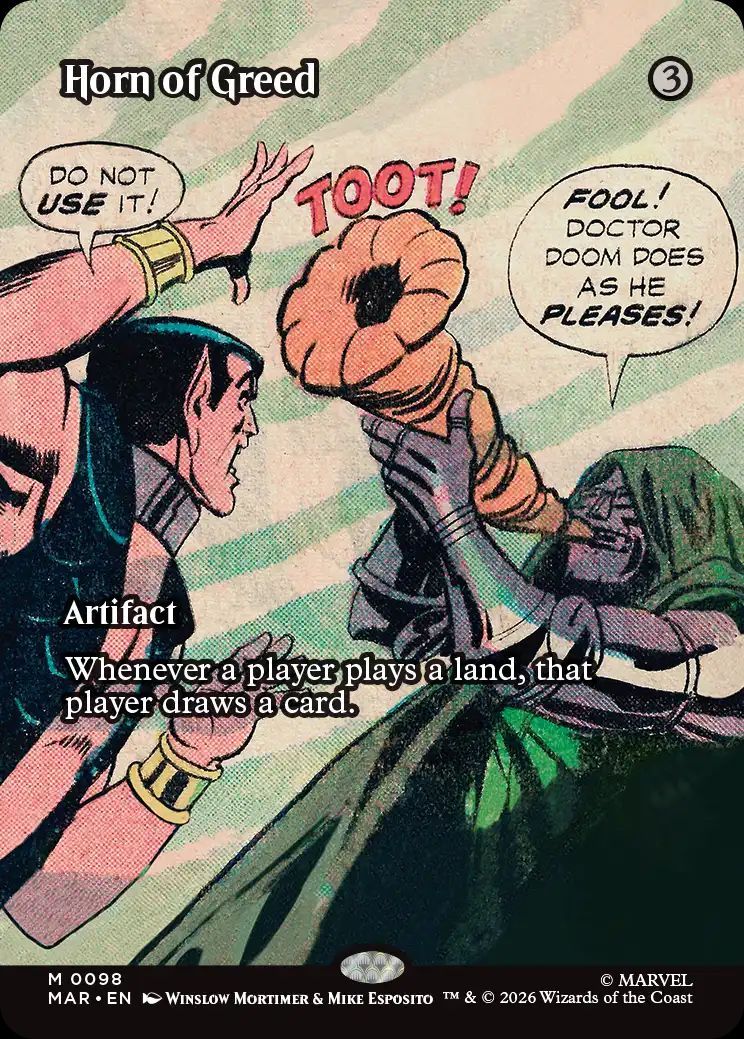
The HULK SMASH! card serves as the perfect case study. In a standard play, it is a binary choice: destroy an artifact or deal damage based on power. However, with the Teamwork cost paid, the player executes both. It effectively captures the feeling of a coordinated hero strike, where the sum is greater than the individual parts.
3. Power-Up: The Iconic Moment
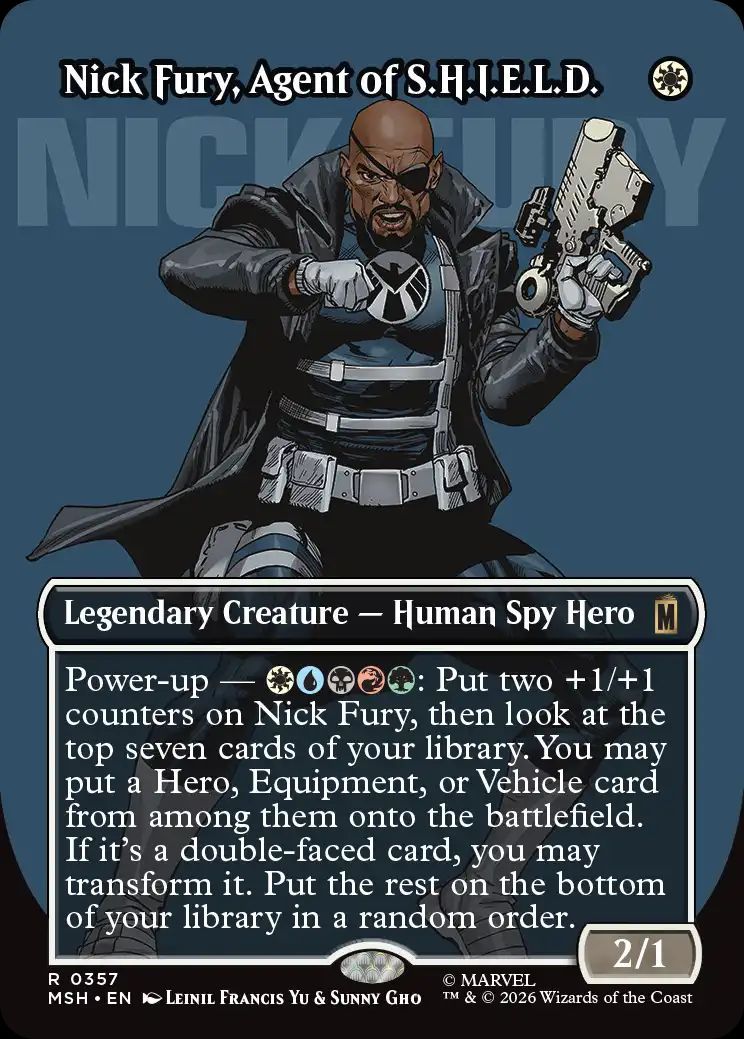
Power-Up represents the one-time, explosive potential of a superhero’s signature move. Nick Fury’s card, for instance, perfectly mimics his role as a recruiter. Upon activation, the player gains access to a deck-searching mechanic that puts a Hero, Vehicle, or Equipment directly onto the battlefield.
This mechanic is particularly potent because of the set’s heavy reliance on double-faced cards. These cards allow players to transition from a "secret identity" (e.g., Bruce Banner) to a "superhero form" (e.g., The Hulk). The Power-Up system allows for this flip to happen instantaneously, bypassing the standard, often cumbersome mana costs associated with such transformations.
Integrating the Infinity Stones
No Marvel set would be complete without the MacGuffins that defined the Infinity Saga. The Mind Stone serves as the archetype for this expansion’s artifact utility. By allowing players to "flash" a card out of play and return it, the stone acts as a mechanism to reset Power-Up abilities. This creates a recursive loop of gameplay that high-level players will undoubtedly exploit to create powerful, engine-based combos.
Implications for the Magic: The Gathering Ecosystem
The Marvel Super Heroes set is not just for Marvel fans; it is designed to be a "plug-and-play" injection of power and utility for existing decks.
- Tribal Synergy: The inclusion of characters like Namor, whose power scales with the number of Merfolk on the board, ensures that the set integrates seamlessly into existing tribal archetypes.
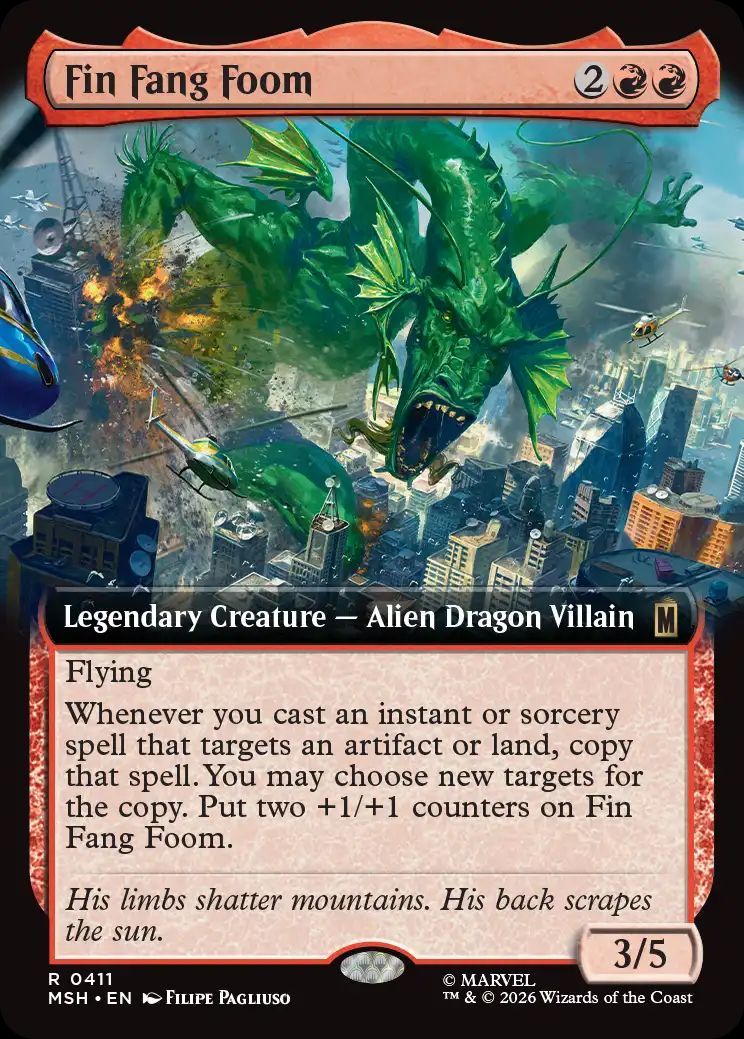
- Anti-Meta Tech: Cards like Fin Fang Foom—designed to punish players relying on artifact-heavy or land-heavy strategies—provide tools for players looking to disrupt the current competitive landscape.
- Format Versatility: By launching simultaneously on tabletop and Magic: The Gathering Arena, Wizards of the Coast is ensuring that the Marvel experience is accessible to both the physical card collector and the digital competitive grinder.
Official Stance and Community Reception
Wizards of the Coast has framed this release as a celebration of storytelling. In press statements, the design team emphasized that the goal was to make the players feel like they are writing their own comic book issues.
"We didn’t just want to print a picture of Wolverine on a card," a design lead noted in early developer logs. "We wanted the player to feel the frustration of an opponent facing down a berserker rage."
While some purists remain skeptical of the Universes Beyond brand, the mechanical depth of Marvel Super Heroes has silenced many critics. By introducing mechanics that are as robust as those found in Modern Horizons or standard expansion sets, the team has proven that external IPs can coexist with, and even enhance, the core Magic ruleset.
Conclusion: A New Frontier
The Marvel Super Heroes expansion is a landmark moment for Magic: The Gathering. It represents the maturation of the Universes Beyond strategy, proving that the game can successfully marry the narrative weight of a blockbuster franchise with the complex, tactical engine that made Magic the world’s most popular trading card game.
Whether you are a longtime fan of the Multiverse or a newcomer drawn in by the Avengers, the set offers a deep, rewarding experience that balances thematic flavor with genuine competitive innovation. With the expansion now available globally, the only question remaining is: what is the next chapter in this grand, multiversal crossover?
As of now, the cards are on the table, and the battle for the fate of the board has only just begun.

