

In the storied history of Destiny 2, the community has long maintained a symbiotic, often adversarial relationship with the game’s complex systems. From the early days of "loot caves" to the legendary exploits that turned raid encounters into trivial exercises, players have consistently pushed the boundaries of Bungie’s sandbox. However, the latest content update, the Monument of Triumph, has triggered a phenomenon so widespread and overtly game-breaking that the developers have taken an unprecedented stance: rather than rushing to extinguish the fire, they are inviting the community to dance in the flames.
The Genesis of the "Artifactening"
The trouble began shortly after the deployment of the Monument of Triumph update. Intended as a grand celebration of the franchise’s legacy, the update introduced a suite of new seasonal Artifact perks designed to give players an edge in the game’s final, most challenging content. Due to a technical oversight in how these perks are registered within the game’s code, players discovered that they could stack identical Artifact mods, effectively multiplying their power output exponentially rather than linearly.
This "near-infinite damage" bug, as it has been dubbed, allows Guardians to reach levels of lethality that border on the absurd. By layering these stacked perks, players are obliterating raid bosses—encounters traditionally requiring precise coordination, specific loadouts, and significant time investment—in a matter of seconds. What was intended to be a strategic buff has transformed into a god-mode glitch that has fundamentally rewritten the rules of engagement in the Destiny sandbox.
A Chronology of the Chaos
The discovery of the exploit occurred almost immediately following the update’s live release. On June 16, 2026, social media platforms and community hubs like the Destiny subreddit were flooded with clips demonstrating the sheer scale of the damage.
- Day One (Discovery): Initial reports surfaced of players achieving "one-hit" kills on high-health targets. Early testers identified that the stacking mechanism wasn’t just a UI error; it was actively processing multiple instances of damage multipliers simultaneously.
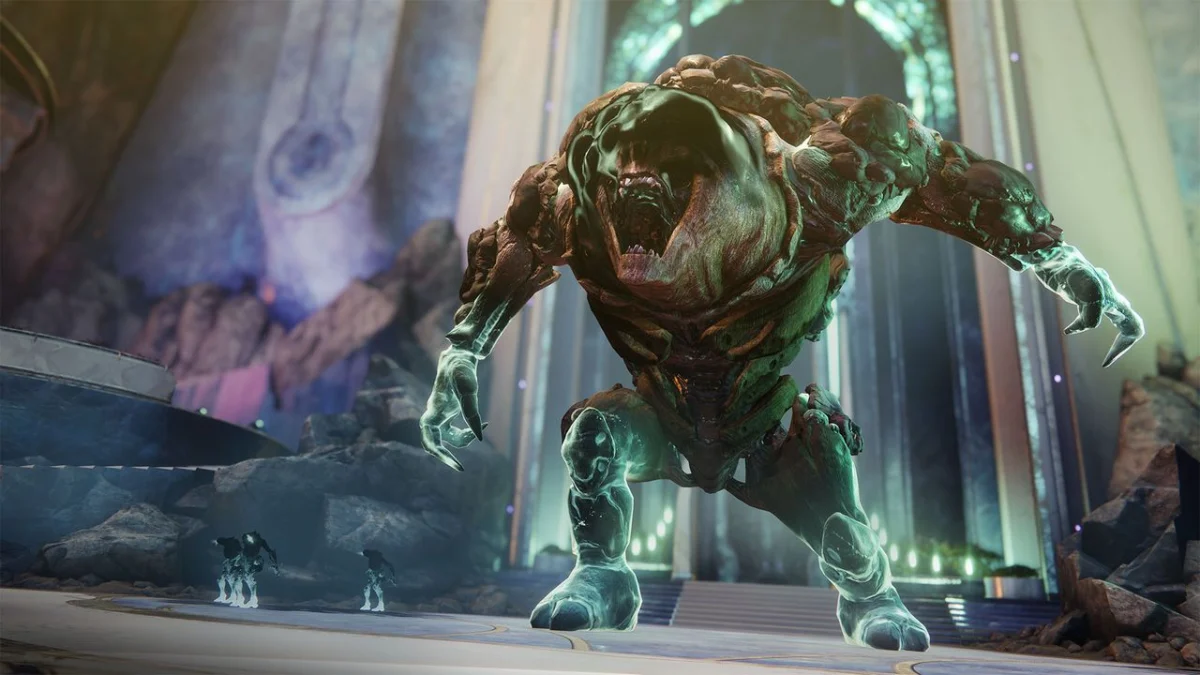
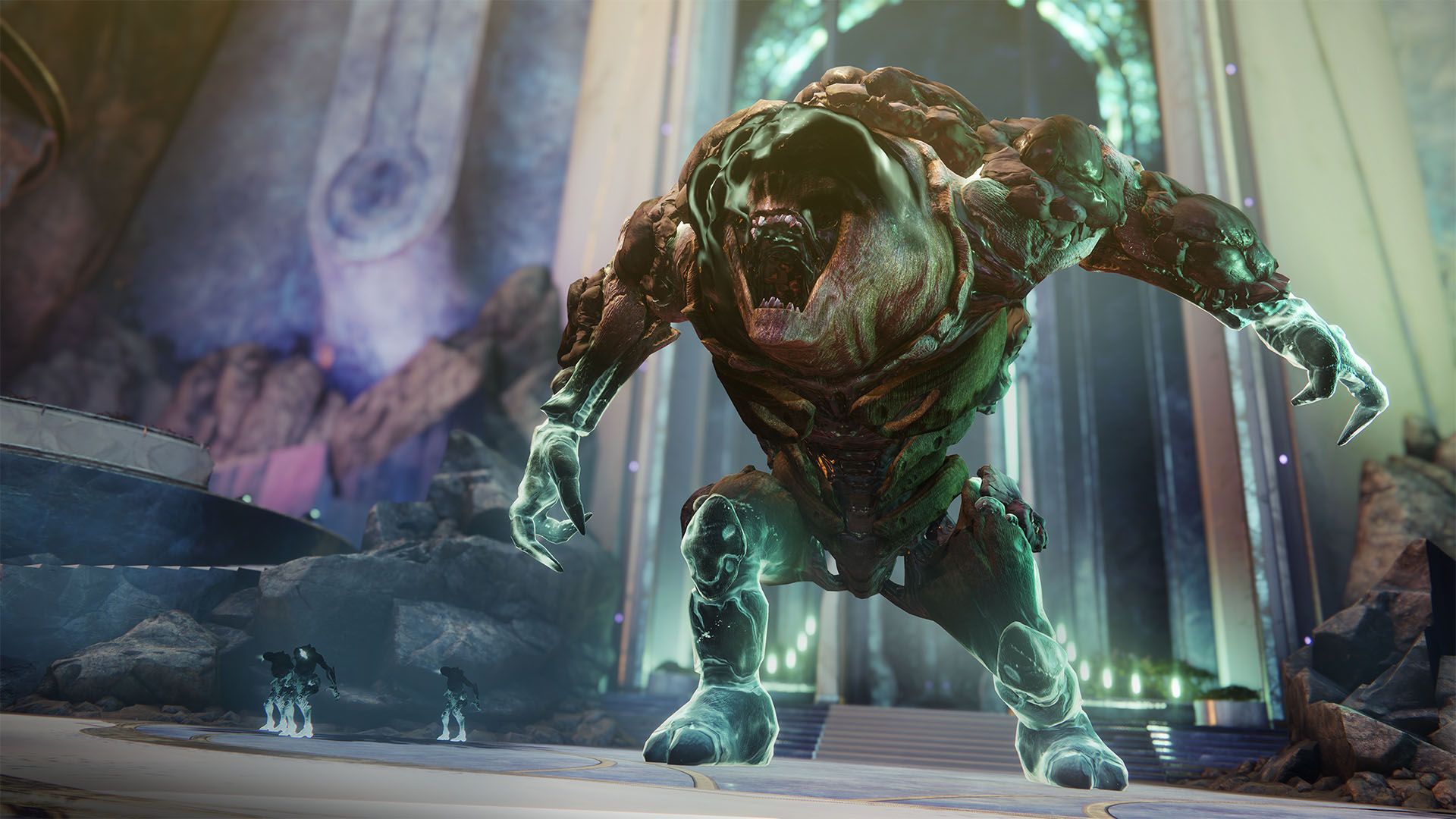
- Day Two (The Spread): As the method for the exploit became public knowledge, the community began applying it to iconic encounters. Atheon, the legendary Vault of Glass boss, became the primary target, with players showcasing clips of his total disintegration within seconds of the damage phase starting.
- Day Three (The Response): Recognizing the situation, Bungie’s communications team took to X (formerly Twitter) to address the anomaly. Instead of a standard "we are investigating a fix," the message was one of playful surrender, labeling the event "The Artifactening."
- Day Four to Present: The community has since moved from simple boss-melting to creative experimentation, treating the game’s most difficult content as a playground for testing the limits of their newfound, illicit power.
The Mechanics of Destruction
The technical nature of the exploit lies in the seasonal Artifact’s interaction with player loadouts. By manipulating the interface to equip multiple copies of the same perk—a feat usually prevented by hard-coded constraints—the game engine fails to calculate the diminishing returns that are typically applied to prevent power creep.
For instance, videos shared by content creators show a "Chaos Reach" Warlock super performing at a magnitude far beyond its intended ceiling. When the damage numbers are compared side-by-side—a standard, intended Chaos Reach versus a "stacked" version—the difference is not merely marginal; it is an order of magnitude, effectively rendering the game’s health pools for bosses like Morgeth or Atheon irrelevant.
While the damage potential is the star of the show, it is not the only way players are bypassing Bungie’s carefully constructed encounters. The Monument of Triumph update has also seen a resurgence in "physics-based cheesing." Players are utilizing specific abilities to physically shove raid bosses off the edge of their arenas. This technique, while age-old in the Destiny community, has been perfected in The Pantheon, where players have found that even the most formidable entities can be sent plummeting into the abyss with a well-timed Ward of Dawn or a specific combination of knockback effects.
Official Responses: Bungie’s "Be Brave" Mandate
In a move that has surprised many veteran players, Bungie has chosen a path of indulgence. Recognizing that Destiny 2 is approaching the final stages of its lifecycle, the developers have decided to prioritize community engagement over strict mechanical adherence.
"While we’re planning a fix (next week likely), we think this is a bit fun," the official Destiny 2 team stated on X. "Go ahead. Get out there, beat up on Atheon. Destroy some bosses. Do your thing."
The studio went on to explicitly encourage the community to document their exploits, asking players to "send us your videos" and "have some fun." This sentiment was echoed by Bungie communications manager, dmg04, who noted on social media: "It wouldn’t be a Destiny release if you couldn’t bump a boss off a ledge."
However, the leniency is not absolute. To protect the competitive integrity of the game’s ecosystem, Bungie has preemptively disabled Artifacts in all Player-versus-Player (PvP) modes. The studio is aware that allowing such game-breaking damage in the Crucible would result in a total collapse of the competitive experience. By cordoning off the chaos, they have managed to foster a "wild west" atmosphere in the game’s PvE (Player-versus-Environment) activities while maintaining a semblance of balance in the competitive arena.
Implications for the Future of Destiny 2
The decision to allow "The Artifactening" to persist for a week carries significant implications for both the developer-player relationship and the game’s final state.
The Philosophy of "Playful Patching"
This approach represents a shift in how live-service games manage bugs. Historically, developers have treated exploits as "errors to be crushed," often leading to frustration when popular shortcuts are patched out. By acknowledging the bug as a source of fun, Bungie is validating the player desire for power fantasies. This fosters goodwill, transforming a technical embarrassment into a communal event.
The Legacy of the Final Act
As Destiny 2 winds down, the focus of the community is shifting toward "victory laps." Players are revisiting content they once struggled with, now armed with the tools to dominate it completely. This creates a sense of closure, allowing players to feel like the god-tier Guardians the lore has always claimed them to be.
Technical Debt and Future Development
While the temporary fix is lighthearted, it underscores the inherent complexity of the game’s architecture. The fact that such a systemic error could exist suggests that the game’s code, built over nearly a decade, has reached a level of complexity where unforeseen interactions are inevitable. For Bungie, this serves as a reminder of the challenges involved in balancing a game that has grown significantly beyond its original scope.
Conclusion: A Fitting Farewell
The "Artifactening" is more than just a bug; it is a cultural moment within the Destiny community. It serves as a testament to the game’s enduring appeal and the community’s relentless drive to optimize and break the systems placed before them.
For the next week, the bosses of Destiny 2 are not the gatekeepers of progress, but the punching bags of a community that has spent years learning their patterns and their weaknesses. As players continue to post videos of one-hit kills and gravity-defying boss eliminations, they are doing so with the blessing of the creators.
Bungie’s call to "Be Brave" is a fitting mantra for this final chapter. By leaning into the chaos rather than fearing it, the studio has allowed Destiny 2 to go out not with a whimper, but with a series of massive, artifact-stacked explosions. Whether this will lead to a new standard for how developers handle game-breaking bugs remains to be seen, but for now, the Guardians are having the time of their lives—and in the world of live-service gaming, that is a rare, if chaotic, victory.

