

PITTSBURGH — For nearly two decades, Mike Tomlin was the stoic, sharp-tongued architect of the Pittsburgh Steelers, a legendary NFL head coach renowned for his unwavering resilience. When he stepped down in 2025, he left behind a storied legacy: 19 consecutive seasons without a losing record, 13 playoff appearances, eight division titles, and a Super Bowl ring.
Yet, as the sports world digested the end of an era, a completely different side of the Hall of Fame-caliber coach emerged from the digital shadows.
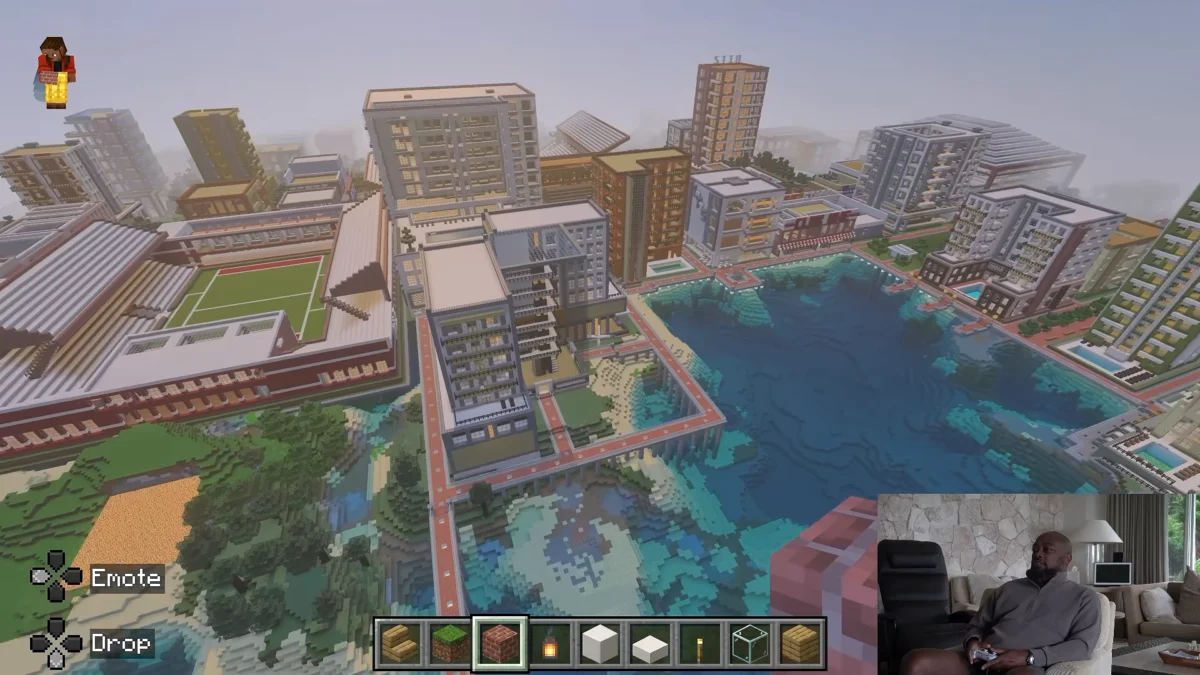
In a meticulously produced YouTube video released on Wednesday, Tomlin unveiled a secret he had been harboring since 2014: a sprawling, exquisitely detailed virtual metropolis built entirely by hand inside Minecraft. Over the course of 12 years, while managing the crushing, high-stakes pressure of leading one of America’s most storied sports franchises, Tomlin had been meticulously placing digital blocks to construct a massive, functional urban paradise.
The revelation has sent shockwaves through both the National Football League and the gaming community, sparking lighthearted debates about multitasking, architectural passion, and the hidden lives of professional sports figures.
Main Facts: The Grand Reveal
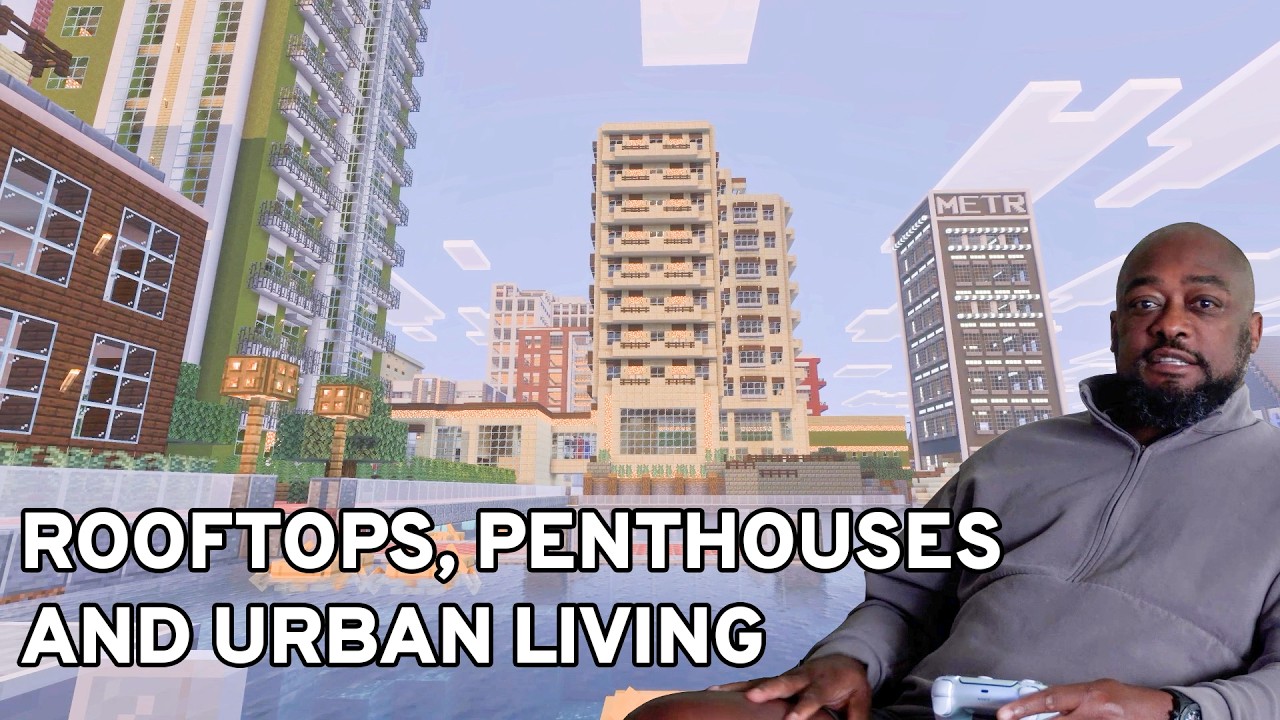
The debut video, titled EP 1: ROOFTOPS, PENTHOUSES, AND URBAN LIVING, introduces viewers to a world that defies typical Minecraft expectations. Far from the crude dirt huts or cobblestone boxes built by casual players, Tomlin’s creation is a sophisticated, highly polished urban ecosystem.
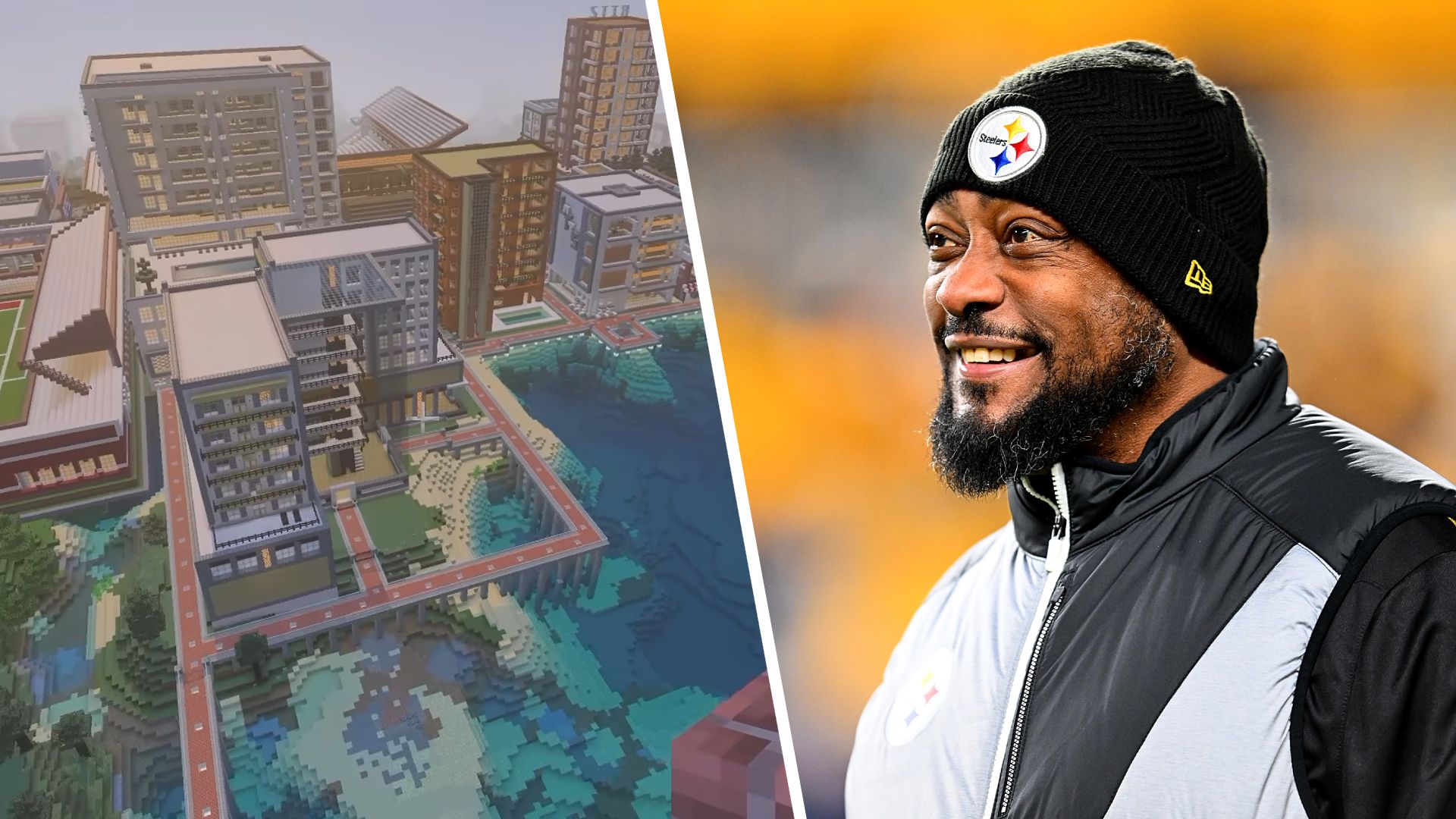
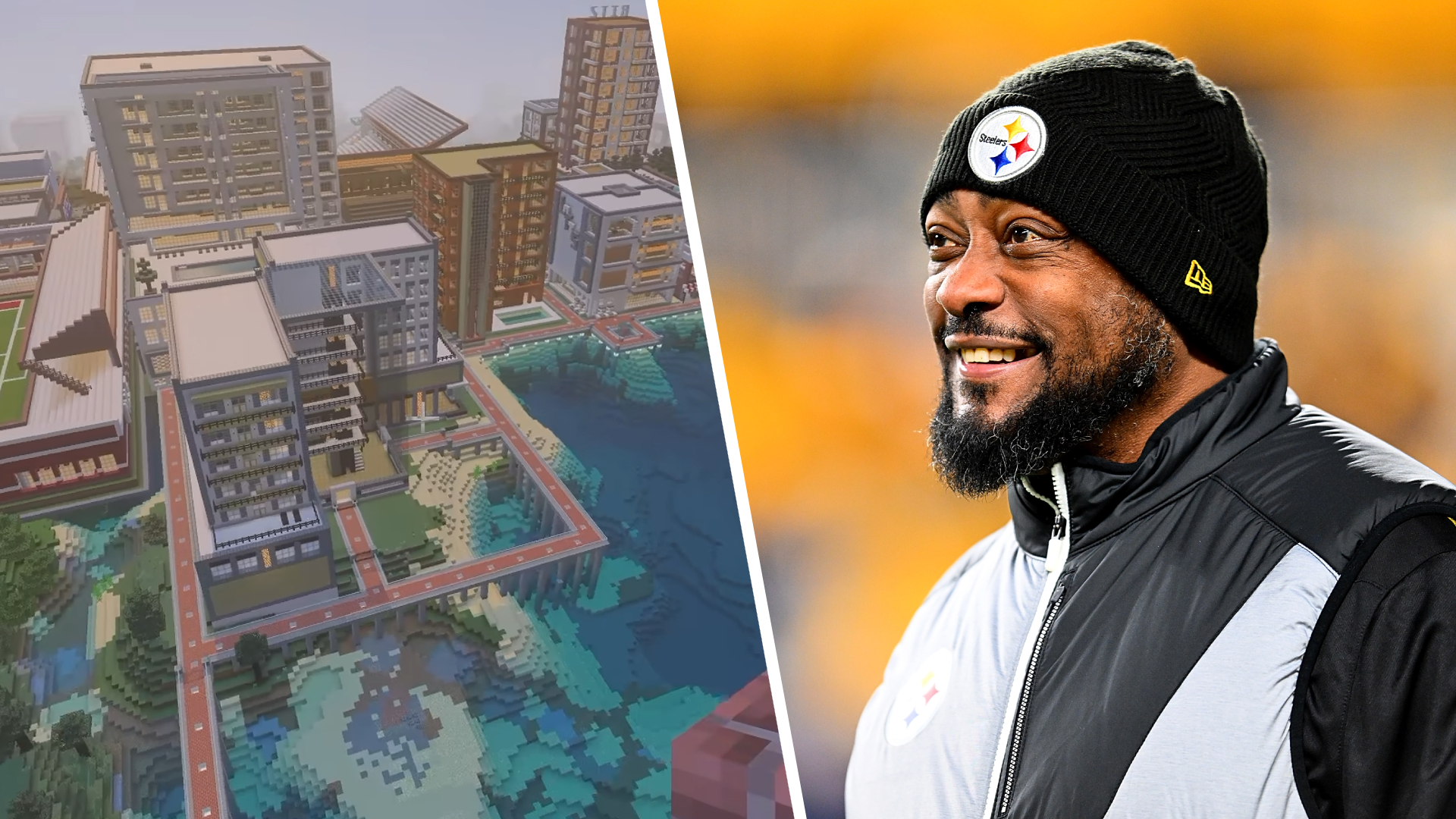
With a PlayStation controller in hand, Tomlin guides viewers through a stunning waterfront district centered around a sprawling bay. The skyline boasts towering skyrises, luxury hotels, multi-story apartment complexes, and meticulously planned public spaces. Every structure features deliberate architectural considerations: customized color schemes, intricate exterior detailing, private balconies, courtyards, stone balustrades, chic awnings, and sprawling public plazas.
Among the highlights showcased in the tour:
- The Pioneer Hotel: A boutique hospitality masterpiece constructed from cut red sandstone, complemented by marble and birchwood walkways. It features a multi-floor executive spa with therapy rooms, a glass-ceilinged multi-purpose conference room, an indoor-outdoor restaurant with terrace seating, and fully realized public restrooms complete with sinks and stalls fashioned from cleverly repurposed Minecraft fixtures.
- The Subterranean Speakeasy: Tucked beneath the hotel, Tomlin engineered a hidden basement lounge illuminated by the warm glow of glowstone blocks, offering patrons a clear underwater view directly into the hotel pool through custom windows, alongside an adjacent employee break area and industrial kitchen.
- Urban Infrastructure: The city is not merely aesthetic; it mimics real-world municipal planning. Tomlin’s metropolis includes themed residential high-rises with integrated aquariums, local commercial mainstays like recreated CVS pharmacies, athletic complexes featuring baseball fields and soccer stadiums, and ultra-modern rooftop penthouses.
Throughout the tour, Tomlin emphasizes a philosophy centered on user experience, noting how he carefully evaluated interior lighting, spatial flow, and the scenic vistas future digital occupants would enjoy from their windows.
Chronology: A Dual Life Forged in 2014
To understand how a busy NFL head coach found the time to build a virtual city, one must look back to the origins of the project.
Tomlin’s introduction to Minecraft was entirely organic. Around 2014, his children entered their middle-school years and became deeply absorbed in Mojang’s block-building phenomenon. Initially a bemused observer, Tomlin found himself fascinated by the sheer level of engagement the game demanded from young minds.
Having "always had an interest in architecture," the coach gravitated toward the game’s Creative Mode, where players are given infinite resources to build without survival mechanics getting in the way. While his children eventually grew up and moved on to other hobbies, Tomlin remained captivated. For the head coach, the act of virtual construction transformed into a vital coping mechanism.
"It allowed me to detach from the realities and pressures of life," Tomlin explains in the video.
For 12 years, whenever the stresses of the NFL season became too heavy—following grueling losses, intense media scrutiny, or grueling roster rebuilds—Tomlin retreated to his console. Block by block, floor by floor, a sleepy coastal settlement evolved into a towering, densely populated metropolis.
Supporting Data: The Tomlin Household and the PlayStation Drought
The revelation of Tomlin’s decade-long gaming habit instantly brought unexpected clarity to domestic life in the Tomlin household. Shortly after the video dropped, Tomlin’s son, Mayce Tomlin, took to social media to share a hilarious perspective on growing up with a secret gamer dad.
"Bro I used to come home sometimes and my PlayStation would just be gone. And I wasn’t in trouble," Mayce posted on X (formerly Twitter), highlighting the extent of his father’s dedication to the project.
Beyond household anecdotes, football analysts and statisticians quickly began cross-referencing the timeline of Tomlin’s virtual city with the on-field performance of the Pittsburgh Steelers. The results painted a fascinating, albeit ironic, statistical picture:
- The Early Era (2007–2013): Before breaking ground on his Minecraft metropolis, Tomlin’s Steelers teams played with a ferocious edge, posting a stellar postseason win rate of 62.5%.
- The Architecture Era (2014–2025): Coinciding directly with the construction of his virtual city, the Steelers experienced a notable decline in playoff success. During these 11 years, Pittsburgh’s postseason win rate dropped to a mere 25%.
- The Playoff Drought: In the latter half of his tenure, the Steelers managed only three total playoff victories and suffered through a grueling stretch of nine consecutive seasons without a single postseason win.
While sports commentators have jokingly debated whether the team’s playoff struggles were directly correlated to Coach Tomlin spending his evenings engineering rooftop penthouses and aquarium-laden high-rises, the juxtaposition has added a layer of legendary folklore to the end of his coaching career.
Official Responses and Public Reaction
The sports and gaming worlds have reacted to Tomlin’s double life with a mix of awe, humor, and admiration. For years, Tomlin was known to the public strictly through his intense, hyper-focused game-day persona—famously dropping catchphrases like "The standard is the standard" and warning against "the railway to nowhere."
Seeing that same relentless discipline applied not to Cover-2 defenses, but to interior lighting design and red-sandstone masonry, has fundamentally shifted public perception of the coach.
Fellow gamers and streaming personalities have praised Tomlin’s spatial awareness and eye for design, noting that many professional digital builders take years to achieve the level of structural variety and functional detail present in his city. Meanwhile, NFL fans have expressed amusement that while analysts were dissecting playbook inefficiencies, Tomlin was quietly solving urban planning crises in a sandbox video game.
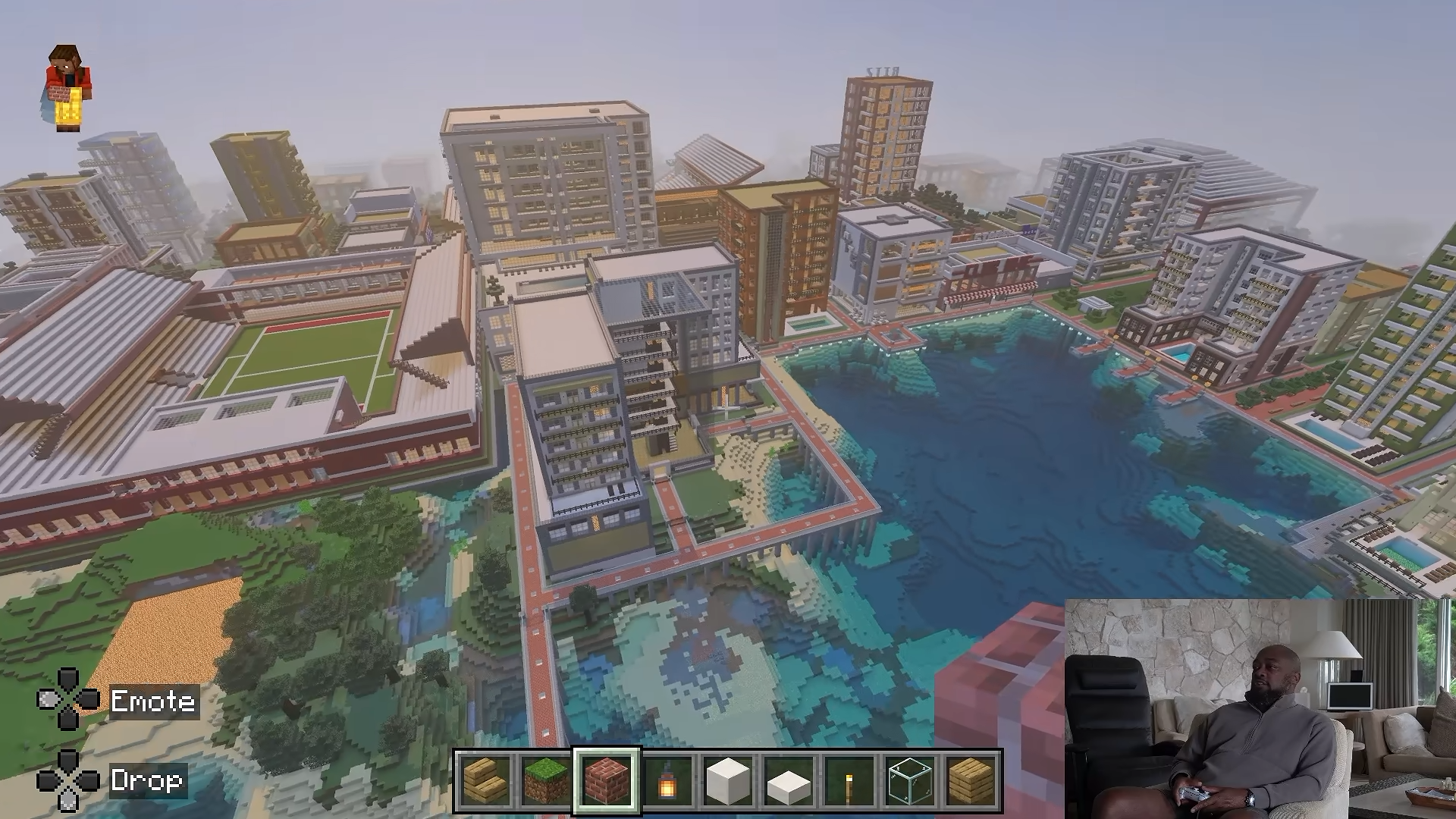
Social media platforms exploded with memes depicting Tomlin drawing up blitz packages on a whiteboard while secretly contemplating whether quartz or birch pillars would better complement a hotel lobby.
Implications: What’s Next for Coach Tomlin?
The release of EP 1 is merely the opening salvo in what promises to be an ongoing docuseries. Tomlin’s other son, Dino Tomlin—who has taken the reins as the project’s video producer and documentarian—has confirmed that multiple follow-up episodes are already in production.
Future installments will presumably guide viewers deeper into other districts of the sprawling metropolis, revealing more commercial zones, transit systems, and architectural wonders hidden within the save file.
For Mike Tomlin, stepping down from the Pittsburgh Steelers in 2025 marked the end of a legendary chapter in professional football, but it clearly opens the door to new frontiers. Whether he chooses to pursue real-world architectural consulting, expand his YouTube presence, or simply dedicate his newly found retirement freedom to adding skyscrapers to his digital empire, one thing is certain.
The standard for celebrity Minecraft builds has officially been set—and in true Mike Tomlin fashion, it’s a high bar. Fans eagerly awaiting the next tour can keep a close eye on Tomlin’s official YouTube channel, ready to see just how far the former coach’s urban planning vision extends.

