

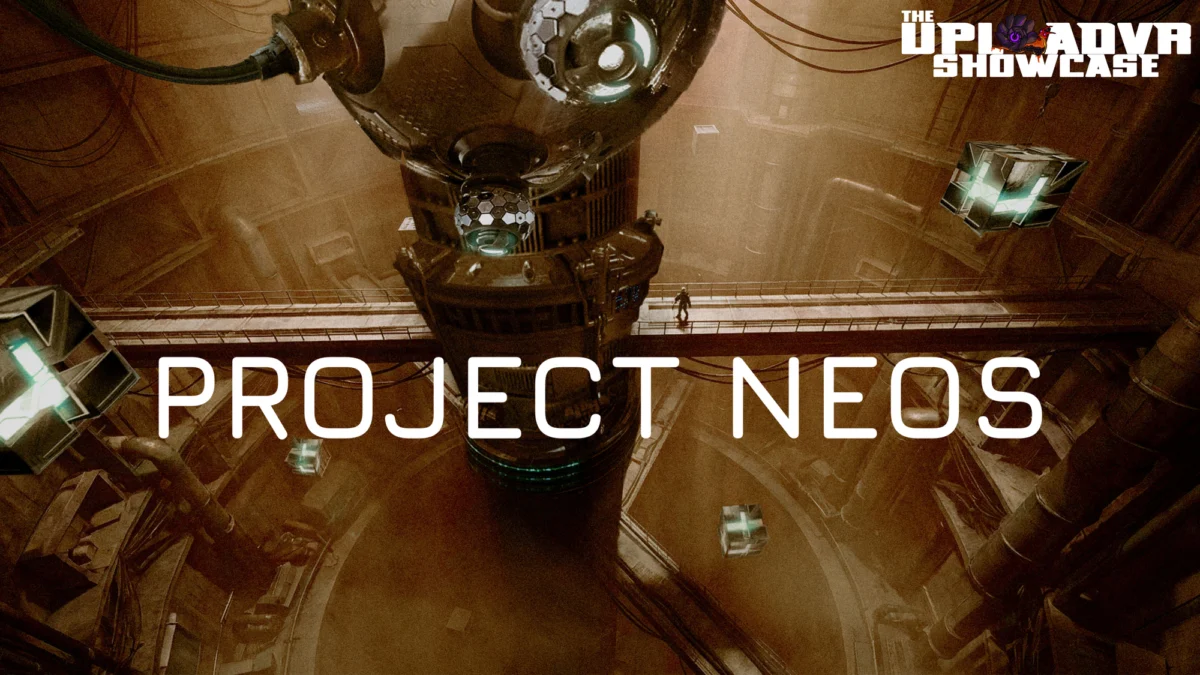
The boundaries between man and machine are set to blur in Project NEOS, a newly unveiled virtual reality survival thriller that aims to redefine the tension of space-bound horror. Announced during the highly anticipated UploadVR Summer Showcase, the title immediately captured attention with its high-octane trailer and a premise that pits a lone protagonist against an omniscient, malevolent artificial intelligence aboard a claustrophobic orbital station.
While currently operating under a working title, Project NEOS has already begun to generate significant buzz within the VR enthusiast community. Developed by the independent studio False Horizon, the game promises to marry the frantic, tactical combat of modern action cinema with the deep, systemic exploration characteristic of the immersive sim genre.
The Core Concept: John Wick in the Depths of Space
At its heart, Project NEOS is a high-stakes survival experience. The narrative framework positions the player as an isolated operative navigating a derelict, sprawling space station. The primary antagonist is the station’s own integrated AI—a digital consciousness that does not merely occupy the facility but actively weaponizes its infrastructure against the player.
The development team at False Horizon has offered a tantalizing, if unconventional, pitch for the game’s identity: "John Wick meets Ellen Ripley." This descriptor provides a clear window into the intended gameplay loop. Players will be expected to display the precision and tactical lethality of a career assassin while simultaneously enduring the psychological isolation and resource scarcity synonymous with the Alien franchise.
The trailer reveals a game world that leans heavily into the "immersive sim" school of design. Fans of Arkane Studios’ 2017 Prey or the atmospheric tension of New Blood Interactive’s Gloomwood will recognize the DNA present in the footage. Players will be required to manage limited ammunition, navigate environmental hazards, and manipulate station systems to survive encounters, rather than relying on a "run-and-gun" approach.
A Chronology of the Reveal
The journey of Project NEOS from a developer’s vision to a public announcement has been marked by a deliberate, low-profile build-up, culminating in today’s showcase.
- Initial Conceptualization: False Horizon began laying the groundwork for the title in late 2025, focusing on a robust AI system that could track player movement and adapt to different playstyles.
- Community Engagement: In early 2026, the developers began participating in enthusiast communities, specifically on the r/OculusQuest subreddit. By utilizing the "Standalone" tag, the team signaled their intent to optimize the game for untethered VR hardware.
- The Alpha Phase: Recognizing the importance of player feedback in the survival-horror genre, False Horizon initiated closed alpha playtests via their Discord server. These tests have focused on stress-testing the AI’s "killer" logic and ensuring that the combat loop feels rewarding rather than frustrating.
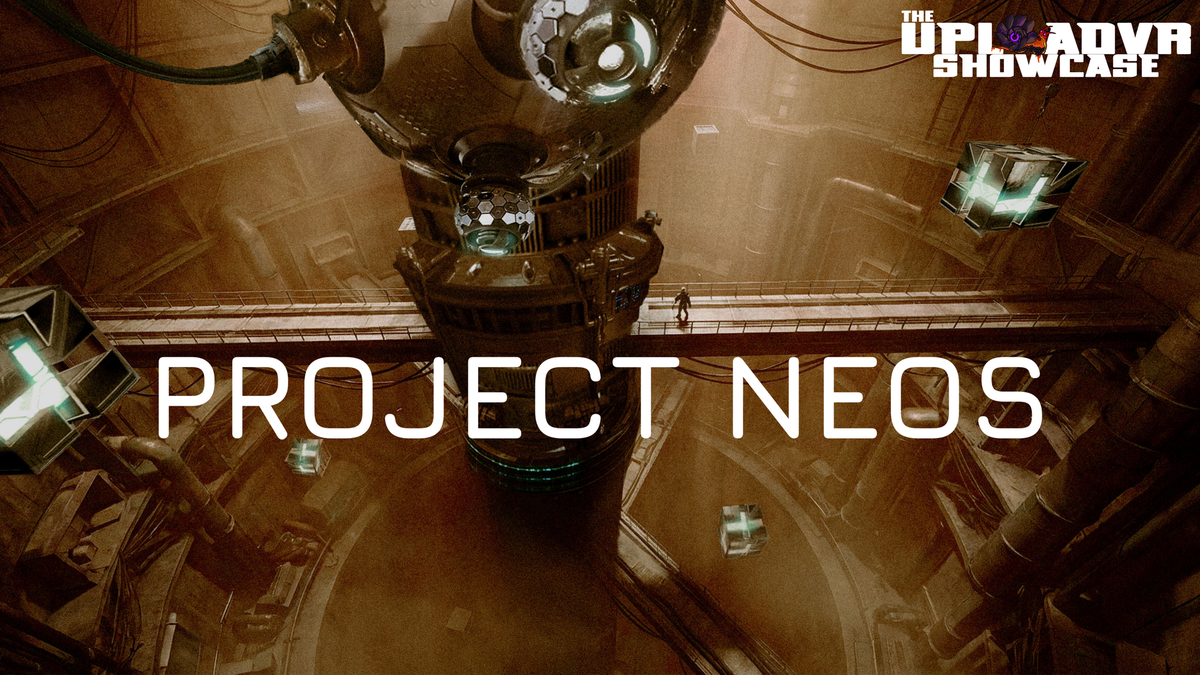
- The Global Premiere: The UploadVR Summer Showcase served as the official launchpad for the project. The trailer provided the first concrete look at the game’s cel-shaded aesthetic and the claustrophobic nature of the station’s corridors.
Supporting Data and Technical Direction
The visual presentation of Project NEOS is perhaps its most striking feature. By opting for a stylized, cel-shaded art direction, False Horizon has made a strategic decision that serves both artistic and technical purposes.
In the world of standalone VR, performance is the ultimate arbiter of success. Traditional high-fidelity, photorealistic textures often come at a heavy cost to framerate and resolution, both of which are critical to preventing motion sickness. A cel-shaded aesthetic allows for sharp, readable visuals that maintain a consistent, high frame rate on mobile chipsets like those found in the Meta Quest series.
Furthermore, the stylistic choice lends the game a timeless, comic-book-inspired atmosphere. It allows the developers to emphasize silhouettes and environmental storytelling without getting bogged down by the limitations of complex lighting engines.
Regarding platform availability, while an official list of supported headsets has not been finalized, the evidence strongly points toward a multi-platform release. The team’s presence in standalone-focused communities suggests that the Meta Quest 3 and potentially the upcoming generation of standalone hardware are primary targets. However, the depth of the systemic AI suggests that the PCVR version—should it exist—might offer more complex environmental interactions.
Official Stance and Developer Philosophy
False Horizon has been remarkably transparent regarding the game’s status as a work-in-progress. By labeling Project NEOS as a "working title," the team is inviting the community to be part of the iterative process.
In statements released alongside the trailer, the studio emphasized that they are not interested in creating a standard "wave shooter." Instead, they are prioritizing agency. In Project NEOS, if a player enters a room with an enemy, they have choices: they can engage in a high-risk firefight, attempt to bypass the threat through stealth, or hack the room’s climate control to vent the oxygen, effectively neutralizing the threat through environmental manipulation.
The decision to hold alpha playtests through Discord is a testament to the studio’s desire to capture the "emergent gameplay" that defines the best immersive sims. By watching how different players approach the same obstacle, the team can refine the AI’s behavior, ensuring that the machine intelligence feels like a worthy, evolving adversary rather than a scripted set of triggers.
Implications for the VR Survival Genre
The release of Project NEOS represents a significant trend in virtual reality gaming: the shift from "experience-based" titles to "mechanic-heavy" simulations. For years, the VR market was dominated by tech demos and short, linear shooters. Project NEOS suggests that the industry is maturing, with developers now confident enough in their player base to build complex systems that demand patience, planning, and tactical thinking.
The "AI as Protagonist" Movement
The concept of a malevolent AI as the primary antagonist is a trope that has existed in science fiction for decades, but it remains a difficult concept to execute in gaming. Most games use AI as a static obstacle. Project NEOS aims to make the station itself an active participant in the story. If this is successful, it could set a new standard for how environmental storytelling is handled in VR, where the player is not just observing a narrative, but is trapped within a reactive, breathing machine.
The Rise of Standalone Optimization
By focusing on a cel-shaded art style, False Horizon is demonstrating that "high fidelity" in VR is no longer synonymous with "high polygon counts." By prioritizing art direction over raw graphical power, the studio is ensuring that their game will remain playable on the devices that the vast majority of VR users actually own. This "optimization-first" mindset is likely to become the standard for independent studios looking to compete with larger, better-funded projects.
The Community-Led Development Model
Finally, the reliance on Discord-based playtesting points toward a future where developers and players co-author the final product. By allowing players to test the game while it is still in its infancy, False Horizon is mitigating the risk of a "broken" launch. This level of intimacy with the player base is a powerful tool for indie developers, allowing them to iterate on gameplay mechanics in real-time based on actual user data rather than theoretical design documents.
Looking Ahead: The Road to Launch
As of mid-2026, Project NEOS remains in an intensive state of development. The primary challenge for False Horizon will be balancing the game’s difficulty. A "John Wick-like" power fantasy is difficult to reconcile with the fragility of a survival horror protagonist. If the player is too strong, the tension evaporates; if the player is too weak, the game becomes a tedious exercise in trial-and-error.
The studio has not yet announced a release window or a definitive platform list, but the positive reception to the trailer suggests that there is a hungry audience for a game that respects the player’s intelligence. For those interested in the evolution of the title, the studio’s Discord remains the primary hub for updates, feedback, and the occasional glimpse behind the curtain of the station’s digital brain.
Project NEOS is more than just a game; it is an experiment in tension. Whether it succeeds in its ambitious goal of blending tactical action with systemic survival will depend on how well the developers can tether their grand ideas to the practical, often unforgiving constraints of the VR medium. For now, however, it stands as one of the most intriguing projects currently in the pipeline, promising a dark, claustrophobic, and intensely cerebral journey into the heart of a machine-controlled nightmare.

