

By Editorial Staff
Published: November 2024
Main Facts: The Call of Duty Cinematic Universe Takes Shape
Activision’s crown jewel, the multi-billion-dollar Call of Duty franchise, is officially making the treacherous leap from interactive entertainment to the silver screen. First announced earlier this year, the film adaptation has immediately sparked intense debate among the gaming community. While fans of the Black Ops sub-franchise were left vocalizing their disappointment over the studio’s initial creative direction, Activision doubled down on its choice: the cinematic adaptation will draw its inspiration directly from the gritty, tactical military storytelling of the Modern Warfare series.
Helmed by veteran director Peter Berg—best known for high-intensity action-dramas such as Lone Survivor, Battleship, and The Mosquito Bowl—the project is pulling in elite creative heavyweights. Crucially, Berg is joined by co-writer and producer Taylor Sheridan, the celebrated mastermind behind contemporary neo-Western and geopolitical thrillers like Sicario, Hell or High Water, and Yellowstone.
The film, carrying the working title Duty, is currently slated for a theatrical release on June 30, 2028. While that date places the premiere years away, the project has already established itself as one of the most closely watched cross-media experiments in modern Hollywood history, aiming to break the notorious "video game adaptation curse" through a profound focus on the psychological and physical realities of modern warfare.
Chronology: From Pixelated Battlegrounds to Hollywood Greenlight
The journey of bringing Call of Duty to cinematic life has been a long and winding road, spanning over a decade of speculation, false starts, and shifting corporate strategies.
- 2015–2018 (The Early Ambitions): Activision Blizzard launched Activision Blizzard Studios, explicitly signaling its intent to turn its biggest intellectual properties into cinematic universes. Early reports placed a Call of Duty cinematic universe in active development, with directors like Stefano Sollima (Sicario: Day of the Soldado) attached to direct an anthology-style war film. However, corporate restructuring, shifting priorities within Activision, and the complexities of coordinating a massive production slate ultimately caused the project to stall indefinitely.
- Early 2024 (The Official Revival): Activision officially revitalized the movie initiative, pivoting away from a generic cinematic universe concept toward a focused, high-production adaptation centered squarely on the Modern Warfare continuity.
- Mid-2024 (Assembling the Creative Team): Peter Berg and Taylor Sheridan were formally announced as the creative forces driving the project. The pairing of Berg’s kinetic, realistic military action direction with Sheridan’s reputation for morally complex geopolitical storytelling signaled to industry insiders that the project would aim for a dramatic tone rather than a purely popcorn-driven blockbuster experience.
- Late 2024 (Vision Unveiled): In interviews addressing the community’s skepticism, Peter Berg began pulling back the curtain on the narrative philosophy guiding the film, emphasizing character-driven stakes, human vulnerability, and the heavy emotional tolls borne by elite soldiers.
- June 30, 2028 (Projected Release): Activision locked in a late-June summer blockbuster window, aligning the film’s release strategically with the franchise’s overarching software roadmap.
Supporting Data: Franchise Dominance and the Cinematic Landscape
To understand why Activision is investing heavily in a Call of Duty feature film, one must examine the sheer, staggering scale of the gaming franchise.

- Financial Titan: Since its inception in 2003, the Call of Duty franchise has generated tens of billions of dollars in revenue, selling over 425 million copies worldwide. It routinely stands as the best-selling premium video game of the year in North America.
- Player Engagement: Beyond traditional sales, the free-to-play battle royale ecosystem Warzone and mobile iterations have sustained a monthly active user base numbering in the tens of millions.
- The Hollywood Pivot: Video game adaptations have undergone a radical renaissance in recent years. Blockbuster television successes like HBO’s The Last of Us, Amazon’s Fallout, and cinematic triumphs like Universal’s The Super Mario Bros. Movie have proved that intellectual properties originating in the gaming sector can achieve both critical acclaim and unprecedented box-office dominance.
- Release Synchronization: Activision’s software release cadence typically alternates studios—Infinity Ward, Treyarch, and Sledgehammer Games. With the recent release of Modern Warfare 4, the projected 2028 movie premiere matches up neatly with future development cycles, allowing the film to land precisely when the Modern Warfare brand is front and center in the cultural zeitgeist.
Official Responses: Peter Berg and Taylor Sheridan’s Creative Philosophy
Adapting a first-person shooter—where the primary mechanical loop involves eliminating scores of hostile combatants—presents a unique tonal challenge for filmmakers. Speaking candidly in a recent interview with Comicbook, Peter Berg addressed the common fear that the film would devolve into a mindless, explosion-heavy spectacle.
"This is not just ‘Hey, let’s shoot them all up and shoot popcorn!’ There’s a soul underneath it, that I understand and Taylor Sheridan understands… there will be a very strong soul, and consequence of war within the film, called ‘duty.’"
Berg acknowledged that the source material within the Modern Warfare series can at times feel conventional within the broader military-shooter genre. However, he defended the setting by highlighting the emotional weight carried by its legendary roster of characters.
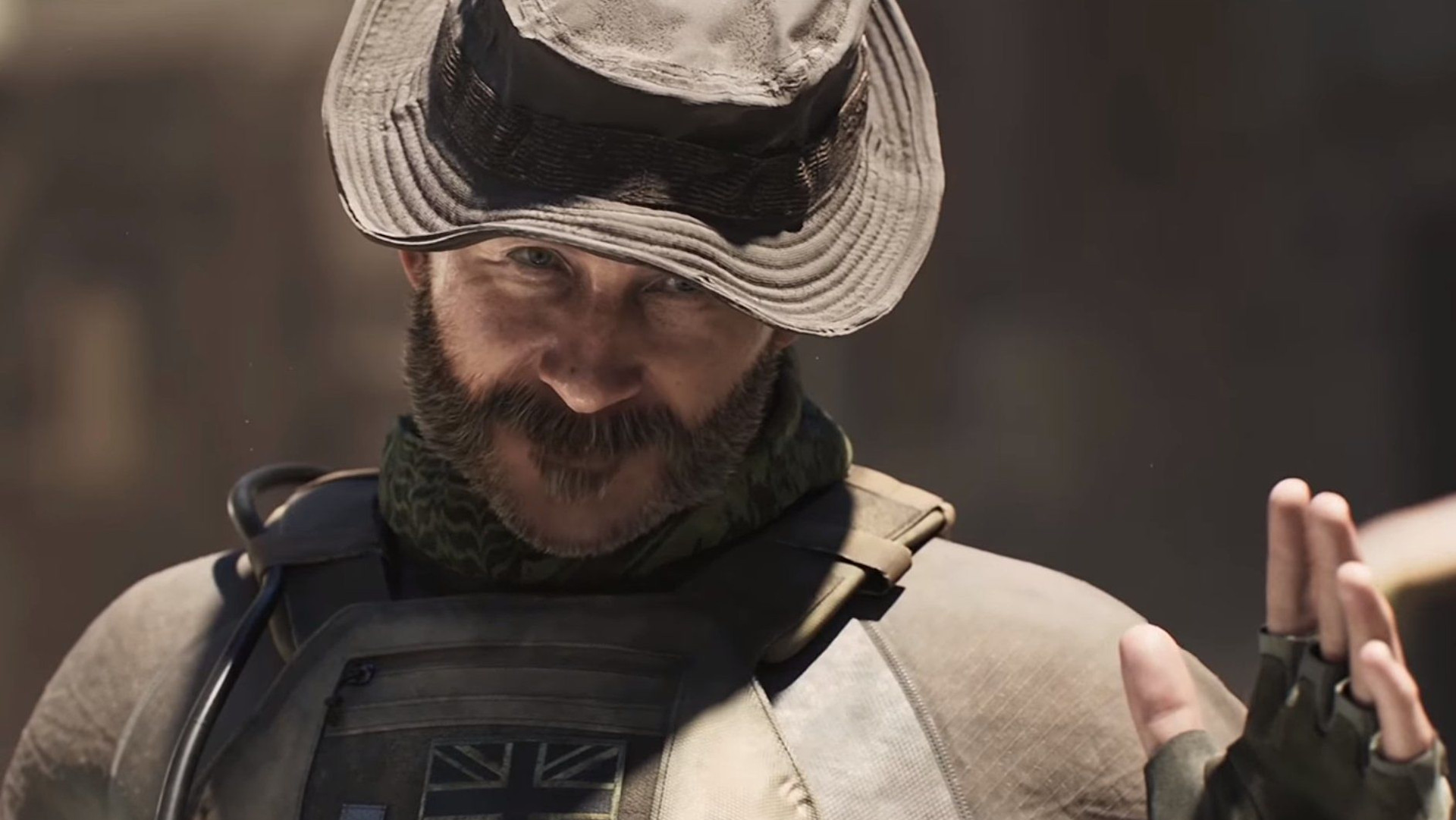
"Captain Price, and Soap, and Ghost, and Alex—these are complicated humans. These are not—and no disrespect—cartoon characters or comic books. These are very nuanced storylines; like, there’s a real soul to the Modern Warfare universe… And, yes, there’s violence, and there’s hardware, and equipment, and there’s killing—but underneath it I think the game, and the creators of the game, are really looking at the cost of war, the cost of having to be a warrior who’s, for whatever reason, chosen to put himself between real danger and the rest of us, and the burden that these guys carry."
By explicitly framing the film around the psychological weight of duty and the sacrifice of modern soldiers, Berg and Sheridan are attempting to bridge the gap between high-octane military action and grounded, character-driven drama.
Implications: What This Means for Gamers and Hollywood
The greenlighting of the Call of Duty film under the leadership of Berg and Sheridan carries profound implications for both the entertainment industry and the future of gaming adaptations.
1. Raising the Bar for Military Dramas on Screen
For decades, Hollywood military adaptations have fallen into polarized categories: hyper-patriotic action romps or bleak, cynical anti-war dramas. By enlisting Taylor Sheridan—known for navigating the gray areas of law enforcement, border politics, and federal power in works like Sicario—the film has a unique opportunity to explore the morally ambiguous nature of modern asymmetric warfare. The inclusion of iconic characters like Captain John Price and Simon "Ghost" Riley introduces recognizable anchors for fans, but the challenge will lie in translating their mythos into believable, three-dimensional performances without alienating purists.
2. Overcoming Fan Skepticism
The initial announcement drew mixed reactions, largely due to the exclusion of the Black Ops storyline, which many fans consider to be the narrative high-water mark of the franchise due to its mind-bending Cold War conspiracies and psychological themes. Furthermore, translating a first-person perspective into a cinematic third-person narrative requires immense directorial finesse. Any casting choice for legendary figures like Captain Price will be subjected to intense public scrutiny; the actors tasked with filling these tactical boots face a monumental challenge in winning over a deeply protective fan base.
3. The Future of Activision’s Multimedia Strategy
If Duty succeeds critically and commercially when it arrives in June 2028, it could cement a long-term multimedia strategy for Activision Blizzard (now under the Microsoft corporate umbrella). Success would likely open the floodgates for expanded cinematic universes, potentially revisiting fan-favorite sub-franchises like Black Ops or World at War in future features or streaming series. Conversely, a misfire could stall video game adaptations in the military genre for years to come, proving once again that the translation from interactive controller input to passive cinematic viewing is fraught with peril.
As production ramps up over the coming years, all eyes will remain fixed on Peter Berg, Taylor Sheridan, and Activision as they attempt to answer a singular, heavy question: Can a video game franchise built on adrenaline-fueled multiplayer matches successfully shoulder the profound, dramatic weight of duty on the big screen?

