


The gaming industry is currently mourning the loss of one of its most influential pillars. After years of speculation, internal restructuring, and a gradual decline in critical reception, Electronic Arts (EA) has officially shuttered BioWare. The closure marks the end of a legendary studio that, for over three decades, defined the Western Role-Playing Game (RPG) genre. While the studio’s final years were marred by commercial misfires and creative stagnation, its foundational contributions to interactive storytelling, character-driven narratives, and player agency remain etched into the DNA of modern gaming.
A Legacy Built on Foundations of Infinity
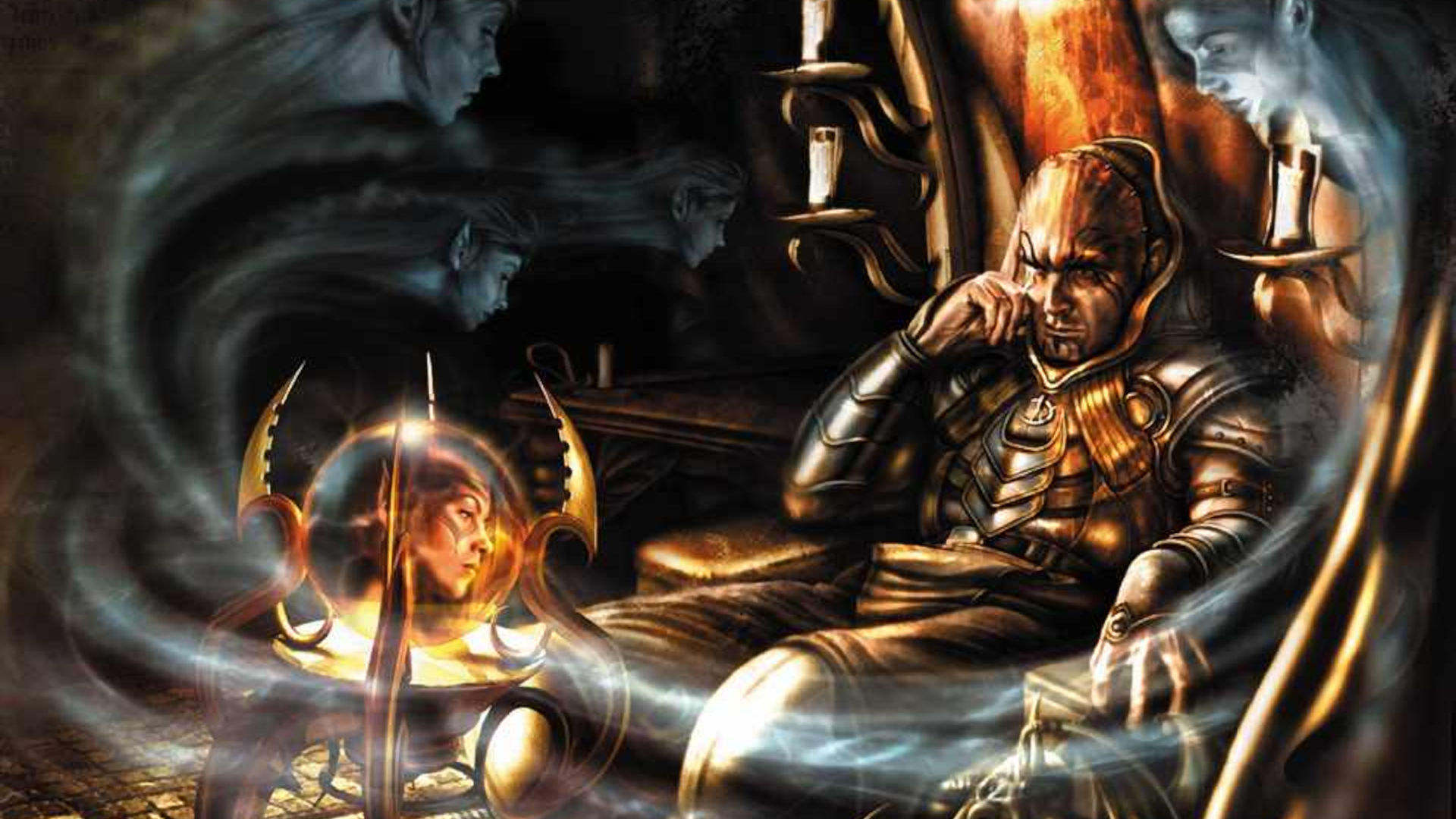
To understand the gravity of BioWare’s closure, one must look back to its origin. Founded in 1995 by a group of medical graduates in Edmonton, Canada, BioWare did not merely make games; it architected the modern CRPG. With the release of Baldur’s Gate in 1998, the studio breathed new life into the genre, utilizing the Infinity Engine to create a complex, tactical experience that felt both intimate and epic.
The success of Baldur’s Gate and its sequel, Baldur’s Gate II: Shadows of Amn, set a high-water mark for the industry. These titles proved that players were hungry for deep, lore-rich narratives where every choice rippled through the world. The studio’s influence was immediate; it provided the framework for other seminal titles like Planescape: Torment and Icewind Dale, cementing a "BioWare style" of design that prioritized party dynamics and moral ambiguity.
Chronology of Innovation and Evolution
The studio’s trajectory is a testament to its willingness to evolve as technology and player tastes shifted.
- The Early Years (1995–2002): The studio focused on classic CRPGs, mastering the top-down perspective and complex rule sets derived from Dungeons & Dragons.
- The Transition (2003–2007): With Star Wars: Knights of the Old Republic (KotOR), BioWare successfully brought the depth of a CRPG to consoles. This was a watershed moment, masking technical complexity behind an accessible, cinematic interface.
- The Golden Age (2007–2012): The birth of the Mass Effect trilogy and the debut of the Dragon Age franchise represented the peak of BioWare’s "choice and consequence" era. It was during this time that the studio became famous for its branching narratives and high-stakes character romances.
- The Corporate Era (2013–2024): Following its acquisition by EA, the studio faced increasing pressure to adopt live-service models and universal engines like Frostbite. Projects like Dragon Age: Inquisition, Mass Effect: Andromeda, Anthem, and finally Dragon Age: The Veilguard saw the studio struggling to balance its legacy with the demands of modern corporate gaming.
Empowering the Community: The Aurora Engine
One of the most underappreciated aspects of BioWare’s history was its commitment to user-generated content. With the launch of Neverwinter Nights in 2002, BioWare didn’t just ship a game; it shipped a toolkit. The Aurora Toolset allowed players to build their own modules, effectively creating a hub for community-run persistent worlds. For many, this was their first introduction to game development. The persistence of the Neverwinter Nights community, which continues to maintain servers to this day, is a testament to the longevity of the tools BioWare provided.
Influence on the Industry: The "BioWare Effect"
It is no exaggeration to say that without BioWare, the current landscape of RPGs would look entirely different. The studio’s impact is visible in the work of industry giants like Larian Studios, Obsidian Entertainment, and CD Projekt Red.

CD Projekt Red, in particular, owes a significant debt to the Canadian studio. During the development of the original The Witcher, the team licensed BioWare’s Aurora Engine. CD Projekt’s leadership has frequently acknowledged that BioWare provided them with not only the technology but also the mentorship and networking opportunities—such as sharing booth space at E3—that helped launch their franchise into the global phenomenon it is today.
Similarly, the current resurgence of CRPGs—exemplified by the massive success of Baldur’s Gate 3—is a direct descendant of the path BioWare cleared in the late 90s. From the dialogue-heavy, choices-matter structure of Pillars of Eternity to the systemic, philosophical depth of Disco Elysium, the fingerprints of the original BioWare team are everywhere.
A Trailblazer in Representation
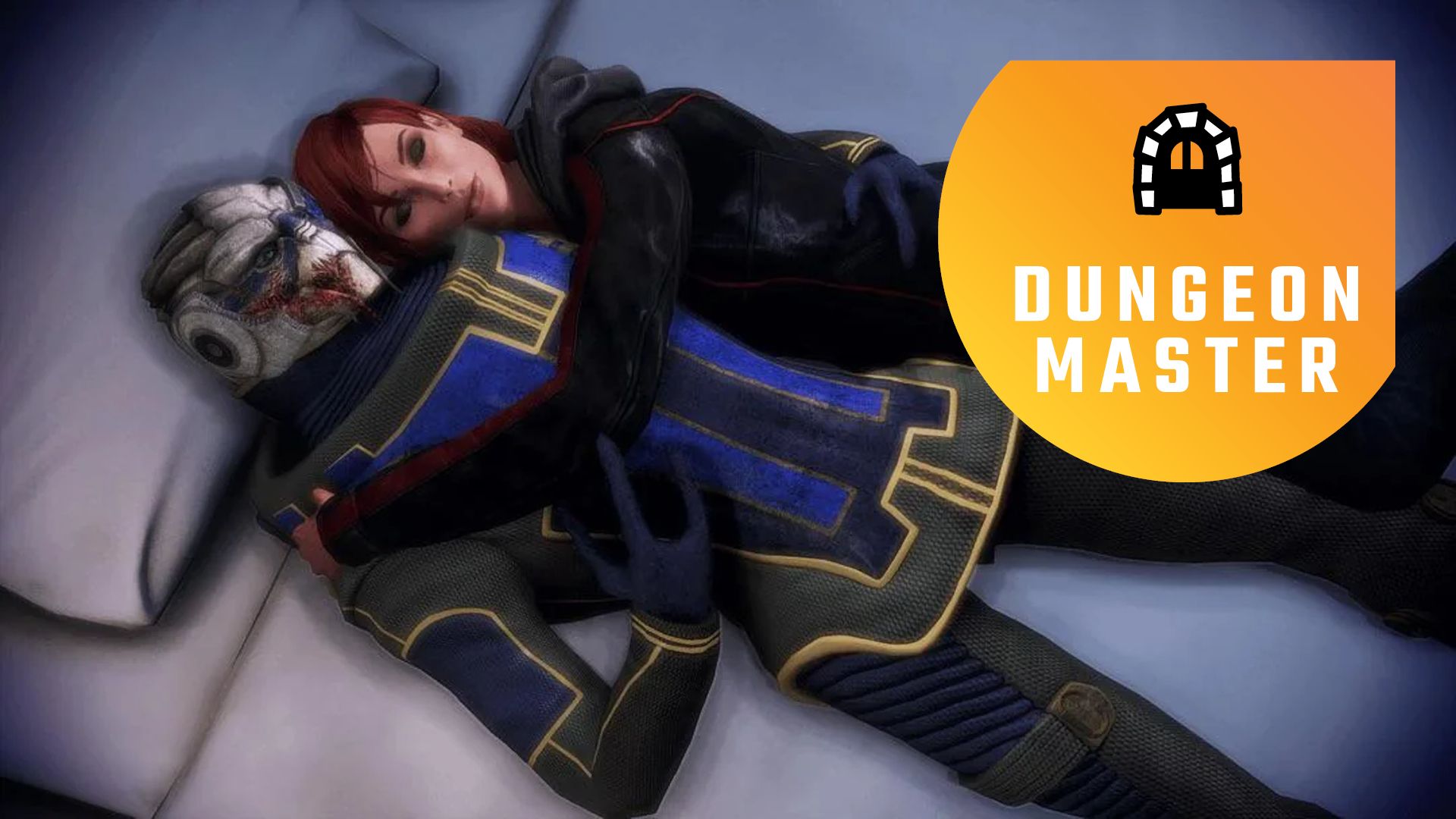
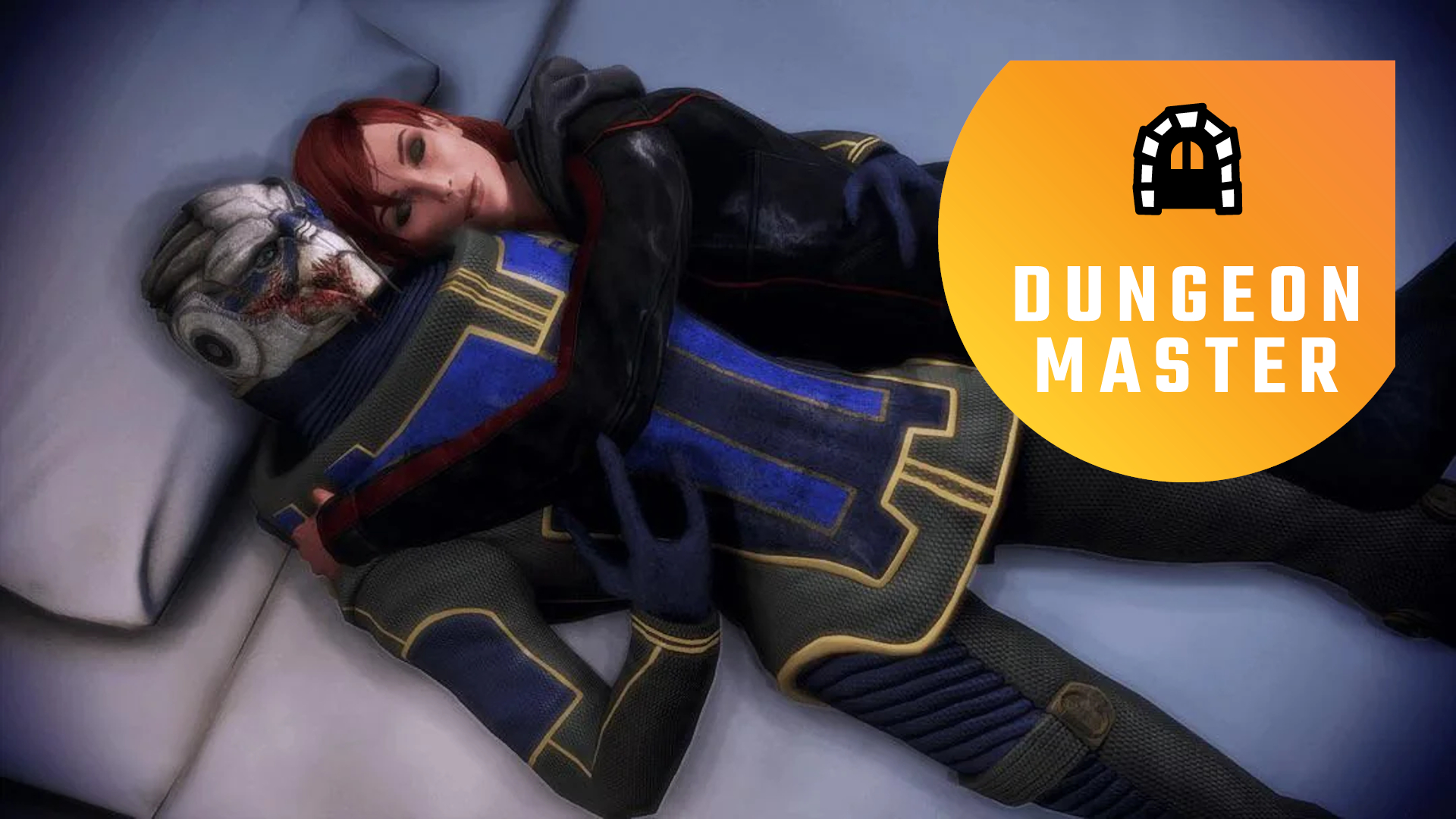
BioWare was also a pioneer in bringing queer representation to the mainstream. While their early efforts—such as the "playersexual" romances in Mass Effect—were sometimes criticized for being overly cautious or obscured by alien physiology, the studio eventually moved toward more explicit and nuanced queer storytelling.
Characters like Dorian Pavus in Dragon Age: Inquisition stood as milestones in a medium that, at the time, was often hostile to such inclusions. Despite the vitriol of "anti-woke" critics who targeted the studio in its later years, BioWare stood its ground, creating a space for marginalized players to see themselves in the heroic roles they were playing. The industry has since moved forward, and even titles developed by teams that distance themselves from "wokeness" now frequently incorporate diverse character options, acknowledging that this is simply the standard expectation of the modern audience.

The Cost of Corporate Meddling
The demise of BioWare was not a sudden accident, but a slow erosion. The decision to mandate the use of the Frostbite engine for non-shooter games, for instance, created immense technical debt for developers who had to essentially rebuild the engine’s capabilities from scratch to support RPG mechanics.
Furthermore, the pressure to meet aggressive release schedules led to notorious "crunch" culture, which alienated talent and diluted the quality of the final products. While fans have been vocal in their disappointment regarding the quality of recent titles like Anthem or The Veilguard, it is critical to separate the creative spirit of the developers from the corporate mandates of the publisher. The "BioWare" that fans fell in love with had been hollowed out long before the final lights were turned off.

Implications for the Future
With the studio now closed, the industry enters a period of uncertainty for the RPG genre. While new studios and projects—such as Archetype Entertainment’s Exodus and Owlcat Games’ upcoming titles—seek to capture the "old BioWare" magic, there is a palpable sense of loss.
The Amazon-produced Mass Effect series remains in development, which will serve as a strange, high-budget monument to a studio that no longer exists. For fans, the closure is a bitter reminder that in the modern corporate gaming environment, even the most legendary legacies are subject to the bottom line.

Ultimately, BioWare’s story is one of immense ambition. It was a studio that dared to ask what happens when players are given the power to shape the fate of galaxies, empires, and their own companions. While the company may be gone, its influence—as a pioneer of systems, a champion of inclusive storytelling, and a beacon for CRPG design—will continue to inform the next generation of developers. The final chapter has been written, but the story of the RPG, as BioWare helped define it, is far from over.

