

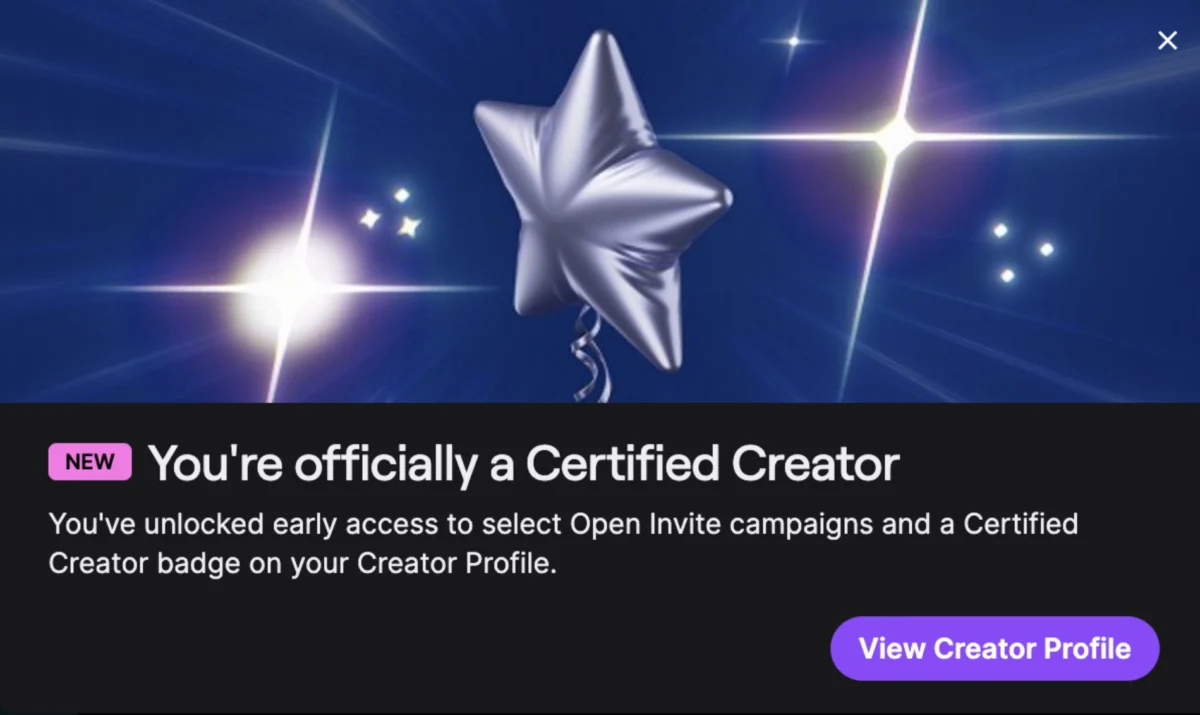
In a strategic move to bridge the gap between burgeoning gaming influencers and corporate advertisers, Twitch has officially launched its "Creator Certification" program. Unveiled during the 2026 TwitchCon Europe in Rotterdam, this initiative marks a significant shift in how the platform manages the commercial ecosystem of its community. By formalizing the process through which streamers gain "brand-safe" status, Twitch is positioning itself to become a more predictable, reliable environment for global marketing budgets.
The Core Concept: What is Creator Certification?
Historically, badges on Twitch have been synonymous with community identity—markers of loyalty, milestones, or participation in specific gaming subcultures. The new Creator Certification, however, serves a strictly professional function. It is a visual signal to potential brand partners that a streamer has undergone standardized training in the nuances of commercial integration, audience engagement, and legal compliance within the advertising space.
The certification is housed within the platform’s "Creator Camp" infrastructure. Participants must complete a concise, 15-minute educational module that covers "Sponsorships 101" and "Creating Brand-Suitable Content." This curriculum is designed to standardize the quality of advertisements delivered on the platform, ensuring that even streamers with smaller, niche audiences can demonstrate a professional understanding of what brands require.
Chronology: The Path to Standardization
The road to this certification program has been paved by years of experimentation with monetization models.
- Early 2024: Twitch began diversifying its ad-break formats, testing various ways to integrate sponsorships that didn’t disrupt the flow of live interaction.
- Late 2024 to 2025: A series of experimental features, such as "gift-all" subscription updates and in-browser game trials (like the Reanimal demo), highlighted the need for a more structured approach to monetization.
- April 2026: The success of the Minecraft "Tiny Takeover" campaign proved that Affiliate-level partners—not just top-tier streamers—could effectively manage sponsored campaigns, provided they had the right guidelines.
- June 2026: At TwitchCon Europe in Rotterdam, the platform officially introduced the Creator Certification, signaling that the "wild west" era of creator-led advertising is transitioning into a more institutionalized professional market.
Supporting Data and The "Sponsorship Portal"
The certification is integrated directly into the Twitch Sponsorship Portal. Once a creator passes the assessment, they are awarded a profile badge. While the badge itself is a significant signal, the tangible benefits are what drive adoption. Certified creators gain a 12-hour head start on "Open Invite" campaigns—a crucial competitive advantage in an environment where the most lucrative sponsorship slots are often claimed within minutes of being posted.
Furthermore, the data suggests that brands are increasingly wary of "brand safety." By creating a certification layer, Twitch is effectively vetting its supply side for advertisers. This reduces the risk of controversy for corporate partners and increases the likelihood that brands will reinvest in the platform. With the influx of esports heavyweights like Riot Games—who are currently leveraging platforms for 2XKO, Valorant, and League of Legends activations—the demand for a professionalized, "safe" creator base has never been higher.
Official Perspectives and Strategic Implications
Twitch’s leadership has framed this as a win-win for the creator economy. By providing the tools to "maximize long-term sponsorship opportunities," the platform is essentially teaching its users how to be small businesses.
"The goal is to ensure that every streamer, regardless of their subscriber count, understands the professional expectations of the brands they represent," noted a spokesperson during the TwitchCon keynote. By focusing on "Sponsorships 101," Twitch is mitigating the risks associated with inexperienced creators who might inadvertently violate FTC disclosure guidelines or alienate their audiences through poorly executed integrations.
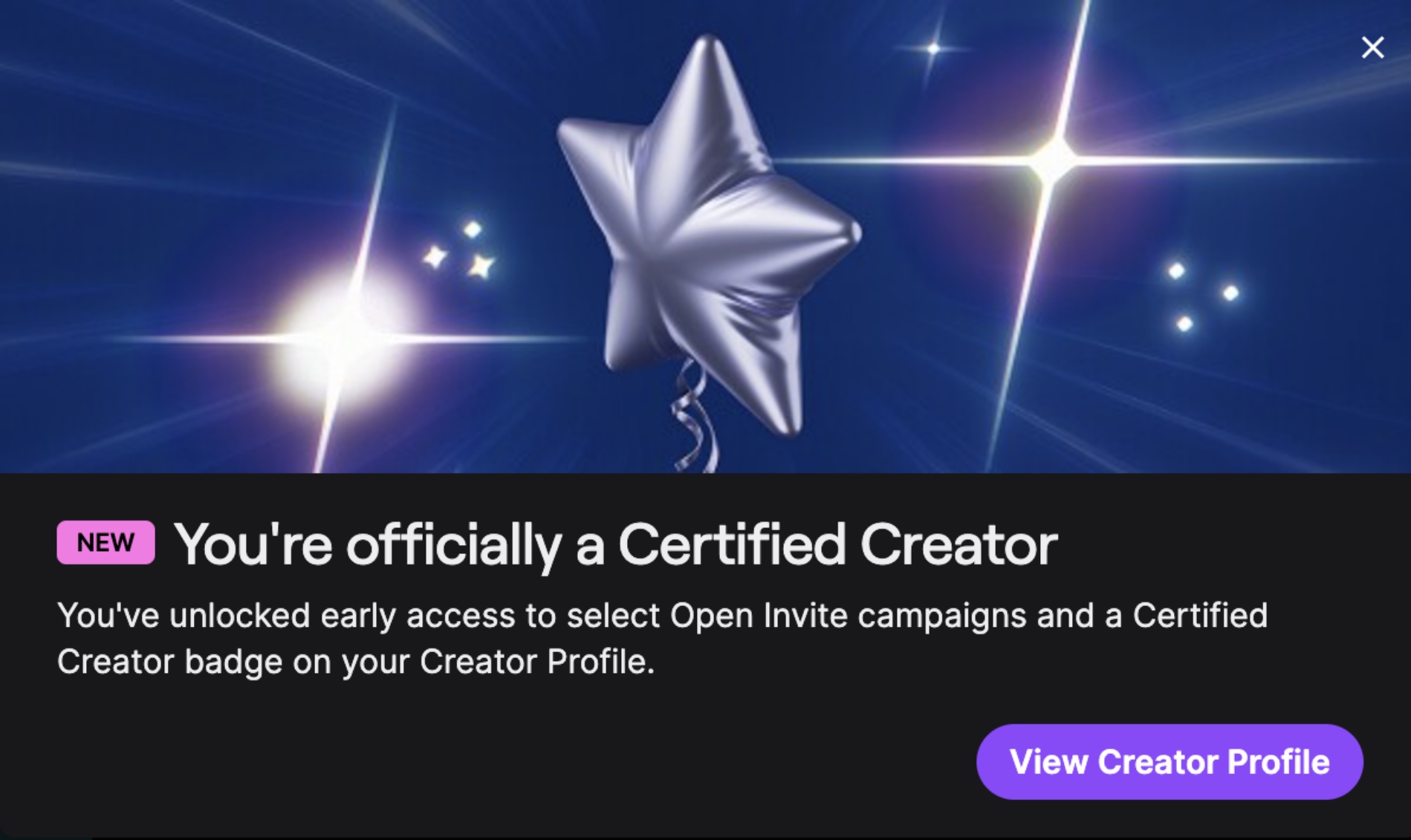
For the streamers, the implications are profound. This isn’t just about a badge; it is about tier-based access to the most lucrative revenue streams. It creates a hierarchy that rewards proactivity. If a streamer wants to move beyond simple donations and basic ad-revenue sharing, they must now demonstrate a commitment to the "corporate" side of streaming.
The Future of Monetization: A Multi-Stream Strategy
While the certification program is the headline feature, it exists within a wider tapestry of monetization tools that Twitch is currently refining. The platform is not abandoning the "grassroots" feel of its origins; instead, it is layering a professional infrastructure on top of it.
New Monetization Levers
- Ad-Break Innovation: The platform continues to test "pause-screen" ad breaks, attempting to monetize the moments when viewers are naturally disengaged, rather than forcing ads into the middle of high-octane gameplay.
- Live Shopping: Building on the Reanimal demo, Twitch is moving toward a future where streamers don’t just talk about products; they facilitate the purchase process directly within the browser, shortening the conversion funnel for brands.
- Community Gifting: Continued updates to gifting mechanics allow for deeper social monetization, which remains a cornerstone of the platform’s revenue model for streamers who prefer community-driven funding over brand deals.
Implications for the Competitive Landscape
The launch of the certification program also serves as a defensive moat against other platforms like YouTube Gaming and Kick. By providing a clear, integrated, and "safe" path for brands to find and hire creators, Twitch is attempting to capture a larger share of the "influencer marketing" budget—a category that currently favors platforms with robust, transparent analytics and professional standards.
For independent creators, the message is clear: if you want to compete for the big brand budgets of 2027 and beyond, you must be certified. The "Creator Certification" is essentially a professional qualification that separates the casual hobbyist from the professional content creator.
Conclusion: A Shift in Professional Standards
As the streaming industry matures, the days of streamers operating as loose, unmanaged entities are coming to an end. The 2026 TwitchCon Europe gathering in Rotterdam will likely be remembered as the moment Twitch transitioned from a creator-first platform to a brand-conscious enterprise.
For the average viewer, the changes may be subtle—perhaps a new badge on their favorite streamer’s profile or a slightly more polished ad integration. But for the creators, this is a fundamental change in the rules of engagement. By investing 15 minutes into the Creator Camp, streamers are not just getting a badge; they are securing their place in the future of the platform’s economy.
As more brands like Riot Games look to the platform for multi-game activations, the value of this certification will only increase. Twitch is setting the stage for a new standard, one where professional conduct and brand-safe content are the keys to unlocking a sustainable, long-term career in the creator economy. Whether this will ultimately stifle the platform’s organic, chaotic charm or propel it to new heights of profitability remains to be seen, but one thing is certain: the professionalization of the streamer has officially begun.

