

By the Gaming Desk
Main Facts
More than a decade has passed since the release of Deus Ex: Mankind Divided, leaving the iconic cybernetic journey of Adam Jensen stranded on an unresolved narrative cliffhanger. With AAA publisher Embracer Group only recently hinting at a potential—yet distant—revival of the dormant franchise, fans of deep, systems-driven cyberpunk worlds have looked elsewhere for their sci-fi fix.
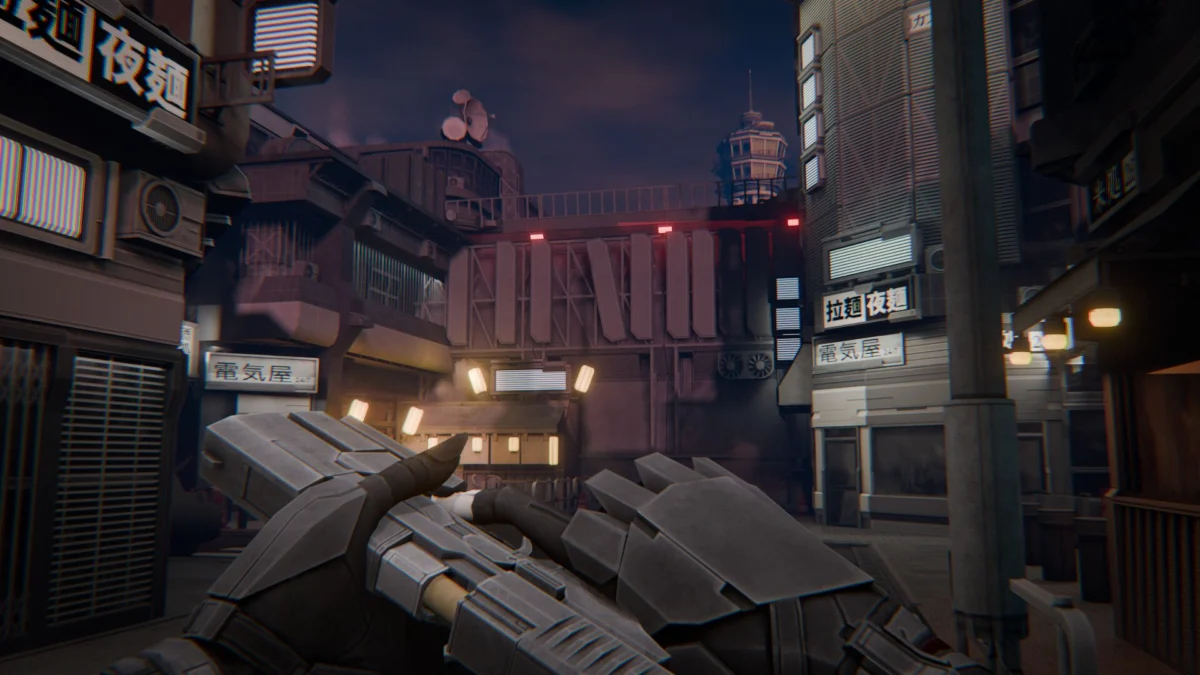
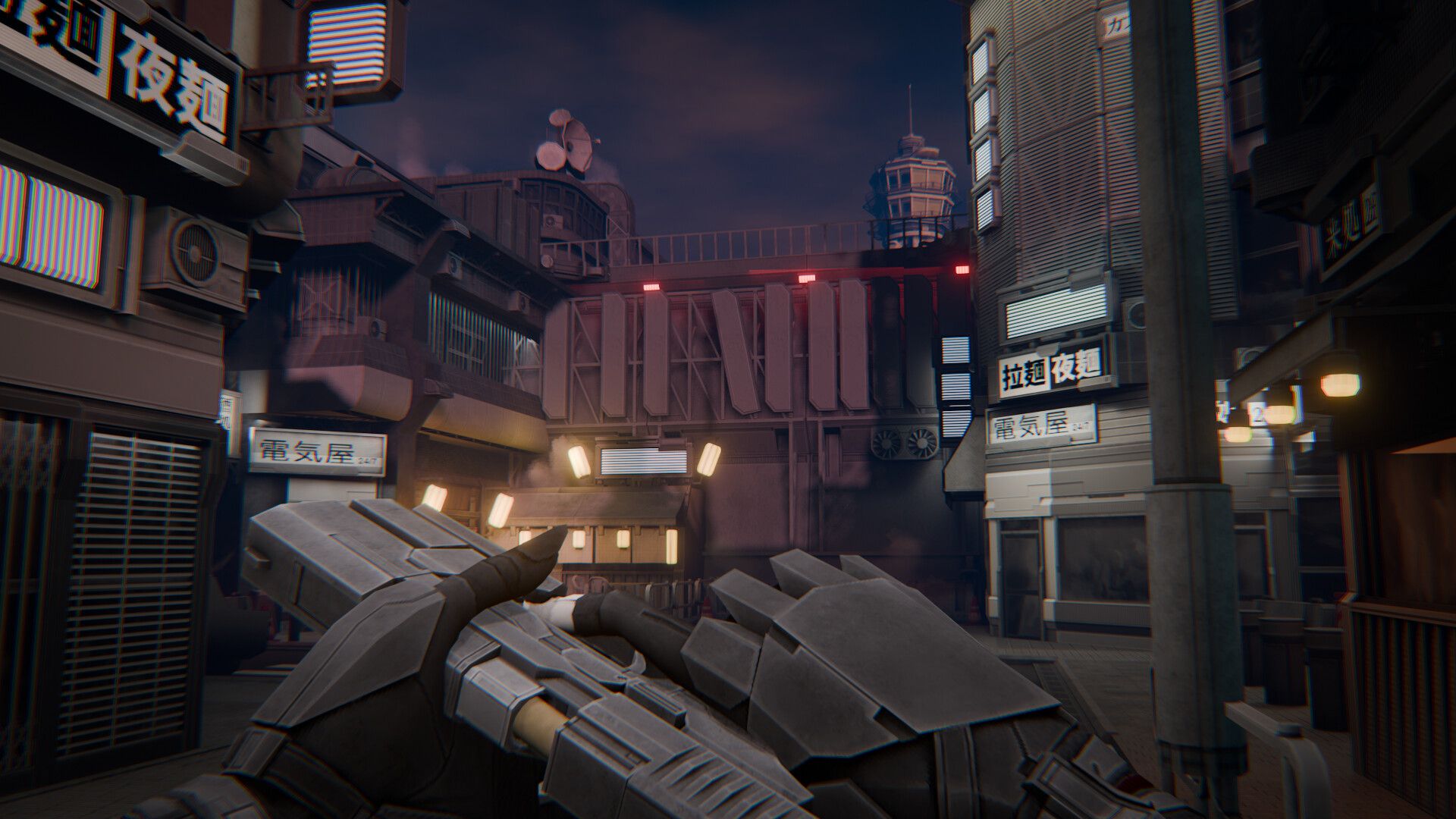
Enter Tokyo Walled City, a newly unveiled indie immersive sim developed by Grim Ronin. Officially revealed at TGS 2026, the game is drawing immediate comparisons to classic dystopian milestones like Deus Ex, Dishonored, and Blade Runner. Players step into the tactical boots of Reiko Kimura, a resourceful mercenary trapped inside a dense, hyper-fortified, and vertically stacked enclave in Japan’s capital. Heavily inspired by the historical atmosphere of the infamous Kowloon Walled City, the title blends intense stealth action, survival horror, and role-playing elements.
Rather than serving as a cheap carbon copy of genre pioneers, Tokyo Walled City seeks to modernize the immersive sim formula. It pairs traditional vent-crawling, computer-hacking, and light-manipulation mechanics with modern verticality, rapid rooftop traversal, and lethal close-quarters agility. Grim Ronin has confirmed that the title will launch via Steam Early Access, utilizing an extended public alpha phase expected to last between 18 and 24 months to fine-tune its complex simulation systems.
Chronology of the Immersive Sim Drought and the Rise of Tokyo Walled City
To understand the immense anticipation surrounding Tokyo Walled City, one must look at the timeline of the immersive sim genre over the last ten years:
- August 2016: Square Enix and Eidos-Montréal release Deus Ex: Mankind Divided. While critically praised for its intricate level design and atmospheric storytelling, underwhelming commercial performance prompts Square Enix to quietly put the franchise on indefinite hiatus.
- May 2022: Embracer Group acquires Eidos-Montréal and the rights to Deus Ex from Square Enix, briefly sparking fan hopes for a continuation of Adam Jensen’s saga.
- January 2024: Amid widespread restructuring and cost-cutting measures, Embracer Group cancels an unannounced, early-in-development Deus Ex project at Eidos-Montréal, effectively crushing immediate hopes for an official AAA sequel.
- September 2026: Indie developer Grim Ronin steps into the vacuum, officially unveiling Tokyo Walled City at the Tokyo Game Show (TGS) 2026. The announcement trailer immediately captures the attention of PC gamers looking for a sophisticated, atmospheric stealth-action alternative.
- May 2026 – Present: Venturing beyond initial project murmurs, Embracer Group hints during corporate financial restructurings that it is once again eyeing the Deus Ex and TimeSplitters IP portfolios for future development—though any potential AAA release remains years away.
- Late 2026 and Beyond: Grim Ronin prepares Tokyo Walled City for a prolonged Steam Early Access campaign, relying on community feedback during an 18-to-24-month alpha phase to dial in its intricate stealth and survival horror loops.
Supporting Data & Technical Scope
Developing an immersive sim—a genre defined by player freedom, reactive environments, and systemic interactions—is notoriously difficult for independent studios working with modest budgets. Yet, the current indie ecosystem has increasingly taken up the mantle, producing notable entries such as Deficit (drawing comparisons to The Chronicles of Riddick: Escape from Butcher Bay).
Tokyo Walled City distinguishes itself through a rigorous technical commitment to systemic depth. According to Grim Ronin’s official Steam documentation and developer showcases, the game’s feature set includes:
- Advanced Stealth Mechanics: Core environmental systems track player visibility and sound propagation dynamically. Footsteps, breaking glass, and shooting out light sources directly affect AI awareness in real-time.
- Comprehensive Toolsets: Players are equipped with a diverse arsenal tailored for multiple playstyles, including silent pistols, high-tech environmental traps, and grappling hooks that facilitate rapid tactical repositioning.
- Hand-Crafted Vertical Architecture: Eschewing procedural generation in favor of tightly constructed, multi-layered environments, the map design encourages non-linear exploration, multiple infiltration routes, and emergent problem-solving.
- Extended Development Roadmap: The decision to launch into Early Access with an 18-to-24-month horizon indicates that Grim Ronin intends to build its community iteratively, ensuring complex AI pathways, balance adjustments, and player physics receive thorough polish.
Official Responses and Industry Context
The announcement of Tokyo Walled City has reignited broader industry conversations regarding who owns the responsibility of keeping niche, high-complexity genres alive when major publishers step away.
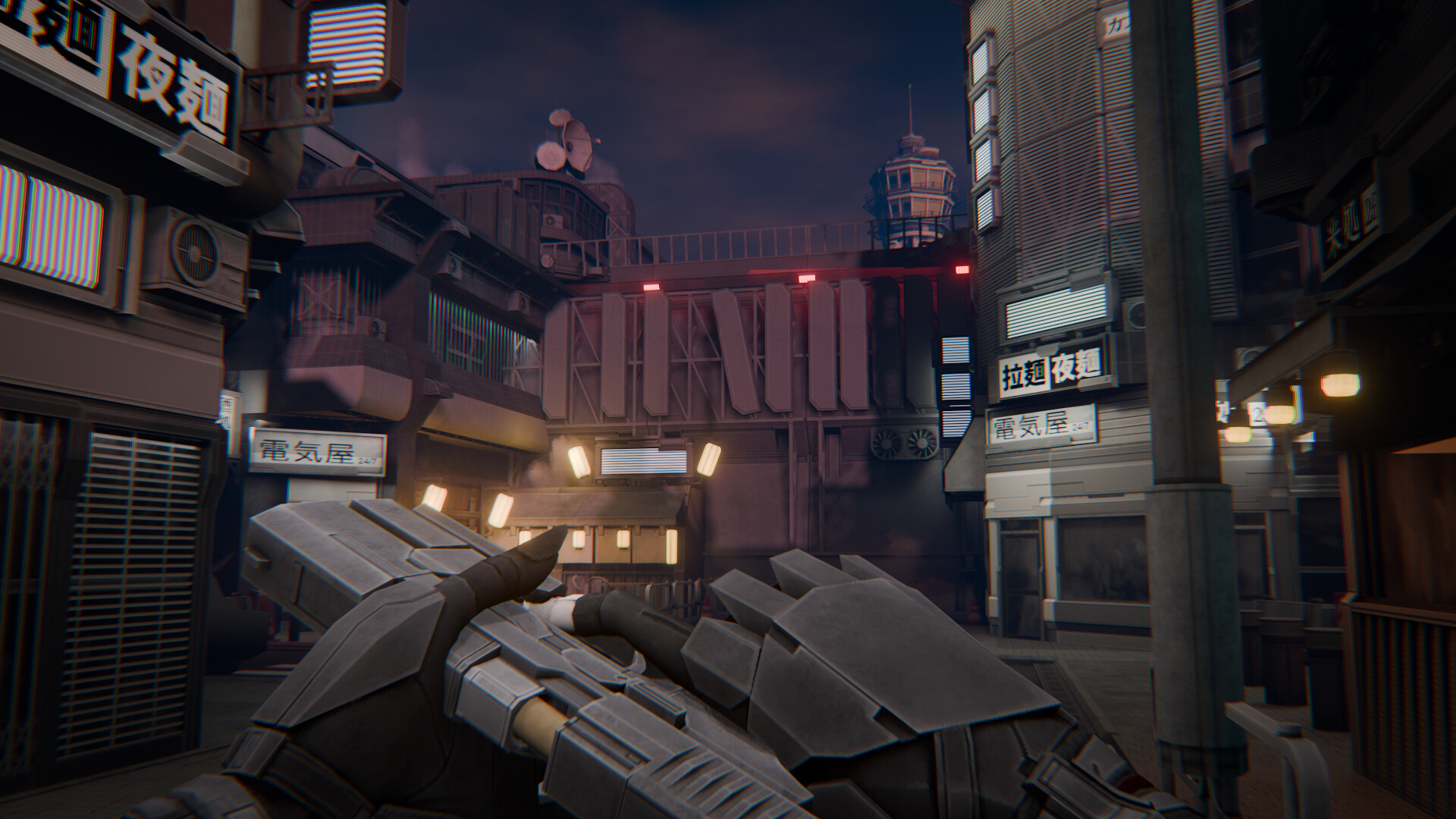
While Grim Ronin has focused heavily on the creative inspiration behind the game—highlighting the oppressive, neon-drenched aesthetic of cinematic cyberpunk masterpieces—industry analysts have viewed the project through the lens of market demand. With AAA studios increasingly risk-averse and heavily focused on live-service models, the survival of genres like the immersive sim has fallen squarely onto the shoulders of passionate independent developers.
Meanwhile, corporate statements regarding major legacy IPs continue to provide mixed signals. Following the cancellation of Eidos-Montréal’s secret Deus Ex project, executive leadership at Embracer Group addressed investors regarding restructuring efforts. While acknowledging the deep cultural equity and persistent consumer demand for brands like Deus Ex, leadership emphasized that any future internal development cycles would require careful capital allocation. Consequently, industry observers note that even if an official AAA entry eventually enters production, it will not materialize within the decade—leaving the door wide open for agile indie studios like Grim Ronin to capture the audience’s appetite.
Implications for the Future of Cyberpunk and Immersive Sims
The arrival of Tokyo Walled City carries significant implications for both the indie development landscape and the broader gaming community:
- Proving the Viability of Indie Immersive Sims: Historically, immersive sims require massive budgets to build complex, reactive worlds (as seen with Arkane Studios’ Dishonored and Prey). If Tokyo Walled City successfully delivers a polished, responsive sandbox on an indie budget, it could pave the way for other developers to tackle complex systemic genres without relying on mega-publishers.
- Bridging the Gap Between Genres: By infusing traditional immersive sim problem-solving with elements of survival horror and fast-paced vertical traversal (reminiscent of Dishonored‘s fluidity), Tokyo Walled City is modernizing a formula that has occasionally struggled to feel responsive in first-person perspectives.
- A Shift in Fan Expectations: As players grow weary of endless corporate delays and canceled sequels from major publishers, grassroots indie projects are increasingly viewed not just as alternatives, but as the true standard-bearers of beloved gameplay styles.
As Tokyo Walled City heads toward its Steam Early Access launch, it stands as a testament to the enduring power of player choice, atmospheric world-building, and the stubborn refusal of classic game design to fade into obsolescence. Whether you prefer to slip through the shadows unseen or rain down high-tech destruction from the rooftops, Reiko Kimura’s journey into the walled depths of Tokyo may just be the cyberpunk redemption fans have been waiting for.

