

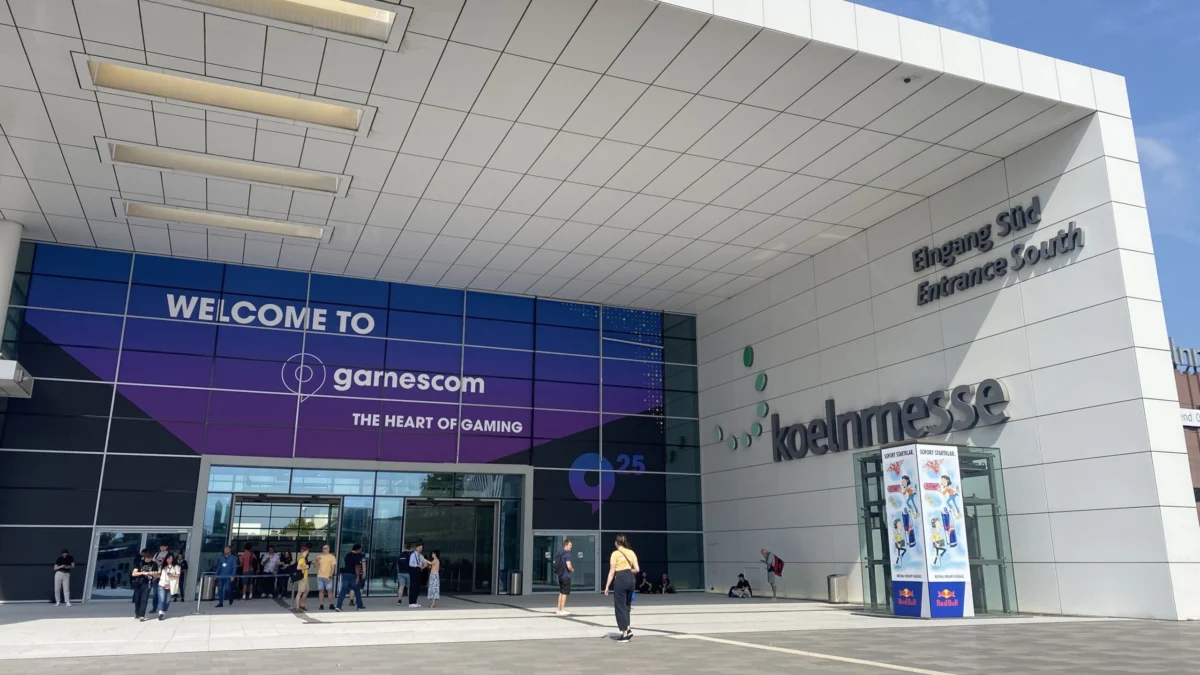
In a historic move that signals the deepening integration of digital entertainment into the national fabric of Germany, Federal President Frank-Walter Steinmeier has confirmed his attendance at Gamescom 2025. This appearance marks the first time a sitting German head of state has visited the world’s largest gaming event, representing a significant shift in how the nation’s political elite views the interactive media industry.
Held annually in Cologne, Gamescom has long been a powerhouse of the European tech scene. However, President Steinmeier’s presence elevates the event from a consumer trade show to a centerpiece of national cultural and economic discourse. By opening the Gamescom Congress—the event’s dedicated summit exploring the intersection of gaming, politics, and technology—Steinmeier is formalizing the recognition of video games as a vital pillar of German society.
The Significance of a Presidential Visit
The decision by the Bundespräsidialamt (Office of the Federal President) to have President Steinmeier headline the Congress is not merely a ceremonial gesture; it is a calculated acknowledgment of the games industry’s growing influence.
According to the German games industry association, game.de, Steinmeier’s itinerary is designed to bridge the gap between policymakers and creators. During his visit, the President is scheduled to deliver a keynote address followed by a high-level panel discussion centered on the role of video games in fostering and protecting German democracy.
The move is widely seen as an attempt to destigmatize gaming and highlight its potential as a tool for civic engagement. Beyond the political stage, Steinmeier intends to traverse the main exhibition floor at the Koelnmesse, engaging directly with independent game developers and community members. This “boots-on-the-ground” approach is intended to provide the President with a firsthand perspective on how games contribute to education, cultural development, and technological innovation.
Chronology: From Trade Fair to National Landmark
To understand the magnitude of this visit, one must look at the evolution of Gamescom itself.
- 2009: Gamescom is founded in Cologne, succeeding the Leipzig Games Convention. It quickly establishes itself as the premiere global hub for the industry.
- 2010s: Throughout the decade, the event grows exponentially, drawing hundreds of thousands of visitors. While political attendance is common at the ministerial level, the highest office of the land remained distant.
- 2023-2024: The German government begins to emphasize the "Games Strategy," allocating significant federal funding to support local game development, aiming to make Germany a global competitor against giants like Canada and Japan.
- April 2025: Organizers announce the rebranding of the long-standing developer conference devcom to Gamescom Dev, signaling a shift toward a more cohesive, year-round industry identity.
- August 23–25, 2025: The pre-event Gamescom Dev conference sets the stage for the main show.
- August 27, 2025: The Gamescom Congress takes place, featuring the historic address by President Frank-Walter Steinmeier.
- August 26–30, 2025: The main Gamescom event, where the industry showcases the latest innovations to the public.
Supporting Data: The Economic Engine of Gaming
The political interest in Gamescom is underpinned by robust economic data. The German gaming market has become a significant contributor to the country’s GDP. The "Games Effect," a theme of this year’s Congress, highlights the multifaceted utility of game development.
Industry reports from game.de and associated market research indicate that the gaming sector is no longer confined to entertainment. The expertise developed within the industry is now bleeding into critical infrastructure:
- Industrial Simulation: German engineering firms are increasingly utilizing gaming engines (such as Unreal Engine and Unity) to create "Digital Twins" of manufacturing plants and logistics chains.
- Medical Training: Virtual reality gaming platforms are being integrated into medical training, allowing surgeons to practice complex procedures in low-risk, high-fidelity digital environments.
- Public Administration: The use of gamification in public services is being piloted to increase citizen engagement with bureaucratic processes, potentially streamlining the notoriously complex German administrative system.
By attending, Steinmeier is signaling that the German government views these technologies as essential to the country’s "Industry 4.0" initiative—the push for digital transformation in manufacturing.
Official Responses and Perspectives
The industry reaction has been overwhelmingly positive. Felix Falk, Managing Director of game.de, stated: "The President’s attendance is the ultimate validation of our industry. It recognizes that we are not just providing entertainment, but that we are driving innovation that affects every aspect of modern life, from the skilled trades to healthcare and public policy."
Political analysts suggest the President’s focus on "Playing Field Democracy" is a strategic choice. In an era of digital misinformation and political polarization, the organizers are positioning games as a unique medium for "democratic education." By simulating complex political scenarios, games can provide players with a safe environment to explore the consequences of their decisions, potentially fostering a more informed electorate.
However, some critics remain skeptical, suggesting that the government must follow this symbolic visit with more concrete legislative support. While the federal government has increased grants for developers, many small-to-medium enterprises still struggle with high taxes and a competitive landscape dominated by foreign corporations. The pressure is now on the government to ensure that the President’s visit results in a sustainable roadmap for the industry’s future.
Implications for the Future of German Gaming
What does this visit mean for the average gamer, developer, or investor?
For Developers
The President’s visit is expected to accelerate the normalization of game development as a "high-tech" profession in Germany. This could lead to better integration with university curricula, more research grants, and a higher priority for the industry in federal budget negotiations. It signals to potential investors that Germany is a "safe" and "strategic" place to build a game studio.
For the Public
The discourse around the "positive influence of video games" is a clear attempt to shift the public narrative. By highlighting the educational and democratic potential of games, the government is moving away from the "games as a time-waster" stereotype that has historically hampered the industry’s public perception.
For Global Competitors
Germany is sending a message to the international market: it intends to become a global leader in the digital arts. By involving the head of state, Germany is positioning its gaming industry as a primary vehicle for "soft power," similar to how the film industry functions for the United States or how anime and gaming function for Japan.
Conclusion
The presence of Frank-Walter Steinmeier at Gamescom 2025 is a watershed moment. It marks the transition of video games from a niche hobby to a cornerstone of modern digital society. As the Congress explores the "Playing Field Democracy," it is clear that the goal is to weave gaming into the very fabric of German civic life.
Whether this leads to a new "Golden Age" of German game development remains to be seen, but the intent is clear: the federal government is no longer just watching from the sidelines. They are stepping into the game, acknowledging that the future of the nation’s economy and its democratic health is increasingly being written in code, rendered in real-time, and played out on screens. As the industry gathers in Cologne this August, the eyes of the nation—and perhaps the world—will be on the President, waiting to see how this historic alliance between the state and the screen will take shape.

