

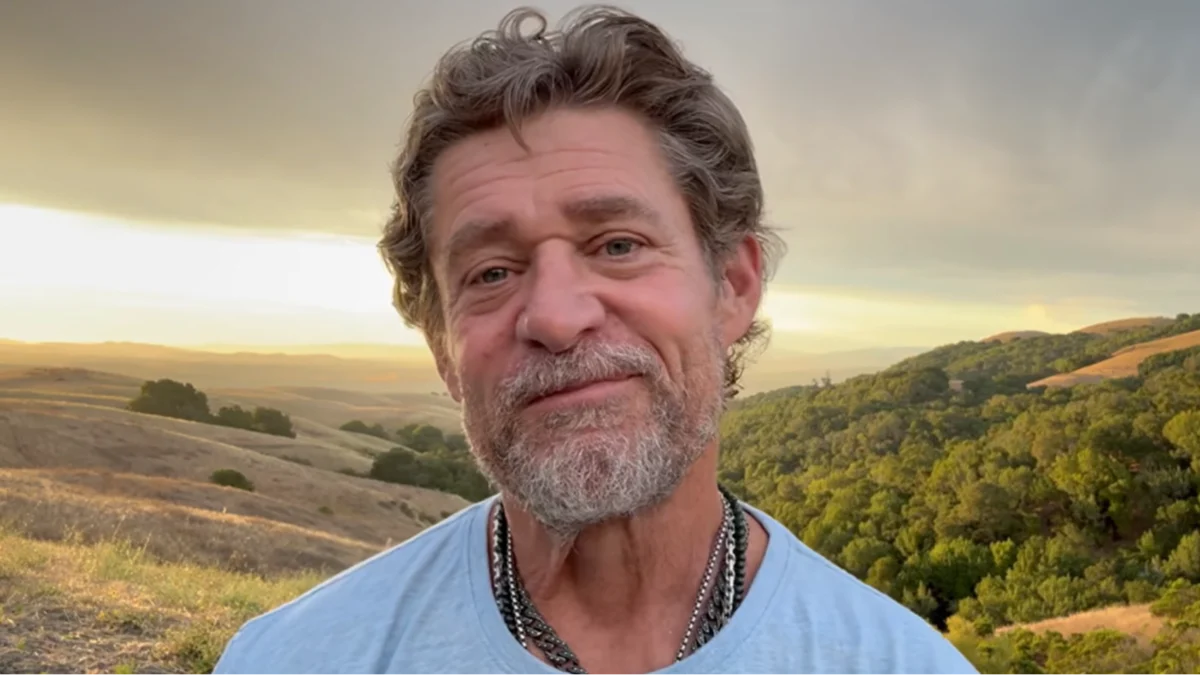
After more than three decades at the forefront of interactive entertainment, Glen Schofield, a titan of the game development industry, has officially announced his retirement. The visionary director, best known for defining the survival horror genre with Dead Space and steering the juggernaut Call of Duty franchise to new heights, is stepping away from the studio floor to pursue personal creative endeavors.
Schofield’s departure marks the end of an era for AAA game development, closing the book on a career that spanned the evolution of gaming from the 16-bit console wars to the high-fidelity, cinematic experiences of the current generation.
The Announcement: A Final Reflection
In a heartfelt video message shared via LinkedIn, Schofield reflected on his tenure with a sense of profound gratitude. "The past couple of decades have been some of the greatest times in video games," he remarked. "I’ve had a front-row seat to one of the greatest creative explosions in history."
Schofield’s message was as much a tribute to his collaborators as it was a farewell to the industry. He specifically acknowledged the corporate giants that facilitated his most ambitious projects: "To EA, thank you for letting me make Dead Space. Activision, you gave me the keys to three Call of Duty games, and I really appreciate your trust."
Despite the current atmosphere of volatility within the tech and gaming sectors, characterized by widespread layoffs and studio closures, Schofield remains an optimist. "This is an amazing industry, with so many talented people," he noted. "I know times are tough right now, but the future is really, really bright. I wish you all, the next generation of game makers, the best of luck."
A Chronology of a Storied Career
To understand the weight of Schofield’s departure, one must look at the breadth of his influence. His career trajectory reads like a history of modern gaming’s most pivotal moments.
The Early Years and Crystal Dynamics
Before he became a household name in horror, Schofield cut his teeth in the mid-90s at Crystal Dynamics. During this formative period, he directed entries in the Gex series and contributed to the Legacy of Kain franchise. These early titles were instrumental in defining the "platformer-to-action" transition that characterized the PlayStation era.
The Visceral Games and Dead Space Era
Perhaps Schofield’s most significant contribution to pop culture arrived in 2008 with Dead Space. As the Vice President and General Manager of Visceral Games (then EA Redwood Shores), Schofield spearheaded the creation of a new gold standard for survival horror. By blending atmospheric dread with visceral, innovative combat mechanics, he created a title that remains a touchstone for game design today.
The Sledgehammer Games Expansion
Schofield’s transition to Activision led to the co-founding of Sledgehammer Games. Under his leadership, the studio became a powerhouse in the first-person shooter space, taking the helm on three separate Call of Duty titles. His ability to maintain the high-octane polish required for the franchise solidified his reputation as a master of AAA production.
Striking Distance and The Callisto Protocol
In his final major chapter, Schofield founded Striking Distance Studios, an independent venture under the Krafton umbrella. His final major project, The Callisto Protocol, was released in 2022. It was a project defined by immense technical ambition, though it faced a polarized reception. As Schofield later revealed, the development of the title was the most arduous experience of his long career.
The Breaking Point: Why Now?
In an exclusive interview with GamesBeat earlier this year, Schofield offered a candid look at why he chose this specific moment to exit the industry. The decision was not sudden; rather, it was the culmination of a long, exhausting development cycle on The Callisto Protocol.
"It was the hardest development in my life," Schofield confessed. "I didn’t think anything could be harder than Lord of the Rings [development], but that one was."
The toll of modern AAA production—the endless crunch, the massive team management, and the sheer scale of global operations—led him to re-evaluate his relationship with his work. "During that time, I’ve always been painting and drawing and doing all that stuff. I picked up sculpting. I’m painting. I’m drawing. As I’m thinking during this, I’m like, ‘I don’t know if I can do the day-to-day anymore’."
Schofield’s retirement is not just a personal decision; it is a recognition of an industry "inflexion point." He views this as a natural handover, stating, "It’s a time for the next generation to emerge and do their own thing."
Industry Implications: The AAA Conundrum
Schofield’s career trajectory offers a unique vantage point on the current state of AAA development, a sector currently grappling with unsustainable budgets and creative stagnation. In his recent discussions on the industry, he voiced concern over the focus on fiscal austerity at the expense of vision.
The Creativity Crisis
"All I’m hearing is that we have to make development cheaper," Schofield stated earlier this year. "We have to spend less money and we have to do it with fewer people. One word I don’t hear in any of that is ‘creativity’. You have to be creative 99% of the time."
His critique highlights a growing tension within the industry: the clash between the necessity of fiscal discipline and the requirement for artistic innovation. As the industry faces a period of correction—marked by the "Year of the Layoff"—Schofield’s warning serves as a clarion call for studio heads and publishers to prioritize the very thing that makes gaming a unique medium: the creative spark.
A Legacy of Mentorship
Beyond the games he directed, Schofield’s influence is felt through the thousands of developers he mentored. At Visceral, Sledgehammer, and Striking Distance, he fostered environments where junior staff were encouraged to take ownership of their work.
Industry veterans have taken to social media to praise his leadership style, noting that his ability to maintain a clear creative vision while managing the chaotic logistics of hundreds of staff members was rare. As he transitions into his next phase—likely focusing on his passion for painting and sculpting—he leaves behind a blueprint for how to balance the demands of commercial viability with the pursuit of artistic excellence.
Looking Ahead: The Future of Gaming
While the industry faces significant challenges, from the rise of AI to the pressures of global economic inflation, the seeds planted by creators like Schofield continue to bear fruit. The success of the Dead Space remake, which built upon the foundation he established in 2008, proves that the horror genre he helped define is more vibrant than ever.
As Glen Schofield steps into the quiet of his studio, moving from digital assets to physical canvases, he leaves behind an industry that is larger, more complex, and more technically capable than the one he entered 35 years ago. His retirement is more than a personal milestone; it is a reminder that even the most relentless "front-row" observers of our industry eventually deserve a turn in the audience.
The future of gaming, as Schofield noted, is "really, really bright." It is now up to the next generation of creators to ensure that the "creativity" he championed remains the heartbeat of every project, regardless of the budget, the platform, or the pressure.

