

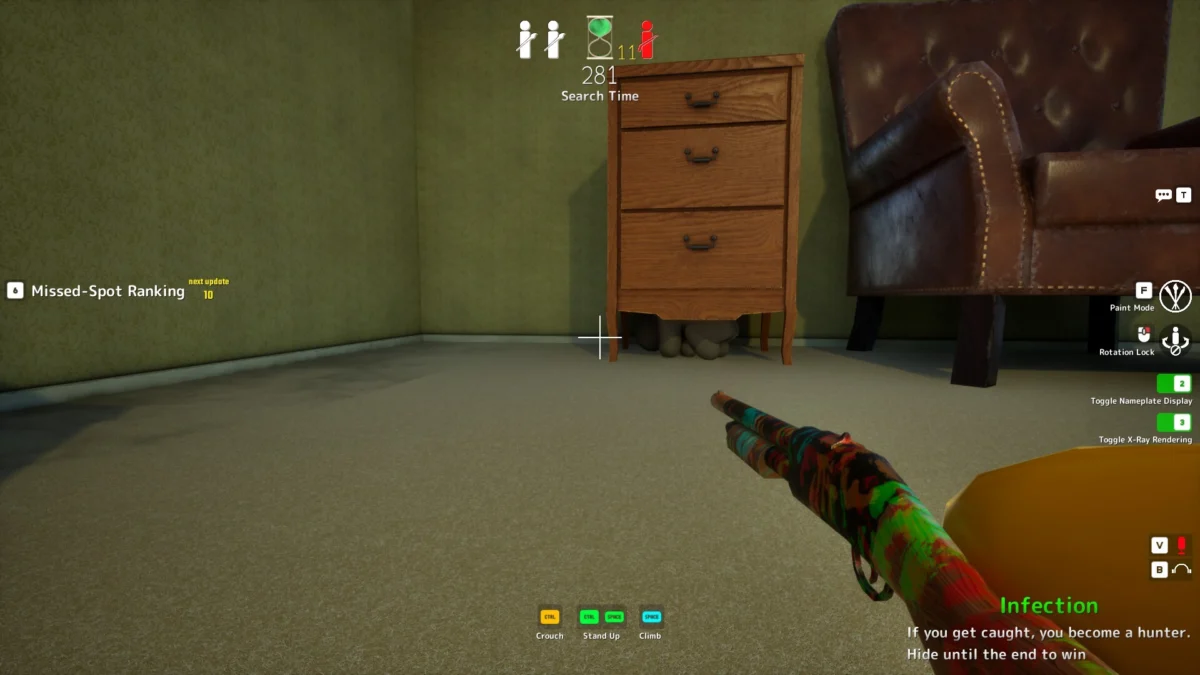
In the rapidly evolving landscape of social, emergent multiplayer titles—often affectionately dubbed "friendslop" games—few have captured the public imagination with the sudden, explosive velocity of Meccha Chameleon. The premise is deceptively simple: players are tasked with hiding in plain sight, using an in-game painting tool to camouflage their character model against the environment. It is a digital game of hide-and-seek elevated to an art form, and it has struck a chord with a global audience.
With over 1,000,000 copies sold in its first four days of availability, Meccha Chameleon has firmly established itself as a phenomenon. While the gaming industry often relies on massive marketing budgets and high-fidelity graphics to drive sales, this title has succeeded through the power of viral social media clips and the inherent, chaotic joy of human interaction.
A Meteoric Rise: The Mechanics of Success
The trajectory of Meccha Chameleon follows a familiar but potent pattern for indie breakout hits. By leveraging the visual humor of players attempting (and often failing) to blend into their surroundings, the game has become a staple of streaming platforms like Twitch and TikTok.
The core loop—paint, pose, and pray—is inherently shareable. Watching a player meticulously color-match their character to a wall, only to be betrayed by a stray pixel or an unfortunate shadow, creates the kind of "fail-forward" gameplay that keeps audiences entertained. The game transforms artistic incompetence into a competitive advantage, as players who aren’t master painters often end up creating the most hilarious, glaringly obvious disguises that somehow work through sheer audacity.
The Evolution of the "Friendslop" Genre
To understand the impact of Meccha Chameleon, one must look at the lineage of games that preceded it. The genre, characterized by unpolished but deeply expressive multiplayer interaction, has been dominated by titles like Lethal Company, Content Warning, and REPO. These games prioritize the "story" generated by player actions over the pre-scripted narratives provided by developers.
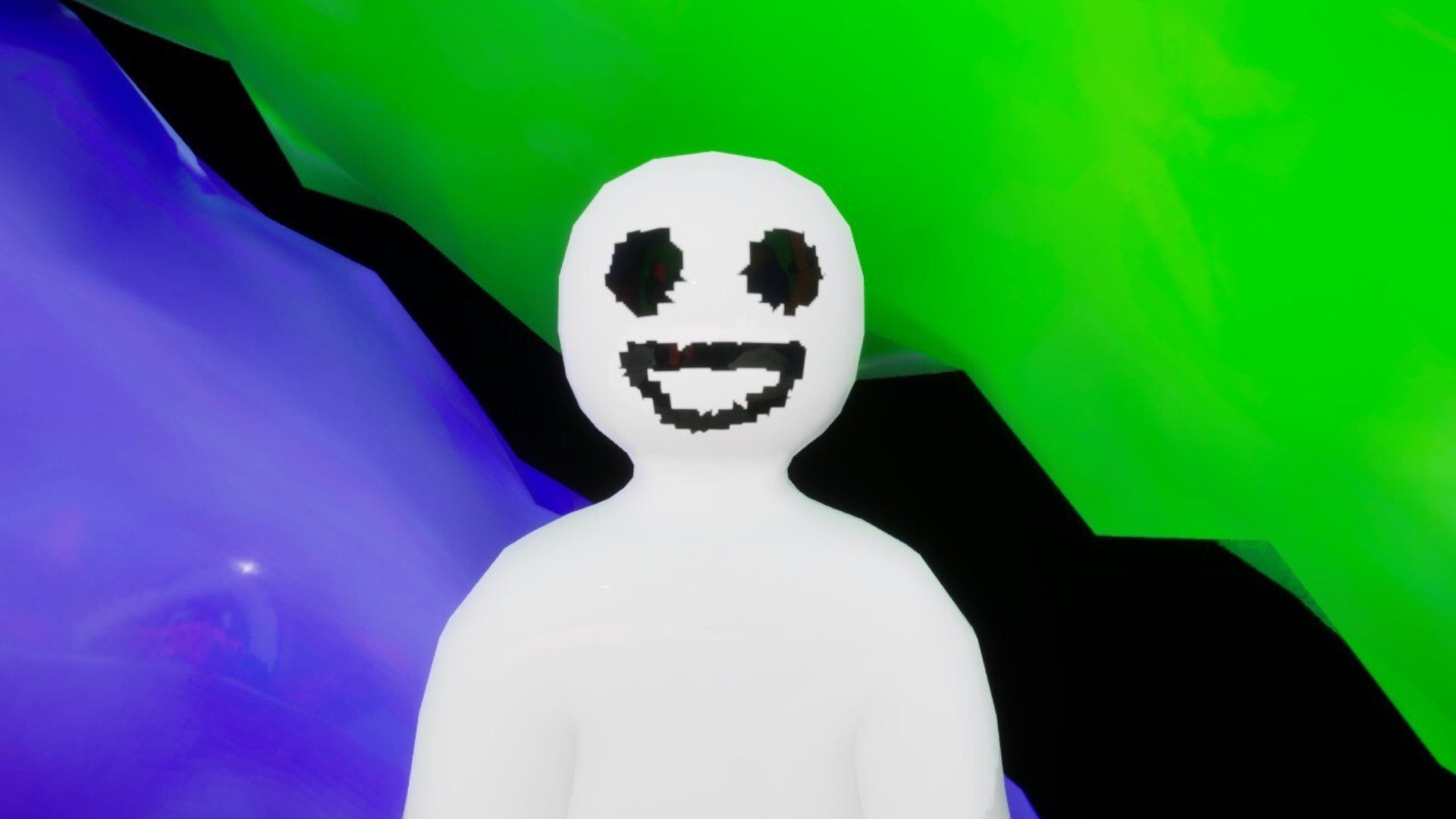
In these environments, the fun is not found in winning, but in the absurdity of the loss. When playing Meccha Chameleon with colleagues, the realization of one’s own artistic limitations becomes the primary source of entertainment. Whether you are disguised as a static object like a balloon, a patch of floor in the Backrooms, or an upside-down traffic sign, the game creates a sandbox where social bonds are tested through the medium of digital camouflage.
Technical Hurdles and Room for Improvement
Despite its massive commercial success, Meccha Chameleon is not without its growing pains. Any title that experiences such rapid adoption inevitably faces scrutiny regarding its mechanical consistency.
The most prominent issue reported by early adopters is the behavior of the "dropper tool." Designed to allow players to sample colors directly from the environment for seamless blending, the tool has been described as "temperamental." In a game where every millisecond of color-matching counts—especially when an opponent is actively searching—inconsistent performance can be the difference between a successful hide and a frantic, losing scramble.
Furthermore, the game’s user interface (UI) and optimization for non-professional digital artists remain areas where developers could provide significant quality-of-life updates. While the "rough around the edges" feel contributes to the charm of many indie games, long-term player retention will likely depend on the studio’s ability to refine these core mechanics without sacrificing the chaotic energy that made the game popular in the first place.
Examining the Competitive Landscape
The competitive element of Meccha Chameleon is subtle but present. It is not a test of reflexes or aim, but of observation and spatial awareness. Staff writer Harvey Randall’s attempt to blend into a set of plant pots serves as a perfect case study: it was a masterpiece of perspective, rendered ineffective only because the seekers approached from an unanticipated angle.
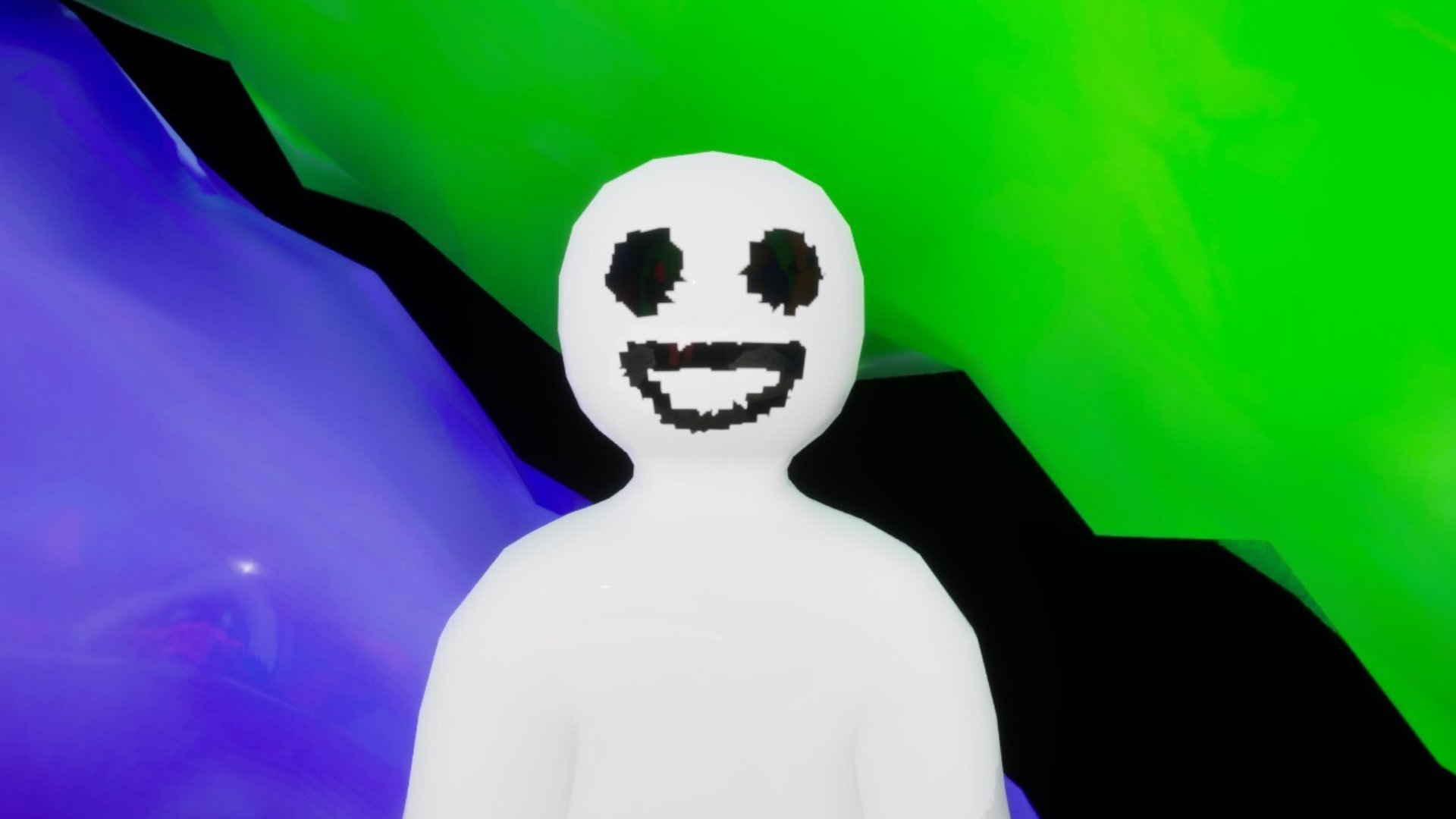
This creates a high skill ceiling for those willing to learn the geometry of the maps. Players who understand light sources, texture patterns, and environmental cues will inevitably dominate, yet the game remains accessible enough that a novice hiding in a bin can occasionally outsmart a seasoned veteran. This balance is critical; it ensures that the game remains accessible for casual groups of friends while rewarding dedicated players.
Modding Potential and Longevity
The true "legs" of a multiplayer title are often determined by its community. In the current gaming climate, developer support for modding can turn a "flash in the pan" hit into a permanent fixture on the Steam charts.
Given the map-based nature of Meccha Chameleon, the potential for user-generated content is staggering. If the developers provide robust modding tools, we could see the community creating increasingly complex environments that challenge even the most skilled camouflagers. New game modes—perhaps involving limited color palettes or time-attack painting challenges—could further diversify the experience.
The game is currently at a crossroads: it has the player base and the viral momentum, but it must now pivot toward sustained support. If the developers can address the technical inconsistencies of the painting tools and provide a steady stream of new assets or map types, Meccha Chameleon has every potential to become a titan of the social-multiplayer genre.
Implications for the Indie Industry
The success of this title serves as a stark reminder to major publishers: players are starved for games that facilitate genuine, unscripted social experiences. The shift away from hyper-competitive, high-stakes shooters toward "goofy" multiplayer experiences is not just a trend; it is a fundamental shift in how younger generations use gaming as a primary social medium.
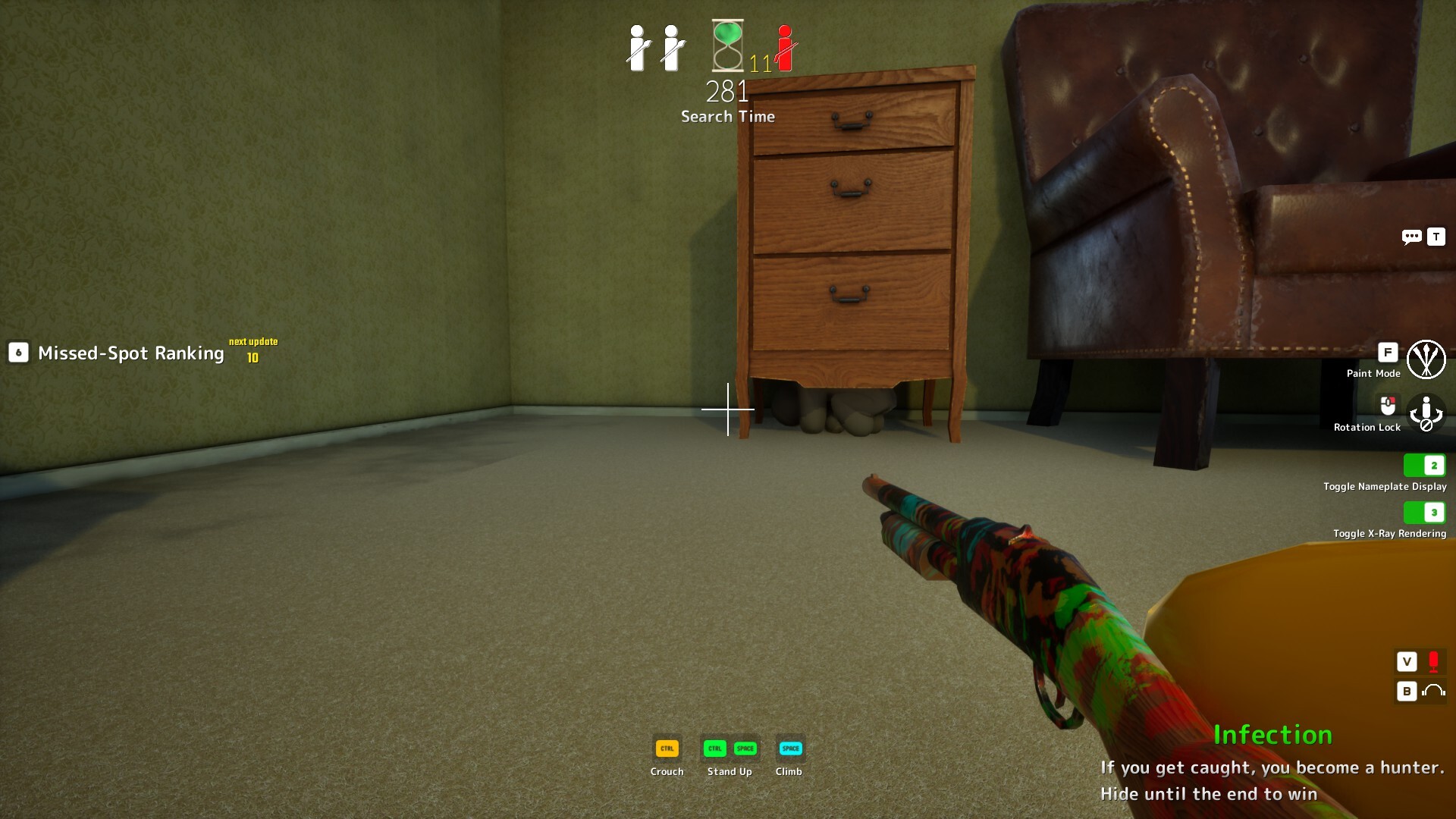
Meccha Chameleon proves that a game does not need to be perfect to be a masterpiece of engagement. It simply needs to provide a stage where friends can laugh at their own inadequacies. As the industry continues to consolidate around massive, high-budget sequels, the "friendslop" genre offers a refreshing alternative—a space where creativity, regardless of how limited, is the only currency that matters.
Conclusion: The Future of the Chameleon
As the dust settles on the initial launch week, the real work for the development team begins. Balancing the needs of the community, fixing the core toolset, and planning a roadmap for future content will determine if Meccha Chameleon becomes a long-term staple or a fleeting memory.
For now, however, the verdict is clear: whether you are a master of digital art or someone who barely manages to turn their avatar into a solid, unmoving blob, the game succeeds in its primary mission. It brings people together, makes them laugh at their own failures, and proves that sometimes, the best way to stand out is to learn how to perfectly blend in.

