

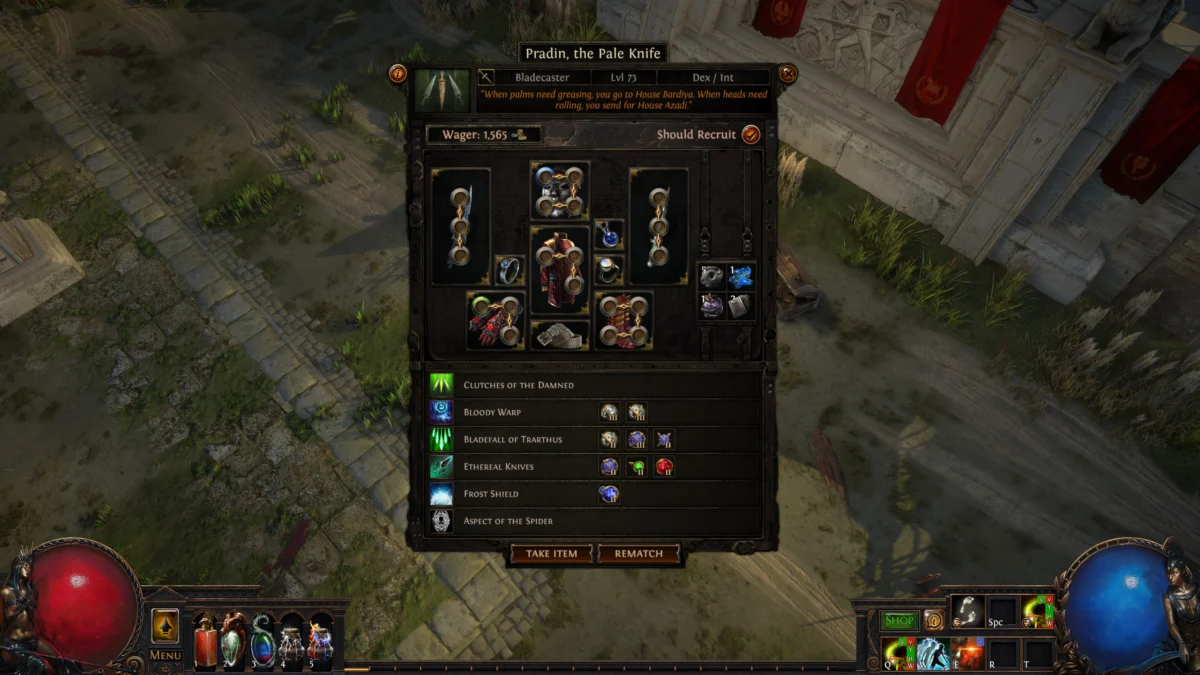
For over a decade, Path of Exile (PoE) has stood as the titan of the action RPG genre—a complex, sprawling, and often unforgiving beast that demands as much from a player’s spreadsheet skills as it does from their reflexes. Central to this legendary complexity has been the "socket system," a core mechanic where gear features red, green, and blue sockets that dictate which skill gems can be equipped. For thirteen years, this system served as both a badge of honor for veterans and a formidable, often frustrating, barrier to entry for newcomers.
However, with the announcement of the upcoming expansion, Curse of the Allflame, developer Grinding Gear Games (GGG) is signaling a historic pivot. In a move that effectively dismantles one of the most iconic pillars of the game’s DNA, GGG is phasing out the rigid color-coded socket system. This shift, alongside a suite of quality-of-life improvements and legacy content reworks, marks a significant philosophical change in how the studio approaches the longevity of its flagship title.
The End of an Era: Removing the Socket Roadblock
The socket system has long been the primary point of friction for new players. The mechanic forced players to engage in a cycle of "chromatic" currency farming just to ensure their gear could support their chosen skill builds. For seasoned players, this was a routine chore; for novices, it was often a confusing "brick wall" that halted their progression early in the campaign.
In Curse of the Allflame, the majority of gear will feature universal, neutral gray sockets. These sockets will accept any skill gem, regardless of color. By removing the necessity to reroll socket colors, GGG is effectively eliminating a layer of "busywork" that has historically acted as a gatekeeper to the game’s actual depth.
Chronology of a Design Shift
The decision to remove socket colors did not happen overnight. According to game designer Octavian, the internal debate has been simmering for years.
- The Early Years: Socket colors were established as a core tactical constraint, designed to force players to make difficult choices about their gear versus their skill setup.
- The PoE 2 Consideration: During the initial design phases for Path of Exile 2, the team evaluated the socket system and concluded that color-coding was too deeply embedded in the "DNA" of the original game to change at the time.
- The Modern Re-evaluation: As the team looked toward the future of Path of Exile 1—specifically regarding how to retain a growing player base—the consensus shifted. Recognizing that the game’s complexity was beginning to hinder new user retention, the team reconsidered the necessity of the system.
- The "Curse of the Allflame" Announcement: The developers officially confirmed that the system will be retired upon the expansion’s launch on July 24, alongside a broader effort to modernize the user experience.
Supporting Data: Why Complexity Needs Context
Critics of the change might argue that stripping away the socket system removes a layer of strategic depth. However, Grinding Gear Games is operating under the philosophy that "complexity" is not synonymous with "fun."
The studio’s internal research and feedback loops suggested that while veterans had learned to live with the friction of socket colors, the system was actively discouraging new players from exploring different character builds. When the design team floated the idea internally, the reaction from staff members—many of whom have been with the company for years—was one of surprise: "What, you can change that? That’s a good change, but you can really change that?"
This internal consensus highlights a move toward removing "sacred cows." The developers are now prioritizing player agency over maintaining legacy mechanics that no longer serve the game’s evolving ecosystem.
Official Responses and Strategic Vision
Game director Mark Roberts has been vocal about the intent behind these changes. In a recent group interview with PC Gamer, Roberts emphasized that the goal is not to "dumb down" the game, but to remove unnecessary barriers that prevent people from enjoying the core experience.
"We’re 100% questioning things that are sacred now," Roberts stated. "There’s a bit of a misconception in the community that we’ve stopped caring about PoE 1, but we are absolutely trying to bring in a new audience. We are still trying to grow our community and our audience for the original game."
The developers are aiming for a balance: maintaining the depth that makes Path of Exile unique while ensuring that the "friction" players encounter is meaningful (i.e., challenging monster encounters or build-crafting strategy) rather than purely mechanical (i.e., clicking buttons to change a socket color).
Beyond Sockets: Quality of Life and Content Refreshes
The removal of socket colors is not an isolated update. Curse of the Allflame introduces several other crucial changes designed to streamline the player experience:
1. The Ubiquitous Crafting Bench
Previously, the crafting bench—a vital tool for applying elemental resistances and stat boosts—was confined to a player’s private hideout. This often meant new players would ignore it entirely until well into the endgame. In the new expansion, crafting benches will appear in every town, making the system accessible to everyone from the very first hour of play.
2. Modernizing Legacy Content
GGG is also committing to the long-term health of the game’s older content. The expansion features significant overhauls for both the Abyss and Legion mechanics.
- Abyss Rework: The mechanic will be updated to mirror the flow seen in Path of Exile 2, where players follow "green cracks" in the ground to trigger combat encounters.
- The Roadmap: Roberts hinted that these reworks are just the beginning. The monster-hunting Bestiary mechanic is heavily implied to be the next target for a similar modernization effort in future leagues.
Implications for the Future of PoE
The removal of color-coded sockets and the repositioning of crafting benches represent a fundamental shift in how Grinding Gear Games views its product. By lowering the barrier to entry, the studio is signaling that it intends for Path of Exile 1 to coexist with Path of Exile 2 for years to come.
This strategy suggests a "long-tail" approach to the game’s lifecycle. Instead of forcing players to choose between titles, GGG is attempting to refine the original game into a more approachable, modern experience. For the player base, this means a more fluid, less tedious leveling experience and a more direct path to the complex, high-end theorycrafting that defines the game.
Ultimately, Curse of the Allflame is more than just a content update; it is a declaration of intent. It proves that even after 13 years, a game can shed its skin to become more accessible without sacrificing the hardcore soul that made it a household name in the ARPG genre. On July 24, the landscape of Wraeclast changes, and for many, the path to greatness is about to become significantly more navigable.

