

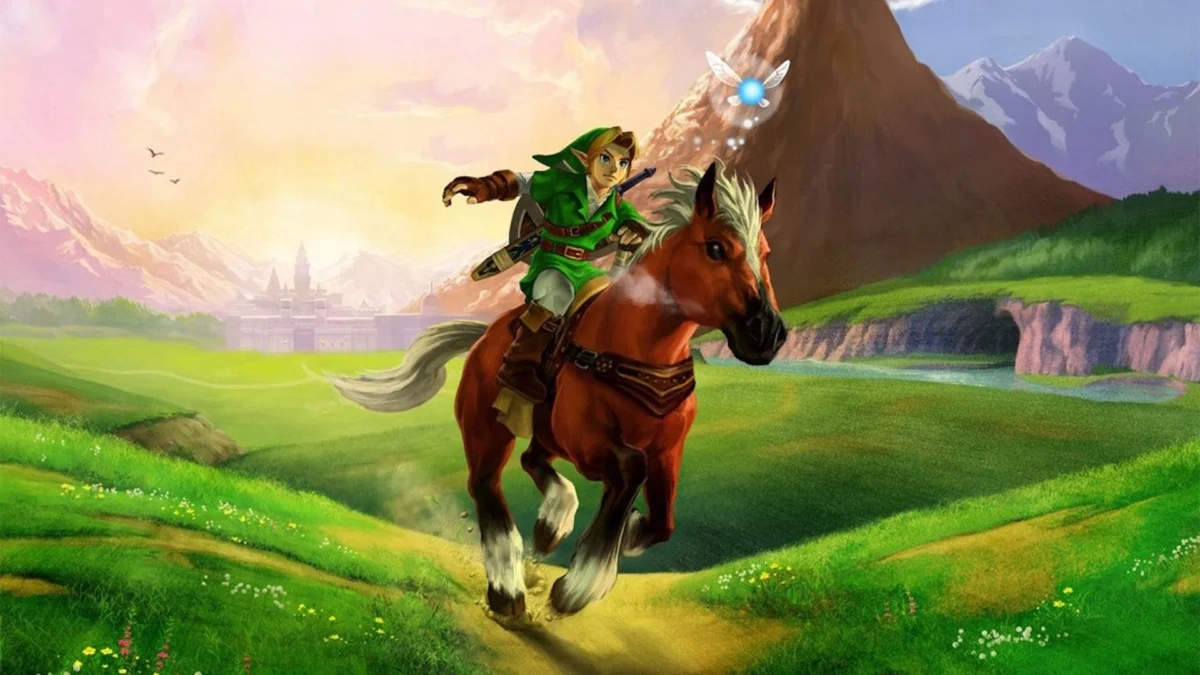
Following weeks of fervent speculation and cryptic industry whispers, Nintendo has finally pulled back the curtain on one of the most anticipated projects in gaming history: a full-scale remake of The Legend of Zelda: Ocarina of Time. While the initial reveal trailer was deliberately minimalist—offering only a fleeting glimpse of a tapestry and a slumbering Link—it has triggered a seismic shift in the discourse surrounding the Zelda franchise. As the industry looks toward the latter half of 2026, the question is no longer whether we are returning to Hyrule, but rather, what form that return will take and how it will define the future of the series.
The State of the Franchise: From Calamity to Crossroads
To understand the weight of this announcement, one must look at the recent trajectory of the Zelda series. Following the 2023 release of The Legend of Zelda: Tears of the Kingdom, series producer Eiji Aonuma made it clear that the "open-air" design philosophy established by Breath of the Wild had become the new foundation for the franchise. This design ethos, which prioritized player agency, environmental experimentation, and non-linear exploration, effectively rendered the "formulaic" structure of the series’ past—marked by gated progression and mandatory dungeon orders—seemingly obsolete.
However, in late 2023, Aonuma confirmed that Nintendo had closed the book on the Breath of the Wild era of Hyrule. With no further downloadable content for Tears of the Kingdom and no direct sequels planned, the series reached a natural, albeit daunting, inflection point. Where does a franchise go when its most successful iteration has reached a definitive conclusion? The announcement of the Ocarina of Time remake suggests that Nintendo is looking to the past not just for nostalgia, but as a laboratory for the future.
Chronology of a Legend: The Evolution of Design
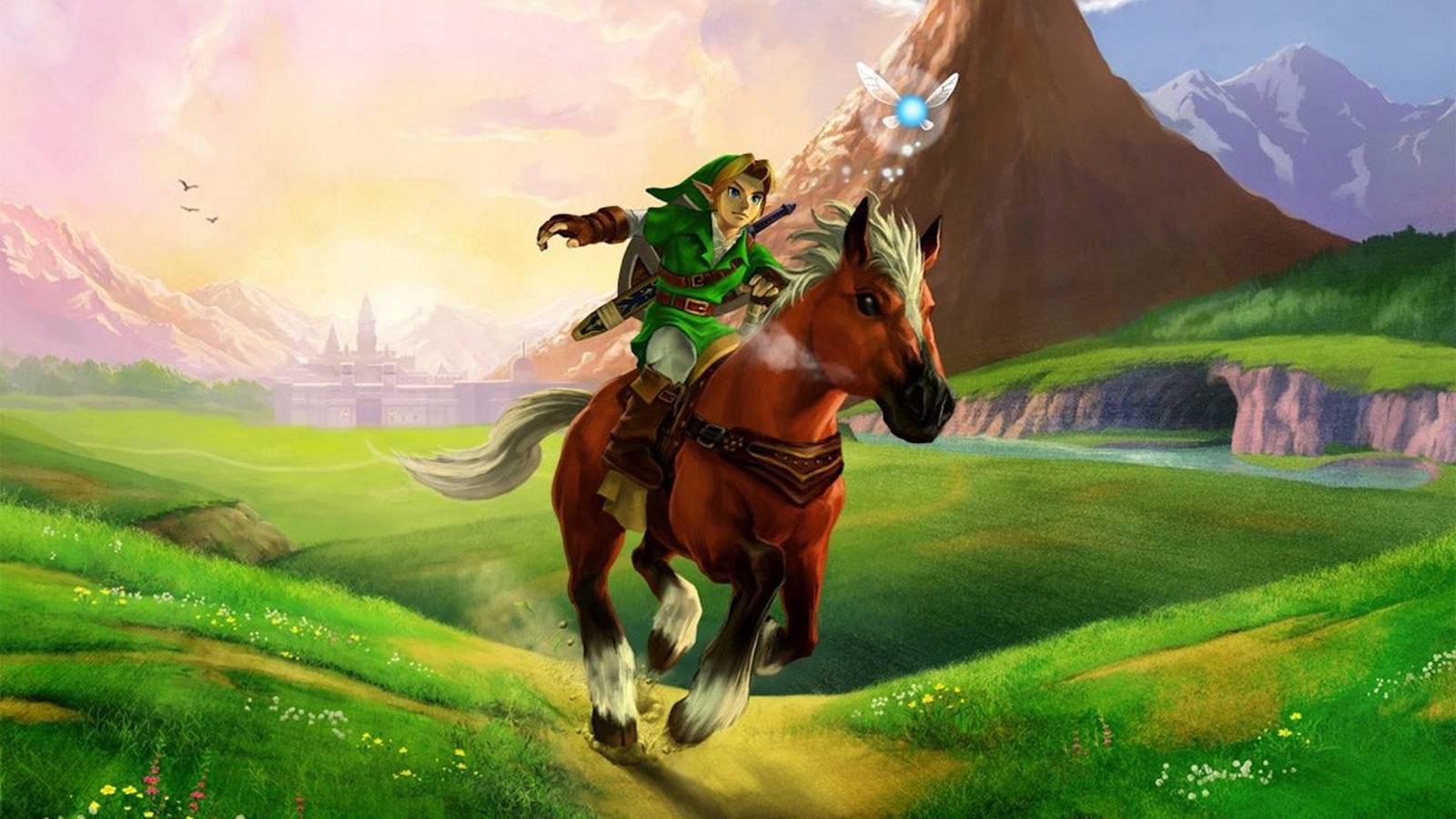
The history of The Legend of Zelda is a history of structural experimentation. The original 1998 release of Ocarina of Time was a revolutionary leap into 3D, but it also cemented a specific design template—a "lock-and-key" progression system—that would define the series for over a decade.
The Linear Era (1998–2011)
The success of Ocarina of Time led to a period of refinement that, for some, eventually bordered on stagnation. Titles like Twilight Princess (2006) were celebrated for their atmosphere but criticized for adhering too strictly to the blueprint established by their predecessors. The rigid structure, which barred players from certain areas until they obtained specific equipment, began to clash with the gaming industry’s shifting preference for player-driven discovery.
The Experimental Pivot (2011–2016)
Nintendo recognized this friction early. Skyward Sword (2011) attempted to bridge the gap by introducing deeper character relationships and more complex dungeon mechanics, though it remained tethered to a more linear narrative flow. Meanwhile, the 2D side of the franchise, specifically A Link Between Worlds (2013), began to challenge the status quo. By allowing players to tackle dungeons in almost any order and introducing a rental-based tool system, it served as a spiritual precursor to the freedom found in later open-world titles.
The Open-Air Era (2017–2024)
Breath of the Wild and Tears of the Kingdom represented a complete paradigm shift. By dismantling the "mandatory order" philosophy, Nintendo successfully rejuvenated the brand, making it a cultural juggernaut. However, these games require massive development cycles, often spanning six or more years. This leaves a "void" in the release schedule that the Ocarina of Time remake is now tasked with filling.
Supporting Data: Why Now?
Industry analysts point to several reasons why Nintendo chose this specific moment to revisit Ocarina of Time. First, there is the technological leap. With rumors of new hardware cycles, the ability to render the iconic fields of Hyrule in modern fidelity offers a low-risk, high-reward opportunity to maintain brand momentum without the need for an immediate, resource-heavy successor to Tears of the Kingdom.
Furthermore, the recent success of Echoes of Wisdom serves as a data point for Nintendo. By shifting the focus to how players interact with the environment using a versatile set of tools, the company proved that fans are hungry for "Zelda-lite" experiences that don’t necessarily require the massive, multi-year commitment of a mainline "Calamity" era game. The Ocarina of Time remake likely aims to satisfy both the purists seeking a nostalgic trip and the modern players who expect a certain degree of freedom and mechanical fluidity.
Official Responses and Strategic Implications
While Nintendo has remained tight-lipped regarding specific gameplay mechanics, the implications of the remake are clear. Aonuma has previously stated that mechanics like Tears of the Kingdom’s "Ultrahand" will not be carried forward. This suggests that the remake will not be a simple "open-world" conversion of the N64 original.
Instead, the development team appears to be aiming for a hybrid approach. The project is rumored to be an attempt to marry the classic, tight dungeon design that defined the 1998 original with the environmental interactivity popularized in more recent titles. If Nintendo can successfully implement a system where tools allow for emergent gameplay—perhaps allowing players to navigate the world with greater autonomy than they had in 1998—it could establish a new "mid-tier" of Zelda development. This would allow the studio to sustain the franchise’s relevance between major, generation-defining open-world releases.
The Future: What’s Next After the Remake?
The Ocarina of Time remake is, in many ways, a stress test for the franchise. It forces a collision between two very different philosophies: the structured, narrative-heavy design of the past and the free-form, systemic design of the present.

If the remake is a "faithful" 1:1 adaptation, it will likely be viewed as a safe, perhaps even regressive, stop-gap. However, if the rumors of "new challenges and locations" prove true, it could signal a bold new direction. By modernizing the classic Hyrule with the mechanical depth of modern Zelda, Nintendo could create a "new classic" template. This would effectively decouple the series from the multi-year development hell that characterizes massive open-world titles, allowing for a more consistent flow of Zelda content.
Conclusion: A Link to the Future
As we approach the end of 2026, the gaming world waits with bated breath. The Ocarina of Time remake is more than just a nostalgia play; it is a strategic maneuver. It represents a bridge between the rigid, foundational history of the series and a future that has yet to be fully defined.
Whether this project will satisfy those who long for the dungeons of the past or those who have been spoiled by the freedom of the present remains to be seen. But one thing is certain: Nintendo is not merely looking backward. They are using the shadows of the past to cast a light on the path forward. As we await further information, the message from the development team is clear: we are returning to where it all began, but we are doing so with the knowledge of where we have been and the ambition of where we are going.
The tapestry of the Zelda series is vast, and with this remake, Nintendo is weaving a new thread—one that honors the legacy of a legendary hero while ensuring that the legend never stops growing.

