

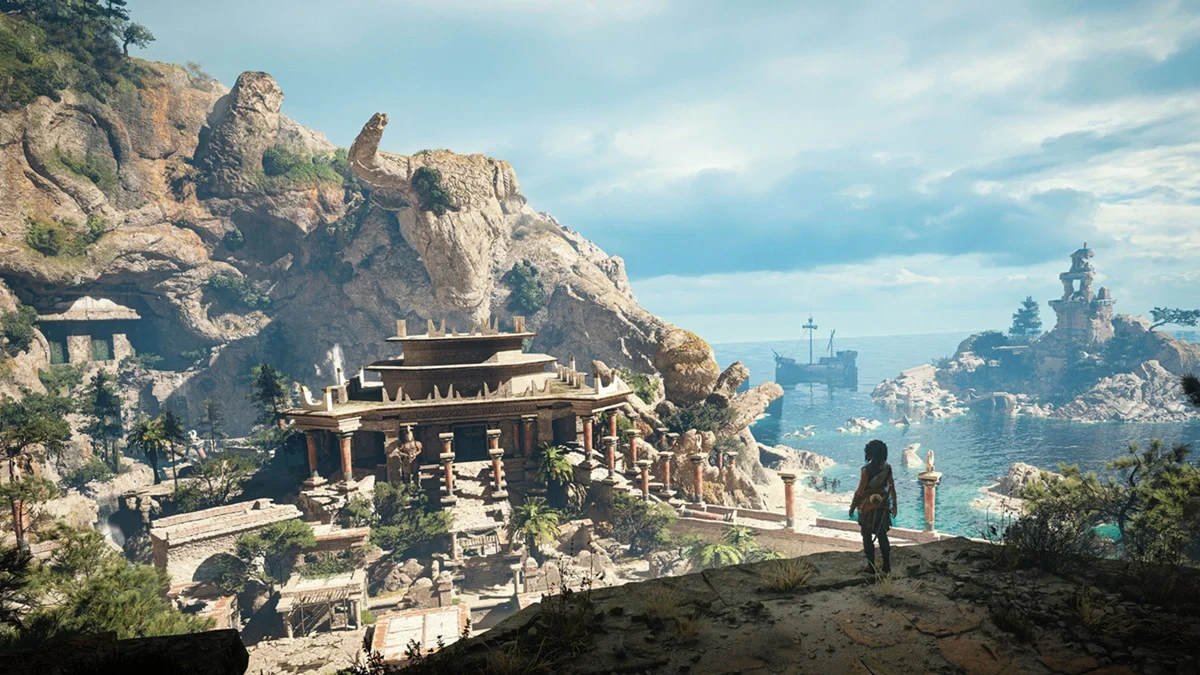
The silence surrounding the next chapter of one of the most critically acclaimed franchises in modern gaming has finally been broken. Publisher Focus Entertainment and the creative minds at Asobo Studio have officially pulled back the curtain on Resonance: A Plague Tale Legacy, the highly anticipated prequel to the emotionally harrowing A Plague Tale series. With a confirmed release date of August 27, 2026, for the PlayStation 5, the title promises to expand the dark, atmospheric lore that captivated players in 2019’s Innocence and 2022’s Requiem.
Following the announcement, a new, extensive gameplay trailer has been released, providing fans with their first substantive look at the game’s mechanics, setting, and the new protagonist tasked with carrying the series’ mantle.
The Core Facts: A New Perspective on a Familiar Darkness
Resonance: A Plague Tale Legacy is set in the year 1334, positioning it firmly 15 years before the harrowing events depicted in A Plague Tale: Requiem. While the franchise has historically focused on the bond between Amicia and Hugo de Rune, Legacy takes a sharp narrative pivot. Players will step into the shoes of Sophia, a character who made an indelible mark on players during her appearance in Requiem.
In this prequel, we encounter a younger, perhaps more desperate iteration of Sophia. Described by Asobo Studio as a "fierce young plunderer," the narrative follows her as she navigates a world still trembling under the weight of historical uncertainty and supernatural dread. She is a woman on the run, driven by a desperate need to unearth the secrets of her own past, a quest that inevitably leads her to the enigmatic Minotaur Island.
The gameplay trailer highlights a transition from the stealth-heavy, narrative-driven exploration of the previous titles to a more visceral experience. Players can expect a blend of environmental puzzle-solving, intense survival mechanics, and high-stakes combat as Sophia attempts to outmaneuver an encroaching army while contending with the island’s ancient, unnatural secrets.
Chronological Context: Placing Legacy in the Series Timeline
To understand the weight of Resonance: A Plague Tale Legacy, one must view it through the lens of the existing franchise timeline. The series has consistently utilized the 14th century as a backdrop for a "low-fantasy" horror experience, where the brutality of the Hundred Years’ War meets the encroaching, rat-borne supernatural plague.
- 1334: Resonance: A Plague Tale Legacy: The new prequel. By placing the game here, Asobo Studio is exploring the era preceding the full-scale devastation seen in the earlier games. It serves as a formative period for the world’s lore.
- 1348: A Plague Tale: Innocence: The beginning of the series, where Amicia and Hugo fight for survival against the Inquisition and the encroaching tide of the Macula.
- 1349: A Plague Tale: Requiem: The direct sequel, which concludes the primary arc of the de Rune siblings and introduces the older, more experienced Sophia to the fold.
By focusing on 1334, Legacy allows developers to explore the "mythology" of the world before the Macula became the primary existential threat. The mention of a "terrifying creature hidden behind the myth" suggests that Legacy might delve into the origins of the supernatural forces that eventually plague the de Rune family, effectively acting as an origin story for the franchise’s darker elements.
Supporting Data: Why the Franchise Matters
The A Plague Tale series is not merely a collection of action-adventure titles; it has become a benchmark for "AA+" development—games that sit in the sweet spot between indie passion projects and massive, multi-hundred-million-dollar AAA titles.
According to industry metrics and critical reception trackers:
- Critical Acclaim: A Plague Tale: Requiem boasted an average review score of 85+ on Metacritic, with critics praising the narrative depth, technical fidelity, and orchestral score.
- Player Engagement: Following the success of Requiem, the franchise saw a massive surge in player interest, particularly on platforms like the PlayStation 5, where the game’s utilization of haptic feedback and 3D audio set a new standard for immersion.
- Studio Trajectory: Asobo Studio, once known primarily for flight simulation and support work, has solidified its reputation as a premier narrative studio. The transition from Innocence to Requiem demonstrated a significant leap in graphical fidelity and combat complexity, a trajectory that Legacy appears to be continuing.
The shift toward a more agile, combat-capable protagonist like Sophia suggests that Asobo is listening to player feedback regarding the more static stealth sections of the previous titles. By leaning into her background as a pirate and a survivor, the gameplay is expected to be more fluid and dynamic.
Official Perspectives: Asobo Studio and Focus Entertainment
The partnership between Asobo Studio and Focus Entertainment has been described by industry analysts as one of the most stable and productive relationships in the current gaming landscape. In a brief statement following the trailer reveal, a representative from Focus Entertainment noted:
"With Resonance, we wanted to explore a side of the Plague Tale universe that felt distinct yet inextricably linked to what came before. Sophia is a character who always felt like she had a larger story to tell. By taking the player to Minotaur Island, we are expanding the scope of the series’ environmental storytelling while maintaining the intimate, character-focused tension that fans expect."
Asobo Studio has remained tight-lipped regarding the specifics of the "myth" mentioned in their overview. However, developers have hinted that the "resonance" referred to in the title is not merely a name, but a core gameplay mechanic. Early speculation suggests this could involve a unique form of environmental interaction or a psychological element that forces the player to manage Sophia’s mental state as she uncovers the island’s history.
Implications: The Future of the Plague Tale Brand
The release date of August 27, 2026, is highly strategic. By avoiding the typical "flood" of major titles that populate the September and October windows, Focus Entertainment is positioning Resonance: A Plague Tale Legacy as the premier late-summer blockbuster for the PlayStation 5.
The Evolution of the Genre
The decision to focus on a prequel character rather than a direct sequel to Requiem allows the developers to avoid the narrative "corner" they painted themselves into with the ending of the previous game. It signals a move toward a franchise model—similar to Assassin’s Creed or Far Cry—where the setting and the mythos take precedence over a singular protagonist’s lifelong journey.
Technical Prowess
As a PS5-exclusive (or PS5-led) title, Legacy is expected to push the boundaries of what the current generation of hardware can achieve in terms of lighting and particle effects. The Plague Tale series is famous for its rendering of tens of thousands of rats on screen simultaneously; the move to the "Minotaur Island" setting suggests a change in the primary visual hook. If the trailer is any indication, the game will utilize high-density, claustrophobic environments that rely on advanced ray-tracing to create a sense of unease.
Community Reception
The reaction from the gaming community has been largely positive, with fans expressing relief that the series is continuing in a meaningful way. However, some have raised questions about the absence of the de Rune siblings. Asobo Studio’s challenge will be to prove that the world of A Plague Tale is robust enough to support stories outside of Amicia and Hugo.
Conclusion
Resonance: A Plague Tale Legacy is more than just a prequel; it is a testament to the longevity of a unique narrative universe. By shifting the focus to Sophia and the mysteries of Minotaur Island, Asobo Studio is attempting to prove that the "plague" is not just a historical event, but a persistent shadow that can manifest in new and terrifying ways.
As we move toward the August 2026 launch, the gaming world will be watching closely. Will Legacy manage to capture the same heart-wrenching emotional resonance that made its predecessors household names in the gaming community? If the latest trailer is any indication, the answer is a resounding "yes." For now, fans are left to dissect every frame of the footage, searching for clues about the "creature behind the myth" and preparing themselves for another descent into the dark, beautifully rendered world of Asobo Studio’s creation.

