

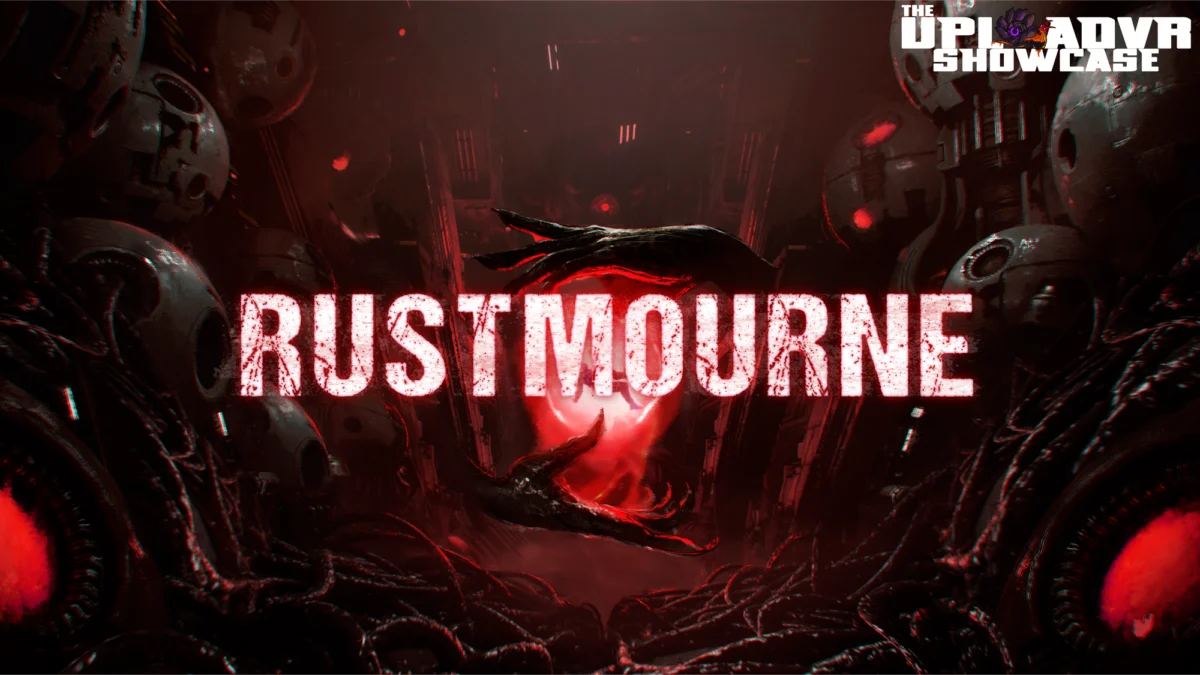
The virtual reality landscape has long awaited a title that manages to capture the claustrophobic dread of Dead Space while honoring the tactile, revolutionary gameplay mechanics established by Half-Life: Alyx. At this year’s UploadVR Summer Showcase, that void appeared to be the target of a new, ambitious project titled Rustmourne. As the closing act of the event, the reveal trailer offered a glimpse into a decaying, derelict structure filled with unspeakable horrors, positioning itself as a must-watch title for fans of sci-fi survival horror.
Main Facts: Stepping into the Abyss
Rustmourne is a first-person VR sci-fi survival horror shooter currently in development. The core gameplay loop centers on exploration, resource management, and visceral combat within a labyrinthine, ancient space station. Unlike traditional flat-screen shooters, Rustmourne emphasizes "VR-designed interactions," meaning players must physically manipulate their environment, manage their inventory via tactile gestures, and engage in high-stakes combat that requires precise manual dexterity.
The game is currently slated for release on PC VR via Steam, where it is already available for wishlisting. While the developers have remained tight-lipped regarding potential ports to standalone hardware—such as the Meta Quest 3 or the upcoming iterations of the PSVR 2 ecosystem—the technical fidelity shown in the initial footage suggests a title built with high-end hardware in mind.
Chronology: The Road to the Showcase
The announcement at the UploadVR Summer Showcase marks the first major public appearance for the project. For the development team, this event served as a critical "coming out" party.
The timeline of Rustmourne’s development remains largely behind the curtain, but industry analysts suggest that the project has been in active development for approximately 24 months. The trailer served as a culmination of the "vertical slice" phase, where the developers successfully demonstrated their ability to render high-fidelity lighting and complex skeletal animations in a VR environment.
The showcase organizers chose to place Rustmourne as the final announcement, a strategic decision that underscores the excitement surrounding the title. By closing the show with a project that promises to bridge the gap between atmospheric horror and mechanical depth, the showcase organizers set a high expectation for the studio to deliver on these lofty promises as development moves into the final stages.
Supporting Data: The Shadow of Giants
To understand the significance of Rustmourne, one must examine the titans that cast their shadows over it. Since Valve released Half-Life: Alyx in 2020, the industry has undergone a paradigm shift. Alyx proved that VR was not just a novelty, but a legitimate medium for high-budget, narrative-driven action. However, this success has become a "double-edged sword" for indie developers.
The "Alyx" Benchmark
Half-Life: Alyx set a near-impossible bar for interaction, physics, and polish. Many games that have attempted to emulate its success have faltered, either by failing to provide the same level of environmental interactivity or by suffering from repetitive gameplay loops. Rustmourne is entering a crowded market where "VR-designed interactions" are now the expected standard rather than a luxury feature.
The "Dead Space" Aesthetic
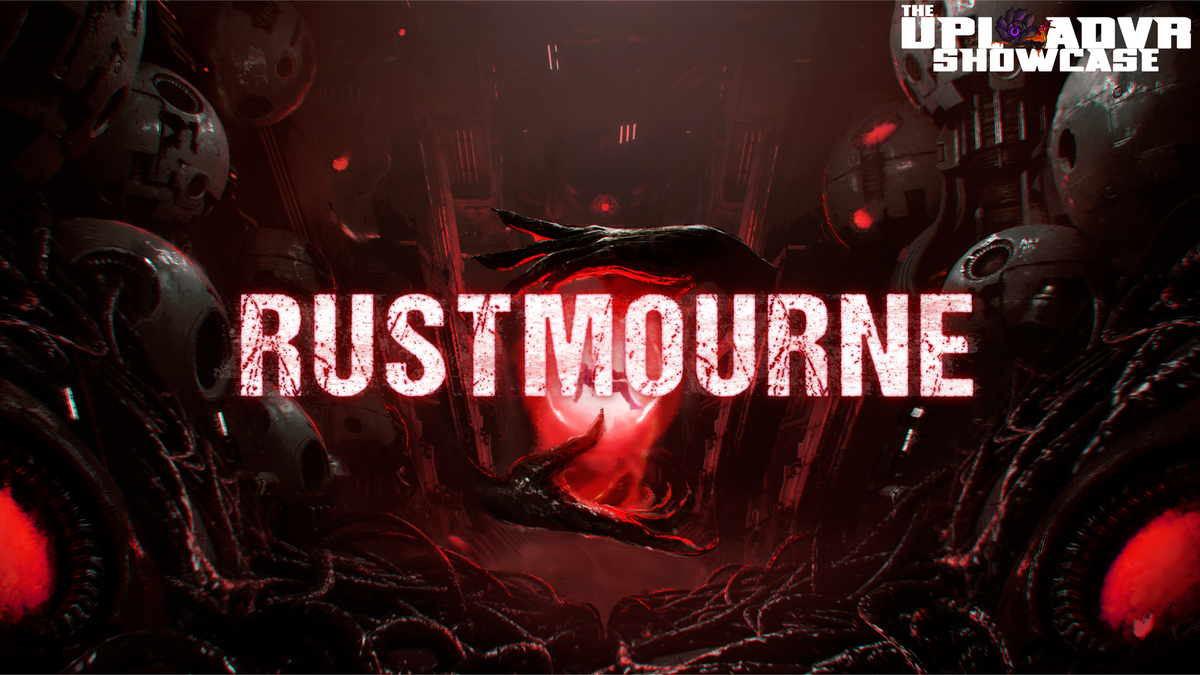
Conversely, the horror elements of Rustmourne lean heavily into the visual language established by Dead Space. The trailer highlights dimly lit, metallic corridors, flickering lighting, and grotesque, mutated entities that appear to possess distinct, limb-based damage models. In Dead Space, "cutting off their limbs" was not just a gameplay mechanic; it was the core tactical necessity of survival. By adopting this philosophy, Rustmourne distinguishes itself from the more "shooting gallery" style of other VR horror games, moving toward a more deliberate, tactical approach to combat.
Official Responses and Developer Philosophy
While the studio has not yet released an exhaustive press kit, the core philosophy behind the project is clear. According to the developers, the goal is to make the player feel the weight of their actions. "Traverse the corridors of an ancient, derelict structure, and face the tortured beings in it: hide, run, or cut off their limbs to survive," the team noted in their post-showcase statement.
This focus on the "hide or fight" dynamic is a departure from the power-fantasy style of gaming. It suggests a game that prioritizes tension over ammunition count. By forcing players to interact with the environment—whether it is manually reloading a weapon, barricading a door, or scavenging for batteries in a pitch-black room—the developers hope to create a sense of immersion that flat-screen horror simply cannot replicate.
Industry commentators have noted that the developer’s transparency regarding their inspirations is a bold move. It signals a team that is confident in their ability to synthesize the best parts of their influences without becoming a derivative clone.
Implications: What Does This Mean for the VR Industry?
The arrival of Rustmourne carries several significant implications for the future of virtual reality gaming.
1. The Maturity of the VR Market
The shift toward more serious, atmospheric horror titles suggests that the VR audience is maturing. Early VR adopters were often content with "wave shooters" or short, arcade-like experiences. Rustmourne signals that the market is ready for longer, more grueling, and more narrative-heavy experiences that require time and emotional investment.
2. The Interaction Revolution
If Rustmourne succeeds in delivering on its promise of "VR-designed interactions," it will further push the boundaries of how we define immersion. As developers continue to refine how players touch, grab, and manipulate the virtual world, the "clunkiness" that plagued early VR titles is being slowly eroded. This project will likely be judged heavily on its physics engine and the responsiveness of its inventory system.
3. The Survival Horror Renaissance
Horror has always been the "killer app" for VR because of the sense of presence it provides. However, Rustmourne is entering a space where games like Resident Evil Village VR and The Walking Dead: Saints & Sinners have already set high standards. To carve out a niche, Rustmourne cannot just be scary; it must be mechanically distinct. Its emphasis on tactical limb-severing and environmental navigation could be the differentiator it needs to survive the competition.
Looking Forward: A Call for Caution and Anticipation
While the trailer is undeniably impressive, experienced observers remain cautiously optimistic. The history of VR development is littered with high-concept trailers that failed to translate into cohesive, bug-free experiences upon release. The challenge for the Rustmourne team will be to maintain the level of polish shown in the reveal throughout the entirety of a full-length campaign.
Furthermore, the lack of information regarding platforms beyond Steam is a point of interest. As the PC VR market remains a smaller, albeit more dedicated, segment of the total VR ecosystem, the decision to forgo a potential release on standalone headsets—should the hardware allow—would be a bold, performance-focused choice. It suggests that the team is prioritizing visual fidelity and complex physics calculations over the mass-market accessibility of the mobile VR market.
For now, the gaming community is left to watch and wait. With the game now available for wishlisting on Steam, the developer has opened a direct line of communication with its future players. Whether Rustmourne becomes the next landmark title in the VR survival horror canon or remains a promising but unrealized vision, one thing is certain: the eyes of the VR world will be firmly fixed on this derelict station until the day the airlock finally opens.
Final Thoughts
As we await further updates, the reveal of Rustmourne stands as a testament to the enduring appeal of the sci-fi horror genre. It is a genre that thrives on the unknown, the dark, and the claustrophobic—elements that are amplified a hundredfold when you are standing inside the game world itself. If the developers can successfully balance the high-octane action of a shooter with the crushing dread of a survival game, Rustmourne may well earn its place alongside the games that inspired it. For now, we advise players to keep their lights on and their motion controllers charged—the corridors of Rustmourne are approaching, and they look far from friendly.

