

The rapid proliferation of generative artificial intelligence has sent shockwaves through the global entertainment industry, prompting a fierce debate over the sanctity of human performance. In Japan, a nation with a rich, culturally significant history of seiyuu (voice acting) performance, the Japan Actors Union (JAU)—a powerful collective representing approximately 2,600 actors and voice professionals—has taken a definitive stand.
In a newly unveiled set of guidelines, the JAU has established a framework to combat the unauthorized cloning and exploitation of human voices by AI models. This move represents one of the most structured efforts by a labor organization to bridge the gap between technological advancement and the fundamental rights of performers.
The Core Mandate: Consent as the Foundation
At the heart of the JAU’s new guidelines is a pivot away from total prohibition toward a model of rigorous, granular consent. The union argues that the current "wild west" of generative AI, where models are trained on datasets scraped from the internet without attribution or compensation, constitutes a breach of professional ethics and intellectual property rights.
The proposed guidelines stipulate that consent must be obtained at every stage of the AI production cycle. Under these rules, companies are legally and ethically obligated to:
- Disclose Training Usage: Any entity utilizing an actor’s voice to train a generative model must explicitly inform the performer of the intent, scope, and duration of that training.
- Negotiate Compensation: Voice data is classified under these guidelines as a professional asset. Much like licensing one’s likeness for a commercial, the use of a voice for AI generation requires a clear, mutually agreed-upon financial contract.
- Transparency in AI-Translation: The union is extending these rules to AI-dubbing and translation, ensuring that even when a voice is localized for foreign markets, the original performer retains control over how their vocal identity is manipulated or replicated.
A Chronology of Conflict: How We Got Here
The rise of AI-cloning technology has been a gradual, then sudden, shift. For years, voice actors have dealt with unauthorized "fan-made" mods, but the industry shift toward enterprise-level AI implementation began in earnest around 2022.
- 2022-2023: The Proliferation Phase: As voice-cloning software became accessible to the general public, instances of "deepfake" audio—often used to make actors appear to say things they never uttered—surged. High-profile incidents, such as the use of an AI-powered Darth Vader in Fortnite being manipulated to utter offensive slurs, brought the dangers of unmoderated AI into the mainstream.
- Early 2024: The Celebrity Outcry: Prominent figures in the industry, including Evangelion star Megumi Ogata, publicly voiced their distress. Ogata described the unauthorized cloning of her peers as "heartbreaking," calling for immediate government intervention to protect the emotional and professional integrity of the craft.
- Mid-2024: International Parallels: This sentiment echoed across the Pacific. Nick Apostolides, the voice behind Resident Evil’s Leon Kennedy, argued that AI-generated performance is an oxymoron. He famously asserted that while AI can simulate speech, it lacks the human experience necessary for genuine performance, stating, "There’s nothing human behind it."
- Late 2024: The JAU Intervention: Following months of internal debate, the Japan Actors Union finalized its guidelines, signaling a transition from mere protest to concrete regulatory policy.
The "Deceased Performer" Clause: Protecting Legacy
Perhaps the most significant and restrictive portion of the JAU’s guidelines concerns the mimicry of deceased actors. In an era where "digital necromancy" is becoming a commercially viable trend, the JAU has drawn a hard line.
The union has proposed a strict ban on using AI to replicate the voices of actors who have passed away, unless explicit consent was obtained prior to their death. In the absence of such pre-death authorization, the guidelines demand:
- Estate Oversight: Mandatory, written consent from the actor’s surviving family or the legal administrator of their estate.
- Royalty Structures: The establishment of ongoing royalty payments to the heirs of the deceased to prevent the commodification of a legacy without benefit to the family.
The union’s stance is rooted in the preservation of human dignity. In a translated statement, the JAU noted: "It protects the dignity, honor, and legacy of deceased performers from commercial exploitation. We respect the wishes of the person during their lifetime to the greatest extent… to prevent desecration of the deceased."

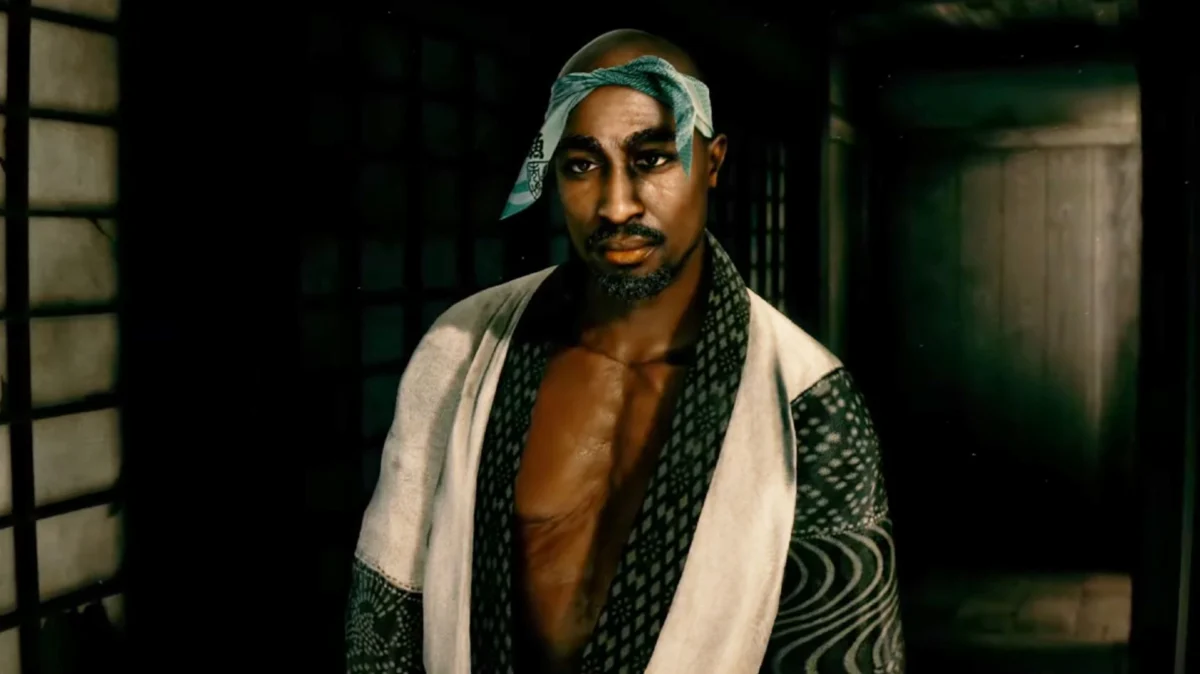
This is a direct rebuke to industry trends like the recent inclusion of a digital recreation of Tupac Shakur in the upcoming game Stranger Than Heaven. While the game industry often views such inclusions as "tributes," unions increasingly view them as a dangerous precedent that reduces human life to a digital asset.
Supporting Data and Industry Context
The economic implications for the Japanese gaming and anime industries are massive. Japan remains the global hub for voice acting excellence, with seiyuu often achieving celebrity status comparable to Hollywood A-listers.
- Market Vulnerability: Industry analysts note that because voice acting is a central component of Japanese media, the sector is more vulnerable to AI displacement than other creative industries.
- The "Human Element" Premium: Despite the low cost of AI, consumer sentiment studies in Japan suggest that audiences heavily favor human performance. A survey conducted by industry watchdogs indicated that 78% of anime fans expressed discomfort with the idea of AI replacing human dubbing.
- Legal Precedents: The JAU is currently leveraging existing Japanese copyright laws, which provide some of the most robust protections for "personality rights" in the world. By framing voice data as a component of one’s personality, the union is attempting to build a legal firewall that tech companies cannot easily bypass.
Implications: A New Global Standard?
The JAU’s guidelines are "gentle" by design—they do not seek to ban AI entirely, but rather to bring it under the umbrella of labor law. However, the implications of this move are far-reaching.
1. The Death of "Free" Training Data
If the JAU’s standards are adopted, the current model of training AI models on mass-scraped audio data will become legally untenable in Japan. This forces developers to either strike deals with actors (paying for the right to train) or develop synthetic voices from scratch that do not infringe on specific individuals.
2. A Shift in Localization and Dubbing
International distribution companies, who frequently use AI-driven tools to localize anime for global markets, will now face a regulatory hurdle. They will be required to ensure that the voice actors whose work is being adapted have signed off on the AI-assisted process, potentially increasing costs but ensuring ethical standards.
3. Impact on Global Labor Unions
The JAU’s proactive approach provides a roadmap for SAG-AFTRA and other global unions. By shifting the conversation from "AI is coming for our jobs" to "AI is a tool that requires human consent and compensation," the JAU is providing a template for collective bargaining that could define the next decade of entertainment labor relations.
Conclusion
The Japan Actors Union has effectively asserted that technology should serve the performer, not replace them. While the industry is still grappling with the technical realities of generative AI, the JAU’s insistence on consent and compensation creates a necessary boundary.
As we look toward the future of interactive media—where voice-driven AI will undoubtedly play a larger role in games and film—the question is no longer whether AI can do the job, but whether it should be permitted to do so without the humanity of the original artist. By centering the dignity of the performer, the JAU has ensured that in the debate over the future of voice acting, the human voice remains the loudest.

