

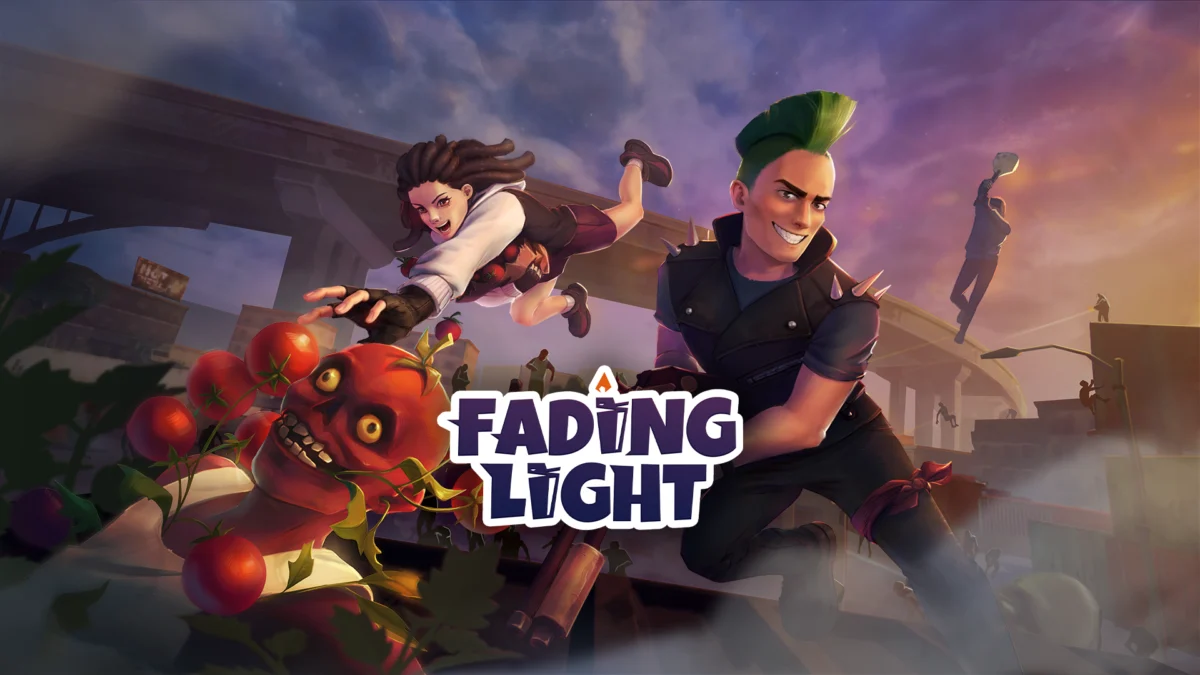
The studio behind Stride and Catana: Red Flowers returns with an ambitious 1-to-4 player VR survival shooter that combines fluid urban traversal, deep crafting, and relentless horde combat.
Main Facts
Virtual reality survival horror fans have a new title to mark on their calendars. Developer Joy Way has officially announced that Fading Light, their upcoming cooperative action-shooter, is scheduled to launch on the Meta Quest platform on November 12. Designed to support both solo players and cooperative squads of up to four survivors, the game drops players into a sprawling, zombie-infested open-world city where survival depends on a delicate balance of mobility, resource management, combat prowess, and strategic base-building.
While Joy Way has not yet disclosed the official retail pricing for Fading Light, the title’s storefront page is already live on the Meta Quest platform, allowing eager fans to officially wishlist the game ahead of its November release date. Accompanying the release date announcement, Joy Way dropped a comprehensive reveal trailer, offering players their first substantial look at the game’s core gameplay loops—most notably its seamless integration of high-speed virtual reality parkour mechanics with traditional survival-crafting systems.
Fading Light stands out in a crowded VR zombie genre by emphasizing fast, physical movement. Rather than relying on standard, grounded locomotion, players will be expected to run, leap, scale, and vault across architectural obstacles to outmaneuver relentless hordes of the undead. Beyond the core cooperative campaign and open-world exploration, the game will also feature dedicated "Time-Run" challenges, encouraging competitive players to test their parkour mastery and shave seconds off their traversal records on global leaderboards.
Chronology
The journey toward Fading Light has been years in the making, reflecting the steady evolution of developer Joy Way as a prominent force in the virtual reality gaming ecosystem. To understand how Fading Light came to be, it is helpful to look back at the studio’s developmental trajectory:
- Early Innovations and Foundation: Joy Way first built a reputation for pushing the boundaries of physical VR movement with projects like Red Flowers (later rebranded and expanded as Catana: Red Flowers), establishing their foundational understanding of how to handle fast-paced action mechanics without inducing severe motion sickness.
- The Stride Era: The studio achieved widespread recognition with the release of Stride, a rooftop-scaling action game that brought comic-book-style parkour to virtual reality. This was followed by the more narrative-driven and expansive sequel, Stride: Fates, which further refined Joy Way’s proprietary movement engines and environmental interaction systems.
- Conception and Development of Fading Light: Leveraging their expertise in VR locomotion, the team at Joy Way began conceptualizing a project that would marry the kinetic freedom of Stride with the high-stakes tension of a survival-crafting multiplayer game.
- October 2024: Joy Way officially breaks the silence on Fading Light, announcing its upcoming Meta Quest release date for November 12, publishing the initial gameplay trailer, and opening the official Meta Horizon Store wishlist page.
- November 12, 2024 (Upcoming): Fading Light is scheduled to launch globally on the Meta Quest platform, introducing players to its cooperative multiplayer, base-building, and parkour-heavy survival loops.
Supporting Data
The technical and structural design of Fading Light leans heavily on established gameplay pillars that resonate with modern survival game enthusiasts, while adapting them specifically for the immersive medium of virtual reality.
Core Gameplay Pillars & Specifications
- Platform: Meta Quest platform (Store page currently live for wishlisting).
- Release Date: November 12.
- Player Count: 1 to 4 players (Supports solo play and cooperative multiplayer squads).
- Movement System: Fast, physical VR parkour (running, jumping, climbing, vaulting).
- Core Loops: Open-world exploration, resource scavenging, gear crafting, and base construction.
- Additional Modes: Time-Run challenges for competitive speed-running and parkour efficiency testing.
- Developer History: Developed by Joy Way (creators of Catana: Red Flowers, Stride, and Stride: Fates).
The Evolution of VR Locomotion and Survival
The convergence of open-world survival elements and intense physical movement in VR represents a technical milestone. Historically, early virtual reality games treated locomotion conservatively due to concerns over user comfort. However, titles like Joy Way’s own Stride proved that players—particularly seasoned VR enthusiasts—crave high-velocity, adrenaline-fueled movement systems. By combining this kinetic freedom with the resource scarcity of a zombie survival game, Fading Light addresses a significant market demand for deeper, more challenging multiplayer experiences on standalone hardware like the Meta Quest.
Official Responses and Developer Insights
Joy Way has positioned Fading Light as a natural evolution of their design philosophy. In promotional materials and official statements accompanying the trailer release, the studio emphasized that the game was built to address what players love most about cooperative survival titles: the feeling of vulnerability turning into empowerment through teamwork and preparation.
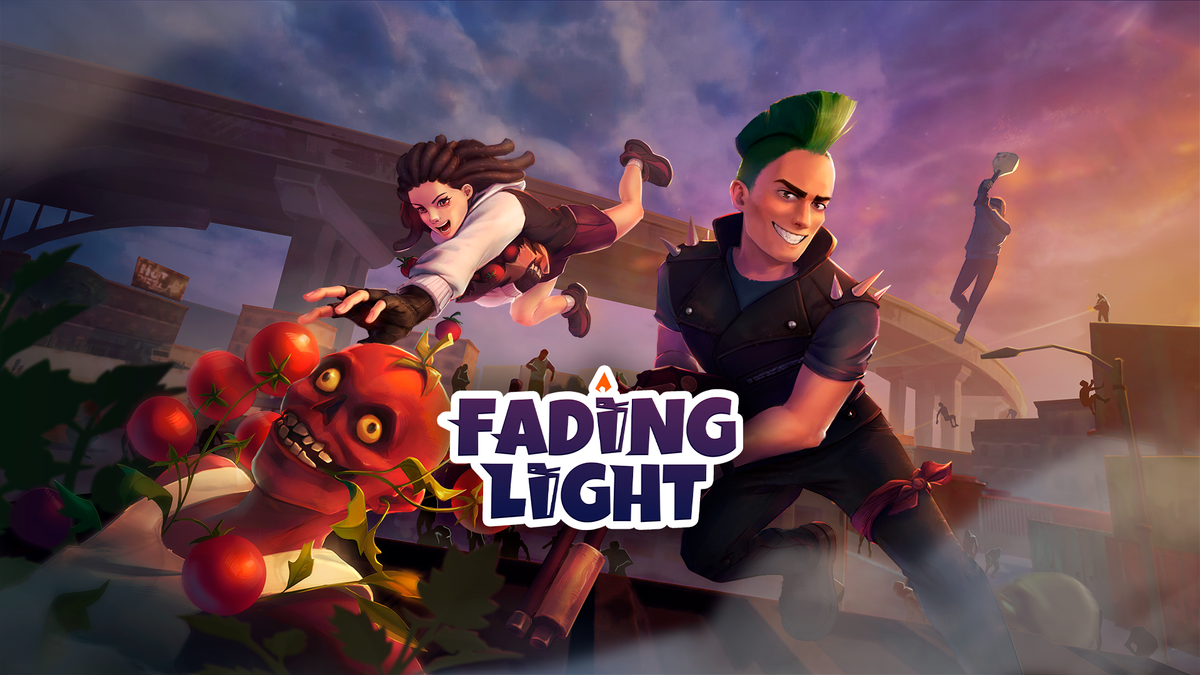
While extensive traditional press interviews are still rolling out as the November 12 release approaches, the newly released trailer speaks volumes about the studio’s design intent. The footage highlights verticality as a primary survival tactic. In traditional zombie shooters, players are often bottlenecked in corridors or forced into static defensive positions. Fading Light recontextualizes the battlefield by treating the entire urban environment as a playground. Rooftops, construction scaffolding, and elevated ledges are not just aesthetic backdrops; they are vital tactical advantages that allow players to escape overwhelming ground-level hordes, scout for resources, and safely construct fortified outposts.
Furthermore, the inclusion of Time-Run challenges hints at Joy Way’s commitment to community engagement and replayability. By transforming the game’s traversal mechanics into a competitive sport, the developers are ensuring that players who master the physical parkour systems have goals to pursue long after completing the core cooperative campaign.
Implications
The launch of Fading Light on November 12 carries several important implications for the Meta Quest ecosystem, the cooperative VR genre, and developer Joy Way itself.
Expanding the Depth of Standalone VR Content
As standalone headsets like the Meta Quest series continue to dominate the market share of virtual reality hardware, there is an ongoing demand for games that offer depth, longevity, and replayability comparable to flat-screen counterparts. While short, narrative-driven experiences have their place, titles that support cooperative multiplayer, open-world exploration, base-building, and progression systems—like Fading Light—are crucial for retaining long-term user engagement on the platform.
Elevating the Standard for VR Movement
Joy Way has consistently championed active, physical movement in virtual reality. By fusing their acclaimed parkour mechanics with the survival-shooter genre, Fading Light challenges the industry to move away from rigid, slow-paced locomotion in horror games. If the physical parkour is executed smoothly without inducing widespread motion sickness, it could establish a new benchmark for how players interact with open-world environments in standalone VR.
A Defining Moment for Joy Way
For Joy Way, Fading Light represents a synthesis of their previous creative endeavors. Having tested and refined their movement engines in Stride and Stride: Fates, and experimented with diverse action mechanics in Catana: Red Flowers, this new title is effectively the culmination of the studio’s technical learnings. A successful launch on November 12 could solidify Joy Way’s reputation as a premier developer of high-octane VR action games, proving that complex, multi-system multiplayer experiences can thrive on standalone hardware.
As the release date rapidly approaches, survival horror fans and VR enthusiasts alike will be keeping a close eye on further announcements, pricing details, and community impressions. For now, players looking to brave the undead hordes can head over to the Meta Horizon Store to wishlist Fading Light and prepare for a harrowing, fast-paced descent into the fading light of a fallen city.

