In the landscape of modern horror television, few actor-director partnerships have proven as fruitful or transformative as that of filmmaker Mike Flanagan and actor Samantha Sloyan. Having previously left indelible impressions across Flanagan’s acclaimed cinematic and streaming universe—most notably as the pious, deeply loathsome Bev Keane in Midnight Mass, a witchy herbalist in The Midnight Club, and the calming presence of Leigh Crain in The Haunting of Hill House—Sloyan has reunited with the auteur for his most daring project to date: a modern television adaptation of Stephen King’s seminal 1976 horror masterpiece, Carrie.
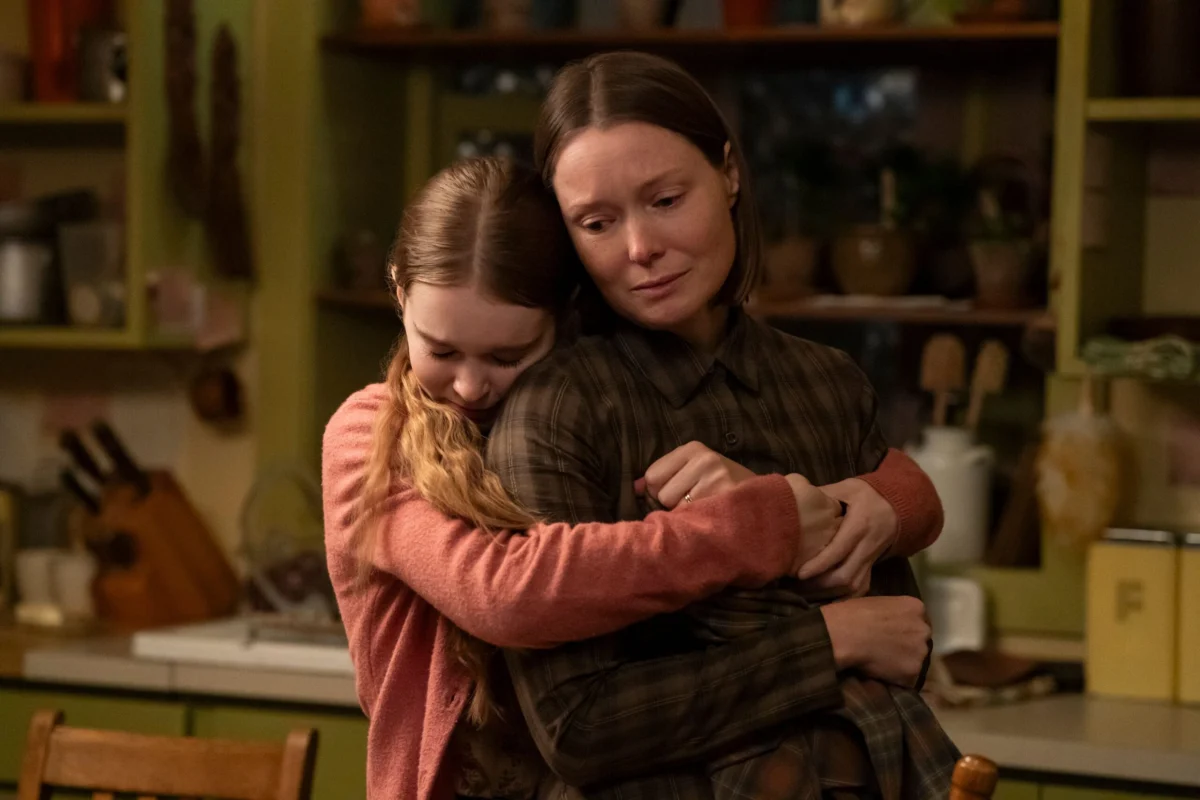
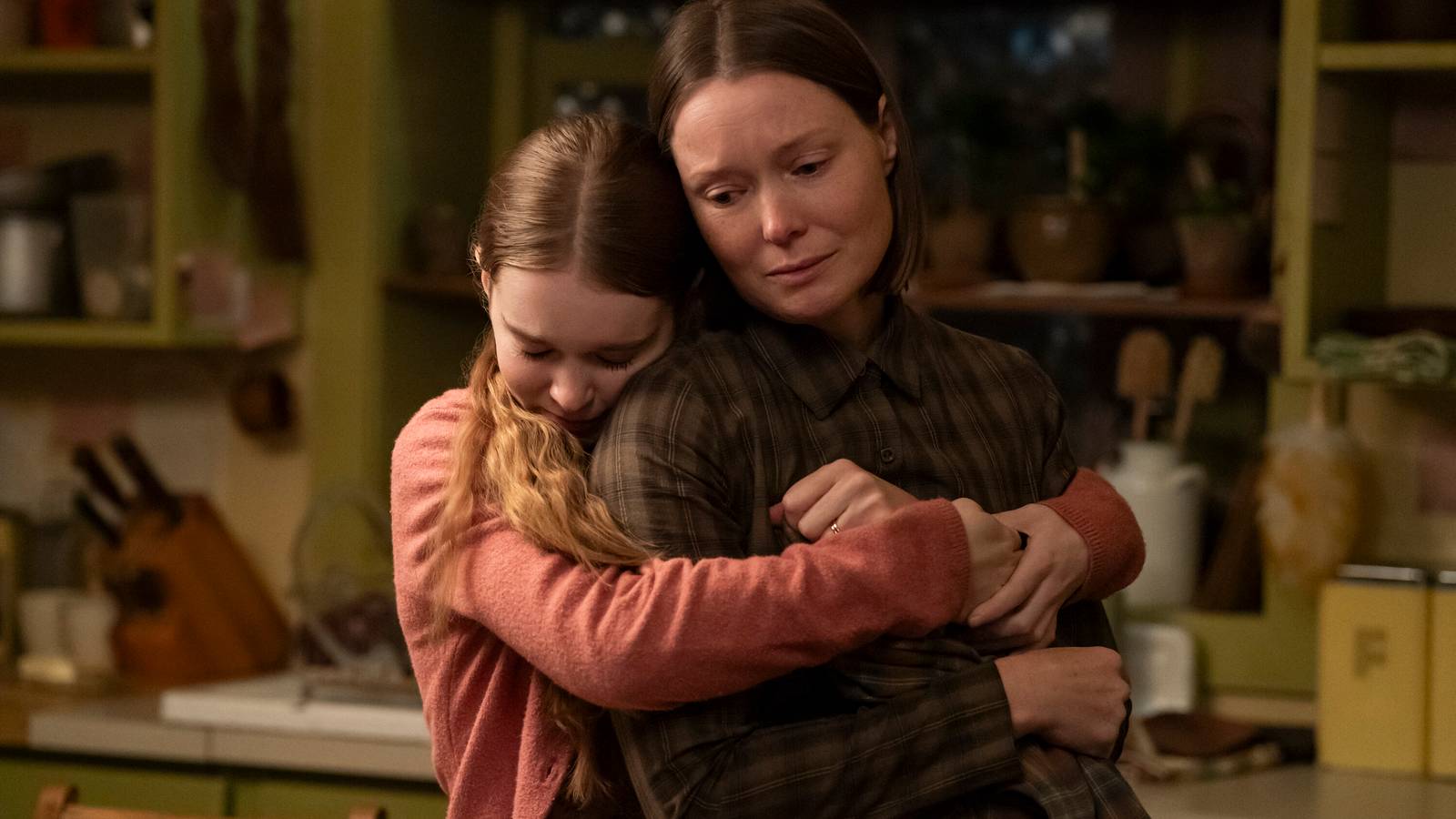
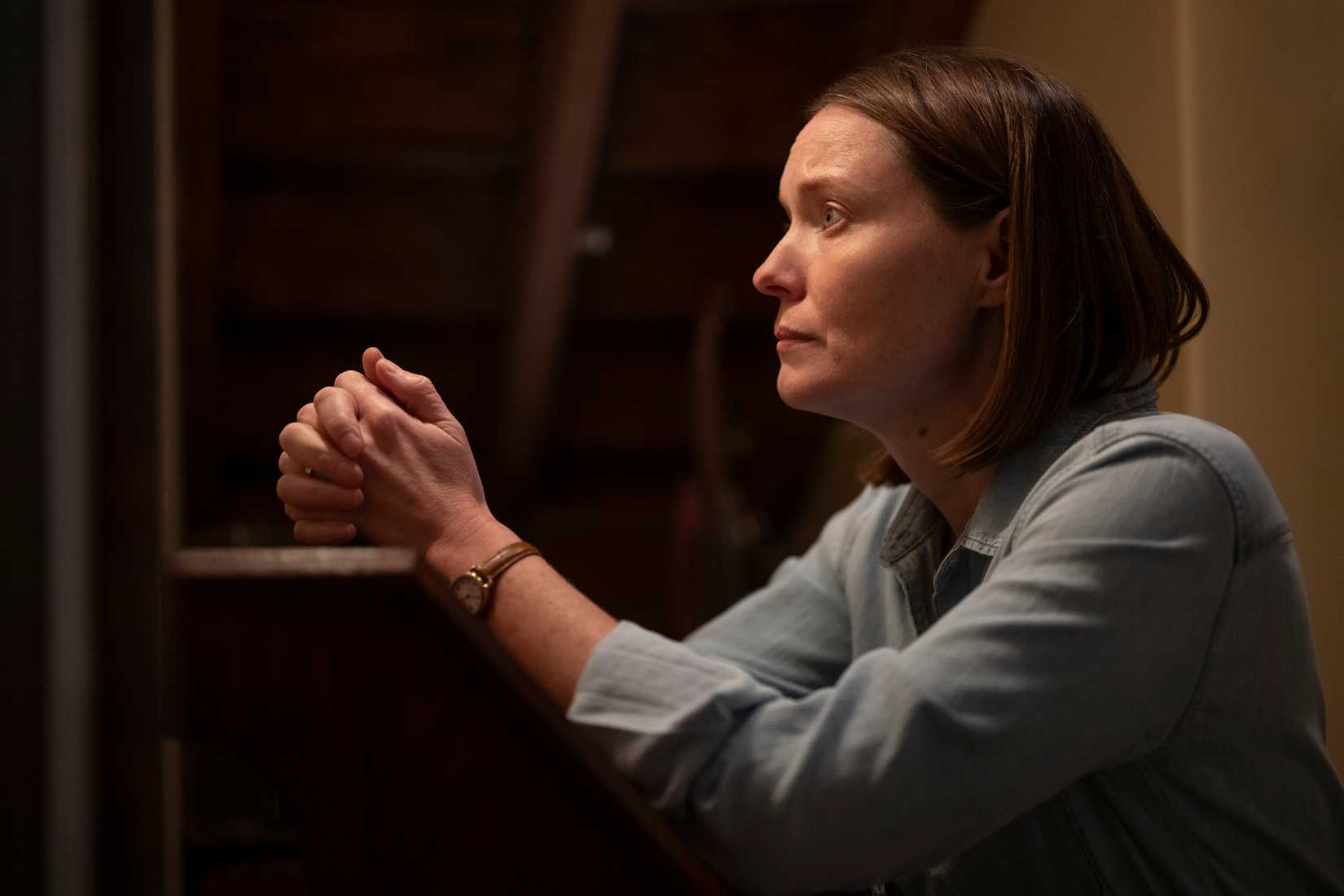
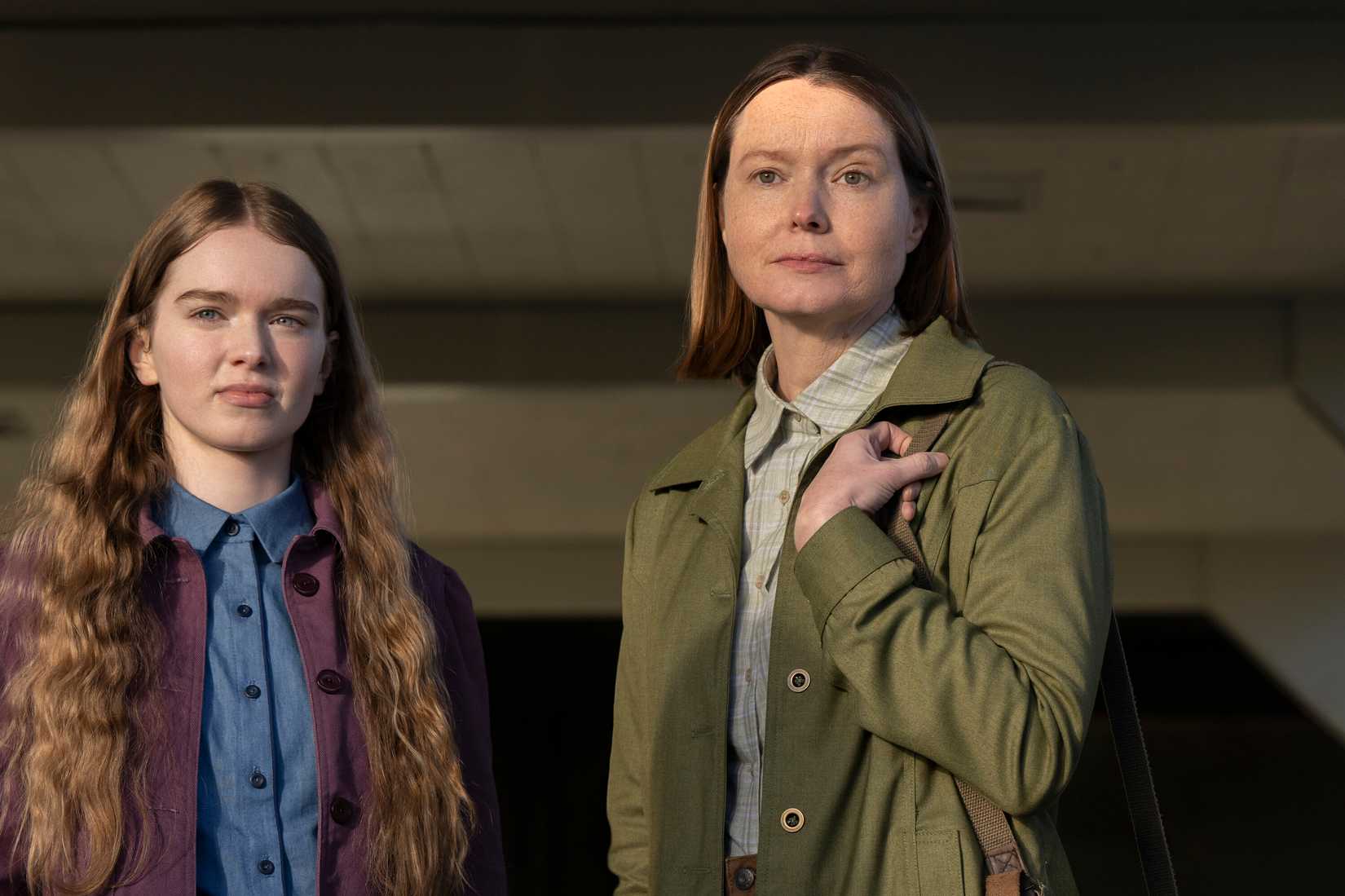
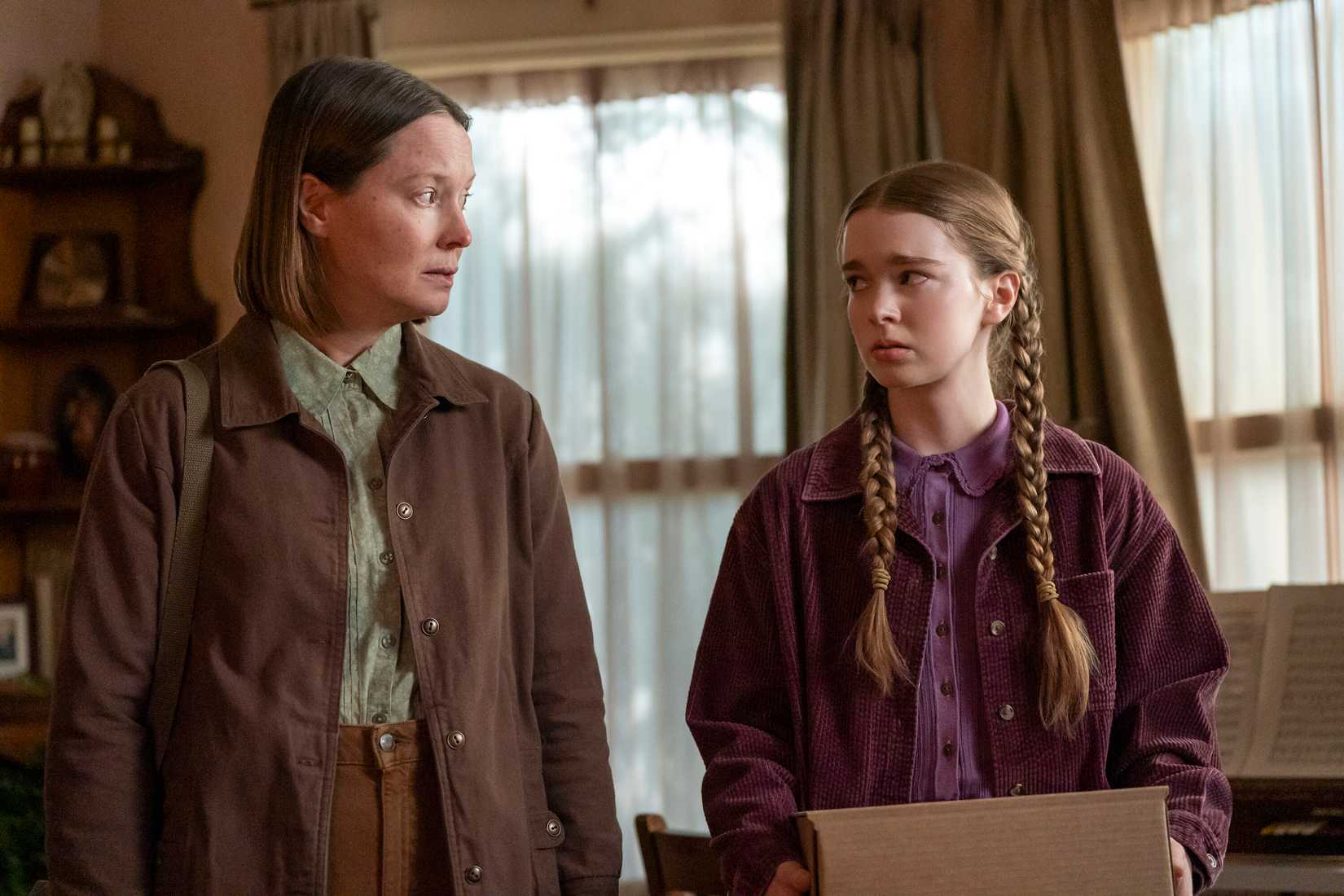
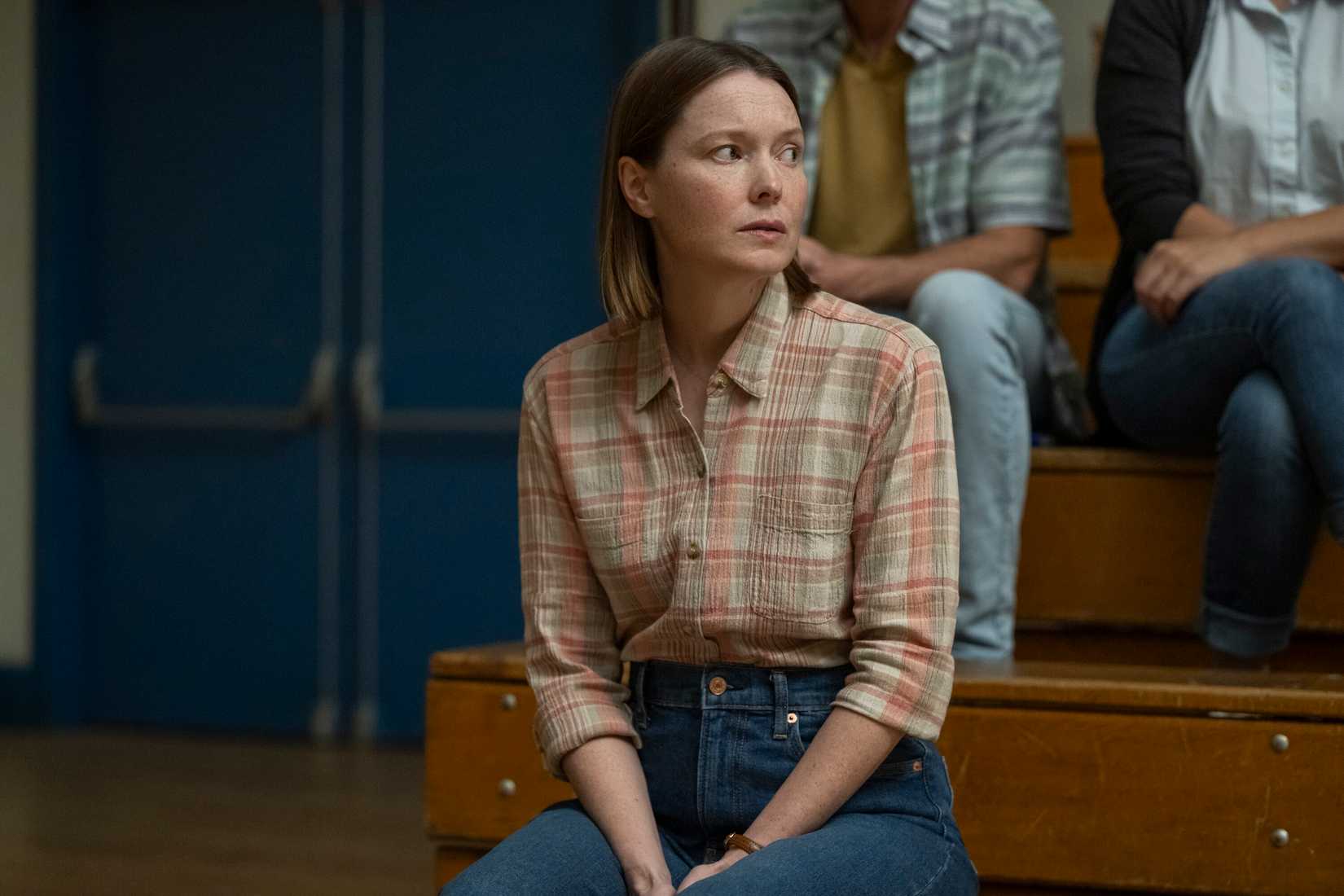
In this contemporary retelling, Sloyan takes on the iconic role of Margaret White, Carrie’s intensely religious and oppressive mother. However, rather than simply replicating the cinematic history established by Piper Laurie in Brian De Palma’s 1976 feature film or adhering strictly to King’s original novella, Flanagan and Sloyan have fundamentally reconstructed the character from the studs up. This version of Margaret White is far more complex, layered, and fundamentally motivated by a warped, all-consuming maternal love rather than purely malicious fanaticism.
Flanagan’s adaptation also brings the narrative firmly into the 21st century by overhauling how the story’s central bullying transpires. The infamous tormentor Chris Hargensen utilizes an anonymous Instagram account dubbed "Carrie Red" to spread vicious rumors. In a fascinating narrative departure, Margaret White utilizes social media herself, spearheading an anti-bullying movement that spirals wildly out of her control.
Chronology of the Production and Development
The journey toward this radical reimagining began as Flanagan conceptualized an episodic adaptation of Carrie that would avoid the fatigue of a straight, beat-for-beat remake.
Pre-Production & Conception: Flanagan determined that stretching a brief novella over an eight-episode television arc required tearing the narrative down to its core components. Central to this structural overhaul was a reimagining of the mother-daughter dynamic.
Casting & Characterization: Recognizing Sloyan’s immense range and her previous villainous triumphs, Flanagan cast her as Margaret White. Discussions between Flanagan and Sloyan centered on building a foundational baseline of actual love between Margaret and Carrie—distinguishing this adaptation from previous versions where the home life is relentlessly monstrous.
Principal Photography & Modernization: Production integrated contemporary digital terror into the plot, staging sequences where Margaret navigates viral internet culture, fights back against anonymous online trolls, and ultimately falls victim to the intoxicating power of online public validation.
Press Rollout and Critical Anticipation: Following production wrap, interviews with outlets like Polygon brought the underlying philosophy of the series to light, framing Sloyan’s performance as the emotional and thematic anchor of the entire show.
Supporting Data and Context
To understand the weight of Sloyan’s new role, one must look at her trajectory within the "Flanaganverse" and the history of the Carrie intellectual property:
The Cinematic Predecessors: Piper Laurie’s portrayal of Margaret White earned an Academy Award nomination, cementing the character in popular culture as the archetypal religious zealot driven by severe psychological and physical abuse. King’s 1976 novel similarly depicted Margaret as an isolated fundamentalist.
The Modern Shift: In Flanagan’s version, statistics and social media dynamics mirror current digital harassment paradigms. The inclusion of the "Carrie Red" Instagram plot device demonstrates a deliberate effort to translate 1970s high school isolation into the hyper-connected, yet profoundly lonely, landscape of modern youth.
Sloyan’s Track Record:
The Haunting of Hill House (2018): Played Leigh Crain with a comforting, steady demeanor.
Midnight Mass (2021): Delivered a tour-de-force performance as Bev Keane, a fundamentalist antagonist who weaponized scripture for personal status.
The Midnight Club (2022): Portrayed a mysterious herbalist guarding dark secrets.
Carrie (Upcoming): Takes on Margaret White, merging the empathetic depth of her early roles with the terrifying zealotry of her later antagonist turns.
Official Responses and Quotations
The collaborative synergy between Flanagan and Sloyan is central to how these complex characters come to life on screen. Both creators spoke extensively about the psychological approach required to humanize figures traditionally written off as pure monsters.
Mike Flanagan did not mince words when assessing his recurring collaborator’s talent, calling her bluntly:
"She’s honestly one of the best actors I’ve ever met."
Delving into Sloyan’s counterintuitive superpower—her profound, egoless empathy—Flanagan elaborated:
"It’s so counterintuitive because Sam is maybe the least villainous person I’ve ever met… Sam approaches the world with a profound empathy and she approaches these villainous characters with the same empathy. She’s very fast to say, ‘Oh yes, I know that they’re an antagonist. I know that they’re a villain, but not in their mind. In their minds, they’re the hero, they’re the victim.’ She leans so fully into that perspective and is so determined to truly see the world through their eyes."
Reflecting on her process, Samantha Sloyan explained that she never views her characters through the simplistic lens of traditional villainy, as doing so would compromise the authenticity of their choices:
"When I play characters, I don’t really come at it from a point of view of them being a villain because it really colors how you connect to the choices… If I love my daughter, I’m willing to do absolutely anything to protect her, then what happens next? Margaret isn’t interested in becoming modern in any way… Her goal is to put Carrie back in that house. At the core, I think that she’s wrong."
Addressing how this performance contrasts with her defining role as Bev Keane in Midnight Mass, Flanagan noted:
"What she accomplishes in Carrie is in so many ways the opposite of that. It was such an extraordinary opportunity to take a character who has always been this fanatical abuser, who hates and fears her daughter so much, and to have that character be driven by a love for Carrie that she doesn’t know how to express, she doesn’t know how to keep her safe, and that love hurts her daughter. Sam commits to that so fully."
Implications for the Horror Genre and Adaptations
The reimagining of Carrie under Mike Flanagan, anchored by Samantha Sloyan’s nuanced portrayal of Margaret White, carries significant implications for how classic horror properties are adapted for contemporary audiences.
For decades, horror remakes have often fallen into the trap of increasing gore and shock value without deepening psychological motivations. By framing Margaret White not as a one-dimensional religious monster, but as a deeply flawed mother whose protective instincts are warped by fear and amplified by the toxic echo chambers of modern social media, the series shifts the horror from the supernatural to the profoundly domestic and societal.
Furthermore, Sloyan’s ongoing artistic collaboration with Flanagan highlights the power of the recurring repertory ensemble. Much like classic cinematic partnerships (such as Ingmar Bergman and his core group of actors, or Tim Burton and Johnny Depp), the Flanagan-Sloyan dynamic proves that deep creative trust allows performers to explore the darkest corners of human behavior while retaining a beating, empathetic heart. As audiences prepare to witness this fresh take on Stephen King’s classic tale, the discourse has already shifted away from mere anticipation of the prom scene’s inevitable tragedy, moving instead toward a psychological autopsy of the mother-daughter bond that started it all.