

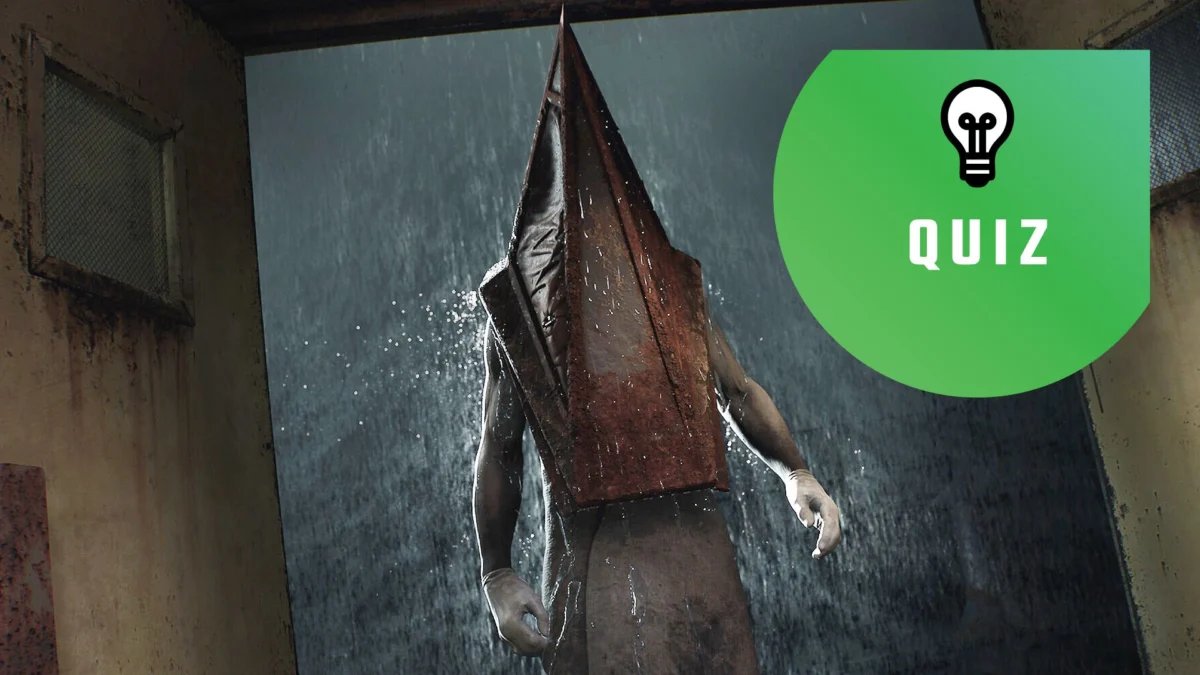
Main Facts: A Celebration of Digital Terror and Trivia
For horror enthusiasts, the digital realm offers a uniquely immersive playground of dread, suspense, and psychological terror. From the claustrophobic corridors of deep-space mining vessels to fog-shrouded ghost towns and Victorian gothic nightmares, video games have consistently redefined the boundaries of fear. Now, a brand-new, fiendishly difficult challenge has emerged for horror aficionados: a comprehensive trivia quiz that tests whether players can identify legendary horror games solely from a screenshot of their most iconic, horrifying inhabitants.
Released by PC Gamer, this 12-minute timed challenge dives deep into the unsettling taxonomy of gaming monstrosities. Whether it involves recognizing an unnaturally skittering creature with too many limbs, an abomination boasting an excess of eyeballs, or a classic entity that still haunts the collective gaming consciousness, the quiz is designed to separate casual players from hardcore horror historians.
This interactive experience taps into a broader cultural fascination with horror in gaming—a genre that has evolved from pixelated jumpscares into sophisticated narratives exploring trauma, survival, and the unknown. As players race against a 12-minute clock to name as many titles as possible, the quiz also serves as a nostalgic trip down a dark, winding memory lane, celebrating decades of creature design, technical achievement, and pure, unfiltered nightmares.
Chronology: The Evolution of Horror Icons in Gaming
To understand the magnitude of identifying horror games by their monsters, one must first look back at how these terrifying entities evolved alongside gaming technology.
The Pixelated Pioneers (1980s–Early 1990s)
In the nascent days of gaming, hardware limitations meant that horror relied heavily on imagination, minimalist audio cues, and simple sprites. Titles like Haunted House (1982) on the Atari 2600 and Capcom’s Sweet Home (1989) laid the groundwork. However, monsters were largely abstract shapes. The terror came from the tension of limited resources and the looming threat of the unknown rather than photorealistic gore.
The 3D Paradigm Shift and Cinematic Dread (Mid-to-Late 1990s)
The transition to 3D graphics revolutionized the horror genre, giving birth to industry titans. In 1996, Capcom released Resident Evil, introducing fixed camera angles and pre-rendered backgrounds that maximized suspense. Though some players still harbor lingering trauma from unexpected encounters—such as the infamous T-Rex in Tomb Raider (technically an action-adventure game, but a masterclass in sudden prehistoric panic)—survival horror found its footing.
Shortly after, Konami’s Silent Hill (1999) shifted the paradigm from B-movie creature features to psychological horror, introducing rusted, industrial nightmares and deeply symbolic monsters born from human guilt and trauma.
The Golden Age of Survival Horror and Action Fusion (2000s)
As processing power grew, creature design became hyper-detailed. Visceral sci-fi terror peaked with Dead Space (2008), where players mutilated reanimated corpses known as Necromorphs in zero-gravity environments. Meanwhile, the Amnesia and Penumbra series popularized first-person survival horror where fighting back was impossible, forcing players to hide, run, and manage sanity meters.
The Modern Renaissance of Indie and AAA Nightmares (2010s–Present)
Today, horror gaming is in a golden age. Indie developers have injected fresh ideas into the market with titles like Outlast, Phasmophobia, and Signalis, while AAA studios continue to push graphical fidelity to horrifying new heights with remakes of classics like Dead Space and Resident Evil 4. Modern creature design leverages advanced motion capture, spatial audio, and ray tracing to ensure that every gurgle, skitter, and heartbeat feels overwhelmingly real.
Supporting Data: Why We Love to Be Terrified
Psychologically speaking, the enduring appeal of horror games—and the trivia tests that celebrate them—is a fascinating paradox. Why do millions of players voluntarily subject themselves to high anxiety, elevated heart rates, and existential dread?
Recent psychological studies and industry metrics provide insight into this phenomenon:
- The "Safe Fear" Framework: Psychologists note that horror games provide a controlled environment to experience high-arousal emotions. Players know they are physically safe in their rooms, allowing them to process adrenaline and fear without real-world danger.
- Agency vs. Passivity: Unlike watching a horror film, where the protagonist often makes baffling decisions, video games put survival directly in the player’s hands. Overcoming a seemingly impossible boss or surviving a relentless stalker provides a potent dopamine rush of accomplishment.
- Community Engagement: Quizzes and trivia challenges thrive because horror fans possess an encyclopedic knowledge of lore, enemy names, and Easter eggs. Discussions surrounding these games foster vibrant online communities where players share strategy tips, lore breakdowns, and personal stories of terror.
- Enduring Popularity: Data from digital storefronts like Steam and PlayStation Network indicate that horror and survival titles consistently rank among the most wishlisted and streamed categories, proving that digital frights have universal appeal.
Official Responses and Community Reactions
The release of the new monster-identification quiz has already sparked widespread discussion across gaming forums, social media platforms, and comment sections.
PC Gamer’s resident horror enthusiast reflected on the appeal of the genre, noting: "You’d think someone who still screams at the sight of the Tomb Raider T-Rex wouldn’t be so into horror games, but I can’t help myself; I love ’em. I’m always down for a good inhuman gurgle or unnatural skitter across the floor. Creature with too many eyeballs? Sign me up. Inordinate number of hands? I’m on my way."
This sentiment has resonated deeply with the gaming community. Within hours of the quiz going live, players flooded the comment sections to share their scores, debate the hardest identifications, and reminisce about their favorite nightmare encounters.
"I thought I knew every horror monster under the sun, but that 12-timer clock adds a whole new level of panic," wrote one community member. Another joked: "Getting chased by digital monsters is stressful enough, but being timed while trying to spell obscure Latin names for multi-limbed abominations is the true horror experience."
Developers and industry commentators have also weighed in on social media, praising how modern trivia formats celebrate the intricate artistry that goes into creature design—from concept art and sound engineering to rigging and artificial intelligence programming.
Implications: What This Means for the Future of Gaming Culture
As interactive entertainment continues to mature, challenges like the PC Gamer horror monster quiz highlight several important implications for the future of gaming culture:
1. Preservation of Gaming History
As the medium ages, ensuring that classic titles remain relevant to modern audiences is a growing challenge. Trivia quizzes, retrospective deep-dives, and community challenges act as cultural touchstones, bridging the gap between retro classics and modern masterpieces. By recognizing monsters from both 1990s survival horror staples and cutting-edge indie hits, players are encouraged to explore the rich history of the genre.
2. The Recognition of Technical and Artistic Craftsmanship
Monster design in video games is a multidisciplinary art form combining psychology, sculpture, sound design, and animation. Quizzes that force players to look closely at these entities help elevate creature design from mere set-dressing to celebrated artistic achievement.
3. The Power of Interactive Content
Static articles are no longer enough to capture audience attention in the modern media landscape. Interactive elements—such as timed quizzes, personality tests, and lore challenges—demonstrate how publications can foster deeper engagement, turning passive readers into active participants who share their results and compete with friends.
Conclusion
Whether you are a seasoned veteran who conquered every generation of survival horror or a newcomer whose nervous system resembles "a small woodland creature," testing your knowledge against the ultimate horror monster quiz is a rite of passage. With 12 minutes on the clock and a gallery of ghouls, ghosts, and unspeakable horrors waiting to be named, the only question left is: Do you have the courage to face your fears?
Head over to PC Gamer to take the quiz, and don’t forget to share your scores—and your favorite nightmare encounters—in the comments below!

