

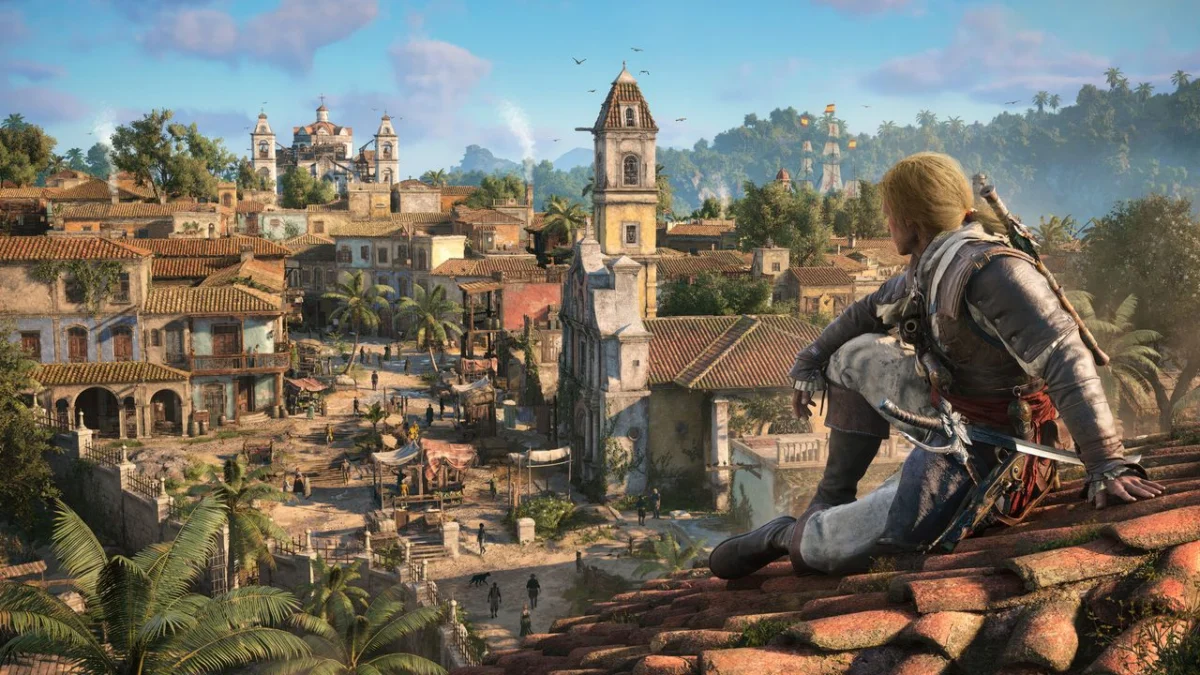
The golden age of piracy is set to return to the digital stage, but not in the way many fans might have expected. When Ubisoft first teased a return to the Caribbean waters of the 18th century, the assumption was a polished "remaster"—a fresh coat of paint on a beloved classic. However, as development for Assassin’s Creed Black Flag Resynced progresses toward its 2026 release window, a more complex reality has emerged.
Ubisoft developers have revealed that the upcoming title is not merely an update, but a total reconstruction. Due to the rapid obsolescence of decade-old software architecture, the team has been forced to rebuild one of the franchise’s most iconic entries almost entirely from scratch.
Main Facts: A "Brand New Game" in Familiar Clothing
At the heart of the development of Assassin’s Creed Black Flag Resynced lies a stark technical truth: the source code of the original 2013 masterpiece is largely unusable for modern hardware. While the narrative, characters, and world map remain faithful to the original vision, the underlying "engine room" of the game is being replaced.
Game Director Richard Knight has been vocal about the scale of this undertaking. In a recent technical deep dive, Knight clarified that the project has transcended the boundaries of a traditional remake. "Quite frankly, it’s a brand new game," Knight stated, emphasizing that the leap from the technology of 2013 to the requirements of 2026 was too vast to bridge with simple patches or upscaled textures.
The primary drivers for this ground-up rebuild include:
- Codebase Incompatibility: The original Black Flag was designed for the seventh generation of consoles (PlayStation 3 and Xbox 360). Its logic, physics, and memory management are incompatible with the high-speed SSDs and multi-core processing of the current era.
- Engine Evolution: Ubisoft’s proprietary Anvil engine has undergone radical transformations over the last decade. Integrating 2013 assets into the modern Anvil pipeline would create more bugs than it would solve.
- Gameplay Modernization: To meet contemporary player expectations, systems such as naval combat, parkour fluidity, and AI behavior required a total overhaul rather than a slight adjustment.
Chronology: From the Caribbean to the Modern Era
To understand why a rebuild was necessary, one must look at the timeline of the Assassin’s Creed franchise and the hardware shifts that defined it.
2013: The Cross-Gen Pioneer
When Assassin’s Creed IV: Black Flag launched in late 2013, it served as a bridge between console generations. It was a technical marvel at the time, managing seamless transitions between land-based exploration and massive naval battles. However, its code was tethered to the constraints of the DirectX 11 era and the limited RAM of the PS3 and Xbox 360.
2014–2023: The Engine Divergence
Following Black Flag, Ubisoft shifted its focus toward more dense urban environments with Unity and Syndicate, and later toward the "RPG trilogy" (Origins, Odyssey, Valhalla). During this decade, the codebase for Assassin’s Creed was rewritten several times. The legacy code that handled Edward Kenway’s ship, the Jackdaw, became a relic—a specialized set of instructions that no longer existed in the modern version of the Anvil engine.
2024–Present: The Resynced Initiative
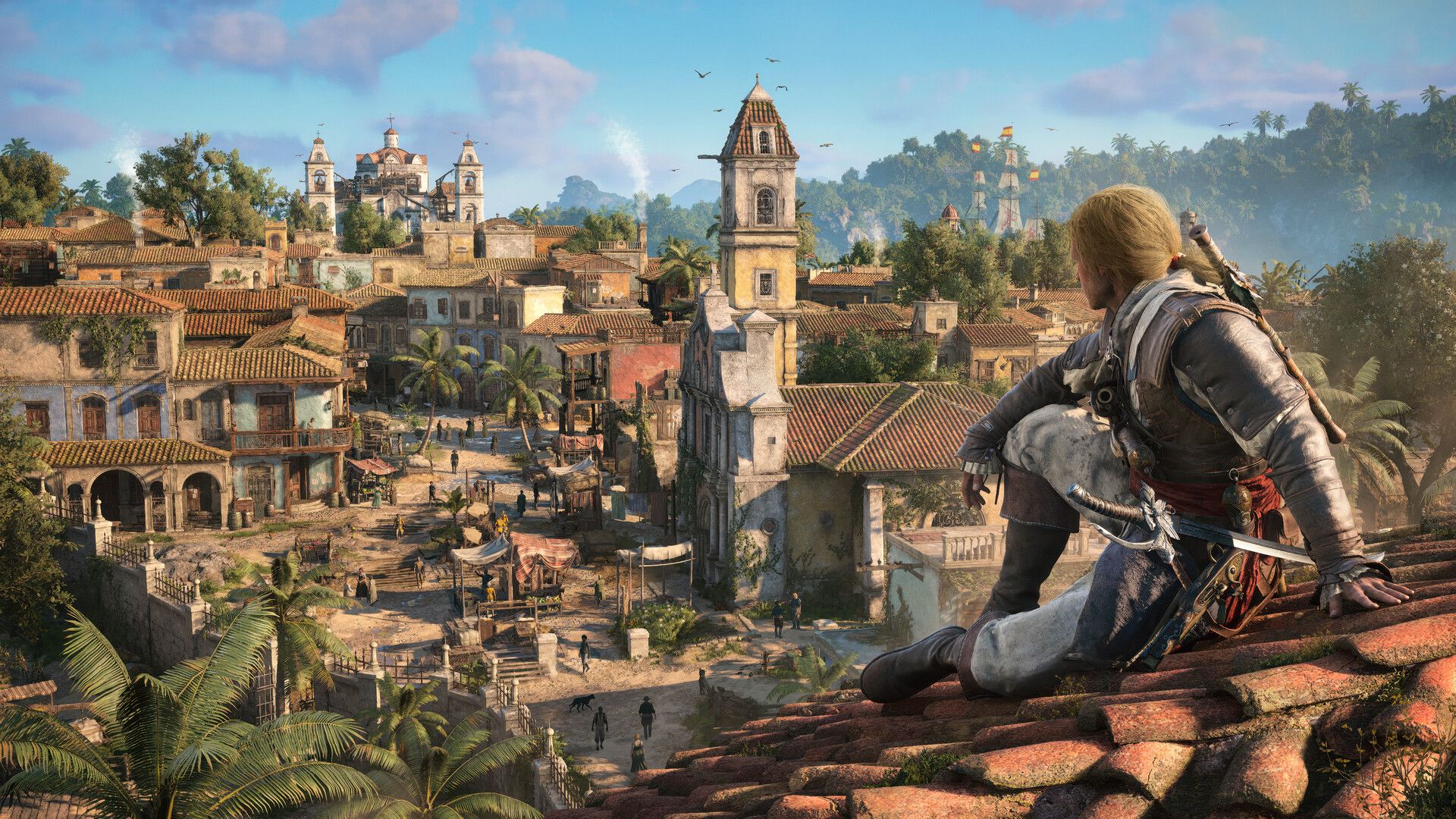
As nostalgia for the "Golden Age" of the series peaked, Ubisoft greenlit Black Flag Resynced. Early internal tests reportedly proved that trying to "port" the original code into a modern environment resulted in catastrophic physics failures and lighting glitches. By mid-development, the decision was made to use the original game as a "blueprint" rather than a foundation, leading to the current 2026 target release.
Supporting Data: The Technical Debt of a Decade
The decision to rebuild is backed by significant technical data regarding "software rot" and hardware evolution.
In the gaming industry, the "half-life" of a codebase is remarkably short. Black Flag (2013) operated on a version of the AnvilNext engine that lacked support for modern features like Ray Tracing, PBR (Physically Based Rendering), and advanced haptic feedback.
Comparative Technical Metrics:
- Asset Density: Modern titles require roughly 10 to 20 times the polygon count for character models compared to 2013.
- Loading Architecture: The original game relied on "hidden" loading screens (such as slow-walking through narrow gaps). Modern SSDs allow for instantaneous travel, which requires a complete rewrite of the world-streaming logic.
- AI Complexity: The 2013 AI routines were scripted for single-core execution. To populate a 2026 Caribbean with believable wildlife and reactive NPC crowds, the developers had to implement a new multi-threaded AI system.
Richard Knight pointed out that while they occasionally pull an asset from the 2013 archives to serve as a "placeholder" or a modeling reference, these are almost always replaced by high-fidelity versions before the final build.
Official Responses: Insights from the Director’s Chair
Richard Knight’s interview with JorRaptor provided the most candid look yet at the internal struggles and triumphs of the Resynced team. Knight dismissed the idea that the team was taking the "easy route" by remaking an existing hit.
"We can’t use the code from the original," Knight explained. "I mean, it’s nice to think about, but what was it built on? Windows 2000? Not that bad, but the codebase and the tech is so completely different that we use the original as reference."
Knight further elaborated on the "archeological" nature of the work: "Mostly we just look into the code to see how things work, to look into the data, to see how certain things worked, to learn some of the secrets. But we effectively have to rebuild."
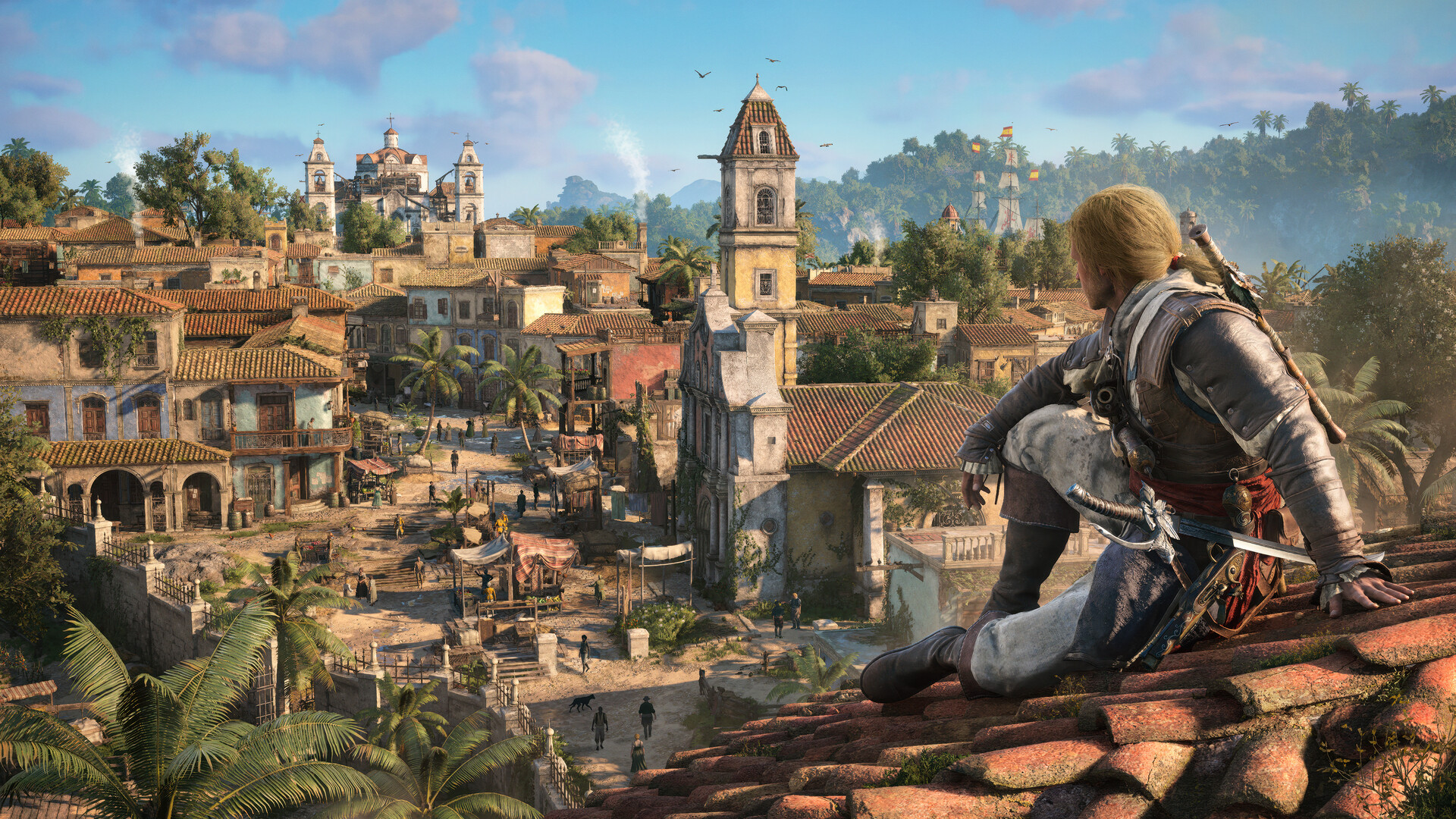
This "rebuilding" philosophy has allowed the team to implement features that were technically impossible in 2013. This includes:
- Enhanced Naval Combat: A more granular damage model for ships.
- Expanded Narrative: New story beats that better connect Edward Kenway’s journey to the broader Assassin’s Creed lore.
- Improved Combat Mechanics: Moving away from the "counter-kill" heavy gameplay of the original toward a more dynamic, challenging system.
Regarding the potential for DLC, such as the fan-favorite Freedom Cry expansion featuring Adéwalé, Knight remained cautious but optimistic. He confirmed that the team "has ideas" and that Freedom Cry is "definitely a game we remember," though he stopped short of confirming its inclusion at launch.
Implications: The Future of the Remake Industry
The development of Black Flag Resynced signals a significant shift in how major publishers approach their back catalogs.
1. The Death of the "Simple Remaster"
For AAA titles, the "Remaster" (higher resolution and frame rate) is becoming less viable for games older than ten years. As hardware moves toward 4K/60fps as a baseline, the flaws in old geometry and low-resolution textures become too glaring. Resynced sets a precedent that for a classic to truly survive, it must be reimagined for the modern ecosystem.
2. Preservation through Reconstruction
Ironically, by "discarding" the original code, Ubisoft is preserving the experience of Black Flag. By rebuilding the game, they ensure it remains playable on future hardware for another decade, rather than being a buggy port that requires "compatibility modes" to function.
3. A Strategic Pillar for Ubisoft
For Ubisoft, Black Flag Resynced is more than a nostalgia trip. It serves as a litmus test for their "Infinity" platform strategy. If a ground-up rebuild of a classic can achieve critical and commercial success, it opens the door for similar treatments of Assassin’s Creed II or the original 2007 title.
4. Consumer Expectations
Players are increasingly demanding "Resident Evil 4 Remake" levels of quality—where the game feels exactly how you remember it, rather than how it actually was. By committing to a total rebuild, Ubisoft is positioning Black Flag Resynced to meet these high-water marks of the industry.
Conclusion
As the Jackdaw prepares to set sail once more in 2026, it carries with it the weight of a massive technological transition. Assassin’s Creed Black Flag Resynced is a testament to the fact that in the world of game development, you cannot move forward without sometimes tearing everything down. By abandoning the unusable code of the past, Richard Knight and his team are attempting to craft a version of the Caribbean that is as limitless as the horizon Edward Kenway once chased. For fans, the wait until 2026 may be long, but if the promise of a "brand new game" holds true, the voyage will be well worth the delay.

