

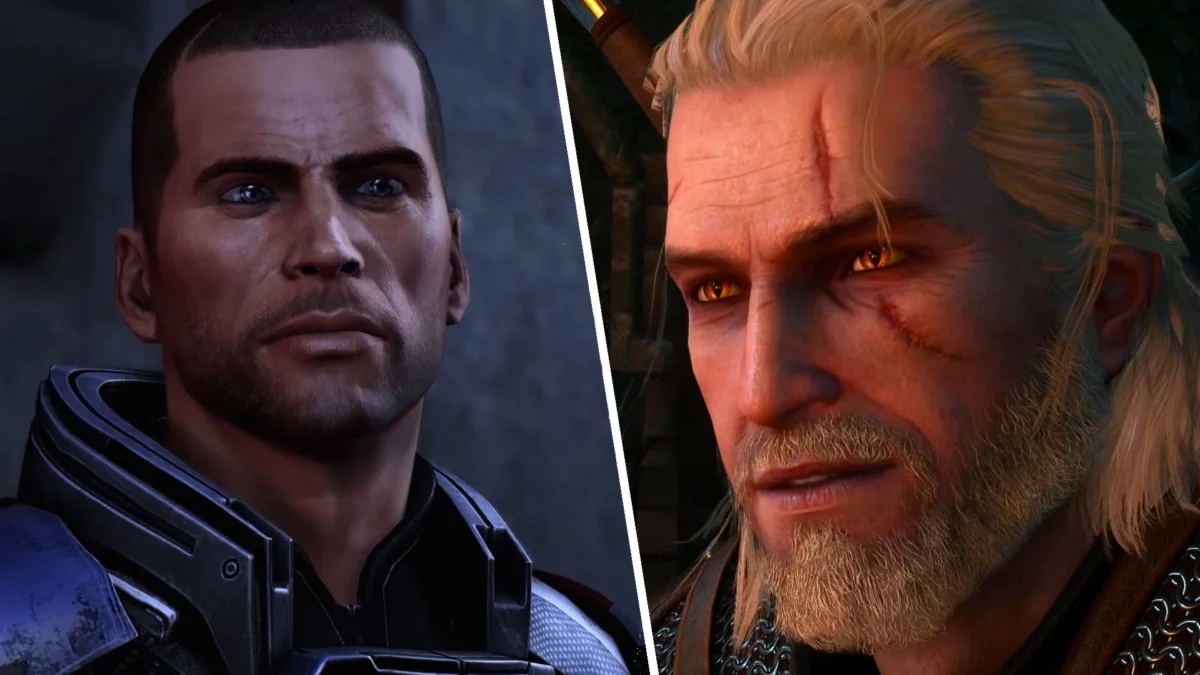
The video game industry awoke to a devastating reality following the shocking announcement that Electronic Arts has officially shut down BioWare, one of the most celebrated and historically significant role-playing game (RPG) developers in the history of the medium. The closure marks the end of an era for a studio that not only defined the computer RPG (cRPG) genre across multiple decades but also played a foundational role in the rise of modern industry giants like The Witcher developer CD Projekt Red.
As tributes pour in from across the globe, industry leaders, former developers, and heartbroken fans are reflecting on the indelible legacy left by the Edmonton-based studio—a legacy built on sweeping narratives, unforgettable companions, and technological breakthroughs that reshaped interactive storytelling.
Main Facts: The Closure of a Legend
The sudden shuttering of BioWare by its parent company, Electronic Arts, brings a definitive and abrupt end to a 30-year legacy of game development. Responsible for some of the most influential and critically acclaimed intellectual properties in gaming history—including Baldur’s Gate, Star Wars: Knights of the Old Republic, Mass Effect, and Dragon Age—BioWare was widely regarded as the gold standard for narrative-driven RPGs.
While the exact number of affected employees and the immediate fate of ongoing projects remain a fluid developing story, the industry-wide consensus is one of profound loss. BioWare was not merely a developer; it was an incubator for industry talent, a pioneer of branching dialogue trees, and a studio that proved video games could deliver cinematic, emotionally resonant experiences on par with Hollywood blockbusters or epic literature.
The closure has sent shockwaves through the gaming community, prompting an outpouring of grief and remembrance from peers who grew up playing BioWare titles or, in rare cases, worked directly alongside them to shape the modern gaming landscape.
A Chronological History: From Edmonton Pioneers to Industry Giants
To understand the magnitude of BioWare’s closure, one must look back at its trajectory, which mirrors the evolution of the modern video game industry itself.
The 1990s: Resurrecting the cRPG
Founded in 1995 by medical doctors Ray Muzyka and Greg Zeschuk alongside Augustine Yip, BioWare initially cut its teeth with the mech-simulation game Shattered Steel (1996). However, the studio’s true destiny was unlocked when it partnered with publisher Interplay Entertainment and the tabletop giant Wizards of the Coast to develop Baldur’s Gate (1998).
Utilizing the revolutionary Infinity Engine, Baldur’s Gate is widely credited with single-handedly resurrecting the dormant computer RPG market. It established BioWare’s signature design philosophy: deep tactical combat, party-based exploration, and intricate, reactive storytelling driven by player choice.
The Early 2000s: Licensed Masterpieces and Technological Leaps
Throughout the early 2000s, BioWare solidified its reputation through a string of masterworks. Neverwinter Nights (2002) empowered the community with robust toolsets for custom module creation, while Star Wars: Knights of the Old Republic (2003)—developed for LucasArts—demonstrated that licensed properties could be elevated into high art through sophisticated character writing and moral choice mechanics.
During this same period, BioWare developed its proprietary Aurora Engine, a technological leap that transitioned the studio and the wider RPG genre fully into the realm of 3D graphics. This engine would not only power BioWare’s own Jade Empire (2005) but would also accidentally plant the seeds for a massive international partnership.
The Golden Age: Mass Effect and Dragon Age
In 2007, BioWare released Mass Effect, introducing players to Commander Shepard and launching a landmark sci-fi opera franchise that spanned generations. That same year, the studio was acquired by Electronic Arts. Despite the corporate acquisition, BioWare continued to deliver critical darlings, including Dragon Age: Origins (2009)—a dark fantasy epic designed as a spiritual successor to Baldur’s Gate—and the critically acclaimed Mass Effect 2 (2010), which remains a benchmark for cinematic character interaction.
The Later Years and Final Projects
In its final decade, the studio navigated turbulent waters. Projects like Mass Effect: Andromeda (2017) and Anthem (2019) faced severe development hurdles, shifting industry expectations, and critical backlash. However, the studio retained a fiercely loyal fanbase, and its cultural footprint remained massive right up until the day EA pulled the plug.
Supporting Data: The Intertwined Destinies of BioWare and CD Projekt Red
While BioWare’s impact on titans like Bethesda and Obsidian is well-documented, its lesser-known, deeply collaborative history with Poland’s CD Projekt Red (CDPR) highlights just how foundational the Canadian studio was to the global RPG ecosystem.
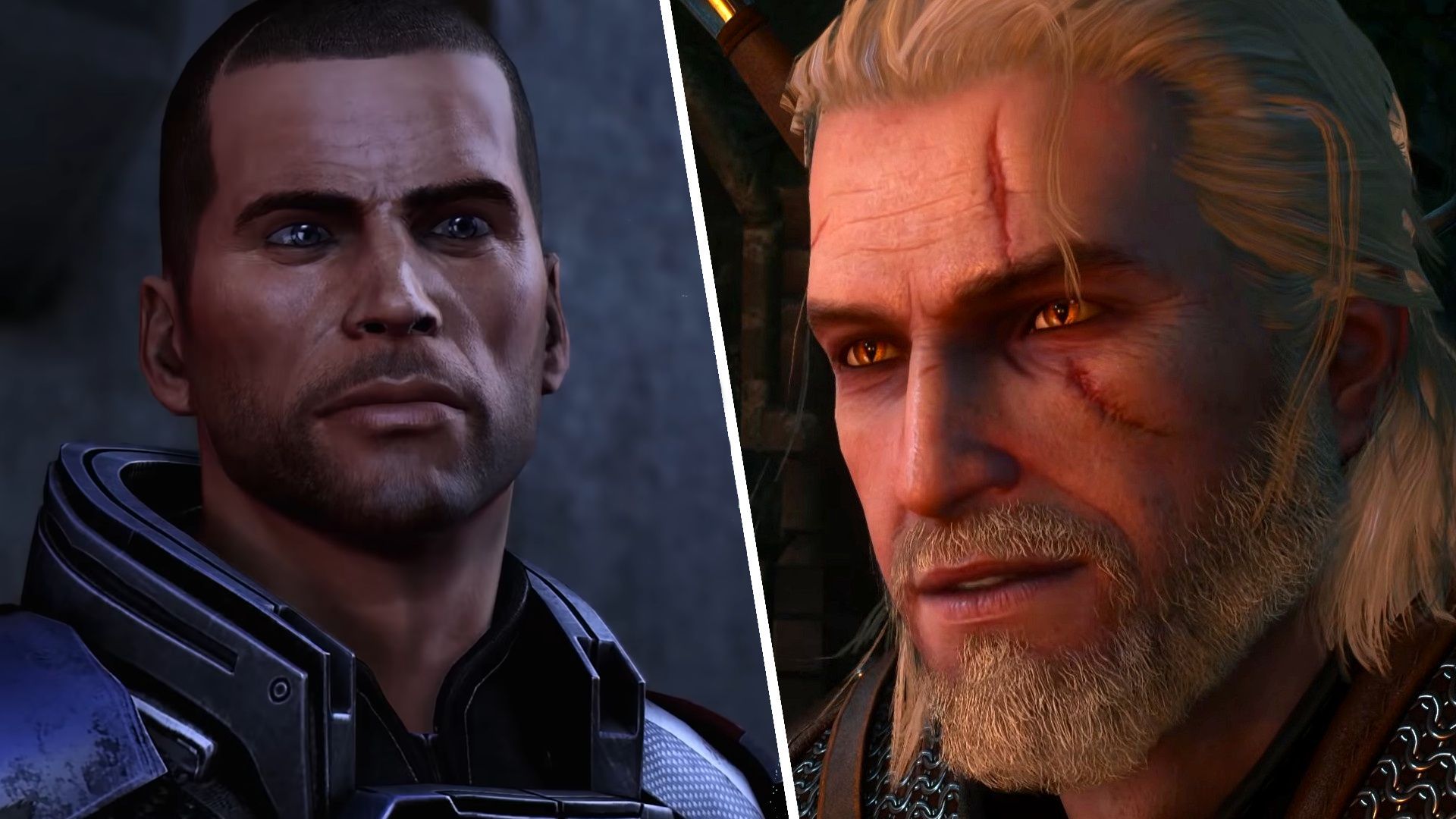
In the late 1990s, CD Projekt was a small, ambitious localizing and distribution company in Poland. Looking to make its mark, the young team approached BioWare and Interplay to secure the localization rights for Baldur’s Gate in Poland, the Czech Republic, and Slovakia. The venture was an explosive commercial success, serving as the financial and cultural springboard that allowed CD Projekt to transition from localization to game development.
When a subsequent deal to localize Baldur’s Gate: Dark Alliance fell through due to Interplay’s financial troubles, CD Projekt pivoted rapidly to create its own intellectual property: The Witcher.
This is where BioWare’s generosity altered the trajectory of modern gaming history. Speaking to media outlets over the years, CD Projekt co-founder Marcin Iwinski and joint CEO Michał Nowakowski detailed how BioWare actively nurtured their fledgling studio. BioWare licensed its Aurora Engine to CD Projekt for the development of the original The Witcher (2007), shared invaluable technical wisdom, and even provided physical space at their booth during E3 2004 so the Polish developers could showcase an early, rough demo to the global press.
Official Responses and Tributes
The gaming industry responded to BioWare’s closure with an unprecedented wave of digital mourning. Prominent among them was CD Projekt joint CEO Michał Nowakowski, who took to social media platform X to share a heartfelt tribute detailing BioWare’s monumental role in CDPR’s history.
"Bioware has been a massive part of CDPR history," Nowakowski wrote. "We befriended them when localizing and selling Baldur’s Gate games in Poland, Czech, and Slovakia. And later they were great help when lending us their engine for Witcher 1, sharing their wisdom and even giving us a spot at their booth at E3."
Nowakowski also reminisced about personal visits between the two teams: "I had the pleasure to visit them a few times in Edmonton and also host them in our Warsaw office. Very sad for the people affected, but also sad to see a legendary brand go down. Not a great day in the games industry."
Ryszard Chojnowski, a veteran translator and localizer whose extensive credits span both The Witcher and Baldur’s Gate 2, echoed these sentiments while sharing archival photographs from E3 2004. The photos captured CD Projekt’s humble corner tucked away inside BioWare’s booth—a physical manifestation of mentorship between two generations of RPG builders.
Former developers, artists, writers, and fans flooded online forums to share memories of their first steps off the Normandy, their first encounters with the Darkspawn, and the profound emotional connections forged with digital companions written by BioWare’s legendary narrative team.
Industry Implications: The End of an Era for AAA Narrative Design
The closure of BioWare is more than the loss of a single studio; it represents a profound structural shift in the video game industry.
For thirty years, BioWare championed a specific brand of high-budget, story-driven, single-player RPG that required immense investments of time, talent, and capital. In today’s volatile economic climate—characterized by skyrocketing development costs, prolonged production cycles, and unpredictable consumer markets—publishers like Electronic Arts are increasingly risk-averse, pivoting away from complex narrative blockbusters toward live-service models and reliable franchises.
The disappearance of BioWare leaves a massive vacuum in the AAA landscape. Very few studios possess the institutional knowledge, narrative ambition, and structural capability required to orchestrate branching cinematic narratives on the scale of Mass Effect or Dragon Age.
As CD Projekt Red, Larian Studios (following their monumental success with Baldur’s Gate 3), and other independent developers carry the torch forward, they do so on shoulders built by BioWare. The studio may be gone, but the genetic code of modern role-playing games—its dialogue wheels, its companion loyalty systems, and its belief that player choice should matter—remains permanently embedded in the DNA of interactive entertainment.
The gaming landscape is quieter, darker, and significantly poorer today without BioWare in it. But as long as gamers venture into the stars on the Normandy or walk the Path as a Witcher, the spirit of the studio that taught an industry how to tell interactive stories will live on.

