

Main Facts
The intersection of generative artificial intelligence and independent video game development sparked a fierce public clash in late October, when the Czech indie developer Amanita Design sharply rebuked "AI storytelling" enterprise Nura Studios. The controversy erupted on October 20, when Nura Studios CEO Sylvio Drouin published a video tribute on social media celebrating Amanita Design’s 2009 point-and-click cult classic, Machinarium.
The video, which was quickly deleted following widespread backlash, was produced using generative AI tools. Rather than receiving the tribute as an affectionate nod, Amanita Design—globally renowned for its meticulously hand-crafted, charcoal-and-vector aesthetic—condemned the creation as derivative, disrespectful, and devoid of artistic integrity.
While many corporate entities and independent developers typically choose to ignore or quietly endure unauthorized AI-generated content that utilizes their intellectual property, Amanita Design took an assertive and uncompromising stance. The developer’s swift and unsparing public rebuke has since become a flashpoint in the broader, ongoing industry debate regarding copyright, the ethics of generative models, and the value of human craftsmanship in digital art.
Chronology of Events
October 2024: The Build-Up to the Incident
The tension between traditional game developers and AI advocates has been simmering for years, but it reached a boiling point in mid-October. Amanita Design made major waves in the gaming community by officially announcing Machinarium 2, the long-awaited sequel to its critically acclaimed 2009 masterpiece. The announcement generated immense excitement among fans of atmospheric, hand-drawn puzzle games, bringing renewed attention to the studio’s distinctive visual identity.
October 20, 2024: The AI "Tribute" Goes Live
Capitalizing on the renewed interest surrounding the Machinarium franchise, Sylvio Drouin, CEO of Nura Studios—a company that markets itself as a platform to "empower creators with a human-led AI platform to bring high-quality stories to life"—shared a video tribute to the original 2009 game.
The video featured animations and visual assets clearly synthesized by machine learning models trained on, or directed toward mimicking, Amanita’s iconic steampunk aesthetic. Viewers who caught the post before its removal noted the characteristic artifacts, uncanny motion blurring, and texture warping typical of early-generation video AI models.
October 20–21, 2024: The Backlash and Apology
Almost immediately after the video went live, Amanita Design responded via its official social media channels with a scathing critique of the post. Recognizing the severity of the PR disaster and the intensity of the community’s negative response, Drouin removed the video and issued a public apology.
"We are so sorry for the post we did," Drouin posted on X (formerly Twitter). "We thought it was an homage to your amazing work and I already deleted the posts, again please accept our sincere apologies."
As of press time, Amanita Design has not publicly acknowledged or accepted the apology, leaving the door open on a tense chapter of creator-versus-machine relations.
Supporting Data and Context: The Artisanal Identity of Amanita Design
To understand why Amanita Design’s reaction was so fierce, one must examine the studio’s unique place in the video game ecosystem. Founded in Brno, Czech Republic, in 2003 by Jakub Dvorský, Amanita Design has consistently championed a hyper-traditional, artisanal approach to game development.
| Studio Metric / Detail | Amanita Design | Nura Studios |
|---|---|---|
| Founded | 2003 | Recent startup years |
| Location | Brno, Czech Republic | Not publicly emphasized (Digital-first AI platform) |
| Core Philosophy | Hand-crafted, painstakingly animated vector and physical media art | "Empower creators with a human-led AI platform" |
| Notable Works | Machinarium, Samorost, Botanicula, Creaks, Machinarium 2 | Generative storytelling tools and AI "slop" concepts |
| Stance on AI | Highly protective of human craftsmanship and copyright | Proponent of generative AI workflows |
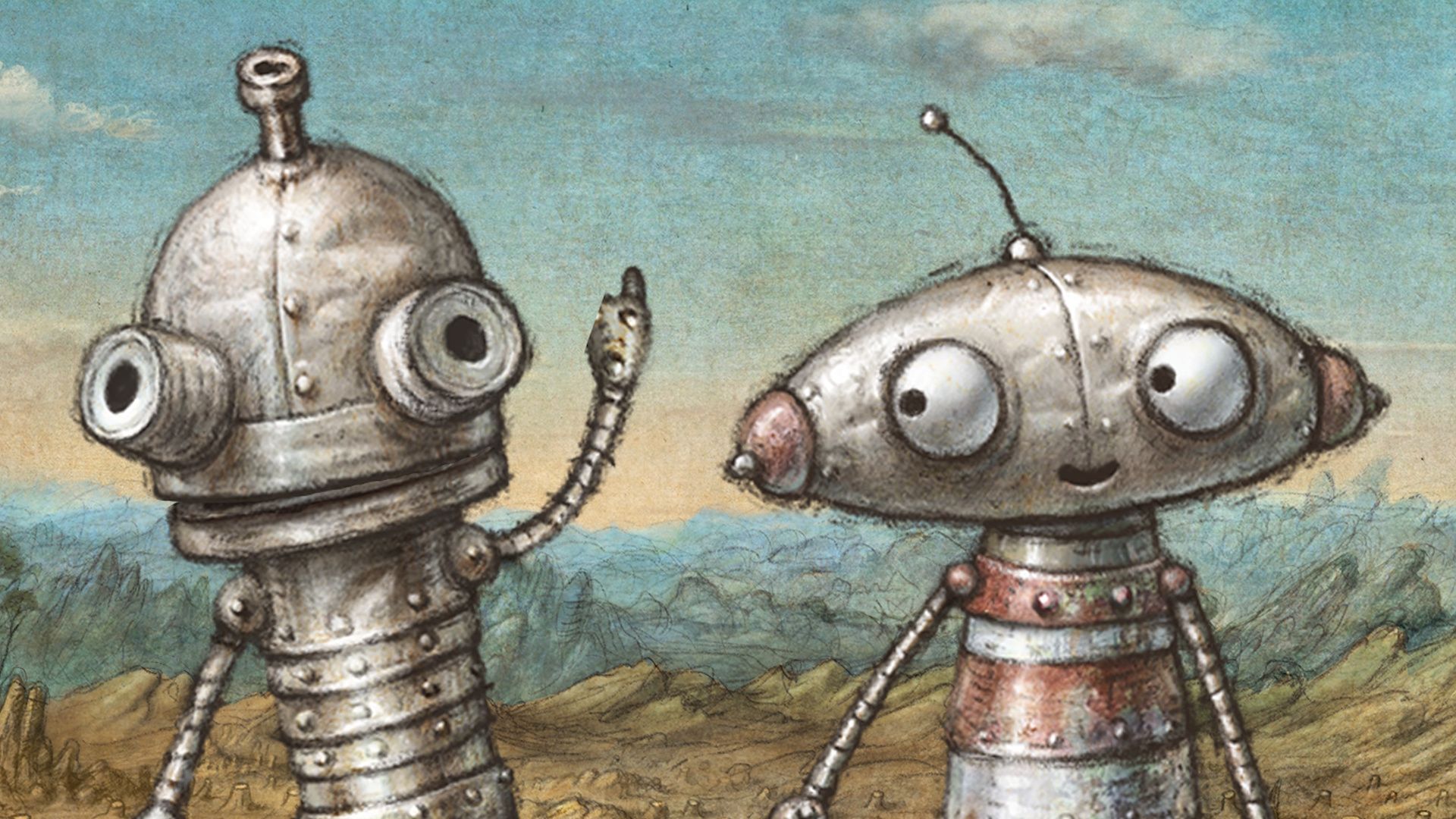
Unlike modern blockbuster studios that rely on massive procedural generation pipelines or thousands of outsourced contractors, Amanita’s games look and feel like living, breathing storybooks. Machinarium, for instance, is famous for its intricate, hand-drawn background art filled with rusted metal, grease, and grime, all animated frame-by-frame to give the silent robot protagonist, Josef, his poignant charm.
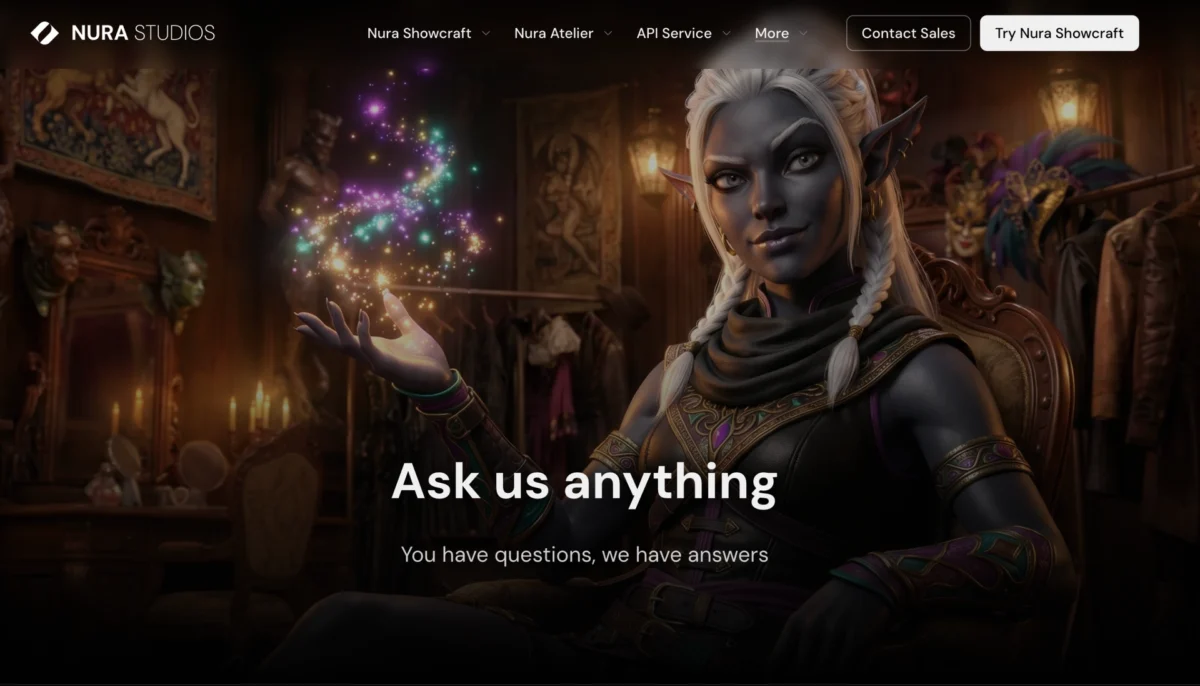
In stark contrast, Nura Studios represents a modern wave of tech startups attempting to disrupt creative industries through machine learning. Nura’s promotional material and website prominently feature surreal, hyper-polished, yet unmistakably synthetic imagery—such as AI-generated elven characters—that critics argue lacks cultural or emotional resonance. Feeding the distinct, deeply human-crafted assets of Machinarium into an AI model to spit out automated animations was viewed by many artists not as an homage, but as an automated form of cultural appropriation.
Official Responses
The war of words between the two companies laid bare the ideological chasm separating traditional developers from the generative AI sector.
Amanita Design’s Condemnation
Amanita Design did not mince words when addressing the incident. In a sharply worded public statement posted to social media, the studio declared:
"The audacity to feed Machinarium assets to AI, make AI slop animations, and call it a love letter… Love letters are supposed to be handwritten. This looks disgusting and has nothing to do with us or our craft."
The statement resonated deeply across social media, accumulating thousands of likes and reposts from independent artists, developers, and gamers who have grown increasingly fatigued by the proliferation of unsolicited generative AI content across digital storefronts and social feeds. By labeling the output "AI slop"—a widely adopted pejorative term for low-effort, mass-produced generative media—Amanita struck a nerve within an industry worried about the devaluation of creative labor.
Nura Studios’ Retraction
Facing an onslaught of negative public sentiment and a resolute defense from one of Europe’s most respected indie studios, Nura CEO Sylvio Drouin quickly pivoted to damage control. Recognizing that the "tribute" had backfired spectacularly, Drouin attempted to defuse the situation by framing the misstep as a misguided expression of admiration:
"We are so sorry for the post we did. We thought it was an homage to your amazing work and I already deleted the posts, again please accept our sincere apologies."
Despite the prompt deletion and apology, the gesture was met with widespread skepticism by observers who pointed out the inherent contradiction of using copyrighted, hand-crafted artistic masterpieces as raw data to train or prompt commercial AI tools without prior consent.
Implications for the Gaming and Tech Industries
The clash between Amanita Design and Nura Studios is far more than a localized social media spat; it serves as a microcosm for the larger existential crisis facing creative industries in the age of generative artificial intelligence.
1. The Weaponization of "Homage"
For years, technology companies have attempted to market generative AI tools as democratization engines—systems that allow everyday fans to create custom tributes to their favorite franchises. However, creators are increasingly pushing back against this narrative. When an AI company uses a studio’s proprietary, blood-sweat-and-tears artwork to generate derivative animations, it blurs the line between fandom and intellectual property exploitation. Amanita’s response establishes a clear boundary: true homage requires human effort, intention, and respect.
2. Legal and Ethical Precedents in Game Development
As developers like Amanita prepare major releases—such as the highly anticipated Machinarium 2—protecting brand identity and visual integrity is paramount. Game assets are increasingly vulnerable to being scraped, trained upon, and mimicked by automated platforms. Incidents like this highlight the urgent need for robust legal frameworks and platform policies that protect artists from having their distinct styles co-opted by commercial AI generators.
3. A Rallying Cry for Indie Developers
Independent studios often lack the sprawling legal departments of multi-billion-dollar publishers like Nintendo, Sony, or Electronic Arts, leaving them more vulnerable to having their works exploited by tech startups. By aggressively pushing back and refusing to quietly accept corporate apologies, Amanita Design has provided a blueprint for how smaller creators can aggressively defend their turf, shift public opinion, and stigmatize the uninvited generation of "AI slop."
Ultimately, as the gaming industry looks forward to the release of Machinarium 2, the episode stands as a stark reminder: while artificial intelligence can endlessly iterate on pixels and polygons, it cannot manufacture the soul, sweat, and singular artistic vision that make human-crafted video games truly timeless.

