

By the Gaming Culture Desk
Published: November 2024
Main Facts: A Landmark Anniversary and an Unconventional Audio Evolution
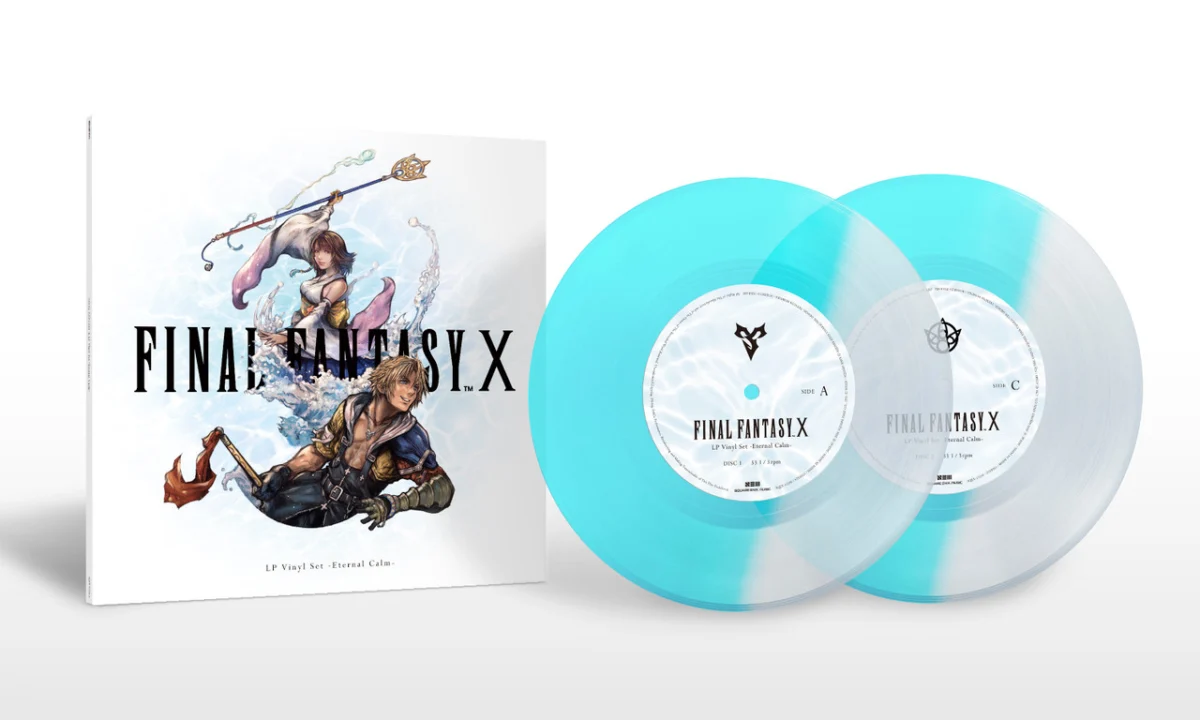
Square Enix has once again demonstrated the enduring commercial viability and cultural resonance of its musical catalog, announcing a high-end vinyl release to celebrate the 25th anniversary of Final Fantasy X. Alongside physical collector items, the Japanese publisher has leaned into experimental audio landscapes, releasing Final Fantasy X: House Grooves—a digital and physical experiment that transposes the iconic, often melancholic melodies of Spira into upbeat house and electronic dance music (EDM) tracks.
While purists might raise an eyebrow at the fusion of tragic narrative themes with four-on-the-floor club beats, the project marks a fascinating evolution in how video game music (VGM) is packaged, consumed, and reinterpreted decades after a game’s initial launch. The release follows a similar electronic-genre pivot applied to Final Fantasy IX, proving that Square Enix is eager to extract fresh value from its historical intellectual properties through creative cross-genre experimentation.
Chronology: From the PlayStation 2 Era to the Modern Era of Curated Soundscapes
To understand the weight of this milestone, it helps to trace the historical timeline of Final Fantasy X’s audio footprint:

- July 2001: Final Fantasy X launches on the PlayStation 2 in Japan (with subsequent global releases following shortly after in late 2001 and early 2002). Composed primarily by the legendary trio of Nobuo Uematsu, Masashi Hamauzu, and Junya Nakano, the soundtrack immediately wins critical acclaim for blending orchestral arrangements with haunting ethnic instruments and modern synthesizer elements.
- The 2000s and 2010s: As the gaming industry matured, Square Enix recognized the global demand for live orchestral concerts (such as Distant Worlds) and specialized physical releases, ranging from piano collections to official soundtrack imports via specialty retailers like Play-Asia.
- The Vaporwave and Chillwave Era (Mid-2010s): Fans online organically begin sampling atmospheric tracks like "Phantoms" from the icy Macalania region, establishing an underground appreciation for the ambient electronic qualities buried within the game’s score.
- Recent Years: Square Enix formalizes genre experimentation, rolling out curated remix albums such as Final Fantasy IX: House Grooves and its newly minted successor, Final Fantasy X: House Grooves.
- December 2024 / January 2025: Square Enix opens pre-orders for the Final Fantasy X 25th Anniversary Vinyl Collector’s Edition, setting up a major nostalgia-driven retail wave for longtime fans of the franchise.
Supporting Data: The Economics and Cultural Footprint of Video Game Soundtracks
The commercial success of video game vinyl and alternate-genre albums is not accidental; it represents a booming niche within the broader music and entertainment economy.
- The Vinyl Renaissance: Physical vinyl sales have seen continuous double-digit global growth over the past decade. Video game soundtracks represent one of the fastest-growing sectors in the vinyl market, with limited-edition pressings often selling out within minutes of announcement and frequently commanding massive aftermarket resale values.
- Streaming Metrics: VGM streams on platforms like Spotify and Apple Music have skyrocketed by over 150% globally since 2020. Nostalgia-driven consumers aged 25 to 45—those who played the original PlayStation 2 titles during their formative years—now possess significant disposable income, making them prime targets for high-priced collector items like the upcoming Final Fantasy X vinyl set.
- Cross-Genre Crossover: Albums like House Grooves bridge the gap between traditional gaming audiences and electronic music fans. While niche, these projects generate millions of collective streams across YouTube and Spotify, serving as low-risk, high-margin ventures for publishers looking to maximize their legacy assets.
Official Responses and Creative Direction: Bridging Tragedy and the Dancefloor
Bringing a sweeping, emotional epic about a pilgrimage to defeat a cosmic whale (Sin) into the realm of club culture required a delicate, albeit surreal, creative approach. Square Enix Music producers and collaborating arrangers faced a unique compositional hurdle: how do you reconcile profound loss with a danceable groove?
The results are a mixed bag of brilliant stylistic synergy and bizarre cognitive dissonance, which fans and critics have analyzed track by track:
- "To Zanarkand": The iconic, melancholic piano melody that opens the game has been recast with a lounge-ready cadence. Critics note that it evokes the surreal atmosphere of a high-end hotel lobby bar during a tech conference—polished, ambient, and strangely soothing, even if it strips away some of the original’s raw heartbreak.
- "Phantoms": Universally praised as one of the most successful adaptations on the album. The ethereal, freezing soundscape of Macalania translates naturally into ambient house and chillwave sensibilities, echoing the organic fan sampling trends of the mid-2010s.
- "Wandering": Playing originally during one of the most devastating narrative sequences—where the villainous Sin slaughters countless soldiers on the Moonflow—this track highlights the inherent friction of the project. Turning a dirge into a dance track proves impossible, resulting in a fascinatingly disjointed listening experience where modern house beats and sorrowful strings appear to pull in opposite directions.
- "Fight with Seymour": Serving as the crown jewel of the remix album, this track successfully weaponizes the game’s high-energy boss themes. Merging aggressive electronic drops with the distinct hook of the Blitzball theme, it delivers an unapologetic club banger tailored explicitly for die-hard fans.
Implications: The Future of Legacy Monetization and Fan Engagement
The release of Final Fantasy X: House Grooves and the 25th-anniversary vinyl package carries several broader implications for Square Enix and the broader video game industry:

1. The Monetization of Nostalgia
As game development cycles grow longer, more expensive, and risk-averse, publishers are looking backward to sustain steady revenue streams. By curating physical artifacts (vinyl records, art books) and digital novelty albums (lo-fi, metal, jazz, and house remixes), companies can monetize their back catalogs with minimal overhead compared to full-scale remasters or remakes.
2. Expanding Cultural Relevance
By pushing classic game scores into contemporary genres like house, EDM, and lo-fi hip-hop, Square Enix successfully exposes legacy intellectual properties to younger demographics who may never have experienced the original PlayStation 2 release. It cements video game music not just as accompaniment to interactive media, but as standalone, flexible art capable of continuous reinvention.
3. Fulfilling Niche Demands
For the dedicated community of "FFX sickos"—longtime devotees who have followed Spira’s journey across multiple console generations—these releases act as a badge of honor. While critics might chuckle at the idea of spinning House Grooves at a mainstream nightclub, the project validates a deeply passionate fandom, proving that even twenty-five years later, the pilgrimage through Spira still commands a loyal, paying audience.

