

By Global Gaming Desk
Published: Industry News & Hardware Analysis
Introduction: A Welcome Respite in a Costly Hardware Market
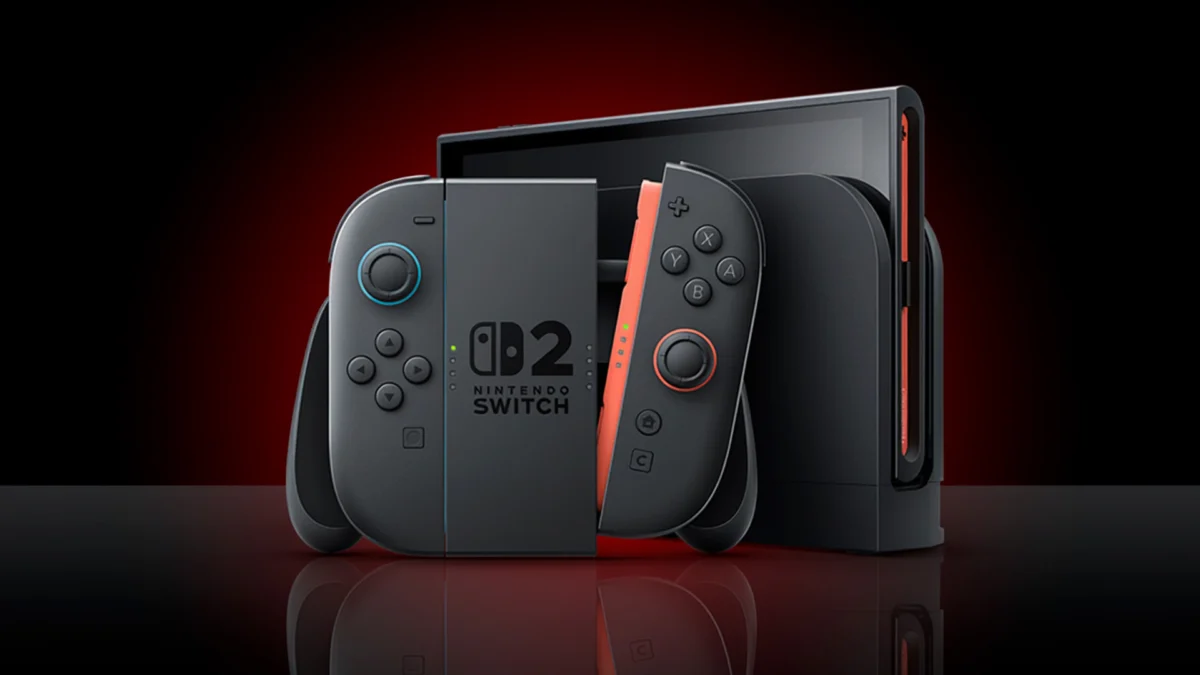
At a time when rising global component costs, inflation, and supply chain pressures have forced major console manufacturers to continually adjust their pricing upward, a surprising counter-trend has emerged in the United Kingdom. Amazon U.K. has aggressively slashed the retail price of the highly anticipated Nintendo Switch 2 by 15%, bringing the next-generation handheld-hybrid console down to an unprecedented low of £354.99.
This unexpected price drop has triggered a cascading reaction across the British retail sector. Major competitors—including Argos, John Lewis, and Smyths Toys—have rapidly matched the discount to remain competitive. For consumers who have been hesitant to adopt Nintendo’s latest ecosystem due to budget constraints, this aggressive price war presents an ideal window to upgrade.
Main Facts: The Nintendo Switch 2 Price Cut Explained
The decision by Amazon U.K. and its high-street competitors to slash prices on the Nintendo Switch 2 marks one of the most significant early discounts for a primary hardware platform in recent memory.
- The Discount: A 15% markdown from its standard launch MSRP.
- The New Price: Down to £354.99, an all-time low since the console’s market rollout.
- Participating Retailers: Amazon U.K., Argos, John Lewis, and Smyths Toys.
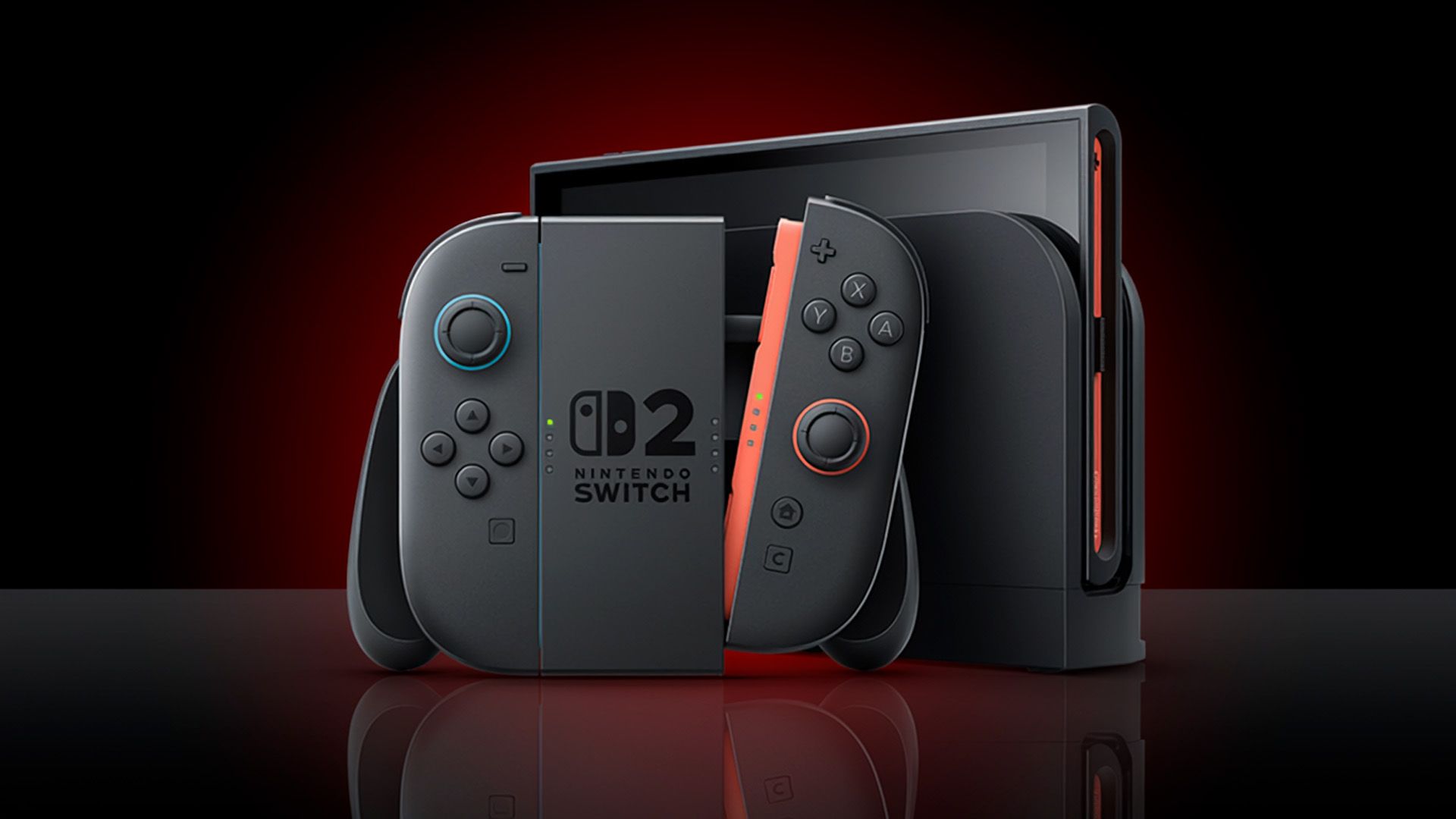
- Hardware Highlights: The discounted unit features the upgraded 256GB internal storage baseline alongside the redesigned Black Joy-Con 2 controllers.
While component shortages—specifically regarding high-speed flash memory and custom silicon processing nodes—have driven up the cost of electronic goods globally, UK retailers appear to be absorbing or bypassing these pressures to clear inventory and stimulate broader ecosystem adoption. Analysts suggest that software attach rates (game sales) are the primary driver behind this sudden willingness to compress hardware profit margins.
Chronology: How the Price Drop Unfolded
The trajectory toward this historic price drop did not happen overnight. It is the result of months of shifting market dynamics, fluctuating component costs, and intense retail competition within the British video game market.
Phase 1: The Launch and Initial Resistance (Early Release Window)
When Nintendo first introduced the Switch 2 to global markets, it was greeted with immense critical acclaim alongside cautious consumer reception. Carrying a standard baseline price that reflected the inclusion of advanced processing architecture, better battery efficiency, and upgraded display tech, the console faced immediate headwinds from a broader economic slowdown in Europe and the U.K.
Phase 2: Rising Component Pressures
Midway through the release cycle, industry reports began to highlight escalating manufacturing costs. Semiconductor supply chains, exacerbated by raw material scarcity and rising energy overheads, caused hardware manufacturing expenses to spike. Industry insiders anticipated that console makers would universally implement price hikes. While some competitors adjusted their MSRPs upward, Nintendo held the line, setting the stage for retail-driven promotions rather than manufacturer-led increases.
Phase 3: The Amazon U.K. Catalyst
In a bold commercial move, Amazon U.K. altered the competitive landscape by introducing a sudden 15% markdown, dropping the console to £354.99. Rather than allowing Amazon to corner the market on holiday and spring hardware sales, competing British storefronts moved within 48 hours to match the new benchmark price.
Supporting Data: The Economics of Console Pricing
Understanding the significance of the £354.99 price point requires looking closely at current hardware economics and regional purchasing trends.
Global Component Cost Index
According to independent hardware analysts, the base cost of manufacturing modern hybrid consoles has risen by roughly 12% to 18% compared to previous generations. Key cost drivers include:
- Custom System-on-Chip (SoC): Advanced node architectures required to deliver next-generation graphical fidelity while maintaining thermal efficiency in a portable form factor.
- Storage Infrastructure: The shift from legacy eMMC storage to faster NVMe-based internal solutions (such as the standard 256GB drive found in the Switch 2) has increased baseline production expenses.
- Display and Ergonomics: Improved refresh rates, brighter panels, and redesigned mechanical controllers (Joy-Con 2) represent significant line-item increases over the original 2017 hardware.
Retailer Margin Compression
By discounting the console by 15%, participating retailers like Argos and John Lewis are operating on razor-thin hardware margins. In the video game industry, this strategy relies heavily on the "razor-and-blades" business model—selling the base hardware at or near cost to maximize the long-term sales of high-margin software titles, digital subscriptions, and physical accessories.
Official Responses and Industry Reactions
As the price cut reverberates through the financial and gaming sectors, statements from retail partners and tech observers shed light on the motivations behind the discount.
A retail logistics manager speaking anonymously on condition of anonymity noted, "Consumer spending habits are shifting toward high-value propositions. To maintain momentum in the gaming sector, volume is key. By lowering the entry barrier to £354.99, we are seeing a massive surge in auxiliary sales, including Pro Controllers, carrying cases, and AAA software titles."
Meanwhile, tech analysts have pointed out that while Amazon and its peers are absorbing temporary margin hits, the move is a masterclass in capturing market share ahead of upcoming software heavyweights slated for late 2024 and 2025.
Nintendo corporate representatives have maintained a neutral stance on regional retail discounting, reiterating their commitment to providing diverse entertainment value across all global markets while allowing local distribution networks to manage their promotional pricing strategies independently.
Implications: What This Means for Gamers and the Industry
The drop of the Nintendo Switch 2 to £354.99 carries far-reaching implications for both everyday consumers and the broader video game industry landscape.
1. For the Consumer
For U.K. gamers who were on the fence about transitioning from the original Nintendo Switch or competing platforms, this discount removes the primary friction point: upfront cost. At £354.99, the price-to-performance ratio of the Switch 2 becomes exceptionally compelling, offering next-gen hybrid gaming at a cost comparable to aging hardware configurations.
2. For Competitor Platforms
Sony and Microsoft, whose respective home consoles (PlayStation 5 and Xbox Series X/S) occupy different segments of the living room ecosystem, must now contend with a highly aggressive portable-hybrid competitor that is actively undercutting traditional holiday pricing models. This may prompt rival platforms to introduce bundled software deals or aggressive spring promotions of their own.
3. Will This Price Cut Spread Globally?
While the current 15% discount is primarily isolated to U.K. storefronts such as Amazon, Argos, John Lewis, and Smyths Toys, market observers speculate that if inventory clearance proves successful, similar promotional impulses could spread to European and North American markets. Consumers outside the U.K. are advised to keep a close eye on major upcoming retail sales events.
Conclusion
The reduction of the Nintendo Switch 2 to an all-time low of £354.99 represents a rare bright spot for consumers navigating a turbulent economic climate. Through strategic price-matching by Amazon U.K., Argos, John Lewis, and Smyths Toys, buyers now have an unprecedented opportunity to secure next-generation hardware at a substantially reduced cost. As retailers battle for dominance, the ultimate winner is the consumer, who can now experience Nintendo’s latest gaming evolution without breaking the bank.

