

By Jacob Fox
Hardware Writer
Mention a "big brand competitive gaming mouse" in a room full of PC enthusiasts, and you are almost guaranteed to trigger a collective sigh. If you are anything like me, that particular Rorschach test of a phrase will instantly force a single, heavy word to the front of your mind: expensive.
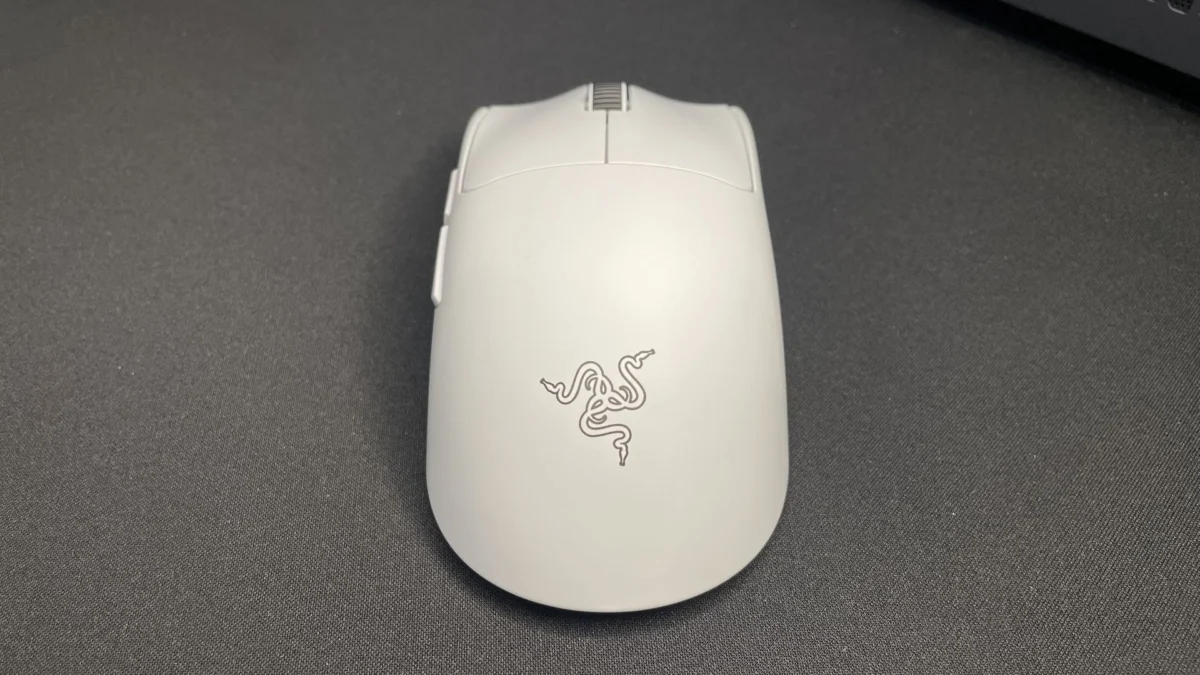
That gut reaction is entirely justified. A look at the landscape of major releases reveals a daunting financial barrier to entry. The Logitech G Pro X2 Superstrike commands a hefty $180. The Razer Viper V4 Pro drops slightly to $160, while the SteelSeries Rival Pro and Sensei Pro match the $180 mark. If you look toward Logitech’s newer iterative step—the X3 Superstrike—the price tag climbs even further to an eye-watering $200. These are, by any reasonable metric, exceptionally expensive peripherals.
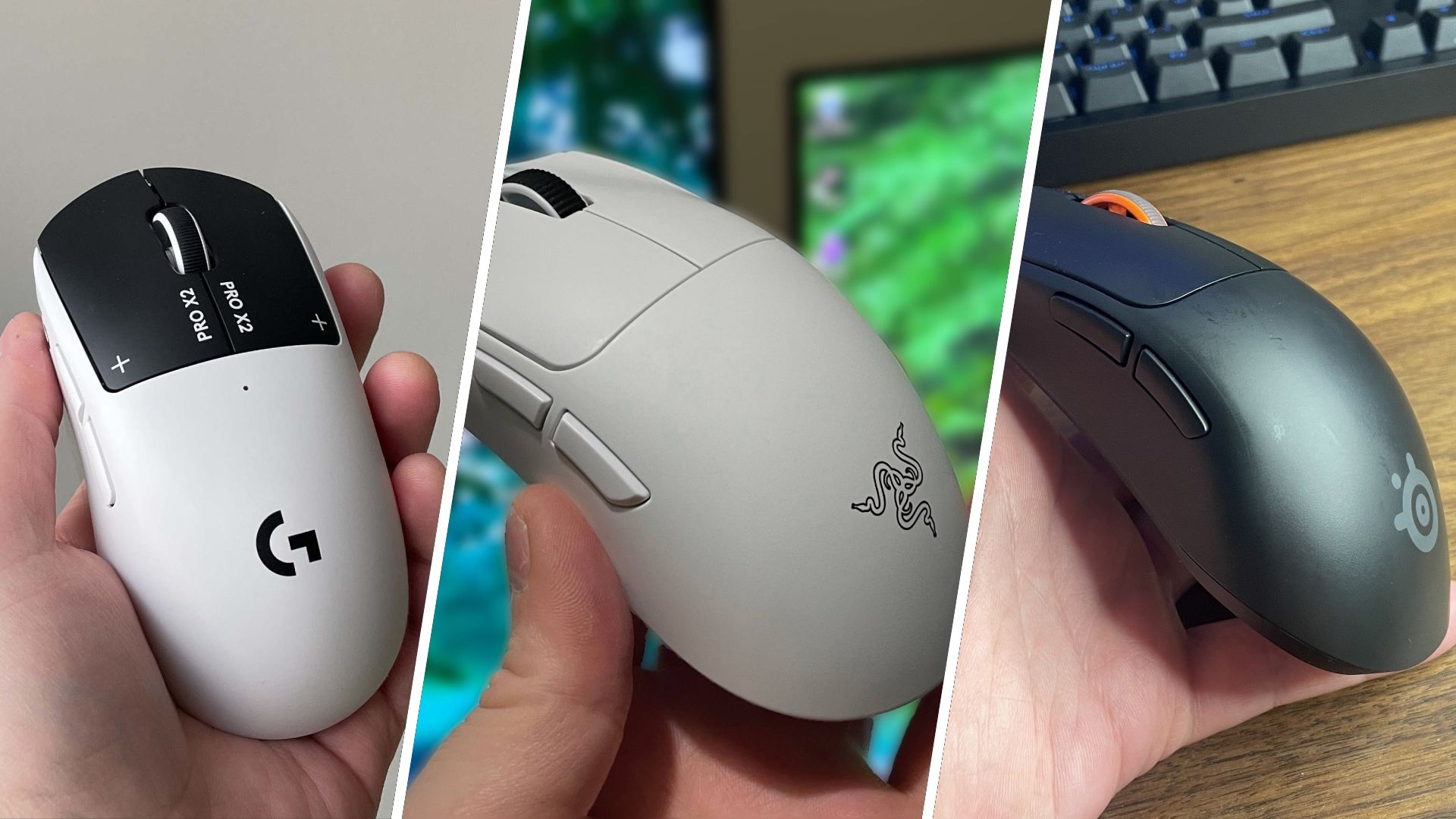
In previous years, this pricing trend would have drawn severe skepticism, especially given the explosive rise of niche and budget-friendly competitors. Today, incredible alternatives populate the market; for instance, the $89 Mchose K7 V2 Ultra+ functions as a remarkably capable, comfortable clone of Razer’s flagship shapes, offering elite performance at half the cost. Even acknowledging that the big-brand heavyweights boast immaculate, practically flawless build quality, asking $160 to $200 for a mouse still feels like a steep hill to climb.
Yet, my perspective on these premium flagships isn’t entirely dim. Why? Because despite the soaring price tags, these major releases have fundamentally pushed the competitive gaming mouse scene forward in ways that only massive corporations—with the capital to absorb risk and the marketing muscle to reach a global audience—truly can.
Main Facts: The 2026 Technological Leap
The current generation of elite gaming mice is defined by radical hardware shifts rather than mere incremental sensor bumps. Major manufacturers have moved past standard optical switches and generic wireless protocols to introduce entirely new engineering paradigms.
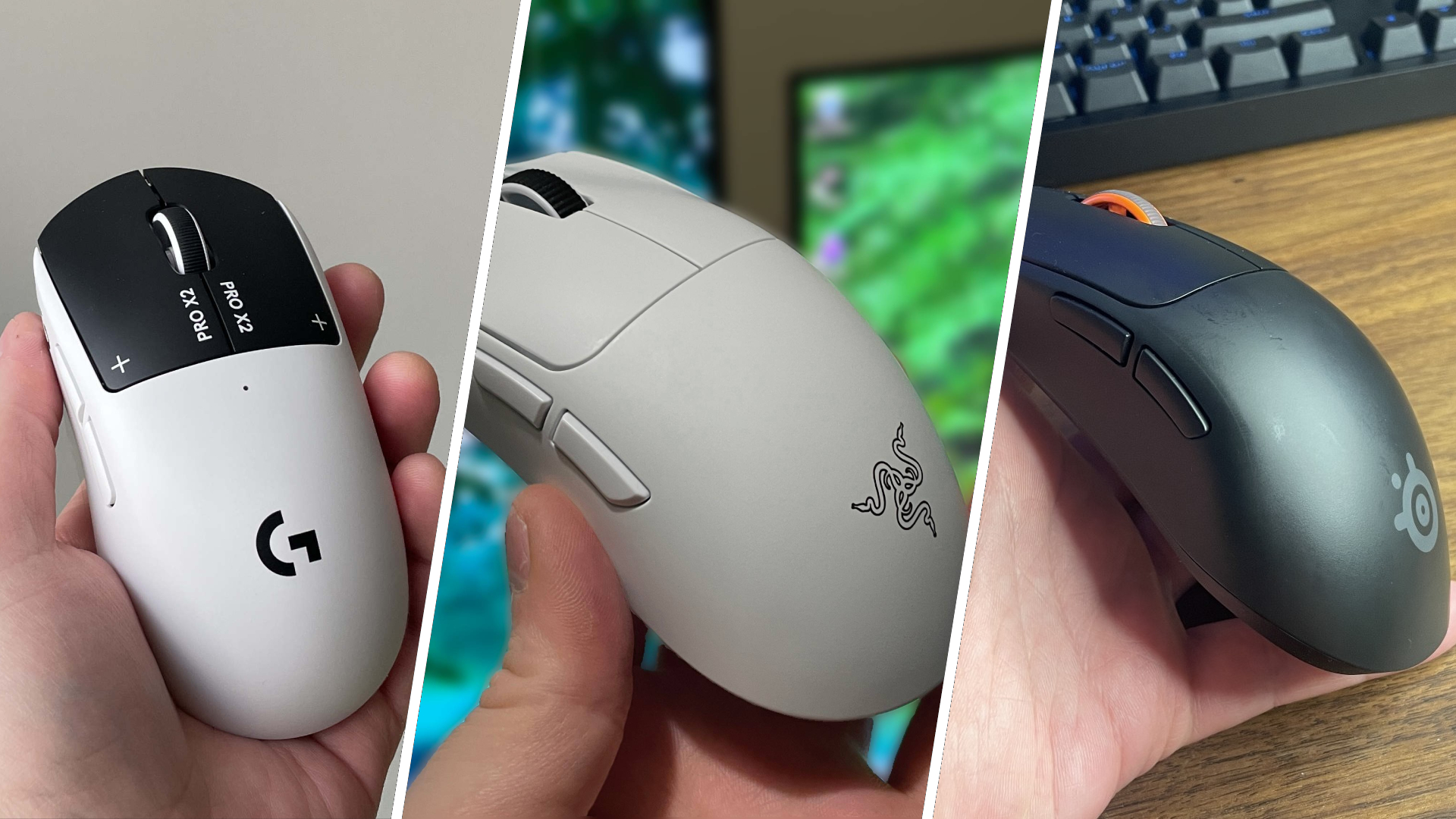
- Logitech has introduced haptic-inductive (analogue) clicks, allowing users to physically customize actuation points.
- Razer has deployed FrameSync, a hardware-level synchronization technique that dramatically optimizes battery life without sacrificing tracking performance.
- SteelSeries has broken new ground by implementing Ultra-Wideband (UWB) wireless connectivity and "true" 8,000Hz polling technology to combat RF interference and latency.
While these innovations debut in ultra-expensive flagships, they represent the vanguard of PC peripheral engineering. They are redefining what a gaming mouse can do, shifting the competitive advantage from raw ergonomics to deeply integrated hardware-software synergy.
Chronology of the Shift: From Niche Clones to Flagship Risks
The timeline of the modern competitive mouse market explains how we reached this economic and technological crossroads.
For years, the competitive mouse market plateaued. Once wireless technology caught up to wired latency—largely pioneered by Logitech’s HERO sensor architecture and Razer’s HyperSpeed—manufacturers entered a holding pattern. Weight reduction became the primary battleground, leading to a wave of honeycomb shells, magnesium skeletons, and sub-50-gram carbon composites.

Simultaneously, a cottage industry of boutique brands emerged. Spurred by manufacturing hubs in East Asia, these niche companies began reverse-engineering top-tier shapes, delivering sensors and build qualities that rivaled industry giants at a fraction of the cost. For a moment, it seemed the dominance of brands like Logitech, Razer, and SteelSeries was under serious threat.
Realizing that competing solely on weight and shape was a race to the bottom, the industry giants pivoted. Instead of engaging in a price war, they poured massive research and development (R&D) budgets into foundational component changes.
In early 2025, Logitech launched the X2 Superstrike, introducing the Haptic Inductive Trigger System. However, recognizing the speed at which technology evolves, Logitech swiftly iterated, launching the improved X3 Superstrike just months later—a move that, while technologically impressive, left early adopters feeling alienated. Shortly after, Razer answered with the Viper V4 Pro and FrameSync, followed by SteelSeries entering the fray with their UWB-powered Rival Pro and Sensei Pro series.
Supporting Data: Innovations Under the Microscope
To understand why these mice command such high prices, we must look closer at the engineering data behind the marketing claims.
Logitech’s Analogue Clicks and the HITS Architecture
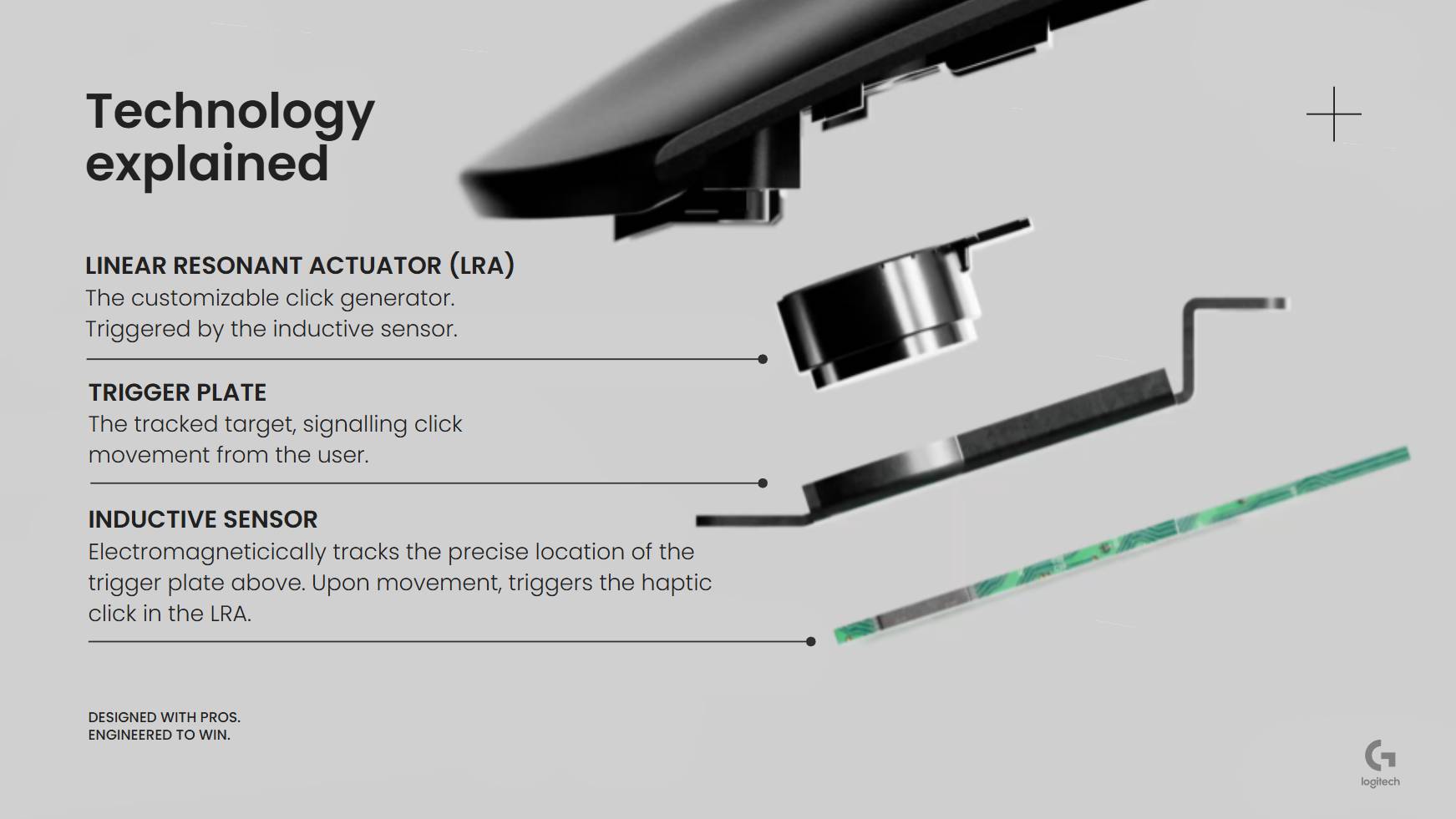
Logitech’s Haptic Inductive Trigger System (HITS) marries magnetic induction with haptic feedback. Traditional mice rely on physical microswitches with a fixed actuation point. HITS allows users to adjust the exact physical depth required to register a click via software, while haptic motors simulate a crisp, mechanical tactile bump regardless of where the actuation is set.
Logitech’s head of engineering noted during development: "We knew we had a golden nugget in our hands… so we took all the shortcuts we could." This ambition has inspired immediate market reactions. Competitors like Keychron are developing optical-magnetic hybrid switches, while boutique manufacturers like Finalmouse have begun showcasing TMR (Tunnel Magnetoresistance) analogue click mechanisms.
Razer’s FrameSync and Power Efficiency
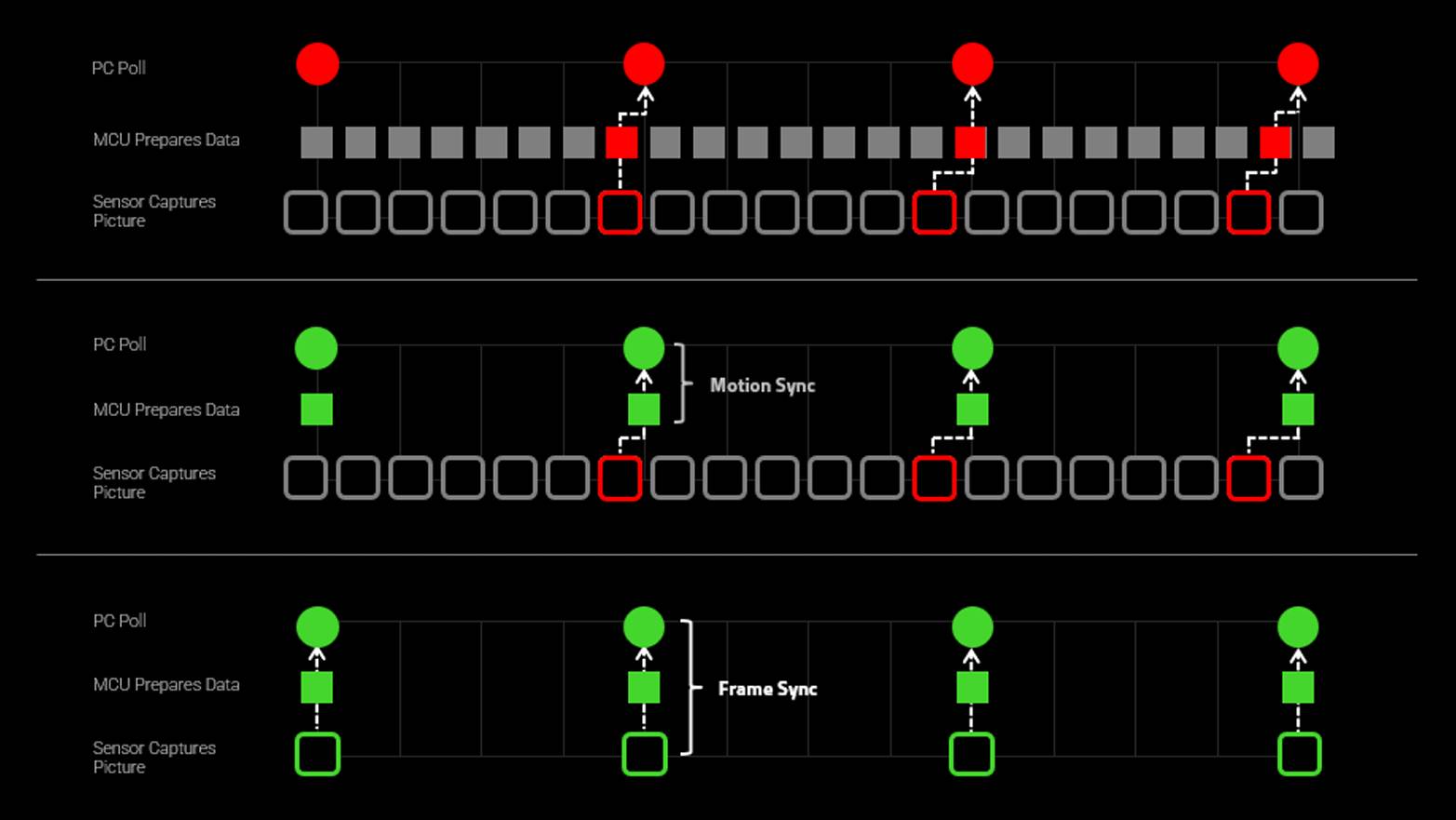
With the Viper V4 Pro, Razer introduced FrameSync. Much like Variable Refresh Rate (VRR) tech synchronizes a GPU with a gaming monitor, FrameSync aligns the mouse sensor’s optical capture rate directly with the microcontroller unit (MCU) polling requests.
Independent testing has confirmed that FrameSync eliminates redundant optical snapshots. The sensor only captures data precisely when the MCU asks for it. The practical result? The Viper V4 Pro achieves an astonishing 180 hours of battery life at a 1,000Hz polling rate, even while driving an ultra-high-performance sensor.
SteelSeries: UWB Connectivity and True 8K
SteelSeries adopted a different vector for innovation, tackling wireless reliability. The company became one of the first to introduce Ultra-Wideband (UWB) technology to a gaming mouse—a feature similarly explored by Japanese manufacturer Elecom.
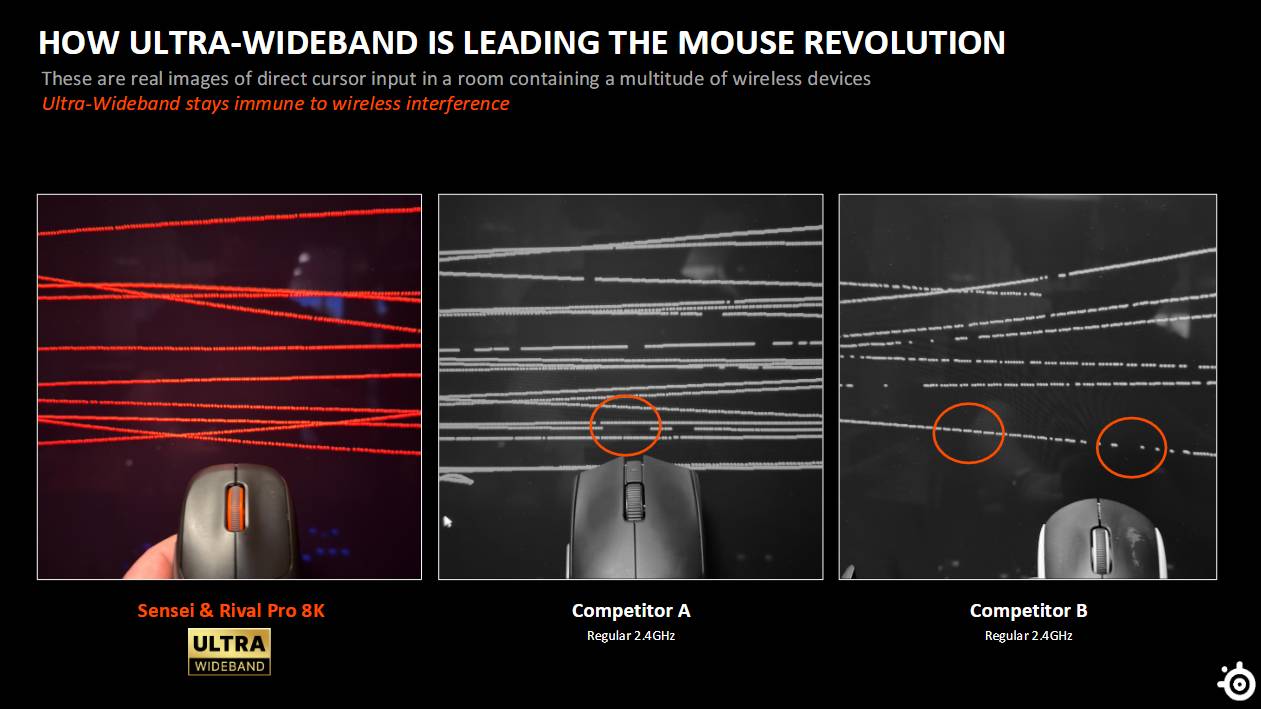
UWB promises vastly superior stability in crowded 2.4GHz wireless environments, reducing interference-based jitter. Furthermore, SteelSeries introduced "true" 8K polling, claiming their architecture sends distinct data packets for every single receipt rather than bundling them, alongside hot-swappable batteries for sustained longevity.
Official Responses and Industry Dynamics
The division between big brands and niche manufacturers highlights a fascinating manufacturing reality: mouse brands rarely build every internal component themselves.
Sensors, switches, and microcontrollers are typically developed in close collaboration with third-party silicon and hardware fabricators. Consequently, proprietary technologies rarely stay exclusive forever. Once a major brand absorbs the initial R&D risk, proves the concept viable, and secures patent frameworks, these components inevitably trickle down to broader supply chains.
Niche brands excel at execution and cost-efficiency, but big brands provide something equally vital: legitimacy.
When a small company introduces an experimental feature, mainstream consumers often write it off as a gimmick. But when a titan like Logitech or Razer anchors an entire global marketing campaign around a technology like haptic induction or FrameSync, the broader gaming community takes notice. They establish trust, prove structural durability through rigorous real-world testing, and pave the way for universal adoption.
Implications: A Rising Tide Lifts All Boats
Does this mean everyday gamers should rush out to spend $200 on the latest flagship? Absolutely not. If you are operating on a strict budget, the market is overflowing with phenomenal, cost-effective mice that will serve you wonderfully in competitive titles like Counter-Strike 2, Valorant, or Apex Legends.
However, we must give credit where credit is due. Big brands took a monumental financial risk by investing heavily in next-generation hardware architecture rather than resting on their laurels.
The high prices we see today are the incubator costs for tomorrow’s standards. Just as lightweight chassis, 4K/8K wireless dongles, and optical switches eventually filtered down from ultra-premium flagships to budget-friendly killers, the analogue triggers and sync technologies of today will inevitably become standard features across the industry.
It is a classic case of a rising tide lifting all boats. The major corporations spent the capital to break new ground; now, the rest of the industry—and ultimately, every PC gamer—stands to benefit.

