

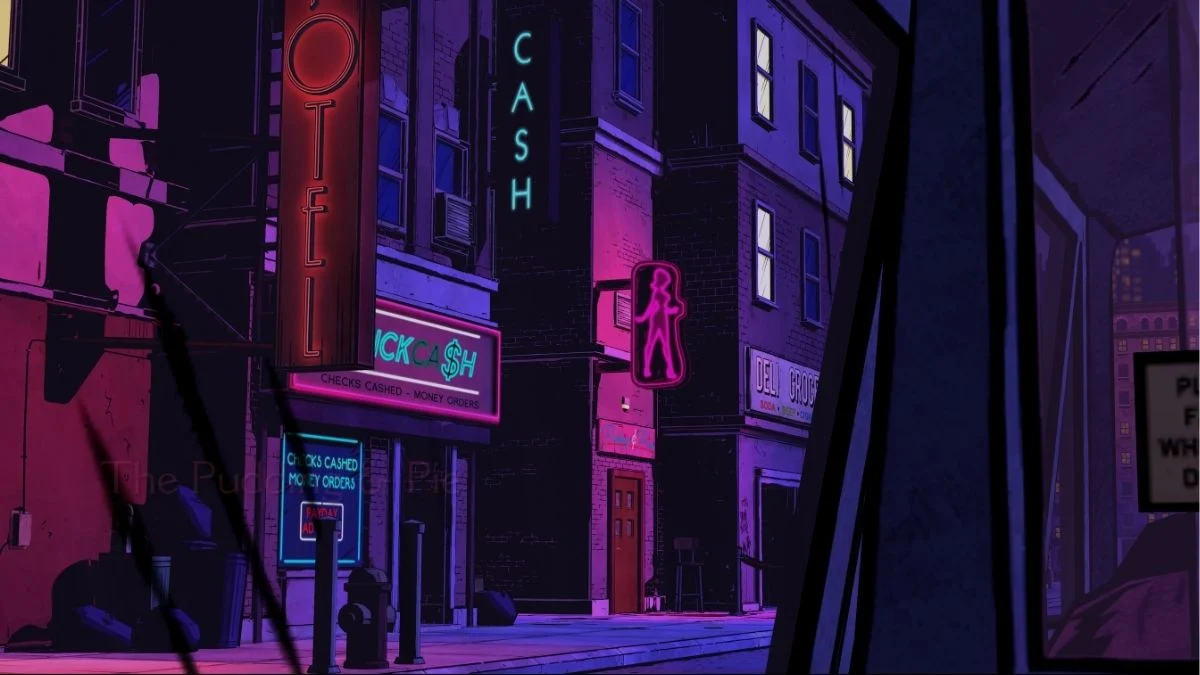
October 2026 — More than a decade after it first captivated players with its gritty, neo-noir take on fairy tale lore, Telltale’s critically acclaimed narrative adventure The Wolf Among Us is officially returning. Telltale has announced that the long-anticipated PlayStation 5 remaster of the beloved title will launch on October 29, 2026. Inspired by Bill Willingham’s Eisner Award-winning Fables comic book series published by DC’s Vertigo imprint, the upcoming remaster aims to bridge the gap between nostalgic veterans and an entirely new generation of gamers.
Matt Saia, the game’s director and Vice President of Creative at Telltale, detailed the extensive overhaul in a recent PlayStation Blog post. Alongside the release date reveal, Saia offered deep insight into the meticulous development process behind the remaster, explaining how the team managed to modernize the visual fidelity and performance of the game while fiercely protecting the distinct stylistic integrity that made the original 2013 release an unforgettable cult classic.
Main Facts: What to Expect from The Wolf Among Us Remastered on PS5
The upcoming PlayStation 5 version of The Wolf Among Us is far more than a simple up-scaling or frame-rate unlock. Telltale has rebuilt and retouched foundational elements of the game to harness the power of modern Sony hardware.
Key details surrounding the October 29, 2026 release include:
- Engine Migration: The game has been transitioned to the proprietary engine Telltale utilized during the development of its later titles, notably Batman: The Telltale Series. This transition has allowed for vastly improved performance, stability, and rendering capabilities.
- Visual Overhaul: Every single scene in the game has undergone a rigorous lighting overhaul. Because of fundamental structural updates to the engine and asset pipelines, lighting artists had to manually relight environments to ensure the moody, atmospheric tone remained intact.
- Refined Character Models: Character art has been completely overhauled. Moving away from the original 2013 assets, the team created entirely new textures and high-end polygonal models that remain faithful to the original concept art while looking pristine on 4K displays.
- New Features and Modes: The remaster introduces a brand-new "Noir Mode," heightening the detective-noir aesthetic of the game. Additionally, players will have access to a robust suite of behind-the-scenes features, offering a glimpse into the creative process of both the original release and its modern restoration.
- Technical Enhancements: The update introduces updated shaders and cleaner inverted lines on moving objects, successfully eliminating the jagged edges and visual artifacts that plagued the original hardware iterations.
Chronology: The Journey of The Wolf Among Us
To understand the weight of this upcoming remaster, it is essential to trace the turbulent and storied history of The Wolf Among Us and the studio that brought it to life.
2013–2014: The Birth of Fabletown
The Wolf Among Us originally debuted in episodic installments between October 2013 and July 2014. Developed during the golden era of Telltale Games—hot on the heels of their massive critical success with The Walking Dead—the game introduced players to Bigby Wolf (the legendary Big Bad Wolf), the sheriff of Fabletown, a clandestine community of fairy tale characters living in exile in 1980s Manhattan.
The game was widely praised for its branching narrative choices, stellar voice acting (featuring Adam Harrington as Bigby and Erin Yvette as Snow White), and striking comic-book-inspired cel-shaded art style. It quickly amassed a devoted global following, leaving fans desperate for a continuation of its gripping narrative, which culminated in one of the most famously ambiguous cliffhangers in video game history.
2018–2019: The Fall and Rise of Telltale
Following the initial triumph of The Wolf Among Us, fans spent years lobbying for a sequel. In 2017, Telltale officially announced The Wolf Among Us Season 2. However, the celebration was short-lived. In September 2018, Telltale Games suffered a catastrophic majority studio closure due to severe financial mismanagement, resulting in sudden layoffs and the cancellation of multiple ongoing projects, including The Wolf Among Us 2.
Hope was reignited in late 2019 when LCG Entertainment acquired the Telltale assets and resurrected the studio under new management. At The Game Awards 2019, the newly reformed Telltale shocked the industry by announcing that The Wolf Among Us 2 had been restarted from scratch under a new development team.
2020–2026: Development Hurdles and the Remaster Initiative
While production on The Wolf Among Us 2 faced several well-documented delays—partially due to the studio’s transition to Unreal Engine 5 and a protective commitment to avoiding crunch culture—Telltale recognized an opportunity to re-engage the community.
Recognizing that more than a decade had passed since Bigby Wolf first patrolled the streets of New York, leadership greenlit a comprehensive remaster of the original game for current-generation consoles. Set to drop on October 29, 2026, the PlayStation 5 remaster serves as both a celebration of Telltale’s legacy and a strategic on-ramp for players preparing to dive into the long-awaited sequel whenever it ultimately arrives.
Supporting Data: Technical Evolution and Artistic Balance
Modernizing a game that relies so heavily on a specific, stylized artistic presentation is a delicate balancing act. If a remaster strays too far from the original source material, it risks alienating purists; if it changes too little, it fails to justify its existence on modern hardware.
Matt Saia elaborated on the meticulous design philosophy that guided the team during development:
"The goal is to introduce new players to Wolf in the best way possible and create a fun experience for returning players by packing it with updated art and behind-the-scenes features. Ultimately, it was a love letter to fans. We’re all fans, and we took time to make sure it is the best version of The Wolf Among Us that stays true to the original."
Navigating the Technical Leap
Moving the project from Telltale’s aging legacy framework to the Batman-era engine was no small feat. The original game was constrained by the technological limitations of the PlayStation 3 and Xbox 360 generations. Upgrading to a more capable engine brought native performance enhancements, but it also broke foundational visual elements.
According to Saia, the most time-consuming aspect of the remaster was the lighting overhaul. Because the rendering pipeline and shaders were completely rewritten, every single environmental asset interacted with light differently than it did in 2013. The art team was forced to painstakingly retouch and relight scene-by-scene to preserve the moody, neon-drenched atmosphere of Fabletown’s underworld.
The Evolution of Character Assets
Character models also received a top-to-bottom transformation. Rather than simply applying higher-resolution textures to the old geometry, Telltale’s artists took a traditional production pipeline approach:
- Reviewing Bill Willingham’s comic book art and original 2013 concept art.
- Building new, high-end digital models with modern polygonal density.
- Translating those high-end assets into optimized in-game models capable of rendering smoothly on the PlayStation 5.
The team established a strict visual boundary: characters needed to look crisp, defined, and expressive, but they could not be redesigned to the point of unrecognizability. Bigby Wolf, Snow White, the Woodsman, and Ichabod Crane retain their classic silhouettes and distinct wardrobe choices, but their facial animations, hair rendering, and clothing textures are entirely modern.
Official Responses: Inside the Mind of the Creators
The announcement of the remaster has sparked widespread discussion across the gaming community, prompting a closer look at the philosophy driving modern remasters in an era of rapid technological advancement.
In his official commentary, Matt Saia emphasized the emotional core of the project. For the team at Telltale—many of whom are genuine superfans of the source material—this project was deeply personal. The studio wanted to ensure that long-term fans felt respected by the technical fidelity of the update, while ensuring newcomers felt welcomed by a polished, frictionless user experience.
"The idea was to make old fans believe that they were in ‘good hands’ from the moment they booted up the game," Saia explained. “At the same time, we wanted newer players—perhaps those who heard about the franchise through word-of-mouth or anticipation for future projects—to feel that they were experiencing the absolute definitive version of this classic story."
Industry analysts have noted that the timing of the remaster is exceptionally shrewd. By refreshing public interest in the original narrative right before the winter holiday buying season of 2026, Telltale is positioning its intellectual property front and center in the cultural zeitgeist.
Implications: What This Means for Telltale and The Wolf Among Us 2
The release of The Wolf Among Us Remastered on October 29, 2026, carries significant strategic and cultural implications for the video game industry at large and Telltale Games in particular.
1. Rebuilding Consumer Trust
Following the tumultuous closure of the original studio in 2018 and the subsequent developmental delays surrounding its internal projects, Telltale has worked diligently to rebuild trust with its core audience. Delivering a polished, high-quality remaster of one of their most beloved IPs demonstrates operational stability and creative discipline. It proves that the modern iteration of Telltale can successfully manage legacy codebases while simultaneously building for the future.
2. Narrative Onboarding for a New Audience
Narrative-driven episodic games rely heavily on continuity. Because The Wolf Among Us 2 is slated to continue the story of Bigby Wolf and his dark investigation into the lives of Fabletown’s inhabitants, having a modernized, easily accessible version of the first game on current-generation hardware is invaluable. New players will no longer need to dig out legacy consoles or deal with outdated performance metrics to understand the complex interpersonal dynamics and world-building established in the first season.
3. The Enduring Power of Bill Willingham’s Universe
The game also serves as a vital multimedia ambassador for Bill Willingham’s Fables universe. While the comic book series concluded its primary run, its cultural imprint remains significant in the realm of dark fantasy and modern folklore adaptations. The remaster ensures that this unique interpretation of classic fairy tale tropes continues to find new audiences in the interactive medium.
Conclusion
As the gaming world counts down to October 29, 2026, anticipation for the PlayStation 5 release of The Wolf Among Us Remastered continues to build. By striking a careful balance between nostalgic preservation and modern technical enhancement, Telltale has crafted a definitive edition of a modern classic. Whether you are a veteran detective ready to step back into Bigby Wolf’s trench coat for another round of brutal choices, or a newcomer preparing to walk the neon-lit streets of Fabletown for the very first time, the upcoming remaster promises to deliver the ultimate storytelling experience when it arrives this fall.

