

It is a familiar, if slightly ironic, phenomenon in the gaming industry: the "counter-programming" release. Historically, the gaming community has found humor in the release date overlaps of diametrically opposed titles—the most famous example being the synchronized launch of the hyper-violent DOOM Eternal and the serene, island-paradise Animal Crossing: New Horizons in March 2020. That clash gave birth to the "Doomguy and Isabelle" meme, a cultural moment that highlighted how different player bases could find common ground in the absurdity of simultaneous releases.
However, a more difficult challenge arises when two games share an identical target audience. When two titles that reside at the exact center of a player’s personal Venn diagram launch during the same window, it creates a "cruel fate" for the enthusiast. This week, the cozy gaming sphere finds itself in exactly that position. Two long-awaited life simulation titles, Nivalis Nights and Songs of Glimmerwick, have arrived, forcing fans of the genre to make an impossible choice: which virtual life should they prioritize?
The Anatomy of the Collision: Two Visions of "Cozy"
To understand the weight of this choice, one must first look at the distinct identities of these two releases. While both fall under the broad umbrella of "life sims," they offer vastly different flavors of escapism.
Nivalis Nights: The Neon-Drenched Grind
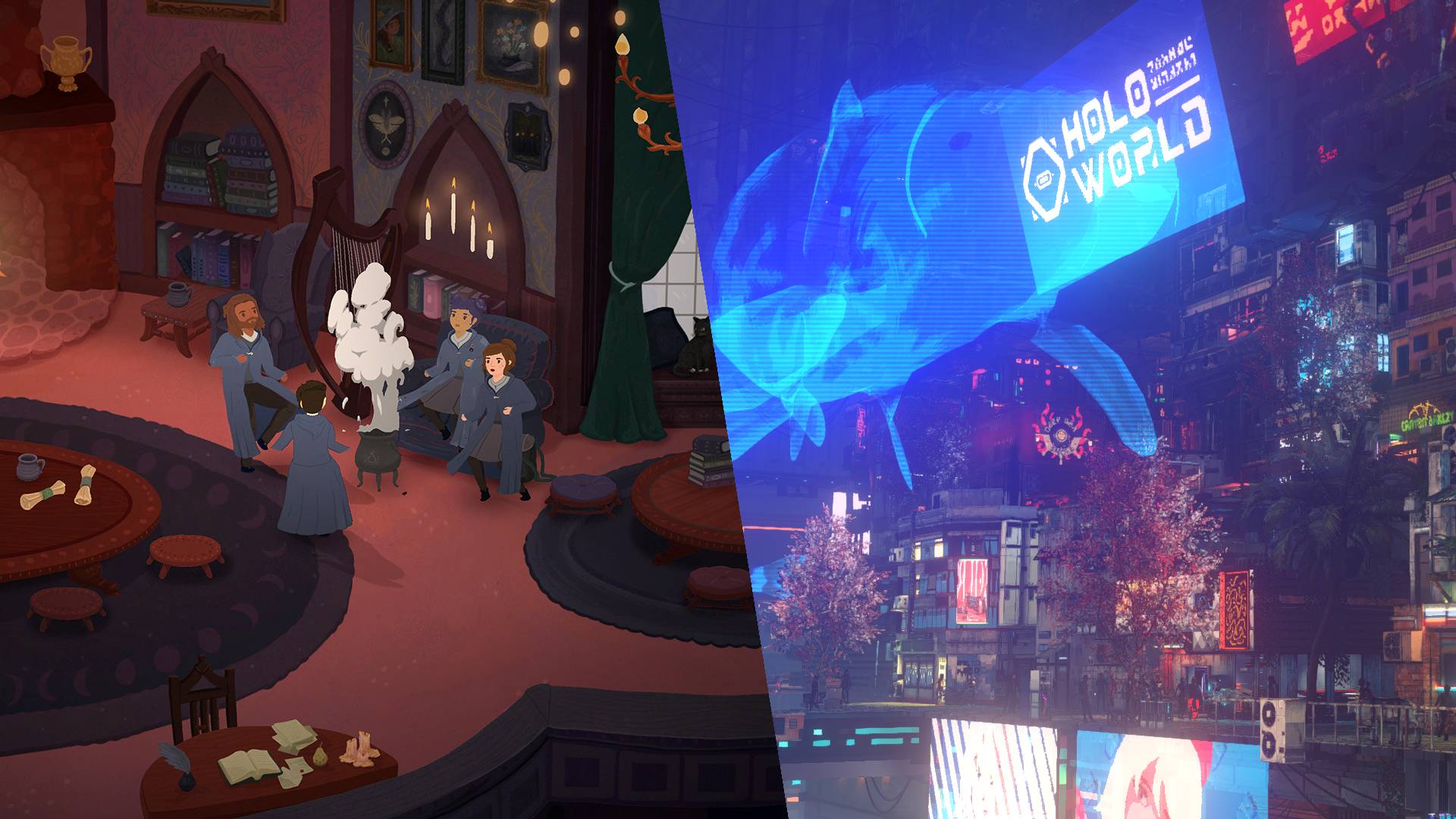
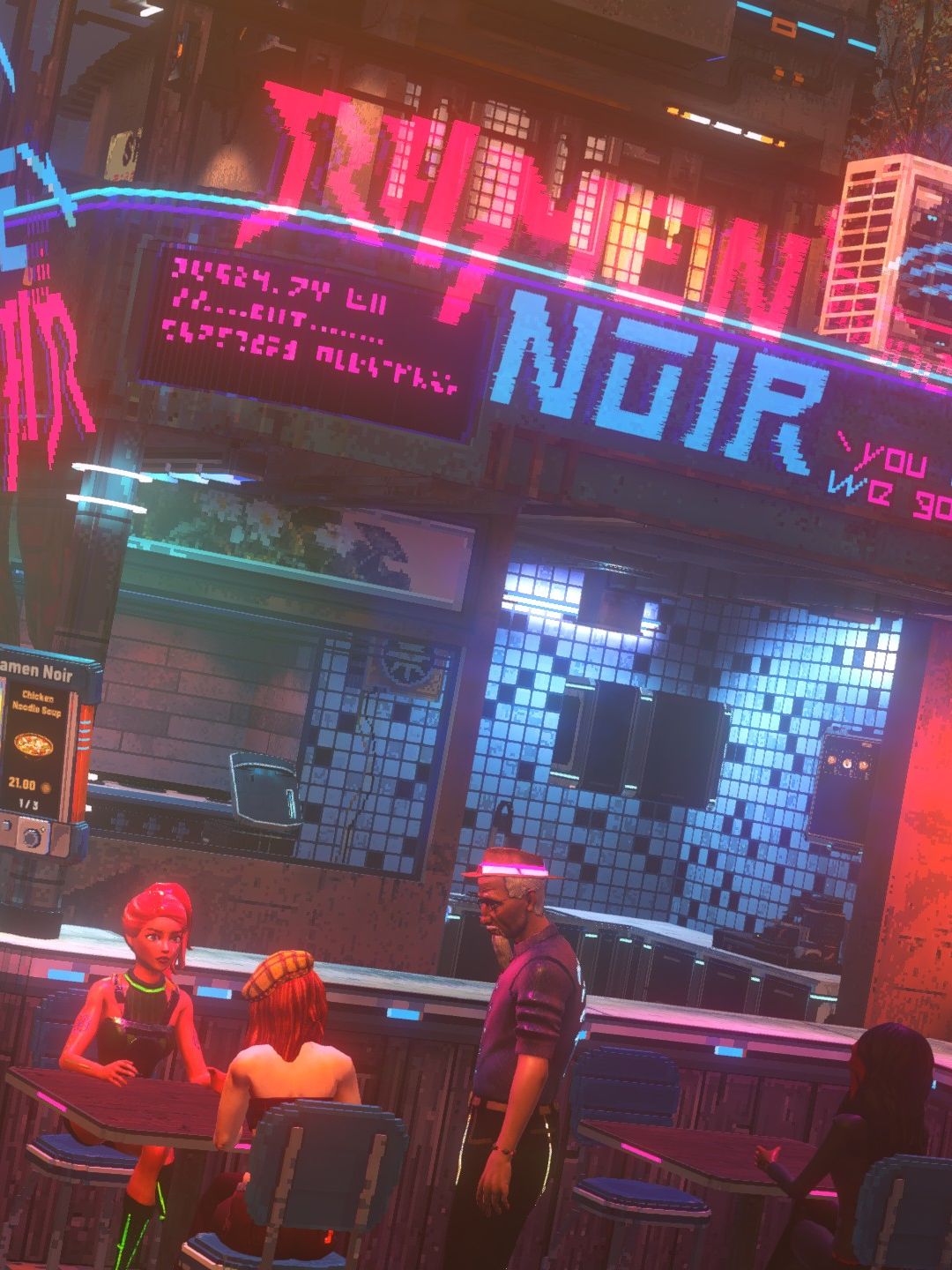
Nivalis Nights has been on the radar of many players for years. As a spin-off and companion piece to the broader Nivalis project, it leans into the "slice of life" aesthetic through the lens of a gritty, rain-slicked cyberpunk metropolis. Players aren’t just farming crops; they are managing a noodle bar in a world where the sun never seems to truly rise.
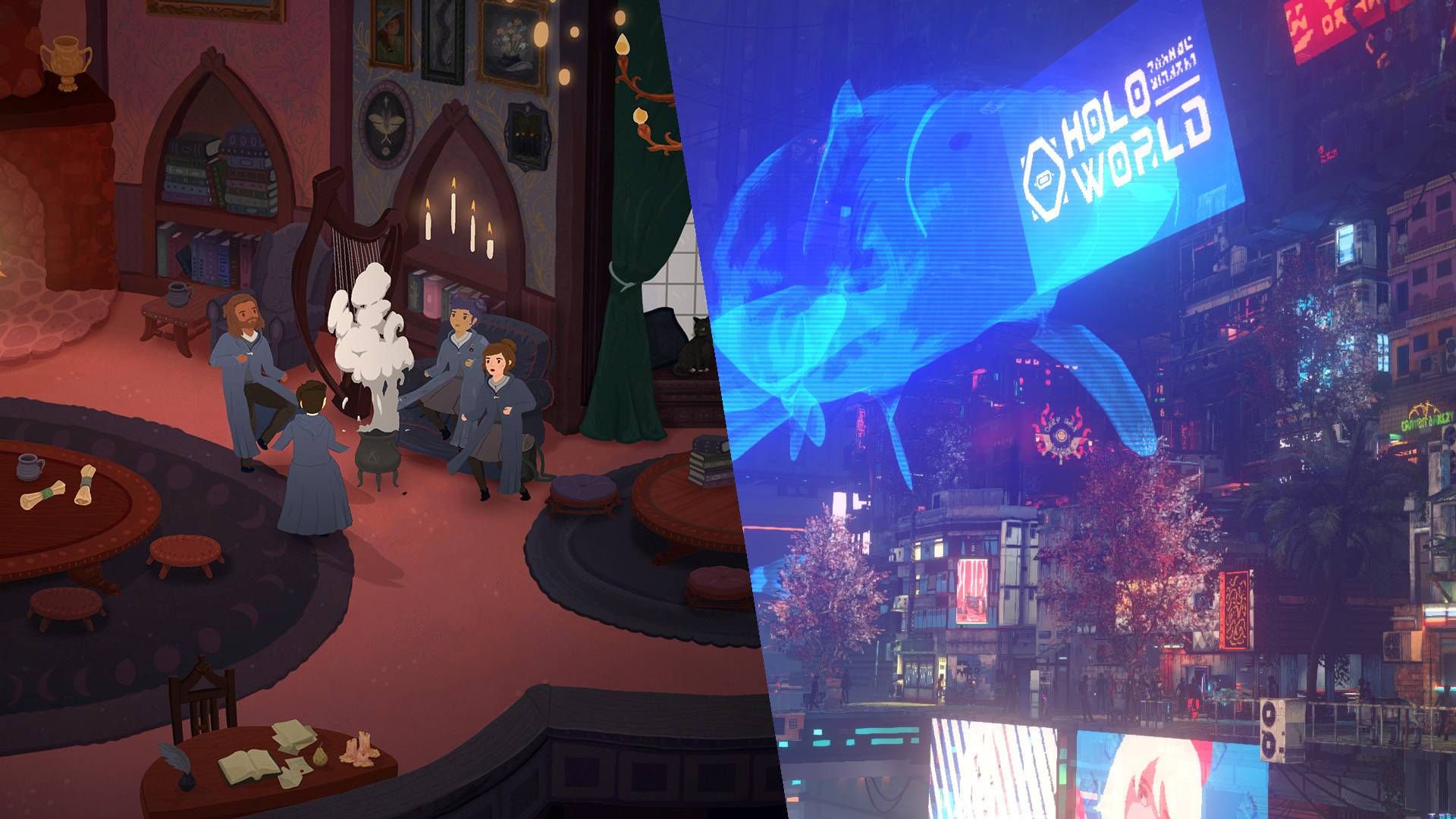
The game is a masterclass in atmosphere. The neon-drenched visuals, the sound of rain against glass, and the hum of a futuristic city create a mood that is undeniably addictive. Unlike many life sims that prioritize gentle pastoral rhythms, Nivalis Nights introduces a surprisingly robust economic layer. Players must navigate supply chains, manage shop finances, and cater to a diverse array of cyber-citizens. It is a game of nightly progression—a granular, satisfying loop that rewards the meticulous micro-manager.
Songs of Glimmerwick: A Musical Education
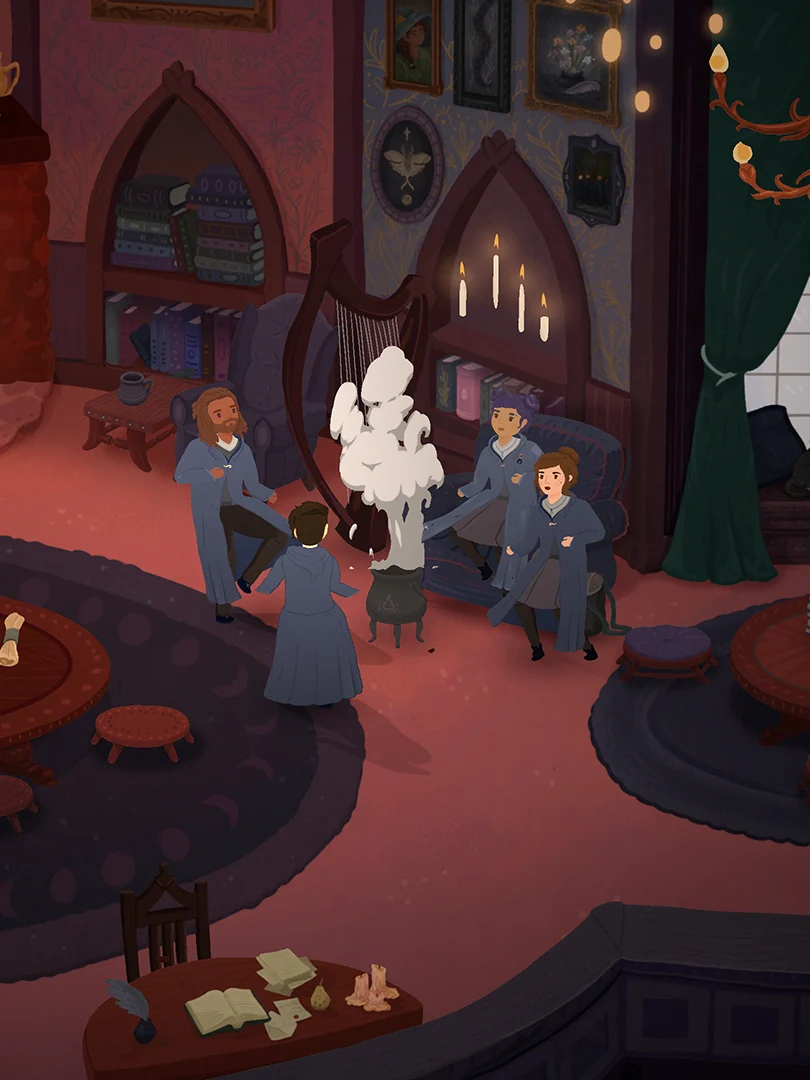
Conversely, Songs of Glimmerwick offers a more traditional, yet deeply innovative, take on the "wizard school" fantasy. While it shares the Stardew Valley DNA of seasonal schedules and gardening mechanics, it pivots away from combat or hyper-industrialization toward a more whimsical, melodic experience.
The core hook of Songs of Glimmerwick is its reliance on music as a mechanic for magic. Casting spells involves learning songs, and the world-building is intentionally hopeful. The developers have crafted a narrative that explores a society recovering from a period of regressive politics, infusing the gameplay with a sense of gentle optimism that is rare in the genre. For those who enjoyed the early demos, the appeal lies in the voice acting, the character-driven interactions, and the "ethically sourced" approach to the magical academy trope.
Chronology of Anticipation
The journey to this dual launch has been years in the making. Both titles emerged from small, dedicated studios—Nivalis from ION Lands and Songs of Glimmerwick from the creators at Eastshade Studio—each fostering communities that have followed their development cycles with eagle-eyed precision.
- 2021–2022 (The Tease): Early concept art and short gameplay snippets began circulating. Songs of Glimmerwick gained traction during various Steam Next Fest events, where its demo was widely praised for its polish and unique spell-casting system. Nivalis Nights drew in fans of the original Cloudpunk universe, promising a deeper look into the day-to-day survival of its inhabitants.
- 2023 (The Refinement): Both teams entered the "polishing" phase. Developers held regular dev-logs, sharing insights into the challenges of balancing a shop-sim economy or recording orchestral scores for a magical school.
- The Final Quarter (The Convergence): In a turn of events that likely caught both development teams off-guard, the release windows converged. While game development is notoriously unpredictable—often resulting in delays—the alignment of these two titles created a bottleneck for the "cozy" demographic.
Supporting Data: The Rise of the Life Sim
The tension caused by this release overlap is a testament to the surging popularity of the life simulation genre. According to data from industry analytics, the "cozy game" category has seen a 40% year-over-year increase in active player count since 2020.
Players are increasingly seeking "low-stress, high-reward" gaming experiences. This is not merely a trend but a shift in player demographics. The average age of a gamer is rising, and with it, a desire for games that provide a sense of agency and home-building rather than twitch-reflex combat. Nivalis Nights and Songs of Glimmerwick occupy different ends of this spectrum—the "gritty, productive urbanite" versus the "magical, whimsical student"—yet they both tap into the same fundamental human desire: the need to cultivate a space and watch it grow.
Official Responses and Developer Perspectives
While the fans are in a state of self-imposed panic, the developers have largely viewed the competition with a sense of mutual respect. In a recent press release, representatives from Eastshade Studio noted that "the world is big enough for many kinds of magic."
Similarly, the team behind Nivalis Nights has encouraged players to take their time. "Our game is designed to be a nightly companion," one developer remarked during a recent stream. "It isn’t a race. It’s a place to exist at the end of a long day."

This collaborative, rather than adversarial, stance is standard in the indie scene. Most developers realize that the "cozy gamer" is a multi-game player; they rarely stick to one title for an entire year. Instead, they curate a "rotation" of games. The current challenge is simply deciding which title earns the "primary" slot in that rotation for the next month.
Implications for the Future of Cozy Gaming
The simultaneous launch of these two titans of the genre signals a maturing market. When a genre becomes "crowded," it usually implies that developers are confident in the longevity and sustained interest of that audience.
However, this also presents a logistical hurdle for independent studios. For marketing teams, the "noise" created by a simultaneous launch can be detrimental. When two high-quality titles compete for the same front-page real estate on storefronts like Steam, the risk of one being overshadowed is significant.
For the player, the implications are more existential. We are entering an era where there is simply too much quality content. The "backlog" is no longer just a list of games to finish; it is an impossible mountain of experiences. The necessity of choosing between a neon-lit noodle bar and a magical gardening school is the ultimate "first-world problem" of the digital age, yet it is one that highlights the vibrancy and diversity of modern game design.
Final Verdict: Which One Should You Pick?
If the reader finds themselves caught in this dilemma, the decision should come down to the vibe of the desired escapism.
If you are craving a game that rewards systems-thinking, aesthetic appreciation of urban decay, and the satisfaction of building a business from the ground up, Nivalis Nights is the clear winner. It is a game that respects your time and your desire for depth.
If you are looking for emotional resonance, a sense of wonder, and a narrative that feels like a warm blanket on a cold day, Songs of Glimmerwick is the superior choice. Its focus on interpersonal relationships and the whimsy of magic offers a restorative experience that few other games can match.
Ultimately, there is no wrong answer. Both games are testaments to the creativity of the indie sector. Perhaps the most "cozy" solution is to accept that you don’t have to play them both at once. They will be there when you are ready—the noodles will stay hot in the neon city, and the magic of Glimmerwick will wait for your return. The only thing you truly have to lose is your sleep schedule.

