

For nearly a decade, American Truck Simulator (ATS) has occupied a unique, meditative niche in the gaming landscape. Developed by SCS Software, the title has long served as a digital sanctuary for those seeking the rhythmic, hypnotic satisfaction of long-haul logistics. Yet, even the most dedicated simulator fans occasionally yearn to trade the heavy-duty diesel engine of a semi-truck for the nimble handling of a passenger vehicle.
With the recent launch of the Road Trip: Ford DLC, that desire has been realized, resulting in a seismic shift in the game’s popularity. By pivoting from heavy industrial freight to iconic consumer automotive staples, SCS Software has not only expanded the gameplay loop but has also shattered the game’s historical player count records, proving that there is a massive audience eager for the open road—regardless of what they are driving.
The Evolution of the American Open Road
Since its initial release in 2016, American Truck Simulator has been defined by its commitment to the "trucker" fantasy. Players manage fuel costs, weigh stations, and delivery deadlines across a sprawling, virtualized map of the United States. While the game has received numerous map expansions—bringing players from the deserts of Nevada to the forests of Washington and beyond—the core gameplay remained tethered to the 18-wheeler.
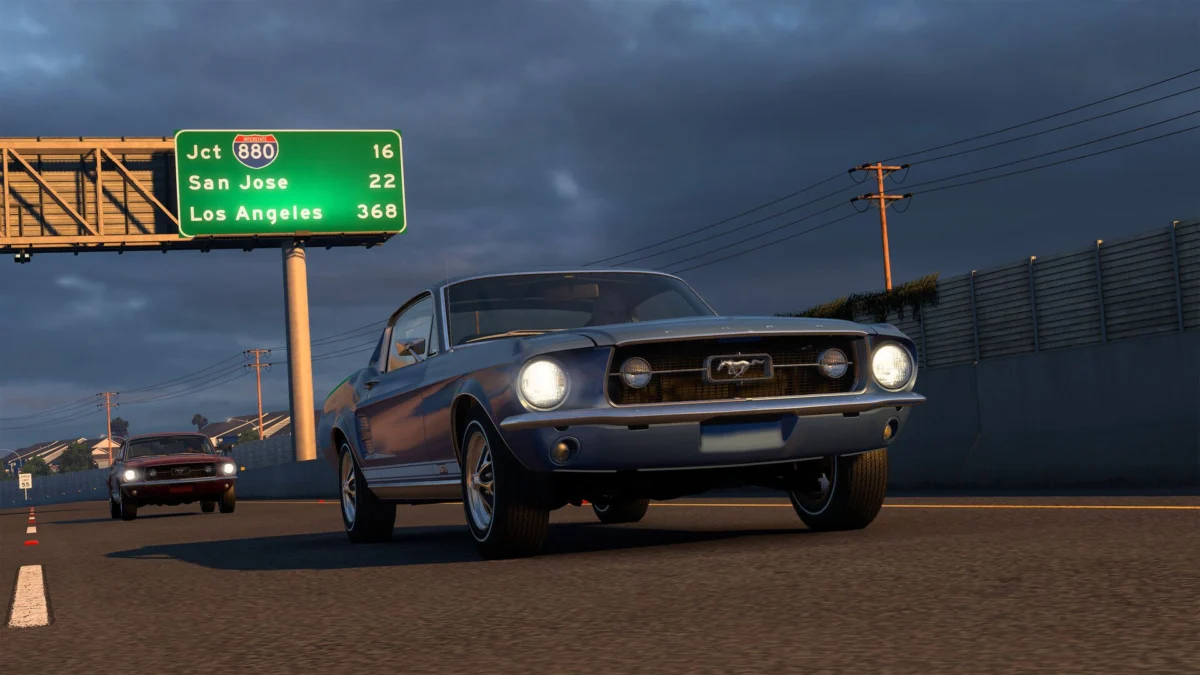
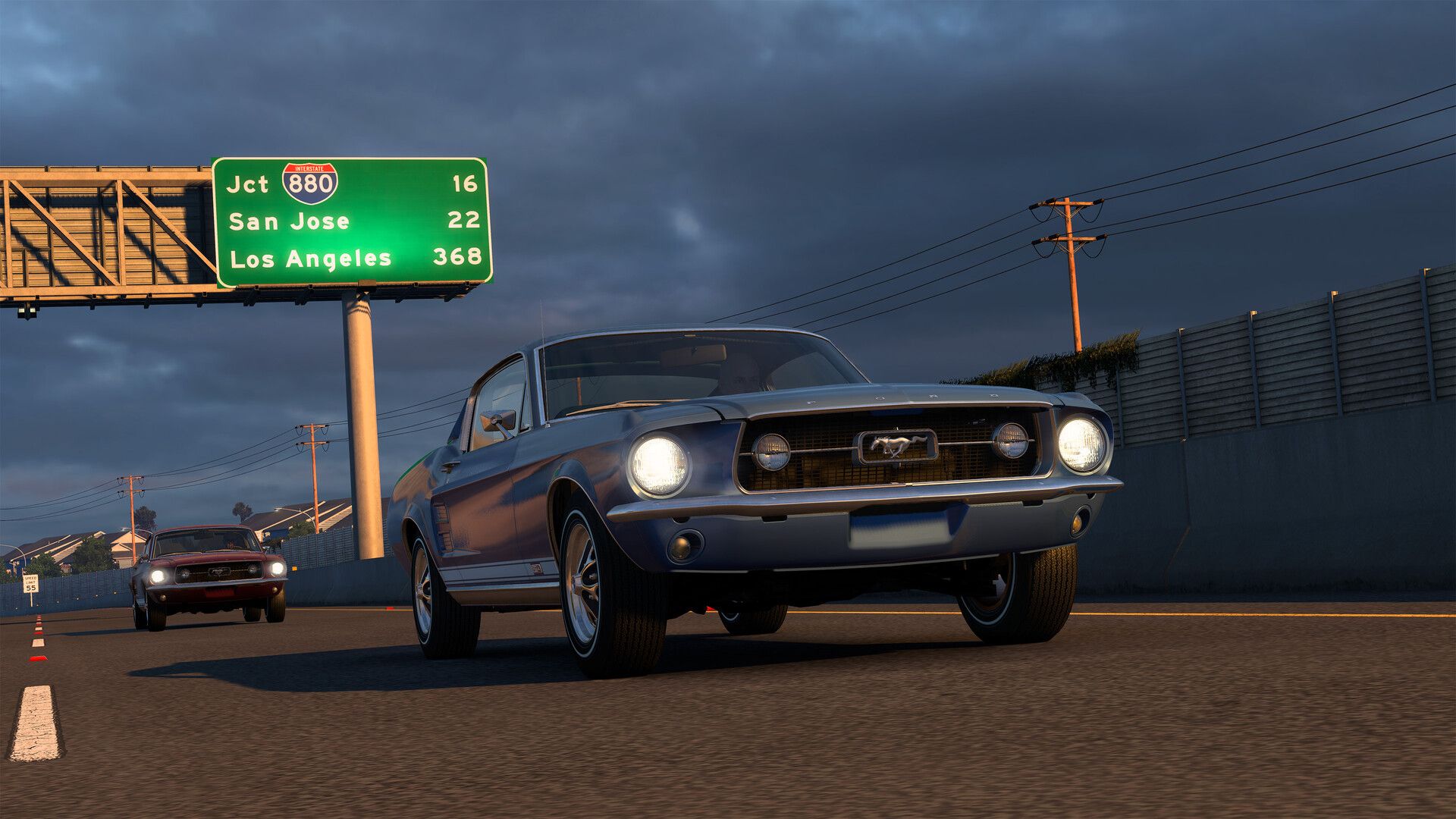
The introduction of the Road Trip: Ford DLC marks a definitive departure from this strictly utilitarian focus. For the price of $7.99, players gain access to a curated collection of Ford’s most iconic vehicles: the rugged F-150, the adventurous Bronco, the classic Crown Victoria, and the legendary 1967 Mustang.
This expansion is more than a mere cosmetic update; it fundamentally alters the player’s relationship with the environment. By removing the constraints of a massive trailer, the game shifts from a logistics challenge to a grand-touring experience. Players are no longer tethered to delivery hubs; they are free to engage in the quintessential American pastime: the road trip.
Chronology: From Launch Day to Record-Breaking Success
The journey to this record-breaking moment began with a series of subtle teases from SCS Software regarding potential automotive collaborations. However, the official reveal of the Ford license—a major coup for the simulator genre—generated immediate excitement within the simulation community.
- Announcement: Following months of speculation, SCS Software confirmed the partnership with Ford, signaling the inclusion of real-world consumer vehicles.
- The Launch: On the day of the release, the influx of players was immediate. The game servers and the Steam platform saw a rapid uptick in activity as veteran truckers and newcomers alike logged in to test the new Ford models on familiar asphalt.
- The Milestone: By the afternoon of the release, SteamDB—the authoritative source for Steam statistics—recorded a staggering concurrent player peak of 21,318. This figure eclipsed the previous all-time high set at the game’s launch in 2016, which stood at 19,138.
This achievement is particularly noteworthy given the aging nature of the game’s engine. In an industry where titles often see a rapid decline in interest after their initial release window, American Truck Simulator has demonstrated a rare, steady, and resilient growth curve.
Supporting Data: Why the Numbers Matter
To understand the significance of 21,318 concurrent players, one must look at the nature of simulator gaming. Unlike battle royale titles or competitive shooters that rely on explosive, short-term engagement, simulators are "slow-burn" games. They require patience, time, and a degree of dedication that few casual players possess.
For a game like American Truck Simulator to break a record set during its launch period—when marketing hype was at its absolute peak—is a testament to the health of the community. According to Steam analytics, the game’s player base has been consistently trending upward over the past three years. This isn’t just a "flash in the pan" spike caused by a sale; it is the result of a deliberate, multi-year strategy by SCS Software to deepen the simulation experience through high-quality map additions, improved graphics, and now, diverse vehicle types.
The Road Trip: Ford DLC serves as a bridge, inviting a demographic that might have found the prospect of learning to drive an 18-wheeler intimidating, but who are more than comfortable taking a Mustang for a cruise down Route 66.
Official Responses: The Developers Speak
SCS Software, known for its transparent and community-focused development style, expressed genuine gratitude following the surge in player interest. In a statement posted to the social platform Bluesky, the developer acknowledged the milestone with humility:
"American Truck Simulator’s all-time concurrent player record has been broken. Over 20,000 of you are currently in-game, either behind the wheel of a truck or hitting the road with our Road Trip: Ford DLC! We cannot thank you enough for your support over the years."
This acknowledgment highlights the symbiotic relationship between the developers and their player base. By actively listening to requests for licensed passenger vehicles, SCS Software has shown that it is responsive to the evolution of player interests, ensuring the game remains relevant in a crowded market.
Implications for the Future of Simulation Gaming
The success of this DLC carries significant implications for the future of the genre.
1. Diversification of Gameplay
The success of the Ford expansion proves that players want more than just the "trucking" aspect of American Truck Simulator. It opens the door for potential future expansions involving emergency vehicles, luxury cars, or even motorcycles. The game is no longer just a "truck simulator"; it is becoming a "digital road simulator," where the journey is more important than the cargo.
2. The Power of Licensing
The Ford partnership sets a precedent for future collaborations. The inclusion of real-world brands adds a layer of authenticity that is difficult to replicate with generic assets. If SCS Software can continue to secure partnerships with major automotive manufacturers, the game could evolve into a comprehensive virtual archive of American automotive history.
3. The "Meditation" Factor
Perhaps the most profound implication is the continued viability of "slow games." In a gaming market that is increasingly characterized by high-octane competition and aggressive monetization, the success of a game that asks players to simply drive from Point A to Point B is a refreshing counter-narrative. It suggests that players are hungry for experiences that provide relaxation, escapism, and a sense of place.
As one cruises down the digital highways of the American West in a ’67 Mustang, the political and economic anxieties of the real world seem to fade into the rearview mirror. The game provides a mythologized, idealized version of the American road—one of apple pie, vast horizons, and the quiet satisfaction of a well-maintained engine.
Conclusion: A Road Well Traveled
The record-breaking success of American Truck Simulator following the Road Trip: Ford DLC launch is more than just a win for SCS Software; it is a victory for the simulation genre as a whole. It proves that with thoughtful development, a clear understanding of the player base, and the courage to iterate on core concepts, a game can not only survive for nearly a decade—it can thrive.
Whether you are a seasoned veteran of the long-haul trucking life or a newcomer looking for a digital escape behind the wheel of a classic car, the roads of American Truck Simulator are more inviting than ever. As the player base continues to climb, one thing remains clear: the highway is long, the scenery is beautiful, and for over 21,000 players, it is exactly where they want to be.

