

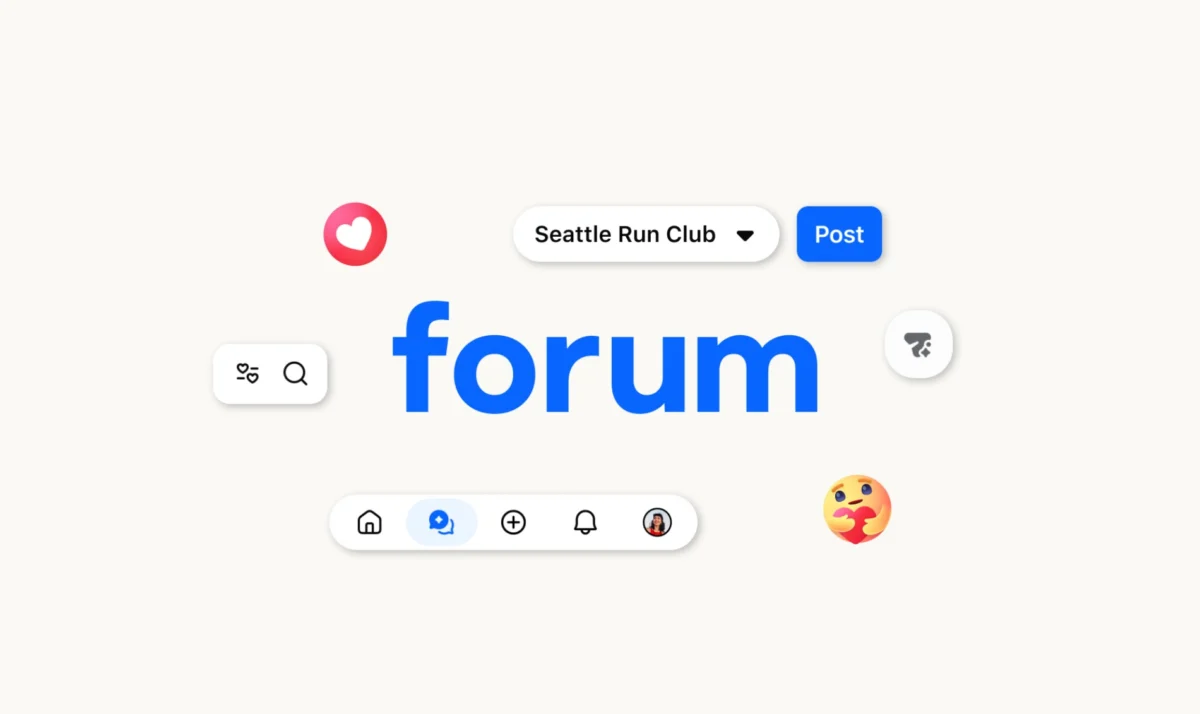
Dust off your digital archives and prepare to revisit the early internet era. Meta has officially unveiled Forum, a standalone application dedicated entirely to the Facebook Groups experience. After months of clandestine testing since May, the tech giant is finally pulling back the curtain on an app designed to centralize community interactions, streamline discovery, and reinforce Facebook’s position as a cornerstone of digital social life.
For many, the launch of Forum feels like a trip down memory lane, evoking the golden age of message boards, HTML signatures, and niche online subcultures. Yet, underneath the nostalgic moniker lies a sophisticated, AI-driven machine designed to transform how users engage with their digital communities.
The Core Concept: Unpacking the Forum App
To understand the strategic importance of Forum, one must look at the evolution of the Facebook ecosystem. The company has successfully compartmentalized its core features over the years; just as Messenger evolved into a distinct powerhouse for private communication, Forum is designed to be the primary destination for community-based interaction.
At its most basic level, Forum acts as a central command center for all of a user’s Facebook Groups. Instead of navigating the cluttered, algorithmically-driven main Facebook feed to find updates from a hobby group or a neighborhood association, users can now open a dedicated portal where these communities take center stage.
Streamlined Discovery and Topic Mapping
The hallmark of the new app is its emphasis on discovery. Meta has introduced a tagging system that categorizes posts by topic—such as "Solo Travel," "Korean Food," or "Urban Gardening." By tapping these labels, users are transported into a curated feed of conversations across the platform that share those specific themes, regardless of whether the user is already a member of those specific groups. This functionality turns the static "group" model into a fluid, interconnected network of shared interests.
Chronology of the Development
The path to the release of Forum has been characterized by careful, iterative development.
- Early 2026: Initial whispers regarding a standalone "community app" began circulating among tech leakers and developers tracking Meta’s backend changes.
- May 2026: Meta officially initiated a closed beta test, inviting a select cohort of power users and community admins to trial the interface.
- Summer 2026: During the testing phase, the app was frequently compared to Reddit, leading to widespread speculation that Meta was aiming to capture the "front page of the internet" market share.
- September 2026: Following months of refining the user interface and optimizing the discovery algorithm, Meta moved to a public launch, signaling that the platform is ready for mass adoption.
The AI Integration: Beyond Just a Message Board
While the name "Forum" suggests a low-tech, retro aesthetic, the architecture behind the app is firmly rooted in the era of Generative AI. Meta has integrated several intelligent features designed to help users navigate the sheer volume of content within these communities.
The ‘Ask’ Cue
Perhaps the most significant addition is the "Ask" cue—a conversational AI interface that allows users to query their groups. If a user is part of a large, high-traffic group, finding specific historical advice or consensus can be daunting. The Ask feature synthesizes information from group threads to provide direct, relevant answers, essentially turning the group’s collective knowledge into an accessible database.
Human-Centric Features: ‘Top Voices’
Meta has also prioritized the human element to ensure the app doesn’t feel like an empty, bot-filled void. The "Top Voices" label replaces the outdated "Contributor" badges of the past. This feature elevates long-term, high-quality contributors, providing a layer of authority and expertise that the AI cannot replicate. It gamifies participation while simultaneously helping users identify reliable sources of information within their niche communities.
Market Implications: Meta vs. The Internet Ecosystem
The launch of Forum arrives at a pivotal moment in the tech industry. For the past several years, platforms have been caught in a tug-of-war between maintaining social connections and optimizing for AI-driven "answer engines."
The "Reddit Effect"
For a long time, Reddit served as the primary training ground for Large Language Models (LLMs) because of its structured, threaded, and highly conversational nature. As platforms like YouTube, Google, and even Facebook began to notice the value of this conversational data, they realized that their own ecosystems—specifically their groups and comment sections—were underutilized goldmines.
By launching Forum, Meta is effectively attempting to repatriate the traffic that was migrating toward Reddit. If Meta can successfully convert its massive user base into a self-sustaining discovery engine, it could significantly diminish the reliance on external platforms for niche information seeking.
The Shift to "Recommendation Engines"
This is not an isolated development. It is part of a broader, systemic reimagining of how we "websurf." Meta has been systematically transforming its products—Marketplace, the video feed, and now Groups—into recommendation engines. The goal is to keep the user within the "walled garden" for as long as possible. By turning communities into content discovery hubs, Meta is betting that users will prefer a curated, AI-assisted experience over the "wild west" of the open web.
Official Responses and Future Outlook
In an official blog post accompanying the launch, Meta stated: "On Forum, we’re testing a new way to explore your interests. You may start to see topic labels on posts… making it easier to dive deeper into the things you care about."
This, however, is likely only the beginning. Industry analysts suggest that if Forum gains traction, Meta will likely integrate monetization strategies, such as promoted "Topic" feeds or brand-sponsored community challenges. The challenge will be balancing this commercialization with the authentic community feel that the app is attempting to mimic.
Implications for Creators and Communities
For the creator economy, the implications of Forum are profound.
- Direct Engagement: Creators who have built communities on Facebook now have a dedicated space to nurture their audience without competing with the chaotic noise of the main Facebook News Feed.
- SEO and Visibility: With the introduction of topic labels, content within groups is no longer siloed. A high-quality post in a small group could theoretically be surfaced to a much wider audience, increasing the reach of niche experts and influencers.
- Community Management: The "Top Voices" feature gives moderators more tools to maintain quality control. By highlighting experts, moderators can set a higher bar for the quality of information shared, potentially reducing the spread of misinformation that has historically plagued massive online groups.
Conclusion: The Road Ahead
Is the world ready for a return to the forum age? Meta’s move suggests they believe the pendulum is swinging back. In an era of infinite scroll and short-form video, there is a palpable fatigue among users who are seeking deeper, more structured, and more meaningful connections with like-minded individuals.
The success of Forum will depend on its ability to strike a delicate balance: it must be smart enough to help users navigate the noise, but human enough to foster genuine interaction. If Meta succeeds, Forum could well become the next essential pillar of the social web, proving that even as technology advances toward the future, the most valuable currency remains the community.
Whether this becomes the definitive "front page of the internet" or simply another tool in the Meta arsenal remains to be seen. But one thing is clear: the era of the Forum has returned, and it is powered by more intelligence—both artificial and human—than ever before.

