

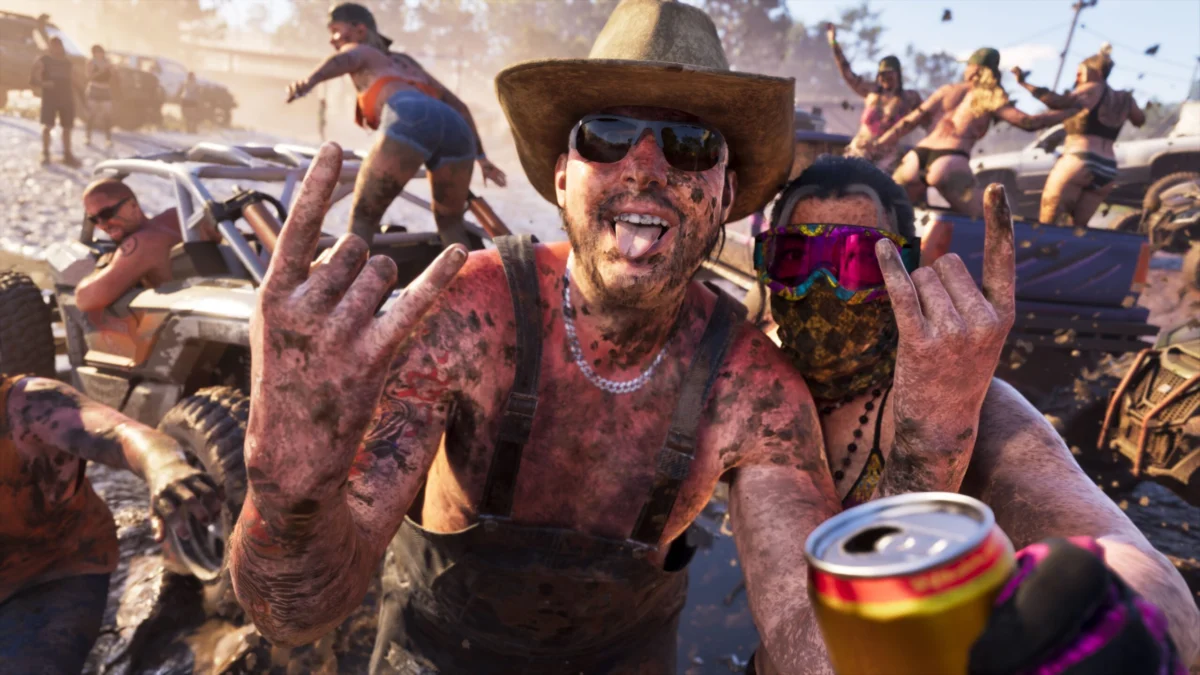
As the gaming industry prepares for the seismic event that is the November 19 launch of Grand Theft Auto 6, the atmosphere is thick with a mixture of awe and trepidation. Rockstar Games’ latest entry is not merely a product; it is a cultural juggernaut poised to become the most successful launch in the history of interactive entertainment. With millions of pre-orders already secured and a marketing presence that defies traditional metrics, GTA 6 has become a black hole in the industry’s landscape, exerting a gravitational pull so powerful that major publishers are scrambling to clear their schedules. Yet, amidst the exodus of AAA titles fleeing the "attention buzz saw," a small cohort of indie developers is choosing to stand their ground, turning the industry’s biggest day into a stage for their own defiance.
The Magnitude of the Moment: By the Numbers
To understand the industry’s defensive posturing, one must first quantify the scale of the GTA 6 phenomenon. The title has effectively rewritten the rulebook for pre-release hype. According to data from Sensor Tower, the game has already generated over $550 million in revenue, a staggering figure for a product that is still weeks away from its official release date. Most striking is the consumer behavior: the vast majority of the 5.6 million pre-orders recorded are for the $100 "Ultimate Edition," signaling a level of brand loyalty that few other franchises can dream of.
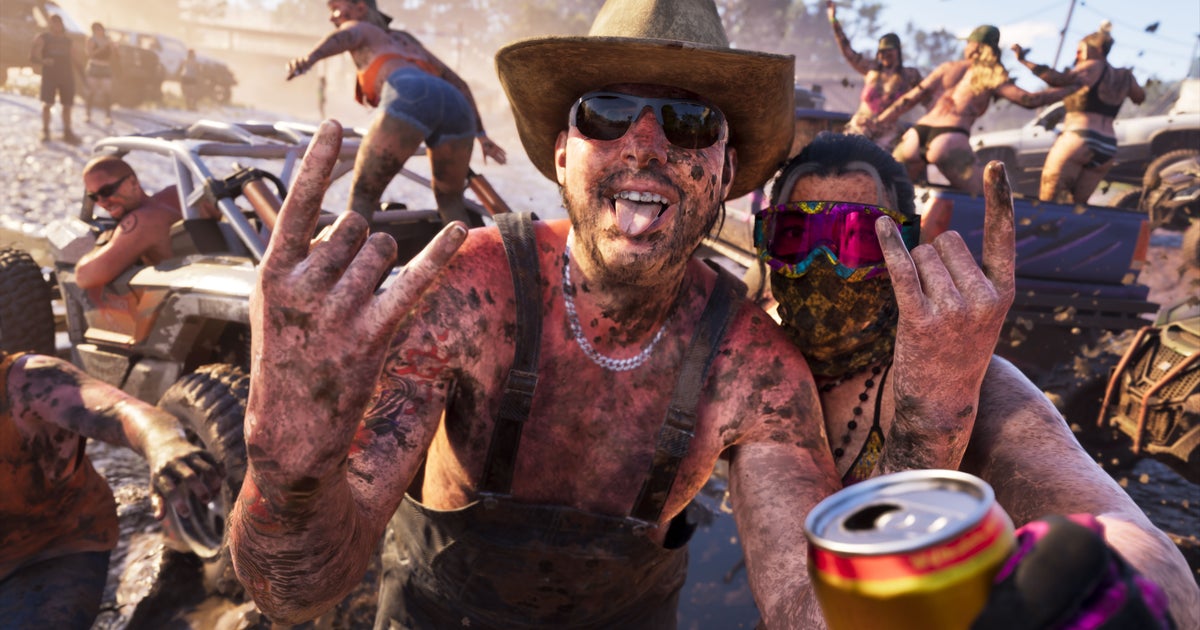
The "extended look" preview, released in August, serves as a harbinger of the game’s reach. It garnered over 31 million views on Netflix within just four days, proving that GTA 6 has successfully crossed the chasm from gaming niche to mainstream cultural event. Analysts suggest the game’s development budget, estimated to range between $1 billion and $1.5 billion, necessitates an unprecedented commercial performance—potentially requiring upwards of 28 million unit sales just to reach the break-even point. This level of investment has sent shockwaves through the corporate world, forcing peers to pivot. Microsoft-owned Xbox, for instance, has delayed the highly anticipated Fable until 2027, and Cloud Imperium Games has pushed Squadron 42 into next year, explicitly citing the need to avoid the "attention buzz saw" of the Rockstar release.
A Chronology of Defiance
While the industry consensus is to retreat, the timeline of November 19 has become a battleground for a different kind of strategy. In the weeks leading up to the launch, the conversation has shifted from "How do we survive?" to "How do we differentiate?"

- August: The "Extended Look" trailer drops, confirming the release date and sparking widespread industry anxiety.
- September: Major publishers (Microsoft, Cloud Imperium) begin officially announcing delays for Q4 2026 titles.
- Early October: Indie studios, led by Fairy Mount Games and Doinksoft, announce their intent to launch on November 19, framing their releases as intentional alternatives to the blockbuster.
- Late October: Marketing campaigns for indie titles begin to lean into the "anti-GTA" narrative, focusing on platform exclusivity and genre differentiation.
- November 19: The "Day of the Vortex." The industry will see whether the strategy of contrast pays off or if these smaller titles are swept away by the sheer volume of GTA 6 coverage.
The Case for Contrast: Fairy Mount and Devolver Digital
Not everyone is intimidated by the billion-dollar shadow of Rockstar Games. Blazej Zywiczynski, CEO of Fairy Mount Games, is set to release the strategy title Flame, Forest and Flood on the same day as GTA 6. For Zywiczynski, the decision is a philosophical statement.
"This is the Barbie versus Oppenheimer of the gaming world," Zywiczynski asserts. "On one hand, you have a decades-old, established franchise that thrives on chaos. On the other, you have a title made with care that invites players to engage in a way that is cozy, inclusive, and fundamentally different."

He argues that the "scope creep" inherent in massive open-world simulators leaves a void for players who want something more intimate. Flame, Forest and Flood is designed to be played with friends and family—even those who aren’t traditional gamers—providing a direct counter-programming to the mature, often violent, and individualistic nature of Grand Theft Auto.
Similarly, Devolver Digital, a publisher renowned for its subversive marketing, is launching Volvy’s Adventure: Reslimed on the same day. "Why not?" asks brand strategist Robbie Paterson. By positioning their mascot-led platformer as the "biggest release on November 19" in a tongue-in-cheek campaign, Devolver is successfully generating noise through irony. "It’s an opportunity to have fun with the idea that our plucky mascot is the only thing with enough clout to go up against the biggest video game launch in over a decade," says Paterson.

Economic Realities and Sustainability
Beyond the marketing bravado, there is a serious economic debate occurring regarding the sustainability of the AAA model. Zywiczynski points out the disparity in risk: "If the reported budget of $1.5 billion for GTA 6 is true, they need millions of copies just to break even. For a title like ours, we reach our ROI at 30,000 units. It raises the question: is the industry’s obsession with massive, budget-bloated projects actually healthy for the ecosystem?"
This argument suggests that while the "blockbuster" model is impressive, it is also fragile. A smaller studio, operating on a lean budget, can find success in a crowded market by capturing a specific, loyal audience, rather than attempting to capture everyone. By selling their games at a lower price point and offering a focused experience, indie developers argue they are building a more resilient business model that is not entirely dependent on capturing the "average" gamer.

The Analyst Perspective: Is it a Strategic Suicide Mission?
Industry analysts, however, remain largely skeptical of the "launch alongside" strategy. Joost van Dreunen, CEO of the analyst firm Aldora, is blunt: "GTA 6 creates its own attention vortex. In an already cluttered marketplace, you are essentially burning marketing dollars for nothing. Any product launching that week is going to be invisible to the mainstream press."
Louise Wooldridge, a senior research manager at Ampere Analysis, offers a slightly more nuanced view. She notes that while GTA 6 is ubiquitous, it primarily competes for the attention of players who enjoy high-octane, action-adventure experiences. "There is still an audience that isn’t interested in GTA 6," Wooldridge explains. "A title that sits in a niche genre—a strategy game, a cozy game, or a family-focused title—can coexist because it isn’t fighting for the same player base."

Furthermore, Wooldridge points to the "PC Ploy." Because GTA 6 is launching exclusively on current-gen consoles (PS5 and Xbox Series X/S) on November 19, the PC market remains a sanctuary. "For Steam developers, this is a distinct window of opportunity," she notes. "The PC market is insulated enough that they can establish a foothold before the inevitable PC port of GTA 6 eventually arrives."
Implications for the Future of Games
The standoff of November 19 acts as a microcosm for the current state of the gaming industry. On one side, we have the apex of the traditional model: massive, expensive, and all-consuming. On the other, we have a growing ecosystem of independent creators who are finding that they don’t need to "out-shout" the giants—they simply need to be different.

The long-term implication is a potential bifurcation of the market. As AAA games continue to demand more time, money, and attention, the "middle class" of gaming may continue to shrink, forcing developers into either the "Blockbuster" or "Niche" category. If Flame, Forest and Flood or Volvy’s Adventure manages to find success, it will provide a blueprint for how smaller studios can survive in an era dominated by trillion-dollar tech giants.
Ultimately, whether these indie titles succeed or fail, their existence proves that the industry is not as monolithic as it seems. The GTA 6 vortex is undeniably powerful, but it cannot absorb every player, every taste, and every desire. By choosing to launch in the eye of the storm, these developers are betting that while the world will be watching Rockstar, a significant portion of the audience will be looking for something else entirely—and they will be there, ready to provide it.

