

By Tech Wire Daily Staff
Published September 2026
Main Facts
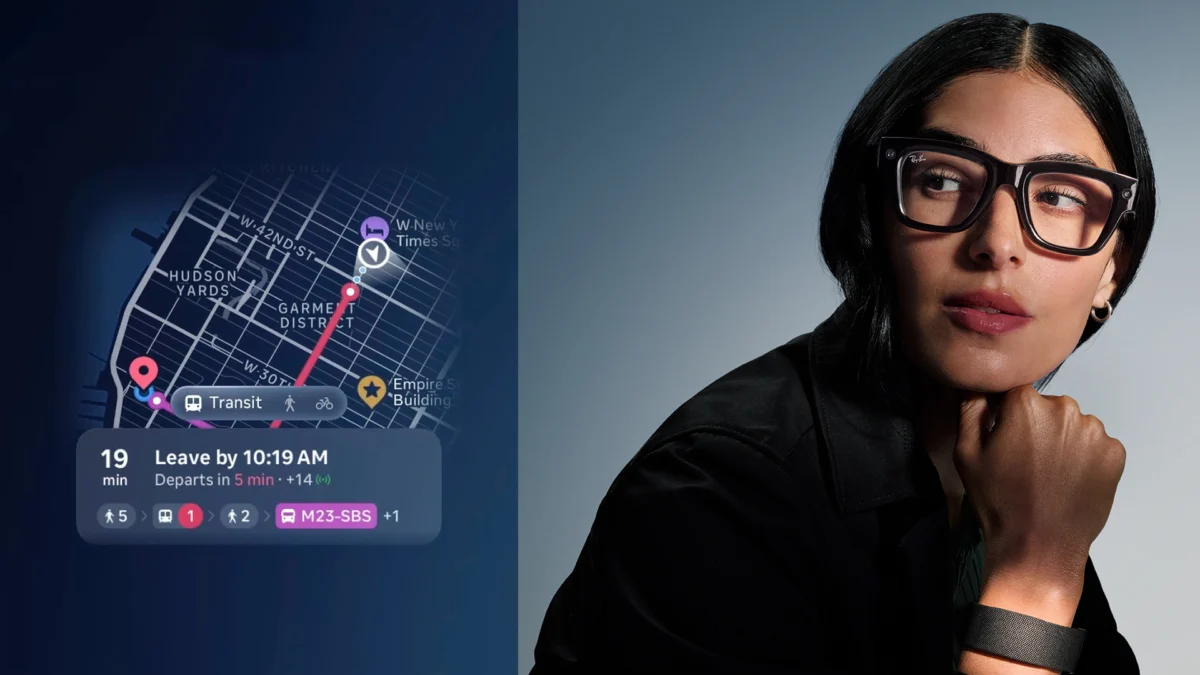
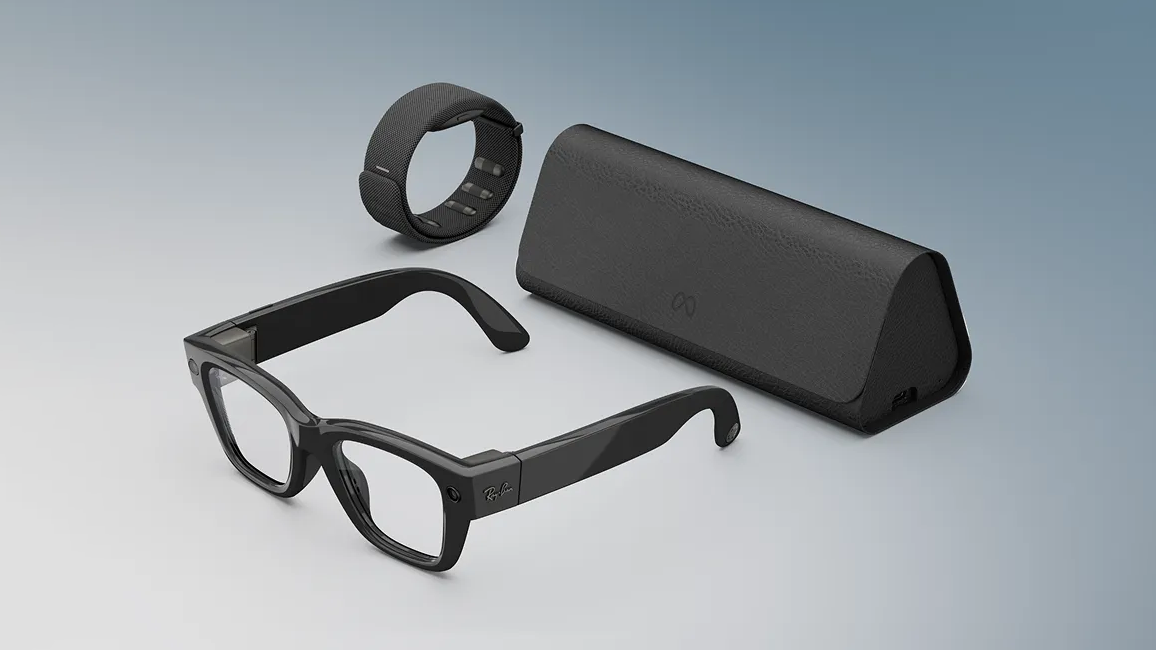
At its annual Connect 2026 conference, Meta made a series of sweeping announcements regarding the Meta Ray-Ban Display smart glasses. After grappling with unprecedented demand, supply chain constraints, and strict physical fitting prerequisites since their debut, the augmented reality (AR) HUD (Heads-Up Display) glasses are officially expanding beyond the United States.
Key updates revealed at the event include:
- Global Rollout and Online Ordering: Customers can now purchase the Meta Ray-Ban Display online without requiring a mandatory physical in-store demo or fitting. The glasses are launching immediately in the UK and Canada, with France, Italy, and Germany following on October 13.
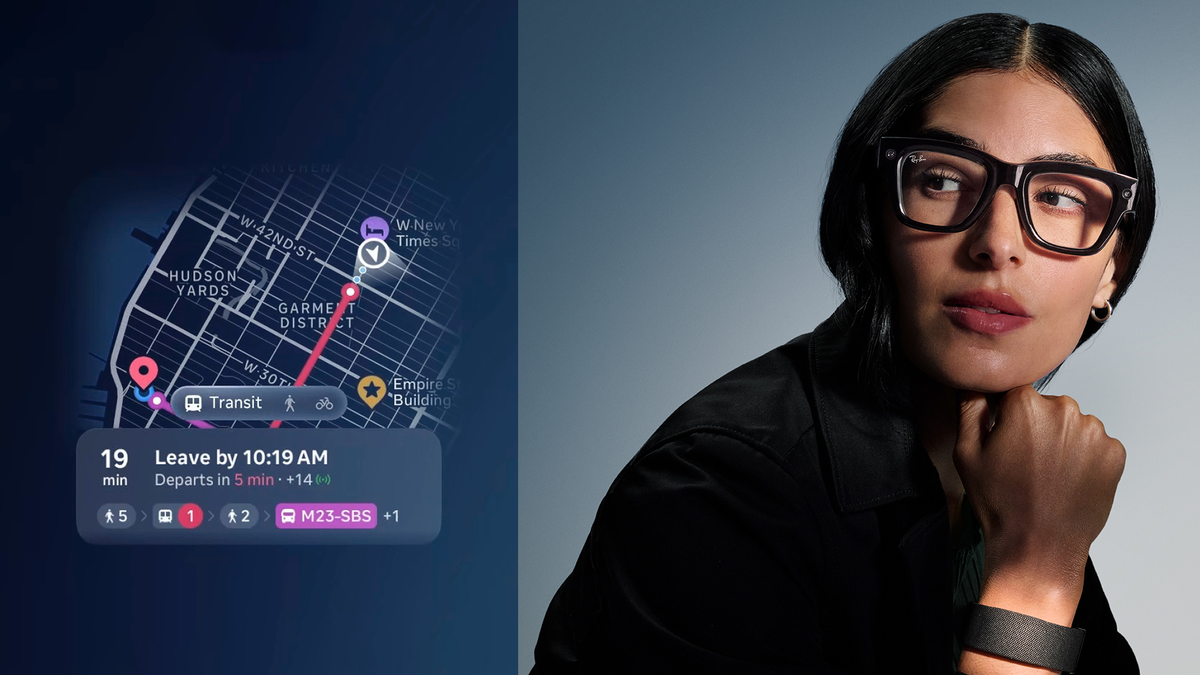
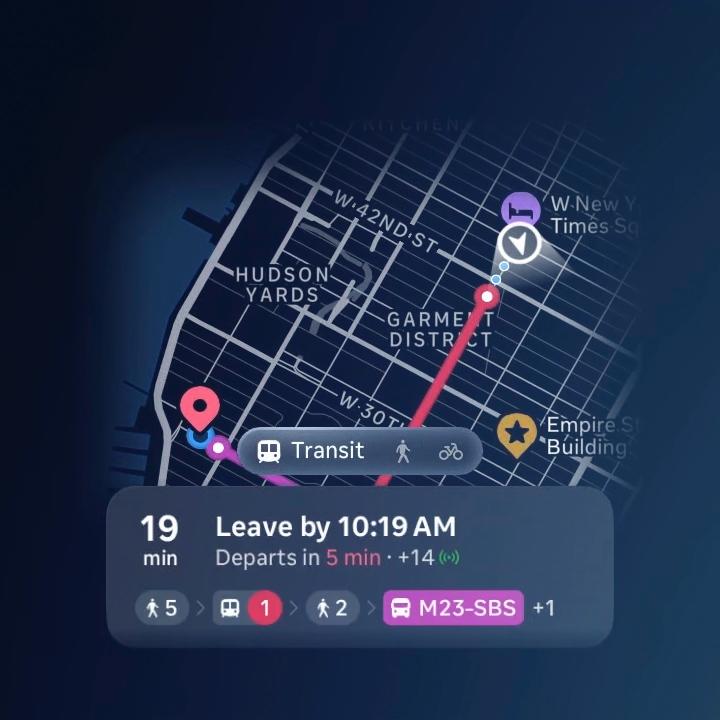
- Navigation Overhauls: Voice navigation has been made significantly more conversational, utilizing environmental landmarks rather than robotic street names. Cycling and public transit directions have also been added to the existing pedestrian navigation suite.
- Notification Controls: Meta is introducing granular notification settings, moving away from all-or-nothing mirroring to allow users to selectively silence unwanted app alerts.
- Third-Party App Explorer: A dedicated "Explore" app is rolling out later this year to help users discover, surface, and download third-party visual web apps developed for the Meta Neural Band ecosystem.
- ‘Hologram’ Avatars: Meta’s hyper-realistic, shoulders-up generative avatars are coming to WhatsApp video calls for US early-access users.
- Dedicated Calendar Integration: A new standalone Calendar app allows users to check attendee lists, accept or decline invites, and join meetings directly from the glasses interface.
Chronology: From Supply Constraints to Global Availability
The journey of the Meta Ray-Ban Display has been marked by high demand and logistical hurdles. Understanding how the product evolved from its initial launch to its current international footprint highlights Meta’s shifting hardware strategy.

Late 2025: The Initial Launch and Bottlenecks
- September 2025 (Connect 2025): Meta officially unveils the Meta Ray-Ban Display. At the time, company leadership projected a rollout to the UK, France, Italy, and Canada in early 2026.
- The Demo Mandate: To purchase the glasses, prospective buyers had to book a physical appointment at select retail locations. Attendants were required to measure customer wrist sizes to fit the accompanying Meta Neural Band correctly and customize prescription lenses on-site.
- Late 2025/Early 2026: Early adopters rushed to secure the device, quickly overwhelming supply chains. Within months, the Meta Ray-Ban Display sold out in nearly every available market, leaving consumers struggling to secure units and forcing Meta to re-evaluate its inventory pipelines.
January 2026: The Strategic Pause
- January 2026: Citing "unprecedented demand and limited inventory," Meta officially announced it was pressing pause on its planned international expansion into the UK, Europe, and Canada. The company focused its limited stock on stabilizing domestic availability while scaling up its retail partnerships.
Fall 2026: The Connect Breakthrough
- September 2026 (Connect 2026): Meta reverses its previous distribution bottlenecks. The company announces that online ordering is finally live, removing the cumbersome retail demo requirement for standard purchases—though localized fitting stores will remain open in major global cities for those wanting bespoke setups.
- Immediate Availability: Online orders open for the UK and Canada.
- Upcoming European Launch: France, Italy, and Germany are slated to receive the glasses on October 13, 2026.
Supporting Data: Pricing and Regional Rollout
Meta has outlined precise pricing structures and physical demo locations to support the international launch of the Ray-Ban Display.
Regional Pricing Breakdown
Currency conversions and local import taxes place the baseline pricing for the HUD smart glasses as follows:
- United Kingdom: Starting at £749
- Canada: Starting at CA$1,149
- Eurozone (France, Italy, Germany): Starting at €899
Physical Demo Hubs
While online purchasing no longer requires a store visit, Meta is doubling its physical retail footprint to support in-person demos, prescription fittings, and Meta Neural Band sizing. Prospective buyers can visit specialized retail installations in the following metropolitan areas:
- North America: Vancouver, Toronto
- United Kingdom: London
- Europe: Paris, Milan, Rome, Frankfurt, Hamburg, Munich
Official Responses and Software Upgrades
Beyond hardware availability, the software updates announced at Connect 2026 directly address critical user feedback and architectural shortcomings noted in early product reviews.
1. Natural Language Navigation and New Transit Modes
At launch, the navigation assistant was criticized for feeling clinical, relying on traditional text-to-speech street names. Meta’s updated navigation engine shifts toward contextual, human-like wayfinding. For instance, instead of instructing a user to "turn left at Third Street," the glasses will now say, "turn left at the yellow house ahead."
Furthermore, Meta has expanded transit modalities. While initial software supported only on-foot navigation, the updated firmware introduces dedicated routing for cycling and public transport. However, industry analysts note a lingering constraint: Meta’s mapping features remain restricted to select major cities—a notable drawback when compared to competing products from Snap and upcoming Samsung HUD offerings powered by Google software.

2. Granular Phone Notifications
Meta’s initial software launch suffered from a stark limitation: it refused to mirror general smartphone notifications, restricting alerts to built-in applets like SMS, WhatsApp, and Messenger. A subsequent patch overcorrected the issue by flooding the display with every incoming notification, offering zero customization.
At Connect 2026, Meta announced a balanced middle ground. Users will now have deep control over their alert stream, allowing them to selectively disable unwanted app notifications and maintain a cleaner, distraction-free field of view.
3. Third-Party App Explorer
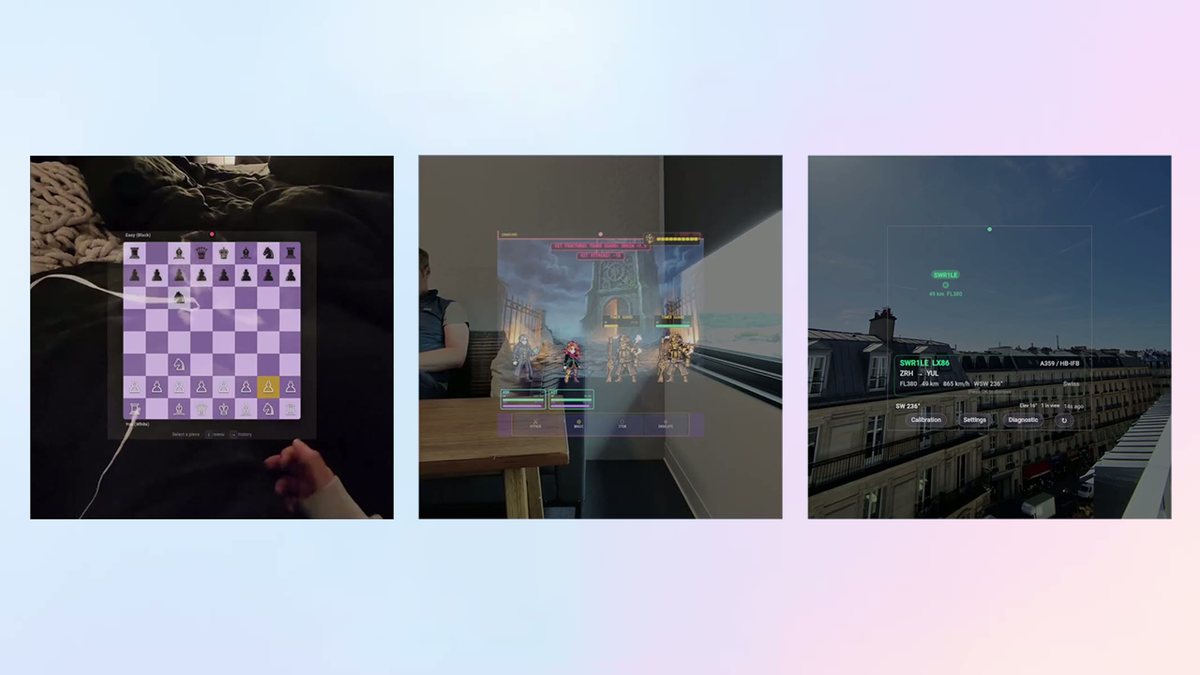
Earlier this year, Meta opened a developer portal allowing creators to build lightweight visual web apps controlled via the Meta Neural Band. While innovative third-party tools quickly emerged, finding them required tracking individual developers on social media or relying on niche community aggregators.
To solve this discovery problem, Meta is introducing an Explore app directly on the glasses later this year. The built-in storefront will curate, surface, and recommend the highest-quality third-party developer experiences. While Meta has not officially confirmed whether this will evolve into a full-scale commercial app store, industry watchers view the Explore app as a definitive stepping stone in that direction.

4. ‘Hologram’ Avatars for WhatsApp
One of the most visually striking announcements at Connect 2026 was the introduction of Meta’s Hologram avatar system. Previously, video calls made from the Ray-Ban Display showed either a blank screen or a first-person point-of-view camera feed.
Rolling out later this year to US early-access program participants, Hologram allows users to conduct WhatsApp video calls using a photorealistic, shoulders-up synthetic avatar.
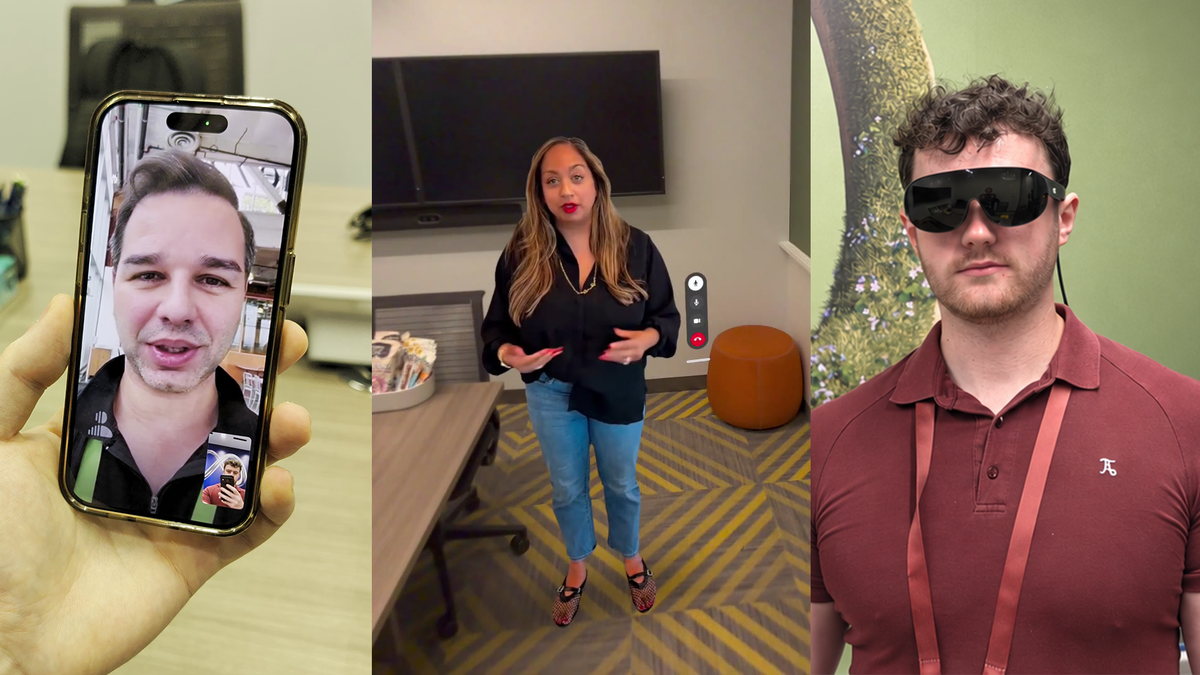
- Setup Process: Users scan their face using the Meta AI app and provide roughly one minute of speech samples.
- Execution: Once configured, the glasses use onboard microphones to map vocal intonations and drive real-time facial expressions on the digital avatar, bypassing the need for a live video feed of the user’s actual environment or face.
5. Dedicated Calendar App
Expanding upon the calendar integration features introduced for displayless smart glasses last year, Meta is launching a dedicated Calendar app for the Ray-Ban Display HUD. Available initially in the US, the app enables users to view meeting attendee lists, accept or decline calendar invites, and jump directly into virtual meetings straight from their eyewear.
Implications for the Wearable Tech Industry
Meta’s announcements at Connect 2026 signal a maturing hardware ecosystem that is rapidly addressing early consumer friction points.
- Mainstream Accessibility: By dropping the mandatory in-store demo requirement for online orders, Meta is removing friction from the consumer purchase funnel, accelerating adoption rates as inventory levels stabilize.
- The Battle for the Face: With competitors like Snap and Google-backed Samsung preparing rival hardware, Meta’s aggressive international expansion and software enrichment—particularly in conversational navigation and generative AI avatars—demonstrate its determination to maintain a dominant market share in smart eyewear.
- The Rise of Ambient Computing: Features like the Explore app for third-party web apps and the Hologram avatar system transform the Ray-Ban Display from a glorified notification ticker into a genuine spatial computing platform. As developers build more utilities for the Neural Band, the glasses are increasingly positioning themselves as a viable, screen-optional paradigm shift for personal computing.

