

By Ford James
Published Sept 27, 2026
Main Facts: The Ultimate High-Stakes Role in Modern Gaming
The year 2026 has been an exceptionally stressful era for video game protagonists. Gamers have faced relentless terror running away from massive, grotesque monsters as Grace Ashcroft in Resident Evil Requiem, outmaneuvered lethal threats like Damien Webb within the claustrophobic sewers of 007 First Light, and fought sheer vertigo while losing their grip on final handholds in Cairn.
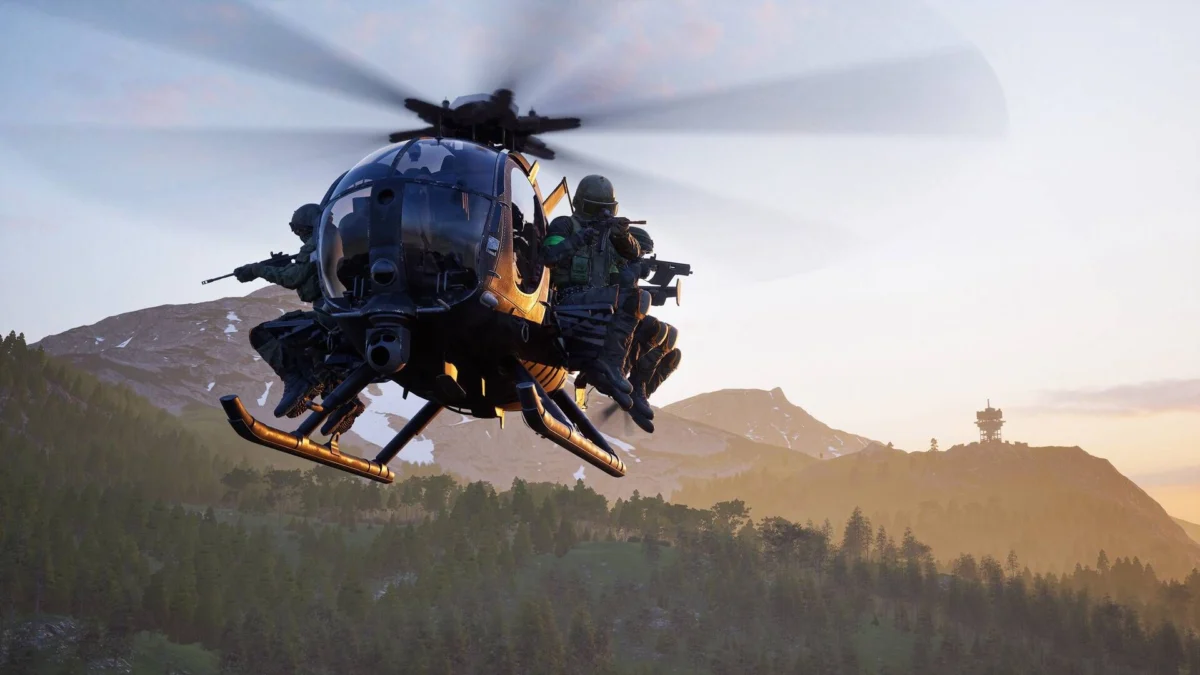
Yet, none of these critically acclaimed, white-knuckle moments hold a candle to the sheer, unadulterated psychological torture of piloting a transport helicopter in Bulkhead and Team17’s tactical multiplayer shooter, Wardogs.
While first-person shooters routinely treat aviation as a casual, arcade-style mechanic designed simply to shuttle players from point A to point B, Wardogs upends the formula entirely. Piloting a chopper in this tactical landscape is not merely a method of traversal; it is a high-pressure corporate responsibility, a masterclass in risk management, and the single most unforgiving role in contemporary gaming. One miscalculated descent can wipe out an entire squad, obliterate tens of thousands of in-game currency, and shatter a player’s reputation among their peers.
Chronology: From Arcade Comforts to Simulation Shock
For years, veterans of the multiplayer and open-world genres have grown comfortable with the forgiving flight models of legacy titles. Choppers in Grand Theft Auto 5 handle like aerial sports cars; the Battlefield franchise offers smooth, pick-up-and-play mechanics that allow almost anyone to hover above a contested objective; and the Just Cause series turns aviation into an explosive, consequence-free sandbox playground.
When Wardogs entered early testing phases and subsequent community playtests, returning genre veterans expected a similar learning curve. They anticipated climbing into the cockpit, pushing a throttle forward, and rocketing toward the frontline with casual indifference.
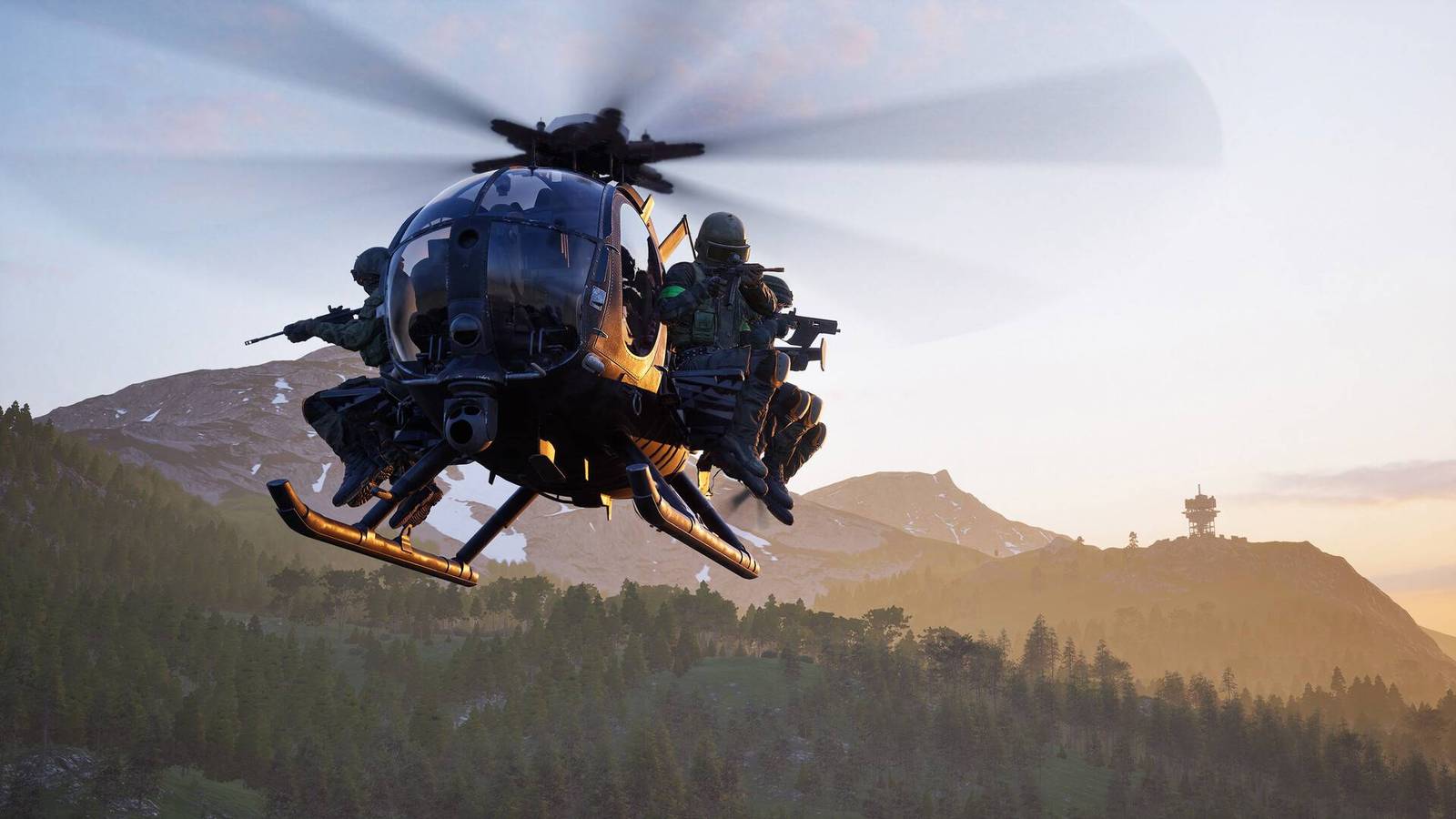
Instead, reality struck hard during the game’s alpha and beta phases. Players quickly realized that maintaining altitude was only half the battle. The true crucible of Wardogs aviation was—and remains—the landing sequence. Coming to a rapid, efficient, and survivable stop while keeping the rotor blades intact and providing a stable platform for passengers to disembark turned out to be an engineering puzzle wrapped in a panic attack.
Following a grueling training regimen on the firing ranges, a subset of dedicated players managed to conquer the basics, eventually publishing guides on how to survive the skies. However, for the average recruit, stepping into the pilot’s seat remains an intimidating prospect, forcing many to permanently resign themselves to the passenger cabin.
Supporting Data: The Economics of Catastrophe and Engineering Authenticity
Why do the helicopters in Wardogs feel so drastically different from anything else on the market? The answer lies in the developer’s uncompromising commitment to realism.
In an exclusive interview conducted at Gamescom 2026, Kane Allard, Senior Producer at Bulkhead, shed light on the meticulous design philosophy driving the game’s vehicle mechanics.
"A big part of the game is vehicles, and we wanted them to feel as realistic and authentic as possible," Allard explained. "The way we achieved that was by bringing in an aeronautical engineer to design the base layer of our helicopters, just to make them feel realistic and give them weight and make them feel fun. And it gives them that skill level where you can learn and become a better pilot."
This collaboration with an actual aeronautical engineer explains why the birds feel so finicky, reactive, and heavy. Every lift, bank, and descent is governed by genuine physical weight distribution and momentum.

Compounding this mechanical complexity is the brutal economic penalty for failure. A standard transport helicopter in Wardogs requires an upfront investment of $6,250 of in-game currency. When a pilot miscalculates a landing and clips a tree, a crane, or a hostile fortification, the financial loss goes far beyond the initial cost of the chassis:
- Capital Loss: The immediate vaporization of the $6,250 vehicle investment.
- Squad wipeout: The instant death of every passenger who placed their trust—and their customized loadouts—in the pilot’s hands.
- Kit Destruction: Unless a dedicated medic squadmate is trailing close behind or the crash occurs safely inside a designated control zone, the expensive gear carried by the passengers is permanently lost.
- Cumulative Financial Impact: A single botched landing can easily result in a collective loss scaling well into the tens of thousands of dollars in game currency.
As a result, a crashed chopper transforms the pilot into an immediate social pariah. Survivors crawling out of a burning wreckage are unlikely to entrust their lives—or their wallets—to that pilot ever again, forcing the disgraced aviator to ride shotgun on someone else’s flight with their tail firmly between their legs.
Official Responses: The Dichotomy of the Skies
The gaming community has experienced a profound polarization in response to the skill ceiling introduced by Bulkhead.
On one side of the spectrum exist aviation purists and content creators who treat flight as a high art form. Communities across social media—exemplified by precision flyers and creators such as Instagram user @designatedpilot—showcase breathtaking, millimeter-perfect vertical landings under heavy enemy fire, treating the helicopter cockpit like an acrobat’s tightrope.
On the other side are mainstream players and tactical infantrymen who view the cockpit as a localized hazard. For these players, simply executing a standard, non-lethal drop-off into a contested control zone feels like a stressful tour of duty.
Bulkhead maintains that this stark divide is entirely intentional. By establishing a high skill floor and an even higher skill ceiling, the developers have successfully turned ordinary transit into a tense, emergent cooperative experience where communication, trust, and mechanical mastery genuinely matter.

Implications: What Wardogs Means for the Future of Tactical Shooters
The psychological weight of piloting in Wardogs signals a broader shift in how modern first-person shooters approach vehicle mechanics. For years, the industry trend leaned toward accessibility—ensuring that every player could instantly excel at every role without specialized practice.
Wardogs proves that players are hungry for authentic, high-consequence roles that demand genuine dedication. By introducing true-to-life physics via aeronautical engineering consultation and attaching severe financial and social penalties to failure, Bulkhead has created a role that feels profoundly rewarding to master.
When a pilot successfully threads the needle, greases a high-speed landing under a hail of gunfire, and deploys a squad directly onto an objective, the dopamine rush is unmatched by any generic shooter mechanic.
Yet, for those lacking the nerves of steel required to captain a multi-thousand-dollar flying machine, the lesson is clear: sometimes, the smartest tactical decision is to stay on solid ground, hop into a land vehicle, and let someone else carry the burden of the skies.

