

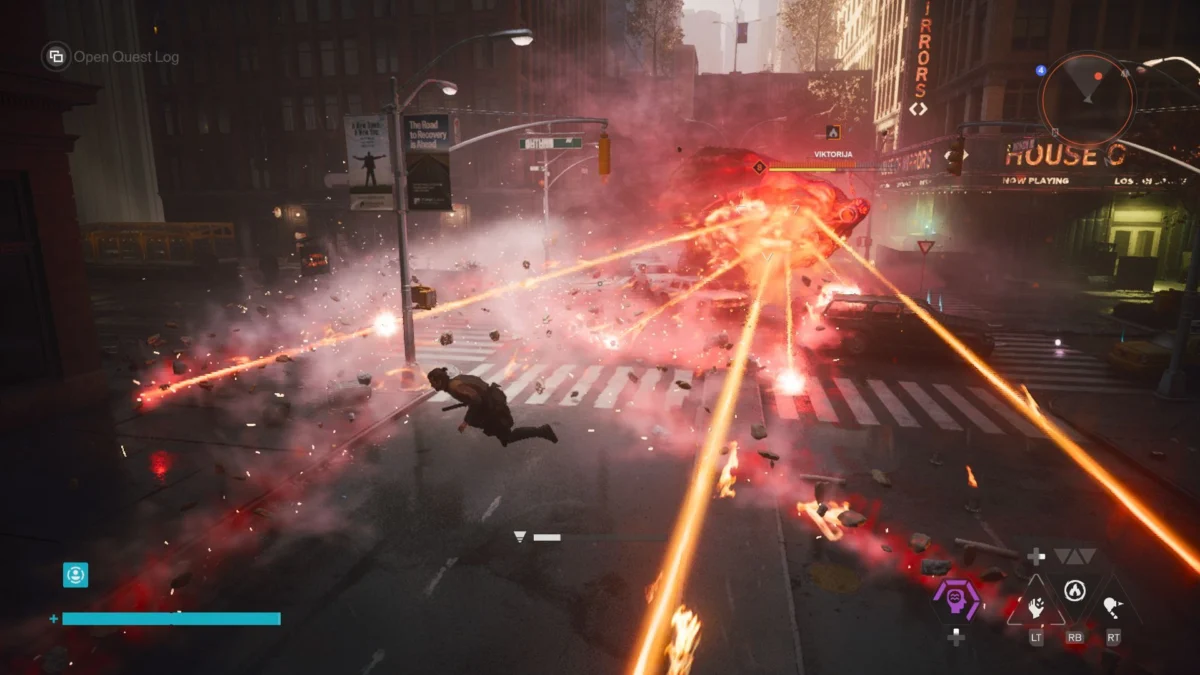
Our Verdict
Control Resonant serves as a stunning, evocative return to the surreal, bureaucratic nightmares of the Federal Bureau of Control (FBC). It is a masterclass in environmental storytelling and world-building that pushes the "New Weird" aesthetic to its absolute limit. However, the experience is frequently undermined by an over-reliance on middling, repetitive melee combat that stretches the game’s 30-hour runtime to its breaking point.
The Premise: A New Director for an Old Nightmare
In the opening moments of Control Resonant, players are introduced to the game’s protagonist: Dylan Faden. To the uninitiated, Dylan is a tragic figure—a perpetually haunted soul, a former vessel for interdimensional corruption, and a man struggling to reconcile with his past as a mass murderer. His story begins in the aftermath of a seven-year coma, brought to an end when his sister, Jesse Faden—the psychokinetic heroine of the original Control—stabs a mysterious, shifting object into his chest.

The ritual is as abrupt as it is desperate. Jesse vanishes, leaving the FBC without its director, severely outgunned, and facing an existential threat. A new, reality-bending force is tearing Manhattan apart, turning the city into a claustrophobic maze of shifting architecture and impossible physics. Dylan, thrust into the role of an unwilling savior, must navigate this urban hellscape to halt the collapse of reality itself.
Key Details
- Control Resonant
- Genre: Third-person action / Open-world
- Developer/Publisher: Remedy Entertainment
- Release Date: September 24, 2026
- Platform: PC (Reviewed on RTX 4070 Super, i7-14700K)
- Price: $60 / £50
Environmental Storytelling: The "New Weird" Perfected
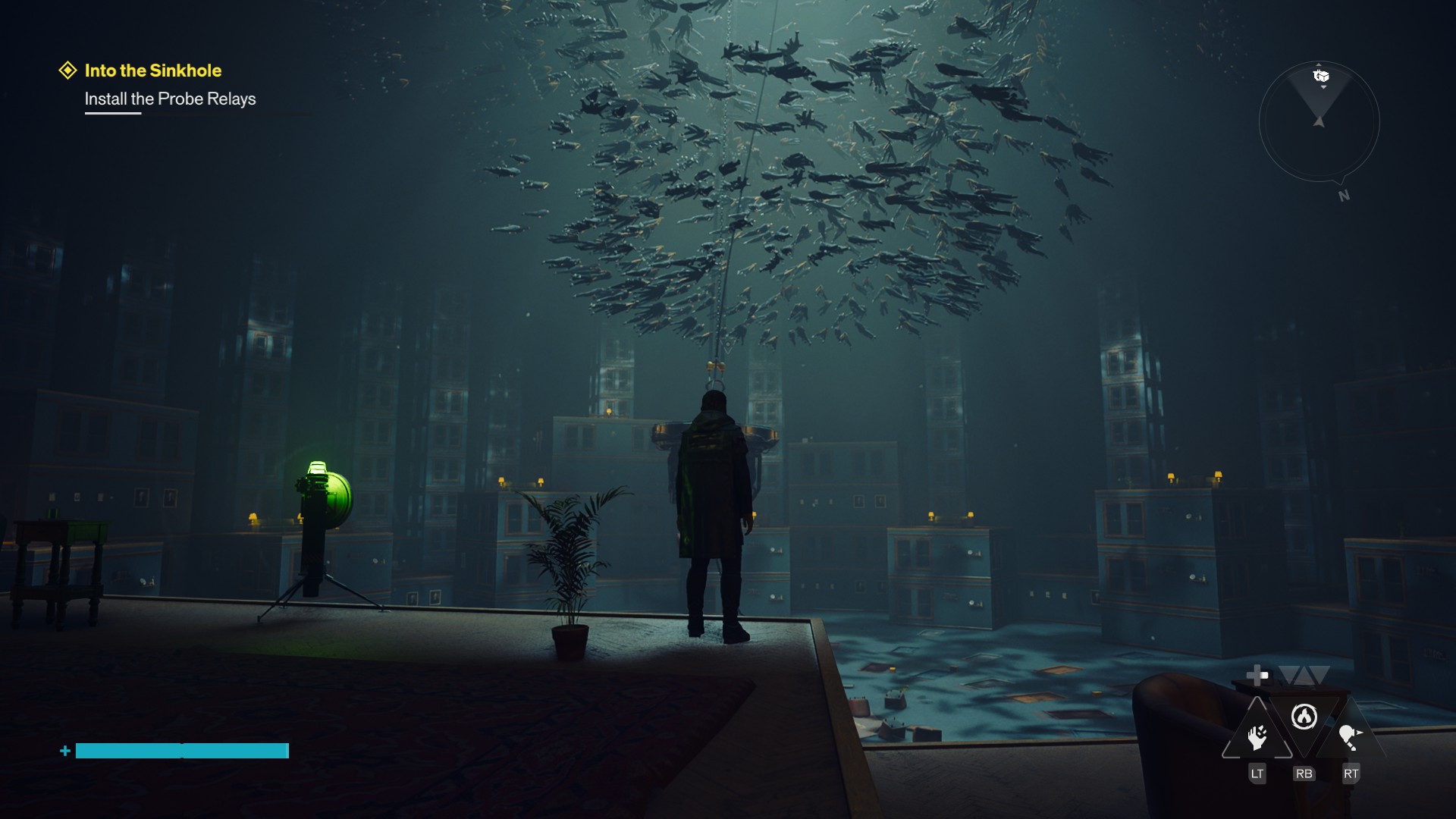
Remedy Entertainment has long been the industry leader in environmental design, but Resonant marks a new zenith for the studio’s lighting and environmental artists. The "Oldest House," the iconic brutalist headquarters from the first game, has effectively "leaked" into the streets of New York.
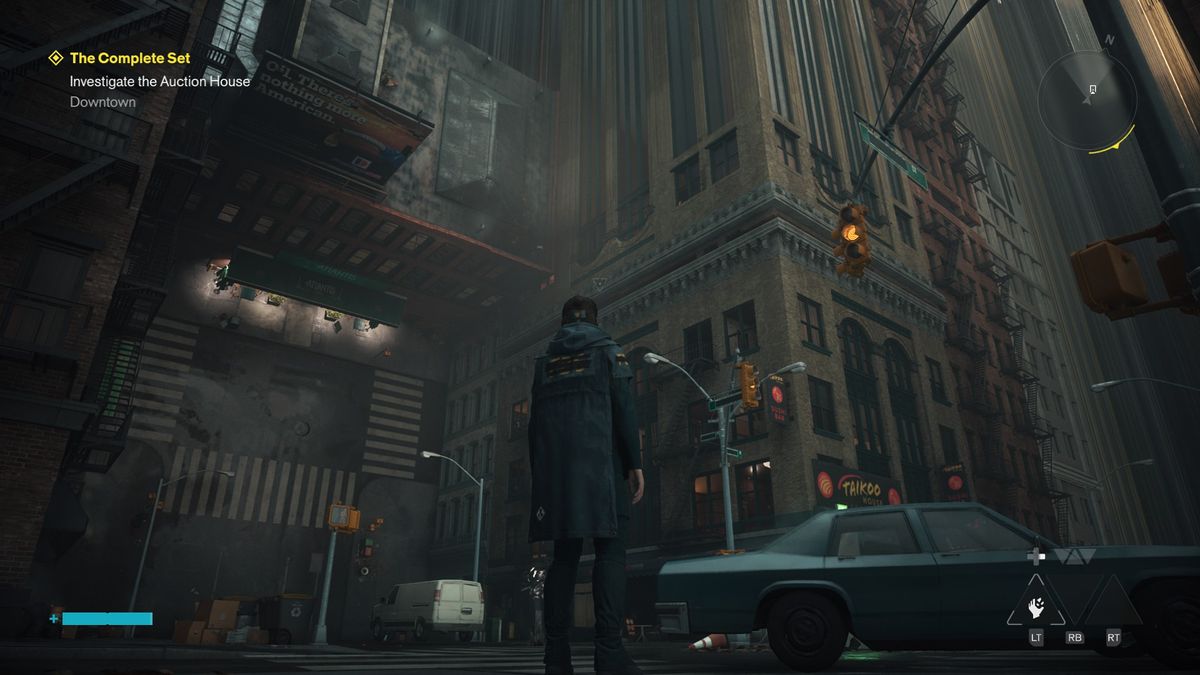
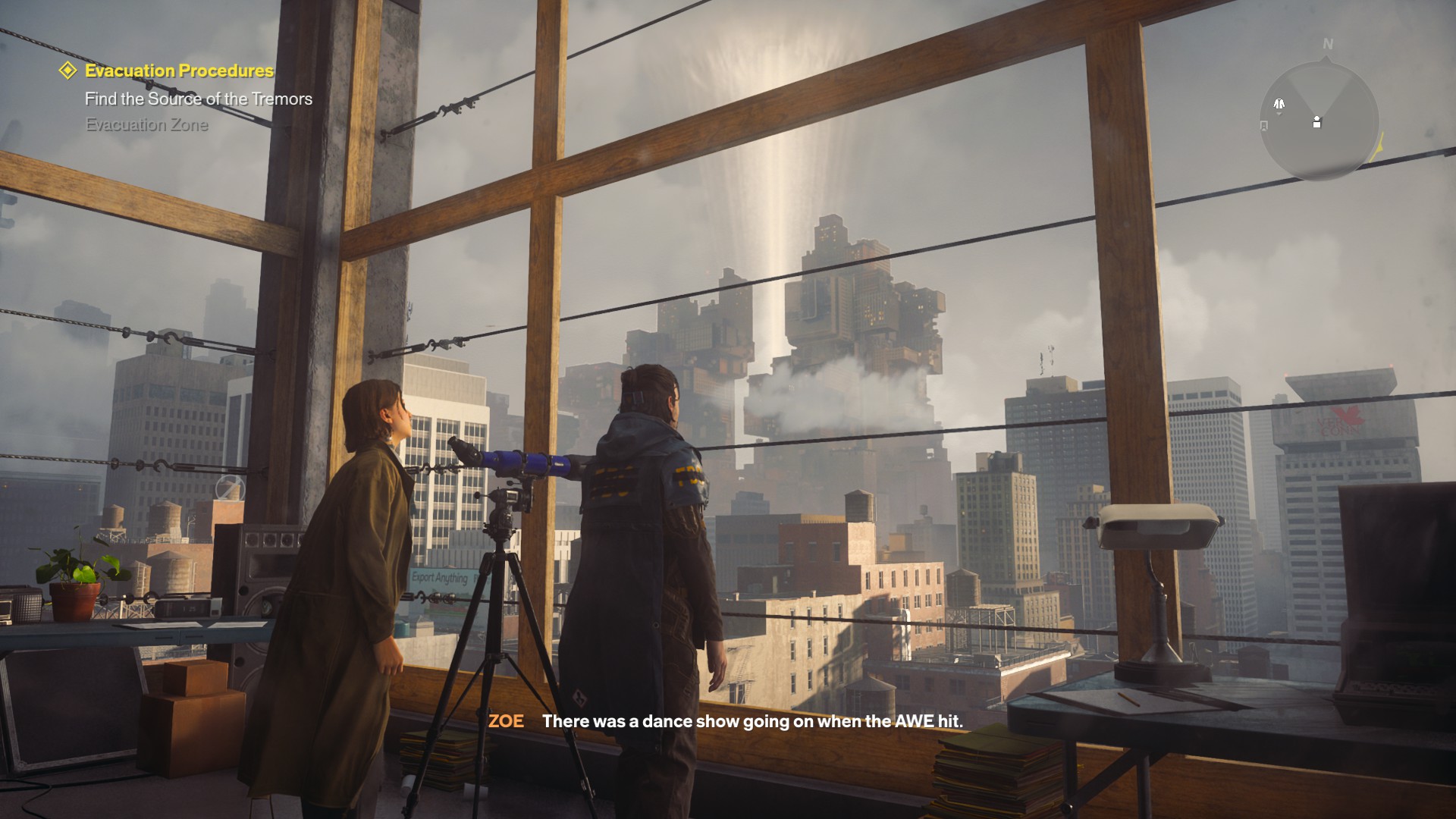
Downtown shopping districts and brownstone-lined streets have been reconstructed into a sprawling, surrealist labyrinth. Roadways have been bent at perpendicular angles, with city buses suspended in the air like gargoyles. Neighborhoods spiral in impossible directions, some swallowed by the oily, familiar haze of the Hiss, while others are governed by "The Patterning"—a new, alien force that organizes urban detritus into terrifyingly symmetrical, radial designs.
The visual fidelity is nothing short of arresting. Pockets of untouched reality—abandoned cafes and dusty art galleries—remain nestled within these mutated zones, creating a poignant contrast that highlights the fragility of the world. It is a game that demands a dedicated photo mode, as every frame is a masterpiece of dark, architectural horror.
Chronology: The Evolution of the FBC
The game’s narrative structure is told through a mix of linear progression and environmental breadcrumbs. Players spend a significant portion of their time piecing together the events of the last seven years, during which the FBC was effectively cut off from the world.
- The Awakening: The first 5 hours are spent adjusting to Dylan’s unique movement mechanics, including gravity-defying leaps and air-dashing.
- The Breach: As the player moves from the central districts into the heavily altered "Patterned" zones, the story shifts from a simple rescue mission to an exploration of the FBC’s culpability in the current crisis.
- The Revelation: The final third of the game focuses on the legacy of Dr. Casper Darling, the FBC’s infamous lead researcher, and his role in the creation of the objects that have now doomed Manhattan.
Throughout this journey, the game masterfully uses "redacted" lore documents and audio logs to maintain the bureaucratic mystery that made the original Control so compelling. Seeing the FBC operate on the backfoot, forced to abandon its secret, underground deniability to fight an open war in the streets, adds a refreshing layer of vulnerability to an organization that previously felt all-powerful.
Combat: The "Aberrant" Problem
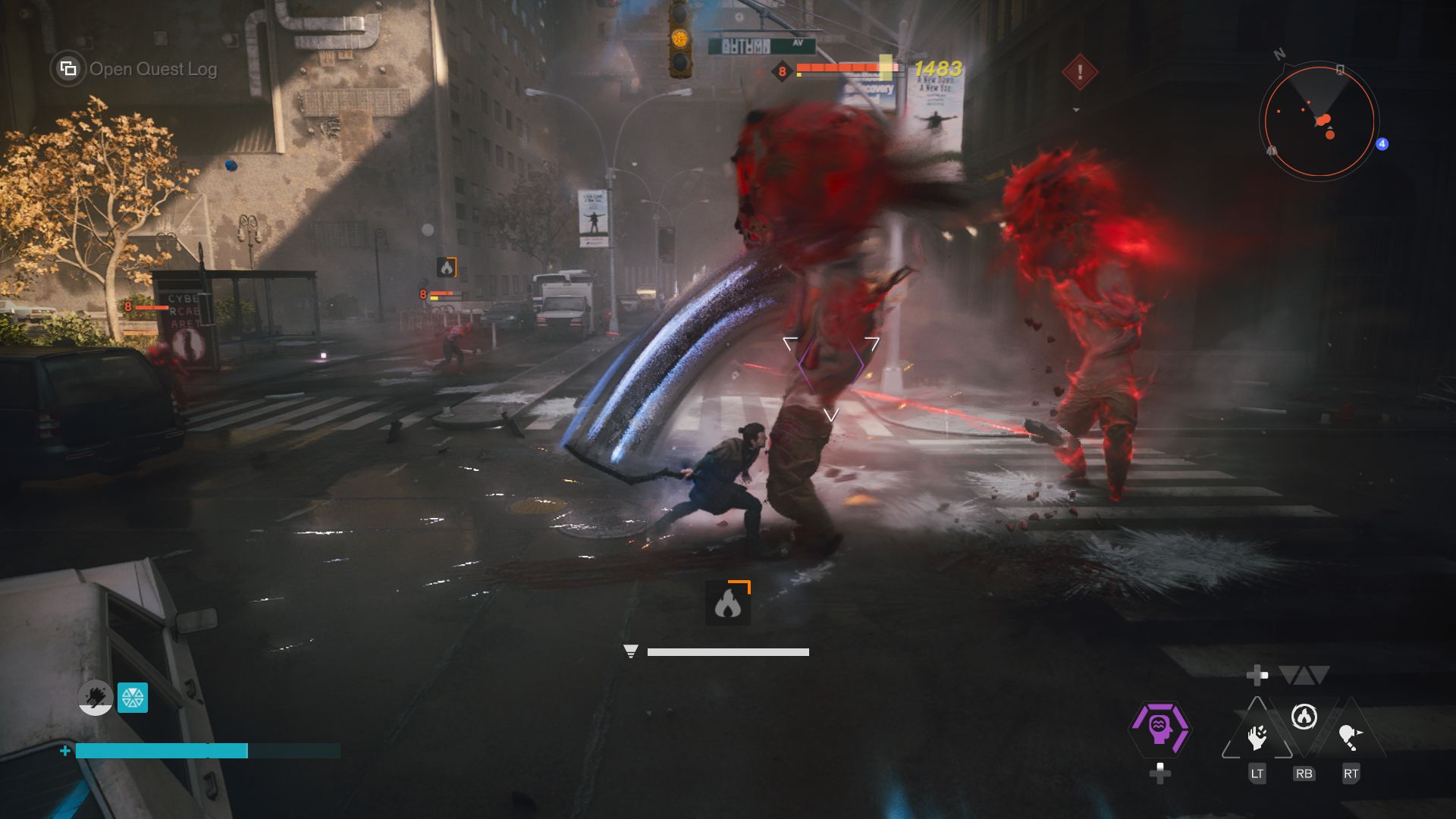
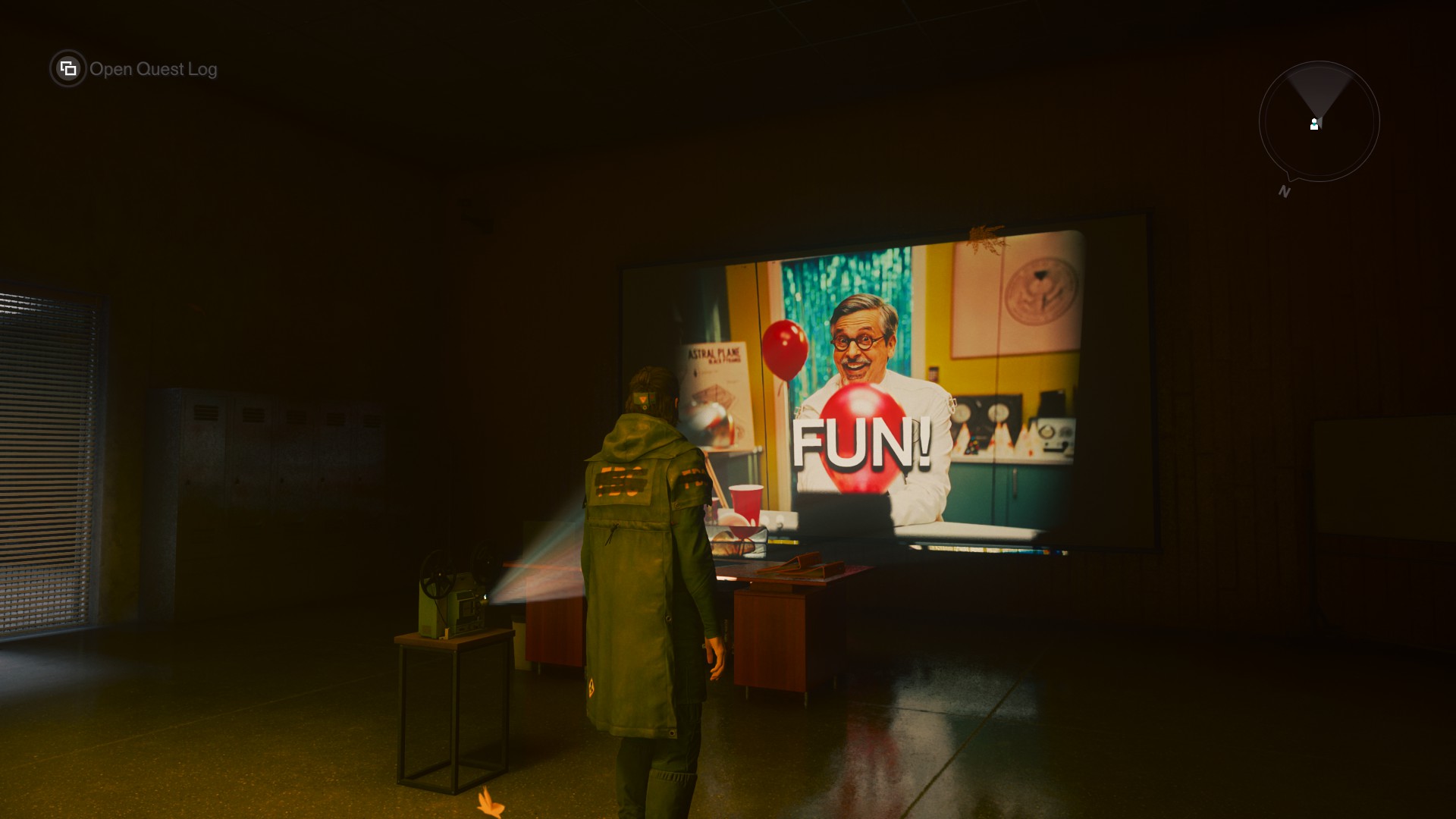
While the world-building is superlative, the combat system serves as a significant point of friction. Unlike Jesse’s service weapon, Dylan utilizes "The Aberrant," a shape-shifting melee weapon. It can manifest as a scythe, a hatchet, dual swords, or even levitating sawblades.
On paper, this sounds like a dynamic combat system. In practice, it feels "aggressively fine." The primary issue is the lack of "juice" in basic attacks. Pushing the attack button rarely feels impactful; instead, the game forces the player to rely on a complex, often tedious system of temporary damage buffs. These are earned by staggering lesser enemies and performing executions.
The Cycle of Frustration
- Damage Buffs: To make a dent in elite "Heavy" enemies, you must have active buffs. If you fail to chain these buffs, you are effectively swinging at sponges.
- Auto-Targeting: The game’s targeting system is inconsistent. During high-intensity fights, the system often locks onto the wrong enemy or causes Dylan to lunge into empty air, wasting precious, limited-duration buffs.
- Execution Fatigue: While the "honk" of approval from The Board—the FBC’s astral patrons—is a nice touch, the repetitive nature of execution animations becomes a chore by the 20th hour.
Late-game progression further compounds these issues. The game features an enemy-scaling system based on your level, but the resource economy is poorly balanced. Players often find themselves with an excess of upgrade materials for weapons they don’t use, while lacking any meaningful choices in the skill tree. By the final act, most players will likely find themselves lowering the difficulty just to bypass the slog of combat and reach the next narrative beat.
Supporting Data and Technical Performance
During our testing on an RTX 4070 Super and Intel i7-14700K, the game maintained a stable frame rate, even during the most chaotic, gravity-shifting sequences. The, lighting tech—particularly the ray-traced reflections on the warped urban surfaces—is nothing short of breathtaking.
However, the game’s "30+ hour" claim feels inflated by the repetition of the combat encounters. A more tightly focused 20-hour campaign would have likely mitigated the feeling of burnout. The difficulty settings, thankfully, are granular, allowing players to adjust damage intake and output to suit their preferences—a feature that is highly recommended for those looking to focus on the story.
Official Responses and Developer Intent
Remedy Entertainment has described Control Resonant as a "spiritual and narrative expansion" of the FBC’s footprint. In recent promotional interviews, the team emphasized that the goal was to make the world feel "active and encroaching."
While they have not yet commented on the community’s early reception to the melee-heavy combat, the inclusion of robust accessibility and difficulty-scaling features suggests the developers were aware that the game’s challenge might be a barrier for some. The focus on Dylan as a "good-hearted man in a broken body" was a deliberate choice to allow the player to feel the weight of the FBC’s historical experiments, particularly those conducted by the elusive Dr. Casper Darling.
Implications: Where Does the FBC Go From Here?
Control Resonant solidifies the FBC as one of the most interesting fictional universes in modern gaming. The implications of the ending—which we will not spoil here—suggest that the organization is moving toward a more transparent, yet increasingly dangerous, phase of its existence.
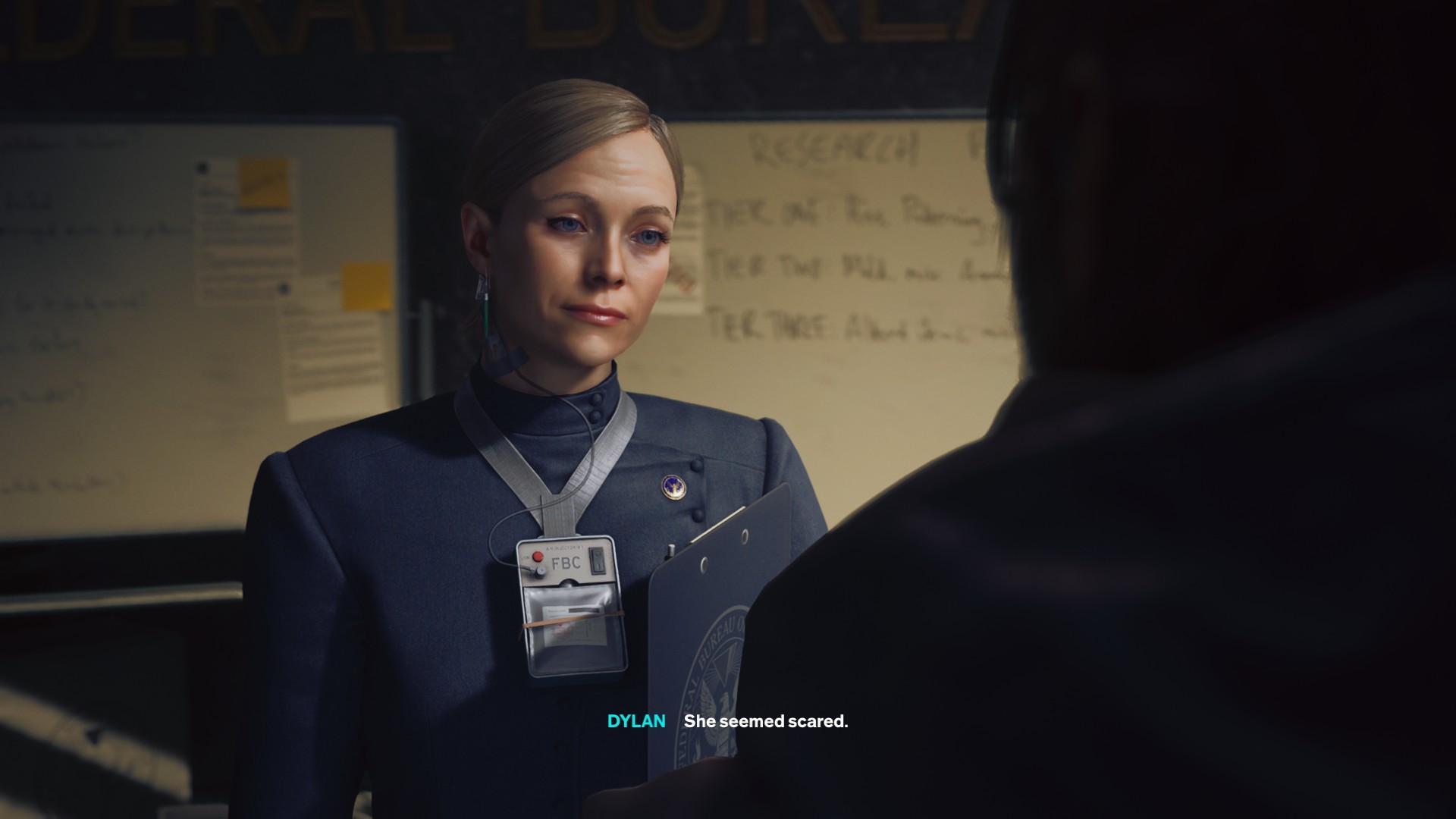
However, the combat design in Resonant serves as a cautionary tale. While the "New Weird" aesthetic and the strength of the voice performances carry the experience, the gameplay mechanics need to evolve. If Remedy continues this franchise, they must find a way to make the moment-to-moment action feel as inspired as the world in which it takes place.
As it stands, Control Resonant is a game of two halves: a breathtaking, hauntingly beautiful exploration of a reality in collapse, and a combat-heavy action title that struggles to justify its own duration. For fans of the lore and the atmosphere, it is a must-play. For those who prioritize fluid, rewarding action, it is a title that may require a bit of patience—or a quick trip to the settings menu.

