

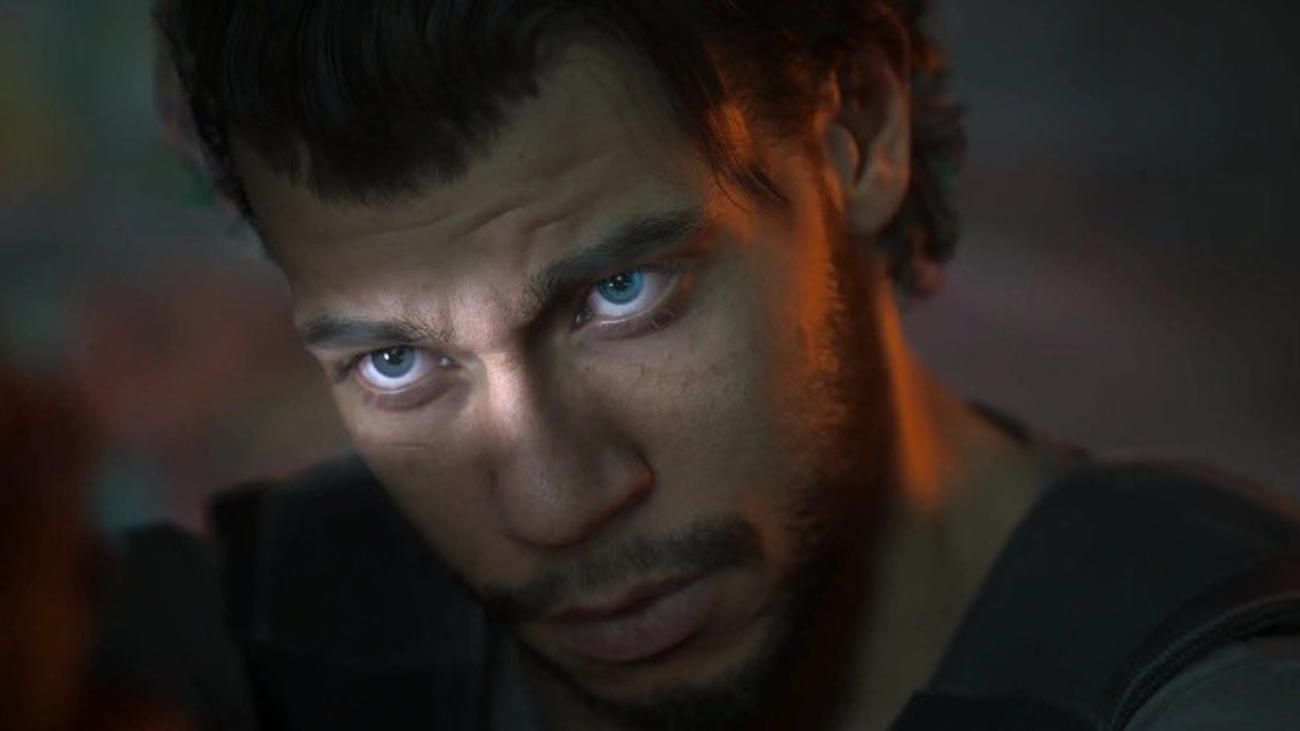
The Scottish gaming landscape, once bolstered by the ambitious promise of Build a Rocket Boy (BARB), is currently witnessing the slow dismantling of a titan. In the latest chapter of a protracted corporate struggle, the studio has reportedly initiated yet another round of job cuts. This move further complicates the future of the company’s flagship title, MindsEye, and casts a shadow of uncertainty over the remaining workforce as the studio faces mounting questions regarding its long-term viability.
A Trajectory of Turmoil: The Chronology of Decline
The downfall of Build a Rocket Boy is not a sudden collapse, but rather a protracted series of setbacks that began in the summer of 2025.
The Failed Launch of MindsEye
In June 2025, the studio released MindsEye, a project that had been shrouded in high expectations. The launch proved disastrous. Players were met with a product plagued by severe technical bugs and performance issues. Compounding the technical woes were reports of last-minute cancellations of sponsored marketing streams, which left the community bewildered. Reviews were universally harsh, labeling the title as unpolished and failing to meet the standards of a modern AAA release.
A Pattern of Redundancy
The immediate aftermath of the MindsEye launch triggered the first wave of layoffs. As the company struggled to address the game’s critical failures, it began a series of cost-cutting measures. Reports emerged shortly after the launch that approximately 300 developers had been let go.
While the studio attempted to pivot, continuing to release patches and even a "free starter pack" trial in November 2025, the internal damage was irreversible. By early 2026, further redundancies were confirmed, accompanied by bizarre and unsubstantiated allegations of corporate espionage and sabotage circulating within the studio’s halls.
The Publishing Split
The instability reached a boiling point in March 2026, when IO Interactive’s publishing division, IOI Partners, officially terminated its publishing agreement with Build a Rocket Boy. The loss of a major publishing partner is often a death knell for independent studios, signaling a lack of confidence in the product’s commercial potential.
The Current Crisis
Today, the situation has escalated once again. Multiple employees have taken to professional networking platforms to confirm their departures. Dan Hawkins, a principal talent acquisition partner and HR operations lead, provided a poignant glimpse into the atmosphere within the company, stating on LinkedIn: "With a very heavy heart I raise my green banner, along with the rest of my colleagues at Build a Rocket Boy." Hawkins, who helped scale the studio from 200 to 550 employees, is now helping facilitate the final stages of the HR department’s operations.
Supporting Data and Internal Sentiment
The scale of the layoffs remains unclear, but the impact is profound. Sources familiar with the studio suggest that even if the remaining staff are let go, the legal entity of Build a Rocket Boy may not be immediately dissolved. This raises the prospect of the studio existing as a "zombie" entity, potentially holding onto intellectual property or legal obligations without active development capabilities.
The Edinburgh Protest
The disconnect between management and the remaining staff was laid bare in July, when employees staged a protest outside the studio’s Edinburgh offices. The catalyst was an "all-expenses-paid" fan event, which staff deemed tone-deaf and deeply inappropriate given that hundreds of their colleagues had already been displaced by layoffs. The protest served as a public manifestation of the internal fracture between the studio’s leadership, who were attempting to maintain a facade of "business as usual," and the workforce bearing the brunt of the studio’s financial failure.
Official Responses and Corporate Silence
Despite repeated requests for comment from major gaming outlets, Build a Rocket Boy has maintained a policy of relative silence. The studio has not issued a formal press release addressing the most recent wave of layoffs, leaving the remaining staff and the broader industry to rely on leaks and LinkedIn confirmations.
The "new phase of development" announced in February 2026—a desperate attempt to revitalize MindsEye—now appears to be an abandoned initiative. The company’s inability to provide a clear roadmap or communicate effectively with its remaining team members suggests that the studio is no longer operating with a unified vision, but is instead in a state of controlled closure.
Implications for the Industry and Scotland’s Tech Sector
The crisis at Build a Rocket Boy has far-reaching implications that extend beyond the walls of their Edinburgh office.
The Fragility of "AAA" Ambition
The story of MindsEye serves as a cautionary tale for the industry regarding the dangers of "feature creep" and the intense pressure to deliver high-fidelity experiences in an unforgiving market. The studio attempted to launch a massive, ambitious project, but failed to build the internal infrastructure necessary to sustain it through a post-launch crisis. When the product failed to meet revenue targets, the lack of a diversified portfolio meant the company had no safety net.
Talent Exodus
For the Scottish tech sector, the loss of 300+ roles—and the impending loss of the remainder—is a significant blow to the local ecosystem. However, there is a silver lining: the talent pool currently being released by Build a Rocket Boy is comprised of experienced developers, HR professionals, and creatives who have survived one of the most volatile work environments in recent memory. The industry is currently watching to see if these individuals will be absorbed by other UK-based studios or if the failure will drive talent away from the region entirely.
The Future of MindsEye
As for the game itself, the future looks bleak. With the publishing agreement with IO Interactive terminated and the core development team being systematically dismantled, the likelihood of MindsEye ever receiving the "redemption arc" that its developers originally envisioned is slim to none. It will likely join the ranks of failed projects that serve as case studies in university classrooms for years to come—a reminder that in the gaming industry, even the most well-funded projects can succumb to poor management, technical debt, and the harsh realities of the open market.
Conclusion: A Legacy Defined by Instability
Build a Rocket Boy began with a dream to redefine action-adventure gaming. Instead, it leaves behind a legacy defined by mass layoffs, public protests, and a failed product that ultimately broke the studio that created it. As the final employees prepare to "wrap things up," the story of this studio stands as a stark reminder of the volatility of the modern games industry, where the distance between a promising debut and a total shutdown can be measured in a few short, painful years.
The industry will continue to monitor the situation, but for now, the green banner of Build a Rocket Boy is being lowered for the final time.

