

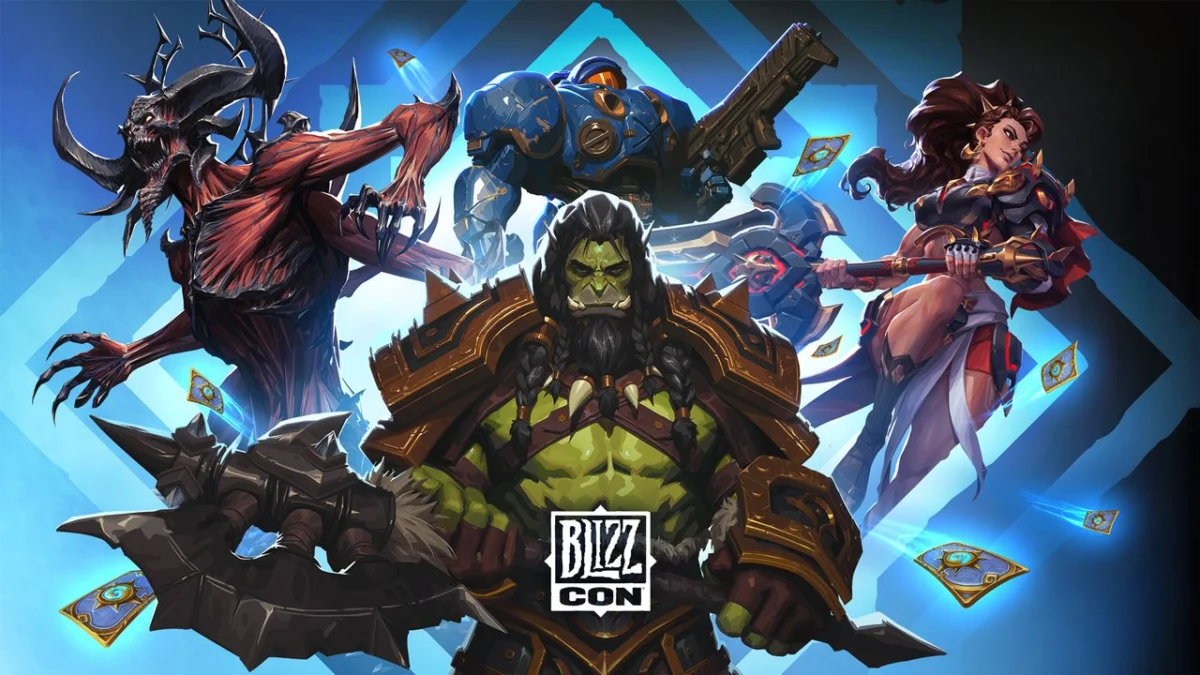
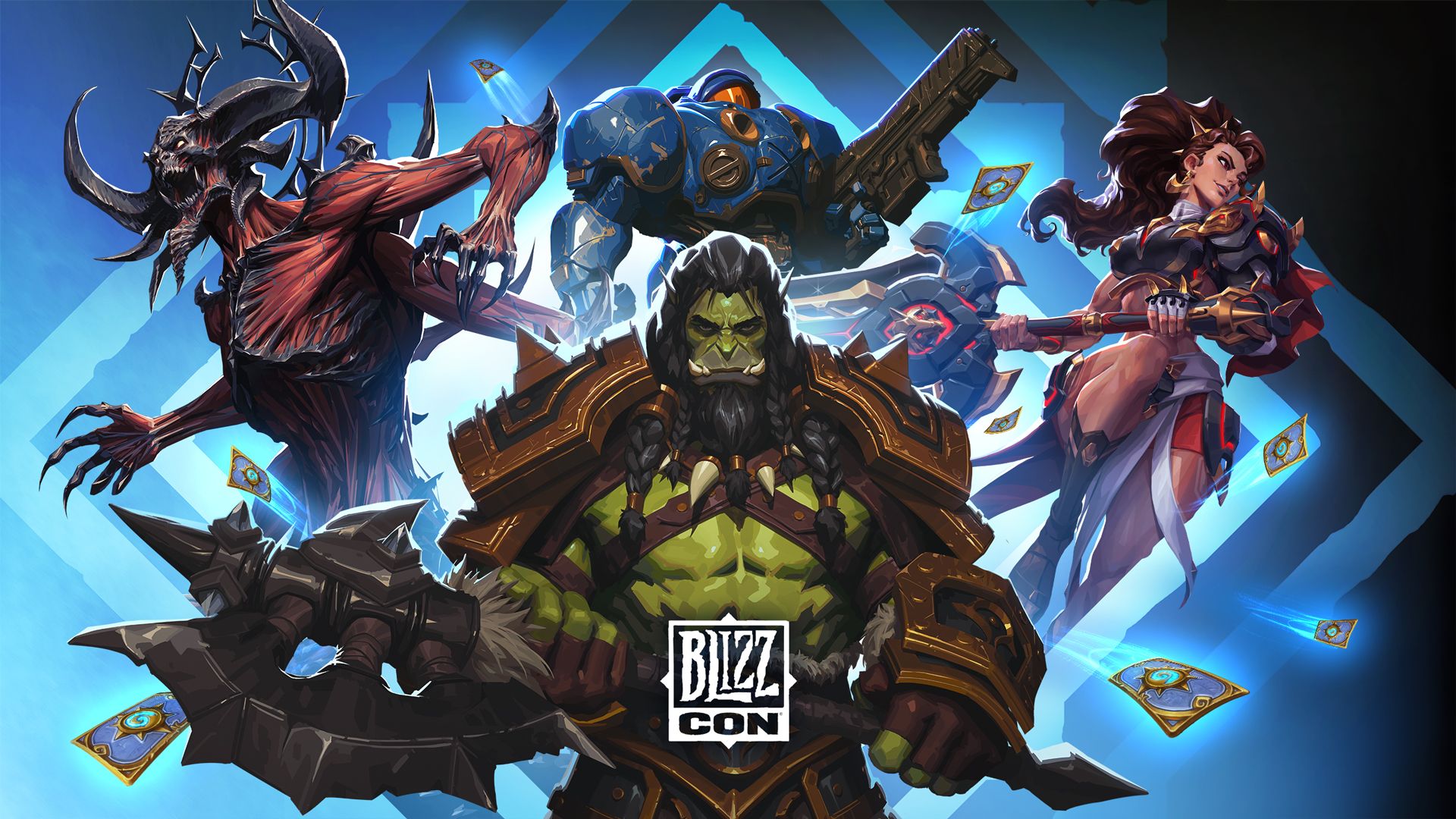
BlizzCon 2026 has served as a watershed moment for Blizzard Entertainment, marking a significant departure from the company’s historical tendency toward secrecy and "when it’s ready" development cycles. While the convention floor is currently abuzz with the usual fanfare of panels, esports tournaments, and community celebrations, the core narrative of this year’s event is defined by a series of long-range commitments that would have been unthinkable a decade ago.
By officially unveiling Diablo 5 with a 2029 release window and confirming the return of StarCraft as an open-world shooter slated for 2030, Blizzard has traded its traditional veil of silence for a strategy of radical transparency. This pivot is designed to signal stability, confidence, and a renewed commitment to its most legendary franchises, even as the industry at large struggles with the volatility of long-term development.
A Chronology of Anticipation: From Silence to 2030
Historically, Blizzard Entertainment was synonymous with the "Blizzard Polish"—a developmental philosophy that meant games were delayed indefinitely until they met the company’s rigorous internal standards. Titles like StarCraft: Ghost or early iterations of Diablo III became cautionary tales of vaporware or agonizingly long production cycles.
However, the 2026 announcements represent a shift in the timeline of expectation. By providing concrete years for titles that are clearly still in the middle stages of production, Blizzard is setting a "ticking clock" for itself.
- September 2026: Blizzard officially confirms the existence of Diablo 5 (2029) and a new, untitled StarCraft open-world shooter (2030) during the BlizzCon opening ceremony.
- Late 2026 – 2028: The "Development Window." During this period, Blizzard must navigate the technical and creative hurdles of building these massive titles while maintaining the live-service momentum of Diablo IV and the Overwatch ecosystem.
- 2029: The projected release of Diablo 5, which promises a more robust class system than ever before, featuring the Demon Hunter, the Monk, and the all-new Plague Knight.
- 2030: The projected release of the new StarCraft title, marking the franchise’s first major entry in nearly a decade.
The Strategy Behind the Dates: Why Now?
In the modern gaming landscape, announcing a game three to four years out is considered a high-risk maneuver. Game development is notoriously prone to "scope creep," technical debt, and the unpredictable nature of engine integration. So, why would a publisher as massive as Blizzard choose this path?
According to industry analysts, this is a calculated move to manage investor expectations and reinvigorate player trust following the acquisition by Microsoft. By putting a "stake in the ground," leadership is attempting to move away from the image of a studio that struggles to produce content.
"We want to convey confidence in some of our biggest bets coming forward," Blizzard president Johanna Faries noted in a pre-convention interview. This statement is not merely marketing fluff; it is a directive intended to align the internal teams at Blizzard with a clear, non-negotiable finish line.
Official Responses and Internal Philosophy
The response from leadership has been unified. The message coming out of Blizzard’s executive offices is clear: the company is undergoing a cultural shift toward predictability and reliability.
Dan Hay, the project lead for the upcoming StarCraft shooter and a veteran of the industry (having previously led the Far Cry series), has been particularly vocal about the 2030 date. In discussions, he emphasized that this is not a speculative target, but a milestone backed by a concrete development roadmap. "It’s a date that we feel really confident about," Hay stated, noting that the team has already been iterating on the project for some time.
This sense of confidence is mirrored by Johanna Faries, who addressed the elephant in the room regarding the company’s corporate integration with Microsoft. While she refrained from commenting on the granular details of past layoffs, her focus remains on the "special sauce" that defines Blizzard’s creative identity. She posits that if Blizzard can prove its ability to hit these long-term targets, it secures the studio’s autonomy and reinforces its position as the crown jewel of the Xbox game studio portfolio.
Supporting Data: A Studio on the Rebound
Blizzard’s current optimism is not entirely unfounded. Recent financial reports indicate that the company has enjoyed back-to-back years of growth, largely driven by the sustained popularity of Diablo IV—particularly with the release of the Lord of Hatred expansion—and a significant resurgence in the Overwatch player base.
This financial stability provides the "runway" necessary for long-term projects. Unlike a struggling studio that needs a quick win to keep the lights on, Blizzard is using its current cash flow to fund the massive, years-long development cycles required for Diablo 5 and the new StarCraft.
The following factors are currently supporting this strategy:
- Revenue Stability: Diablo IV has established a robust, recurring revenue model that allows for more predictable budget allocations for future projects.
- Technological Maturity: The internal engines being utilized for these titles are increasingly modular, allowing for more efficient asset reuse and faster prototyping.
- Leadership Stability: Despite the massive corporate shift to Microsoft, the creative leadership at the helm of these projects, such as Dan Hay, brings a pedigree of successful, high-budget, open-world production.
The Implications: Risks and Rewards
While the roadmap is clear, the implications of this strategy are double-edged.
The Risk of Disappointment
The most obvious risk is the "promise gap." If, by 2028, these games face developmental hurdles that necessitate a delay, the reputational damage could be severe. Blizzard has spent decades building a brand on quality, but the modern consumer is less forgiving of delays, especially when they follow a multi-year marketing campaign. The pressure to ship on time may also lead to "crunch" culture, a challenge that Blizzard has been under significant public and internal pressure to eliminate.
The Reward of Relevancy
Conversely, if Blizzard succeeds, they will have redefined the industry standard for expectation management. By successfully delivering Diablo 5 and a StarCraft shooter on schedule, they will prove that a studio of their size can be both "big" and "on time." This would effectively silence critics who claim that the studio has lost its way under new corporate ownership.
Furthermore, the diversity of the upcoming Diablo 5 roster—with the introduction of the Plague Knight and the return of fan-favorite classes—suggests a developer that is listening to its core base while attempting to innovate.
Conclusion: A New Era for Blizzard
BlizzCon 2026 will be remembered not for the immediate demos on the show floor, but for the long-term vision laid out by the company. Whether these dates represent a new era of efficiency or a high-stakes gamble remains to be seen.
However, the tone set by Faries and Hay suggests a company that is tired of being defined by its past, and is instead looking to reclaim its status as a titan of the industry. The road to 2030 is long, filled with potential pitfalls and technical challenges, but for the first time in many years, Blizzard has provided its fans with a map. Whether they arrive at the destination on time is now the ultimate test of the "new" Blizzard. For now, the gaming world watches and waits, armed with a calendar and a high degree of anticipation.

