

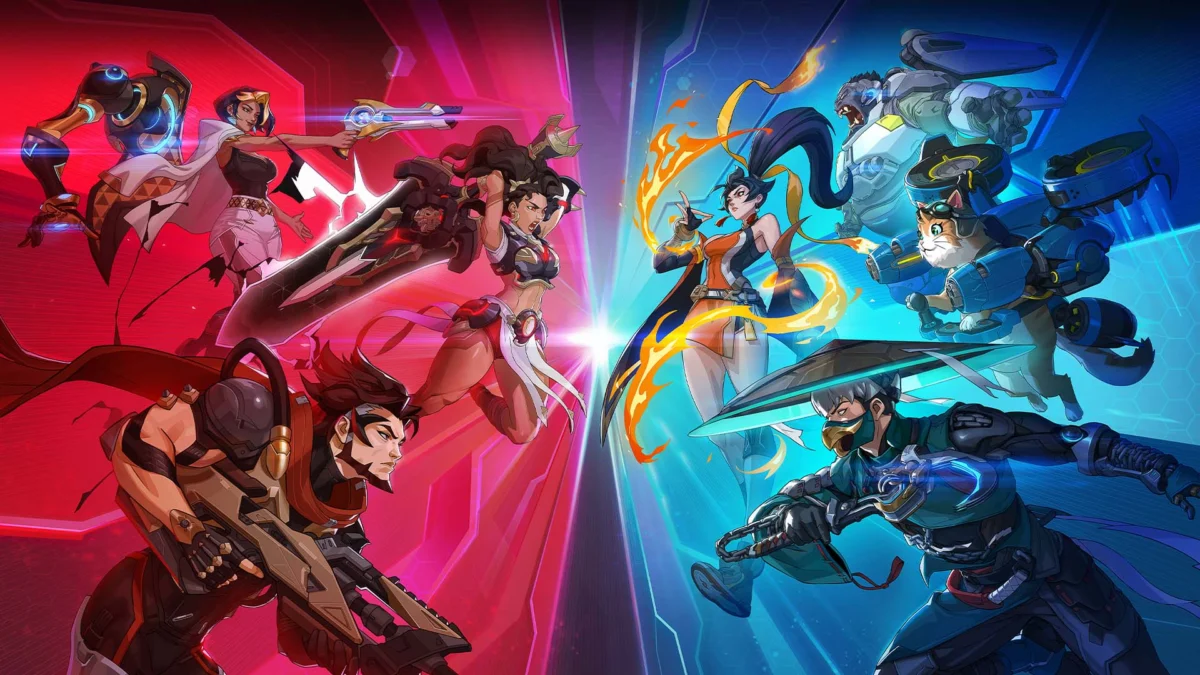
In a watershed moment for the video game industry, Blizzard Entertainment has officially ratified its first collective bargaining agreement with parent company Microsoft. The landmark deal, which covers a diverse workforce of approximately 1,900 employees, marks the culmination of over two years of intense negotiations and signifies a fundamental shift in how one of the world’s largest gaming conglomerates manages its human capital.
The agreement is not merely a set of salary benchmarks; it is a comprehensive framework addressing the most pressing existential anxieties currently facing the gaming sector: the rapid integration of generative artificial intelligence, the fragility of job security in an era of industry-wide layoffs, and the evolving nature of the workplace in a post-pandemic world.
The Anatomy of the Agreement: Key Protections
The ratified contract is structured around three primary bargaining units, reconfigured to represent the vast operational scope of Blizzard. These units cover the creative and quality assurance teams behind flagship titles like World of Warcraft and Hearthstone; the technical, support, and localization infrastructure; and the development teams for major franchises Diablo and Overwatch.
Generative AI and Human Oversight
Perhaps the most forward-thinking aspect of the contract is its robust stance on artificial intelligence. As studios race to integrate generative AI tools into their pipelines, the agreement stipulates that while AI may be utilized to support "human judgment and creativity," its deployment is strictly tethered to oversight.
Crucially, the contract mandates that any implementation of AI technology expected to "materially impact" the work performed by union employees must be subject to mandatory collective bargaining before implementation. This provides employees with a seat at the table regarding the automation of their own roles, ensuring that AI serves as a supplemental tool rather than a wholesale replacement for human expertise.
Layoffs and Job Security
Against a backdrop of mass layoffs that have characterized the gaming industry since 2023, the Blizzard contract introduces specific "safety nets." Employees are now entitled to a 60-day notice period—or pay in lieu of that notice—in the event of termination. Furthermore, the agreement mandates a severance package calculated at one week of pay for every six months of service.
Perhaps most notably for workers concerned about the long-term stability of their positions, the contract includes 14 months of "recall rights," meaning that if a role is eliminated, the affected employee has priority for rehiring should that position be reinstated within that window. Additionally, a "successorship clause" ensures that these protections remain binding, even if Blizzard were to be acquired or divested in the future.
Crediting and Remote Work
The agreement codifies the importance of professional recognition, mandating that all current and former staff must be listed by name on the credits of every title they contributed to. This serves as a vital safeguard for developers whose career portfolios rely on verified contributions.
Furthermore, the contract addresses the "return to office" tension by formalizing hybrid roles, while establishing a transparent, structured pathway for employees to request fully remote status, providing a degree of autonomy previously absent from standard corporate employment contracts.
A Chronology of Unionization at Blizzard
The path to this contract was neither quick nor uncontroversial. It represents the culmination of a grassroots labor movement that began in earnest following the internal cultural crises that plagued Activision Blizzard in 2021.
- 2021–2022: Following revelations of workplace misconduct and a toxic corporate culture, Blizzard employees began organizing, driven by a desire for better working conditions and transparency.
- May 2022: Raven Software (a subsidiary of Activision Blizzard) made history by becoming the first major video game union in the United States, providing a blueprint for the rest of the company.
- Late 2022–2023: As Microsoft initiated its acquisition of Activision Blizzard, the labor movement accelerated. Workers at Blizzard recognized that the shift in ownership was a critical moment to formalize their bargaining power.
- 2024: Following extensive, high-stakes negotiations, the committees representing the three main bargaining units reached a tentative agreement with Microsoft/Blizzard management.
- Late 2024: The membership ratified the contract, solidifying the agreement for the next four to five years.
Industry Context: A Growing Labor Movement
The success of the Blizzard unions does not exist in a vacuum. Since 2022, the gaming industry has seen a massive surge in labor organization. The Communication Workers of America (CWA) and other labor groups have been instrumental in supporting these efforts, viewing the gaming industry as a high-growth sector ripe for worker advocacy.
However, the industry remains fractured in its approach to labor. While Blizzard has embraced a collaborative path, other subsidiaries have taken a divergent route. Notably, King, the developer behind the global phenomenon Candy Crush, recently rejected a collective bargaining agreement with Swedish trade unions Unionen and Sveriges Ingenjörer. This highlights a persistent divide in the gaming world: while some companies view unionization as a path toward long-term stability and employee retention, others remain skeptical, preferring the traditional, more flexible—and often more precarious—model of non-unionized employment.
Official Responses and Corporate Strategy
The rhetoric from both sides suggests a cautious optimism. Blizzard President Johanna Faries, in a formal statement, emphasized the "dedication and engagement" of the bargaining committees. "The ratification of these agreements marks a significant milestone," Faries noted, "and reflects our shared commitment to continuing to work together in support of our teams and our players."
For Microsoft, the ratification aligns with its broader corporate strategy. By engaging in good-faith negotiations, Microsoft differentiates itself from competitors who have taken aggressive anti-union stances. By providing a stable, unionized workforce at Blizzard, the company arguably reduces the risk of labor strikes or high turnover, which can be devastating to the development cycles of "live-service" games that rely on constant updates.
Implications for the Future of Game Development
The Blizzard-Microsoft contract is poised to serve as a "gold standard" for the rest of the industry. By addressing the "Big Three" of modern labor concerns—AI, layoffs, and remote work—the contract provides a roadmap for other studios.
The "Union Effect" on Talent Retention
In an industry where "crunch" culture and burnout have historically led to high attrition rates, the contractual protections for work-life balance and fair compensation are likely to make Blizzard a more attractive destination for top-tier talent. Developers are increasingly prioritizing stability and agency; studios that offer these, rather than relying on the "passion" of their employees to justify long hours and job insecurity, will likely hold a competitive advantage.
Standardizing AI Ethics
The clause requiring management to bargain over the implementation of AI that impacts union work is a profound intervention. It effectively stops the "move fast and break things" approach to generative AI that has alarmed artists, writers, and programmers globally. By forcing a dialogue, the union ensures that technological adoption remains an evolution, not a disruption, of the creative process.
The Successorship Clause
The inclusion of a successorship clause is a masterstroke of labor negotiation. Given the volatility of the gaming market and the frequency of studio acquisitions, this clause protects the workers from being treated as "disposable assets" during future mergers or acquisitions. It signals to potential future buyers that the Blizzard workforce comes with institutional rights that cannot be stripped away.
Conclusion: A New Standard
The ratification of this contract is not the end of the journey, but the beginning of a new chapter in corporate gaming culture. For 1,900 employees, the agreement provides a shield against the uncertainties of a changing technological and economic landscape. For the gaming industry at large, it serves as a powerful reminder that labor organization is not an obstacle to innovation, but a mechanism for ensuring that the people who build the world’s most popular games are treated as partners in their success.
As other studios navigate their own labor disputes and organizational efforts, the Blizzard model will undoubtedly be referenced in boardrooms and union halls alike. Whether this leads to a widespread movement of industry-wide collective bargaining remains to be seen, but one thing is certain: the era of unchecked corporate management in game development is facing a robust, organized challenge, and the developers are winning their seat at the table.

