

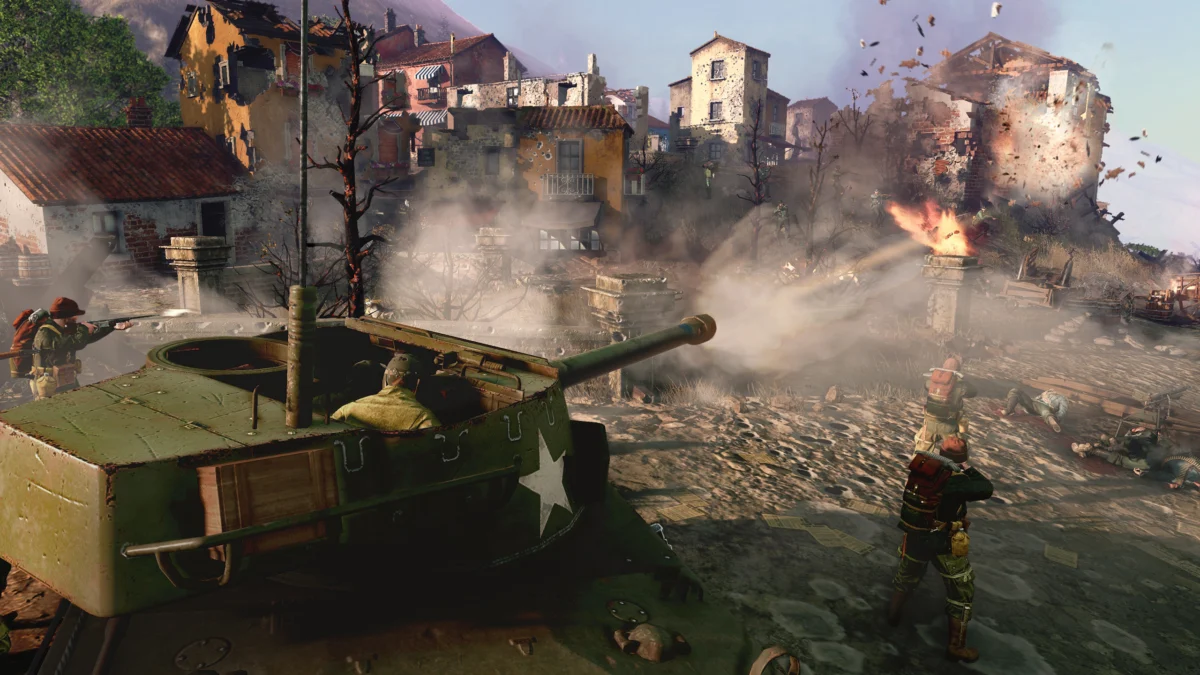
In October 2006, the landscape of PC gaming shifted irrevocably. A cover story in PC Gamer heralded the arrival of Company of Heroes, labeling it the vanguard of an "RTS Revolution." For a generation of gamers, it was more than just a title; it was a visceral, high-stakes introduction to the tactical complexities of World War II. Two decades later, as Relic Entertainment celebrates the franchise’s 20th anniversary, the studio finds itself at a crossroads—navigating the scars of a turbulent industry while remaining fiercely committed to the series that defined its identity.
The Genesis of an RTS Icon
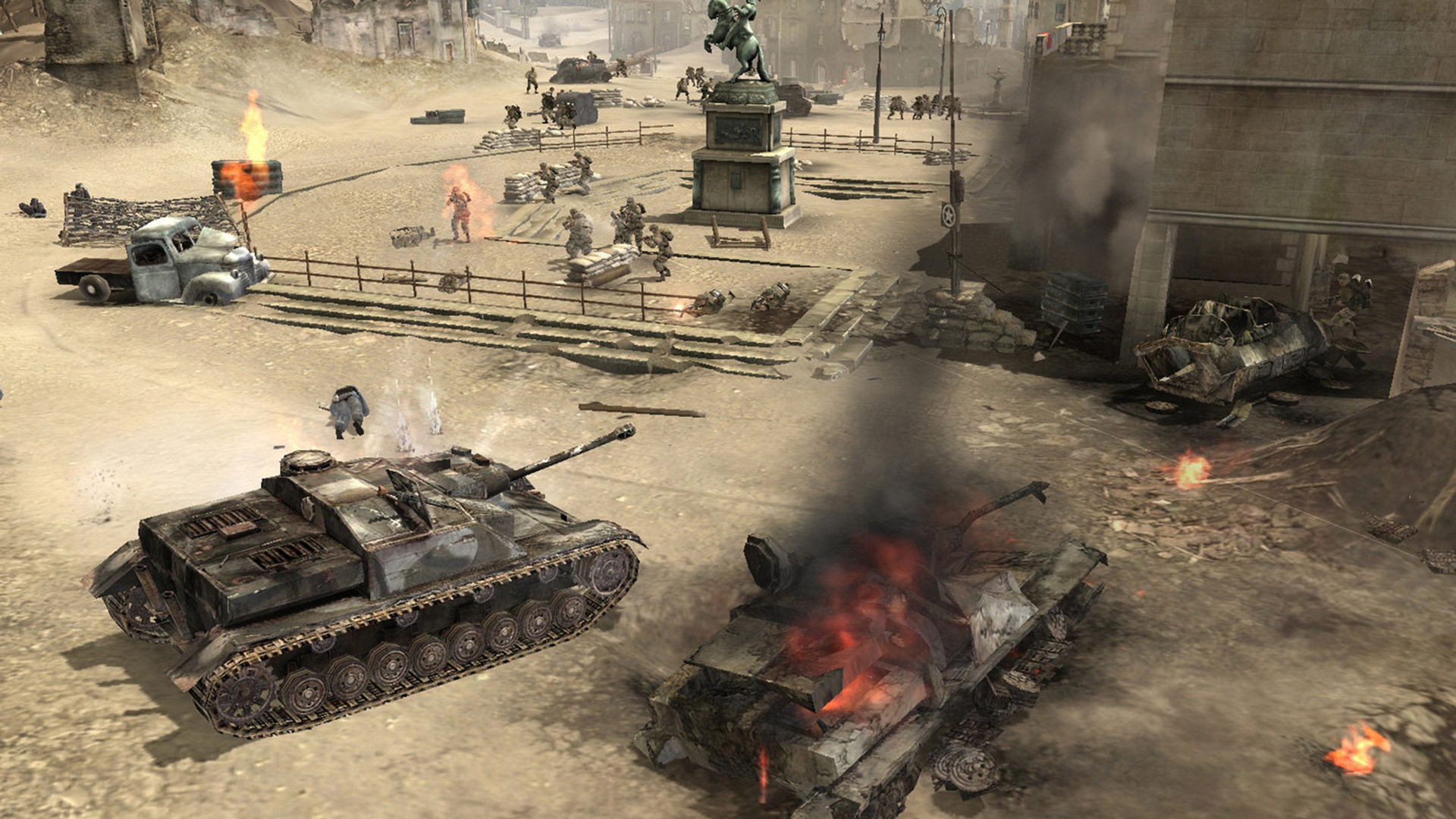
The history of Company of Heroes is as much about the evolution of game development as it is about the war it depicts. Born in the creative crucible of Relic’s Vancouver studio, the project initially drew inspiration from the burgeoning visual fidelity of the mid-2000s. Principal programmer Ian Thomson recalls that era as one of significant technical leaps.
"We were highly influenced by Saving Private Ryan and Band of Brothers," Thomson explains. "That was an era where big leaps in visual quality were arriving, with Half-Life 2 presentations blowing our minds with character models and physics. We wanted to bring that to RTS in a World War II setting."

While the game’s roots trace back to an experimental prototype built on the engine of 2003’s Impossible Creatures, the final product was a radical departure from the genre’s norms. At the time, the market was dominated by the StarCraft and Command & Conquer paradigms—resource-heavy, base-centric affairs. Relic, however, pivoted toward a philosophy of "humanizing the battlefield." By focusing on cover mechanics, squad morale, and territorial momentum, they created a game that didn’t just feel like a simulation; it felt like a lived-in, harrowing theater of war.
A Chronology of Conflict
The trajectory of the franchise has been anything but linear. Following the monumental success of the original, which remains one of the highest-rated strategy games in PC Gamer history with a 96 score, the studio entered a period of ambitious expansion.
- 2006–2009: The release of Company of Heroes and its subsequent expansions, Opposing Fronts and Tales of Valor, solidified Relic’s reputation. During this period, the studio culture was defined by a "maximalist" approach—a refusal to say "no" to ambitious features, ranging from fully destructible environments to complex squad tactics.
- 2013: Company of Heroes 2 marked a shift to the Eastern Front. It was a polarizing but bold entry, introducing environmental hazards like lethal winter conditions and destructible ice. While it divided the competitive community, it showcased the studio’s willingness to take "big, divisive swings."
- 2014: The Ardennes Assault expansion is frequently cited by enthusiasts as the series’ high-water mark. Its dynamic campaign map, which simulated the Battle of the Bulge with persistent commander backstories, offered a level of strategic depth that remains a benchmark for the genre.
- 2023–Present: The release of Company of Heroes 3 and the studio’s subsequent transition to independence from Sega has been defined by a mix of hard-learned lessons, staff layoffs, and a renewed focus on long-term sustainability through updates like the "Final Stand" mode.
The "Humanizing the Battlefield" Philosophy
What set Company of Heroes apart from its peers was its refusal to treat units as mere statistics. In StarCraft, a Marine might be an action figure; in Company of Heroes, a squad of infantry feels like a group of people from Tennessee, complete with homes they long to return to.

This emotional resonance was achieved through meticulous attention to animation and audio. Soldiers would seek cover instinctively; they would show fear when pinned down. By shifting the perspective of D-Day landings from the first-person chaos of Call of Duty to a bird’s-eye view, Relic managed to maintain the terror and drama of the conflict while empowering the player with the burden of command. This emotional investment turned the act of losing a unit into a genuine tragedy, forcing players to manage their forces with the caution and empathy of a real commander.
Resilience Amidst Industry Turmoil
The journey has not been without its casualties. The launch of Company of Heroes 3 was, by the studio’s own admission, a realization that they had "bit off more than they could chew." While the RTS mechanics were lauded, the ambitious Italian campaign fell short of expectations. Compounded by a volatile industry landscape that saw two rounds of layoffs in 2023 and 2024, the studio’s future felt increasingly precarious.
However, a visit to the Vancouver studio this summer revealed a surprising resilience. Following their split from Sega, Relic has embraced its independence. CEO Justin Dowdeswell is remarkably candid about the transition: "We will survive and thrive based on the success of the decisions that we make along the way. I think there’s been a mood shift at the studio once everyone really started to see that it is up to us."
This newfound agency has transformed the studio culture. The "us vs. them" narrative of corporate ownership has been replaced by a singular, collective responsibility. Whether a project is a win or a loss, it is now entirely theirs, a prospect that the team finds more empowering than daunting.
The Implications: What Lies Ahead?
The RTS genre, once the king of PC gaming, has faced a long winter. Yet, the continued support for Company of Heroes 3 suggests that the appetite for deep, tactical experiences remains undiminished.
The studio’s decision to pass on developing Dawn of War 4 to focus their limited bandwidth on their core franchise highlights a strategic retreat to what they know best. For the fans who have followed the series from the newsstand days of 2006 to the current digital landscape, the survival of Relic represents more than just the continuation of a game series—it represents the survival of a specific, high-fidelity brand of strategy design that is increasingly rare in the modern market.

As Dowdeswell aptly notes, the industry is in a state of flux, and the path forward is not guaranteed. However, the team’s commitment to the 20th anniversary and their ongoing support for the title indicates that the battle is far from over. The "RTS Revolution" that began two decades ago may have evolved, but the spirit that propelled it—a blend of historical reverence, technical ambition, and a stubborn refusal to compromise on the human element—remains intact.
For now, the men and women at Relic continue to fight, building the next chapter in the history of a franchise that has, quite literally, survived against the odds. While the future title of the next Company of Heroes installment remains a mystery—perhaps "Chaos," as jokingly suggested—the determination to tell the next story is clear. The landing craft may be battered, but the mission remains.

