

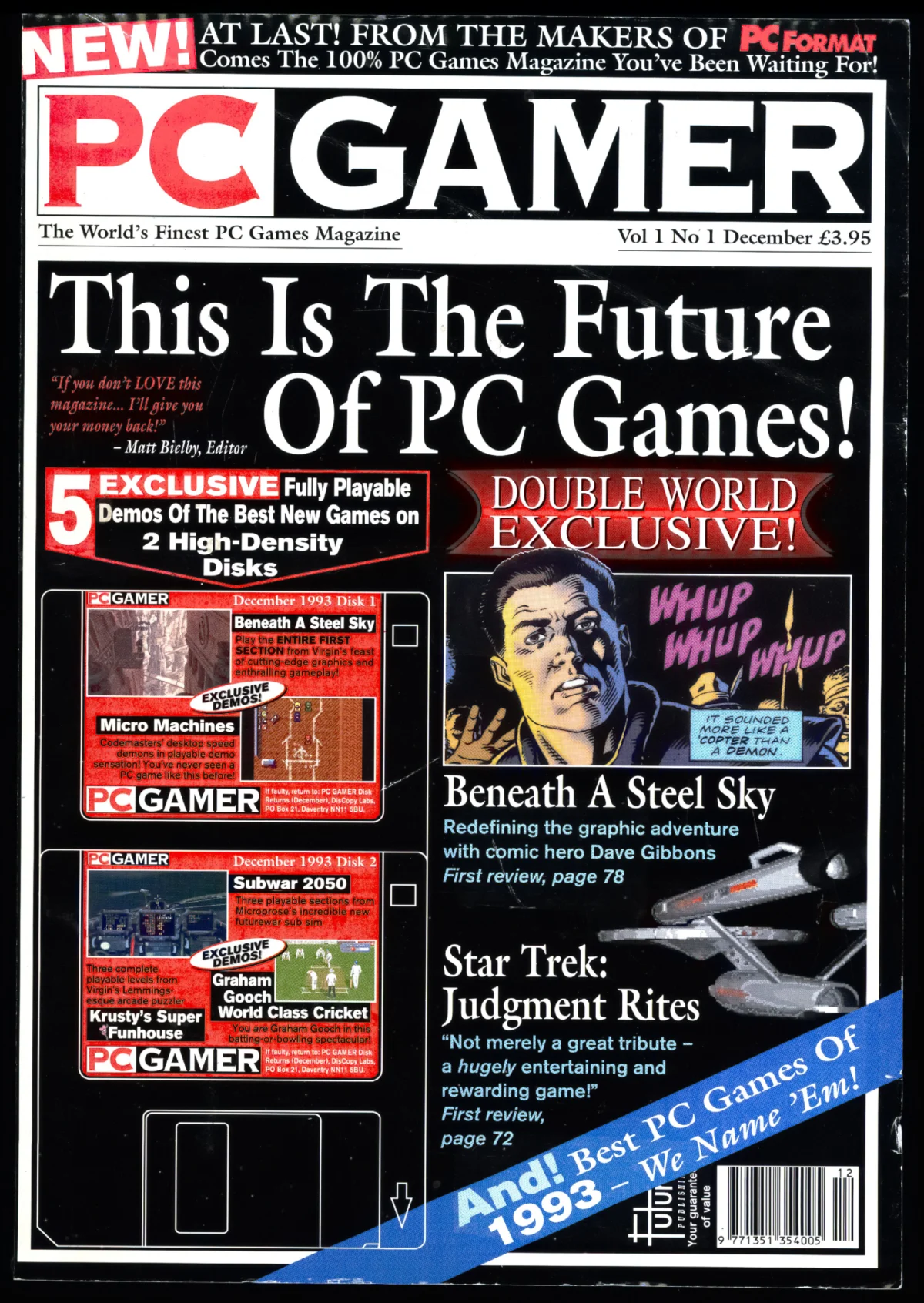
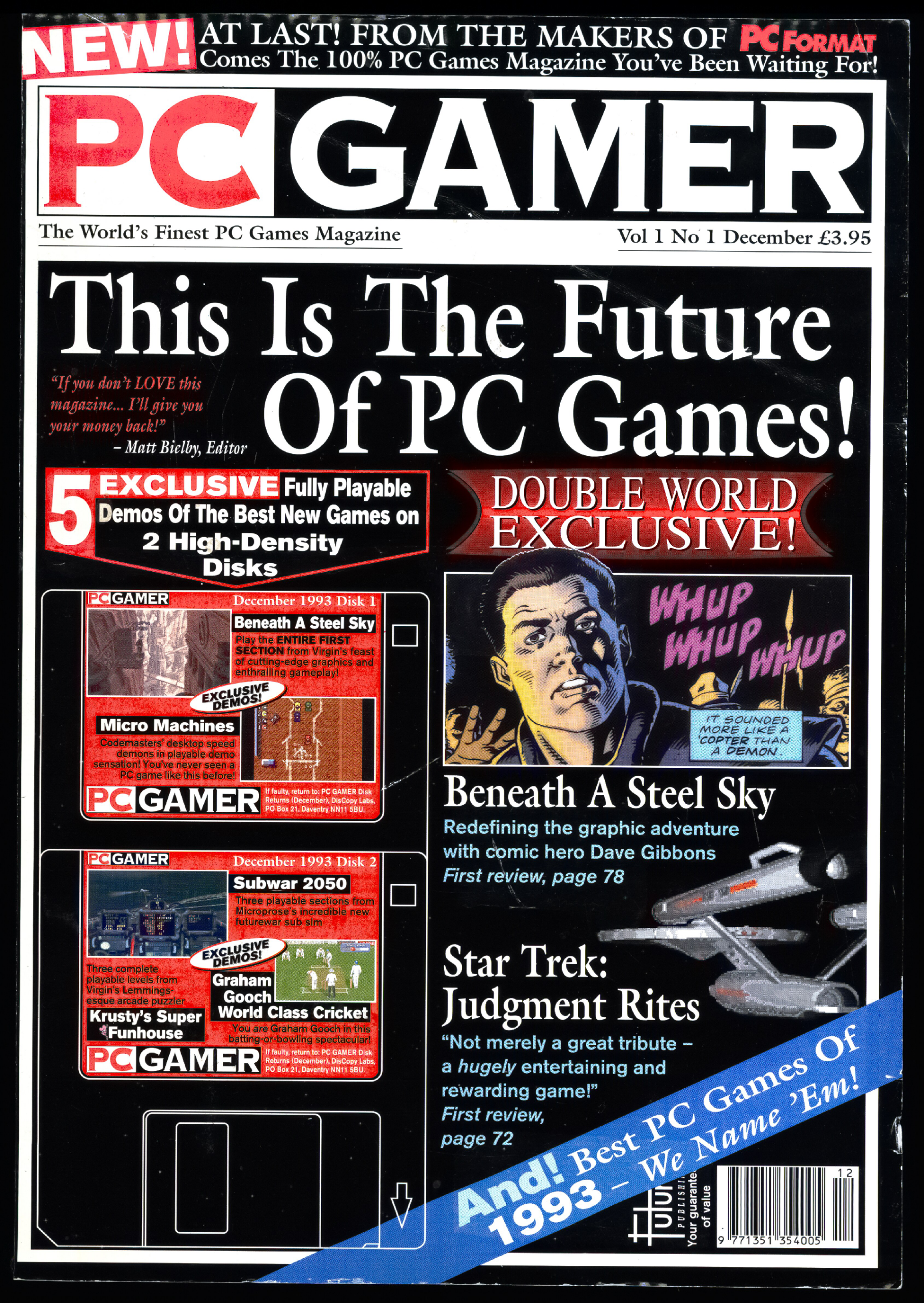
When the inaugural issue of PC Gamer (UK) hit newsstands in December 1993, the gaming landscape was in a state of rapid flux. Amidst the experimental fervor of the early nineties, a title emerged from the Hull-based studio Revolution Software that promised to bridge the gap between high-concept graphic novels and interactive fiction. That game was Beneath a Steel Sky.
Thirty years later, it remains a touchstone for the point-and-click adventure genre—a testament to the ambition of its creators and a reminder of the industry’s struggle to find a balance between atmospheric storytelling and traditional gameplay mechanics.
The Genesis of a Cyberpunk Classic
The development of Beneath a Steel Sky was an ambitious undertaking that spanned two years. Revolution Software, fresh off their 1992 debut Lure of the Temptress, sought to craft something far more sophisticated. They found a vital collaborator in Dave Gibbons, the legendary comic book artist best known for his work on Watchmen.
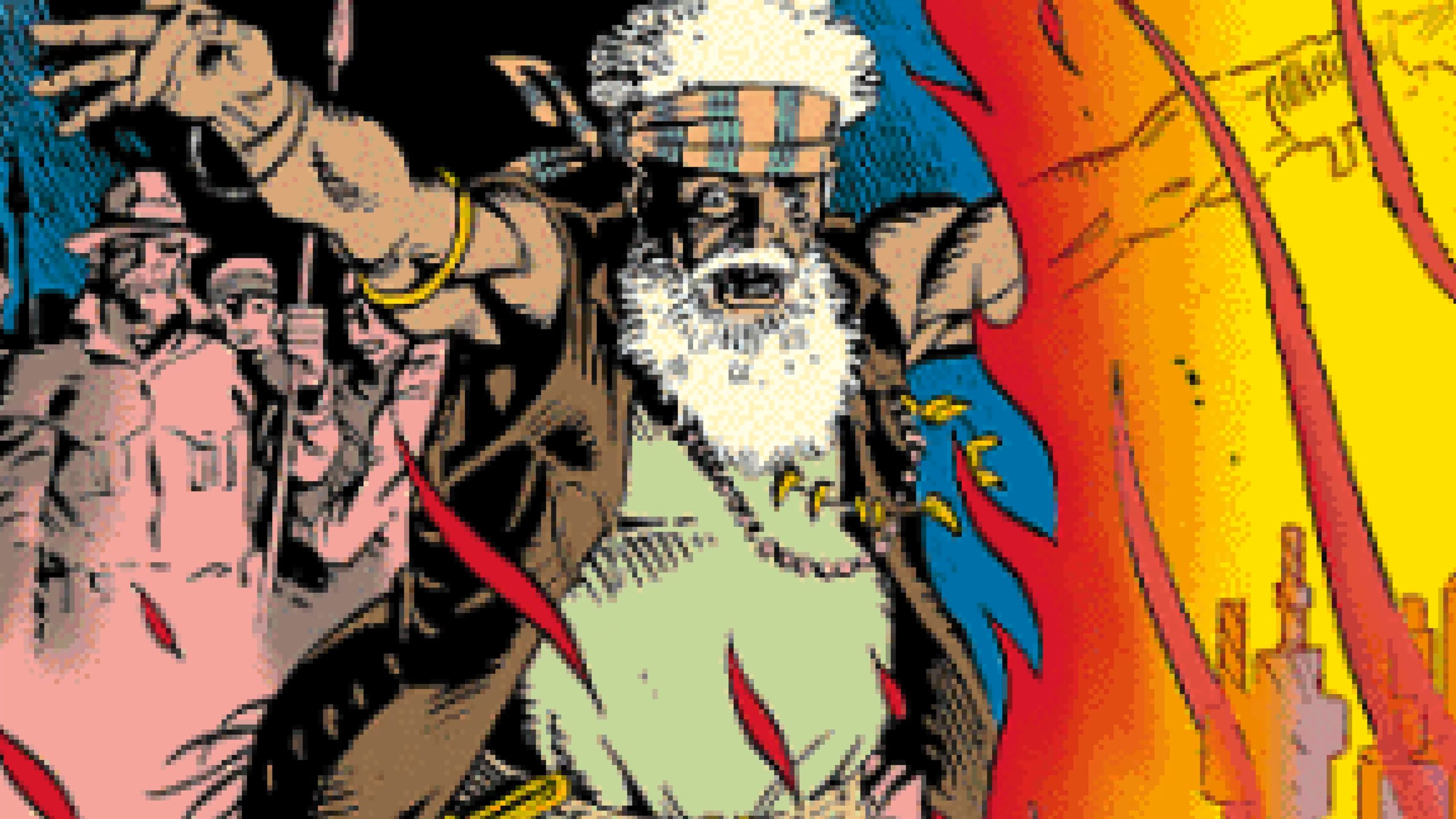
Following the collapse of a planned Watchmen video game project, Gibbons pivoted his creative energy toward the dystopian vision of Beneath a Steel Sky. His involvement was not merely perfunctory; he provided the character designs, the architectural vision for the game’s oppressive cityscape, and significant contributions to the narrative. The result was a world that felt visually cohesive and distinct, standing out in an era where 3D graphics were still in their infancy and often lacked the charm of hand-drawn artistry.
A Chronology of the Dystopian Descent
The narrative of Beneath a Steel Sky follows Robert Foster, an outsider raised in the desolate wilderness known as "The Gap." The story kicks off with a jarring, unexplained abduction by security forces, followed by a fortuitous helicopter crash that leaves Foster stranded in the upper reaches of a sprawling, vertical metropolis.
- The Arrival: The game opens in media res, refusing to hand-feed the player context. Foster is a stranger in a strange land, trapped in a city where the elite live in luxury high above the smog, while the lower classes toil in the shadows.
- The Investigation: As Foster maneuvers through the city, he is accompanied by Joey, a wise-cracking robot whose consciousness resides on a portable circuit board. This relationship serves as the emotional anchor of the game, with Joey’s ability to interface with various cybernetic bodies providing a unique spin on inventory-based puzzles.
- The Unravelling: The middle act of the game is characterized by the slow revelation of a grand, multi-layered conspiracy involving corrupt corporations and the city’s central computer system. Players must navigate security, solve environmental riddles, and untangle sub-plots that culminate in a deeper understanding of the city’s dark history.
Examining the Gameplay: A Study in 90s Design
In its original review, PC Gamer acknowledged that while the game’s setting was revolutionary, its underlying mechanics were staunchly traditional. At its core, Beneath a Steel Sky is a classic "adventure" in the vein of LucasArts’ finest. The gameplay relies heavily on the "use item A on object B" paradigm that defined the genre for a decade.

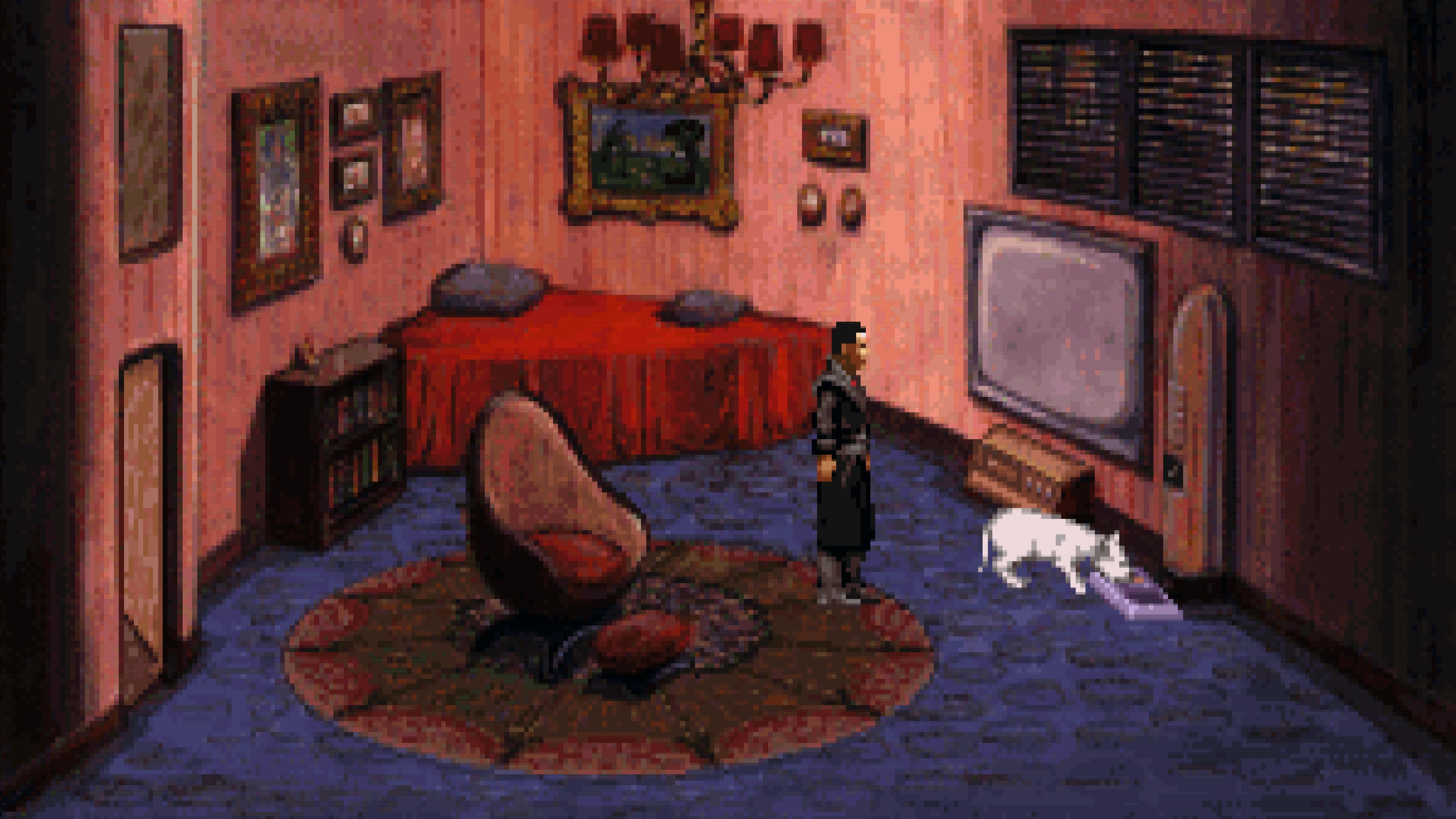
However, the depth of the game lies in its world-building. With over 100 locations, the game is remarkably large for its time. The challenge is not merely solving puzzles, but surviving in an environment that feels hostile and lived-in. For "serious adventure fans," as the initial verdict stated, the game offered a satisfying, high-fidelity experience that rewarded patience and critical thinking.
The Great Tone Debate
One of the most fascinating aspects of the contemporary discourse surrounding the game was the conflict of tone. Critic Matt Bielby, writing in the original PC Gamer coverage, pointed out a notable tension: the game’s visual aesthetic promised a dark, Philip K. Dick-inspired techno-thriller, yet the script occasionally veered into lighthearted or "jolly" territory.
While LucasArts dominated the market with comedic masterpieces like The Secret of Monkey Island, Beneath a Steel Sky occupied a more uncertain middle ground. It wasn’t quite a gritty, hard-boiled noir, nor was it a slapstick comedy. This duality led to some debate among critics at the time—was it a failure of consistency, or a brave attempt to blend genres?
Supporting Data: Legacy and Impact
The cultural footprint of Beneath a Steel Sky has only grown since 1993. Its influence is best measured by its longevity:
- The Crowdfunded Resurrection: Such was the enduring affection for the title that a direct sequel, Beyond a Steel Sky, was successfully crowdfunded and released in 2020.
- The Transition to 3D: The sequel marked a shift to 3D, a transition that sparked its own debates about the "loss" of the original’s iconic 2D aesthetic. Despite this, the sequel received an 81% rating from PC Gamer, proving that the franchise’s core appeal—the mystery of Foster and Joey—remained intact.
- The "Goat Puzzle" Precedent: The game is frequently mentioned in the same breath as other classic adventure "brainbenders," such as the Babel Fish in Hitchhiker’s Guide to the Galaxy and the mustache puzzle in Gabriel Knight 3. These moments defined a generation of frustration and triumph.
Official Perspectives and Retrospectives
Looking back, the "special commentary" provided by the PC Gamer archive team highlights a poignant realization: we often wonder why the industry felt such a rush to move away from the hand-drawn, 2D aesthetic that made Beneath a Steel Sky so visually striking.
The original review by Garry Whitta captured the excitement of a new medium finding its footing. He noted that while the game might have been "spread thin" by trying to be both atmospheric and lighthearted, it remained a mandatory experience. The consensus remains that it is a must-buy for any fan of the genre.
Implications for Modern Gaming
Beneath a Steel Sky serves as a lesson in the importance of character-driven design. While the puzzles might occasionally feel archaic to modern players raised on more fluid interactive experiences, the bond between Foster and Joey remains one of the most well-written dynamics in the history of the genre.
Furthermore, the game highlights the power of collaboration between different artistic disciplines. By bringing a professional comic book artist like Dave Gibbons into the fold, Revolution Software elevated the standard for visual storytelling in games. The result was not just a title to be "beaten," but a world to be inhabited.
In conclusion, Beneath a Steel Sky is far more than a relic of 1993. It is a defining artifact of an era where adventure games were the kings of the PC platform, pushing the boundaries of what could be achieved with a mouse, a keyboard, and a great story. Whether you are a newcomer looking to experience a piece of history or a veteran returning to the steel city, the game continues to offer a rewarding and, yes, "must-buy" experience.

